Image Resources Our extensive research library contains thousands of summaries of journal articles, reports and news stories that can be searched by keyword and category RESOURCES CATEGORY Books Briefing paper Event recording Featured articles Featured report Game Journal articles News and resources Reports Think piece Video Working paper Workshop summary Year 2026 2025 2024 2023 2022 2021 2020 2019 2018 2017 2016 2015 2014 2013 2012 2011 2010 2009 2008 2007 2002 2001 Image Books Handbook of sustainable & regenerative food systems This book examines a variety of regenerative farming systems, including agroecology, indigenous food systems, small-scale fisheries, food sharing, coffee micro-mills, foraging and reuse of food waste. Read Image Reports Policy statement: Food, farming and the environment in England This policy update from the UK Government’s Department for Environment, Food & Rural Affairs sets out a timeline for planned agricultural policy changes for England over the next few years. Policies are likely to be shaped by the recommendations of the National Food Strategy review, to be released in winter 2020. This policy update discusses measures for protecting food security as the UK adjusts to leaving the European Union, and sets out the proposed Environmental Land Management scheme to replace the EU’s Common Agricultural Policy. Read Image Reports The Asia Alternative Protein Industry Report 2020 This report by Hong Kong media platform Green Queen gives an overview of alternative protein startups in Asia, in the categories of cultivated protein (e.g. laboratory-grown meat), modern processed plant-based products, and whole-food alternatives (such as jackfruit or lion’s mane mushrooms, which are sometimes used to mimic the texture of meat despite not having the same protein content). The authors argue that Asia’s alternative protein industry is likely to overtake US and European brands because of demand from Asia’s growing middle class, relatively low production costs and products that are tailored to local tastes. Read Image Reports A sustainable future for food in Devon and the South West This report from the UK’s RSA Food, Farming and Countryside Commission examines four key areas of Devon’s food system: grassland and livestock production, environment and biodiversity, health and thriving communities, and new entrants to farming. Read Image Reports Eating Better: We need to talk about chicken This report from the UK’s Eating Better alliance argues that replacing red meat with chicken is not a sustainable solution, and that growing consumption of poultry meat comes with costs to health, the environment, animal welfare and rural livelihoods. The report calls for reduced chicken consumption in the UK (to be replaced with plant proteins such as beans and nuts), and shifting away from intensive chicken farming towards “mixed and regenerative farming systems”. Read Image Journal articles A global perspective on microplastics Microplastics are tiny fragments of plastic formed as larger pieces break down in the environment, or else intentionally manufactured (e.g. as microbeads for cleaning products or pellets for industrial use). This paper reviews the current state of knowledge on their human health implications and effects on ecosystems. Read Image Journal articles Impact of environmental changes on fruits, nuts & seeds This paper reviews literature on the effects of environmental factors on the yields and nutritional qualities of fruit, nuts and seeds. In general, yields are expected to decrease under conditions of reduced water availability, higher ozone concentrations, temperatures above 28°C and higher water salinity. Berry and peanut yields respond positively to higher carbon dioxide levels, but this effect is reduced when temperatures also rise. Read Image Featured articles Potential public health impacts of the global dairy sector This paper gives an overview of the potential public health impacts of dairy production and consumption across the globe. It notes that dairy production is projected to increase by a quarter between 2014 and 2025, driven by both a rising global population and increases in the amount of dairy consumed per person. Read Image Featured articles Consumer food waste could be double previous estimates This paper by Verma et al., with FCRN member Thom Achterbosch as co-author, estimates that consumers across the world are probably wasting over twice as much food as previously believed. The study is based on the FAOSTAT Food Balance Sheets, but goes further than the Food and Agriculture Organisation in that it factors in how consumer affluence affects food waste. It finds that once people spend more than $6.70 per day (in total, not just on food), food waste starts to rise - suggesting that consumer food waste is an issue even in lower-middle income countries, not only in wealthier countries. Read VIEW MORE
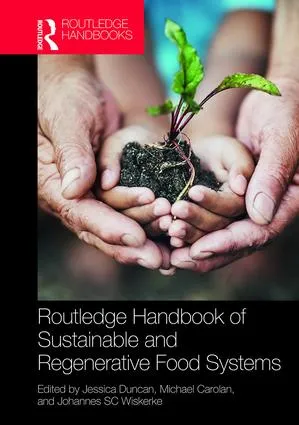
Image Books Handbook of sustainable & regenerative food systems This book examines a variety of regenerative farming systems, including agroecology, indigenous food systems, small-scale fisheries, food sharing, coffee micro-mills, foraging and reuse of food waste. Read
Image Reports Policy statement: Food, farming and the environment in England This policy update from the UK Government’s Department for Environment, Food & Rural Affairs sets out a timeline for planned agricultural policy changes for England over the next few years. Policies are likely to be shaped by the recommendations of the National Food Strategy review, to be released in winter 2020. This policy update discusses measures for protecting food security as the UK adjusts to leaving the European Union, and sets out the proposed Environmental Land Management scheme to replace the EU’s Common Agricultural Policy. Read
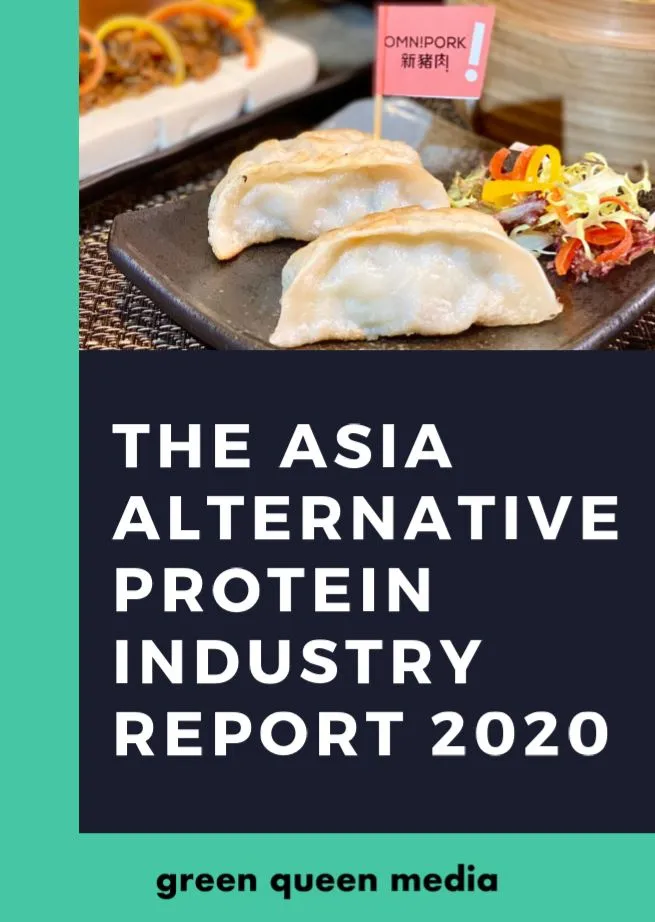
Image Reports The Asia Alternative Protein Industry Report 2020 This report by Hong Kong media platform Green Queen gives an overview of alternative protein startups in Asia, in the categories of cultivated protein (e.g. laboratory-grown meat), modern processed plant-based products, and whole-food alternatives (such as jackfruit or lion’s mane mushrooms, which are sometimes used to mimic the texture of meat despite not having the same protein content). The authors argue that Asia’s alternative protein industry is likely to overtake US and European brands because of demand from Asia’s growing middle class, relatively low production costs and products that are tailored to local tastes. Read
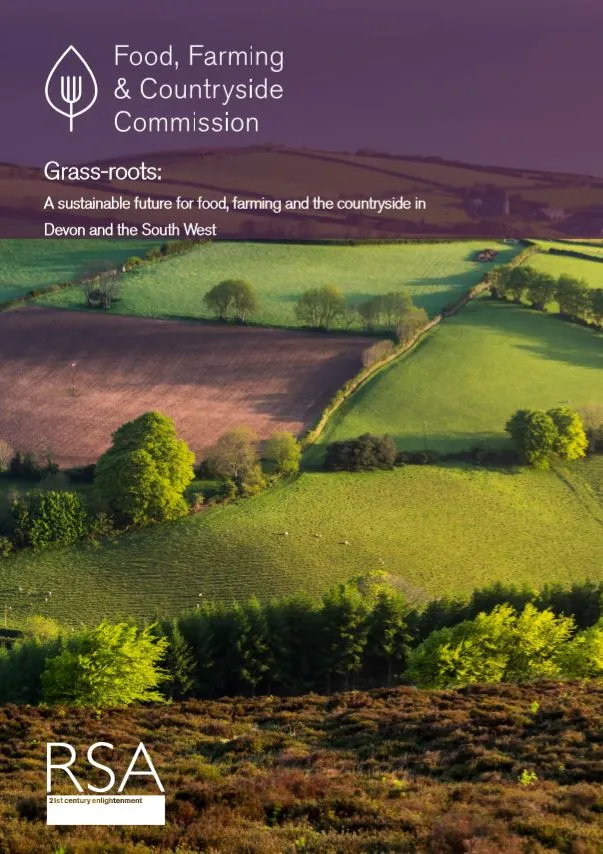
Image Reports A sustainable future for food in Devon and the South West This report from the UK’s RSA Food, Farming and Countryside Commission examines four key areas of Devon’s food system: grassland and livestock production, environment and biodiversity, health and thriving communities, and new entrants to farming. Read
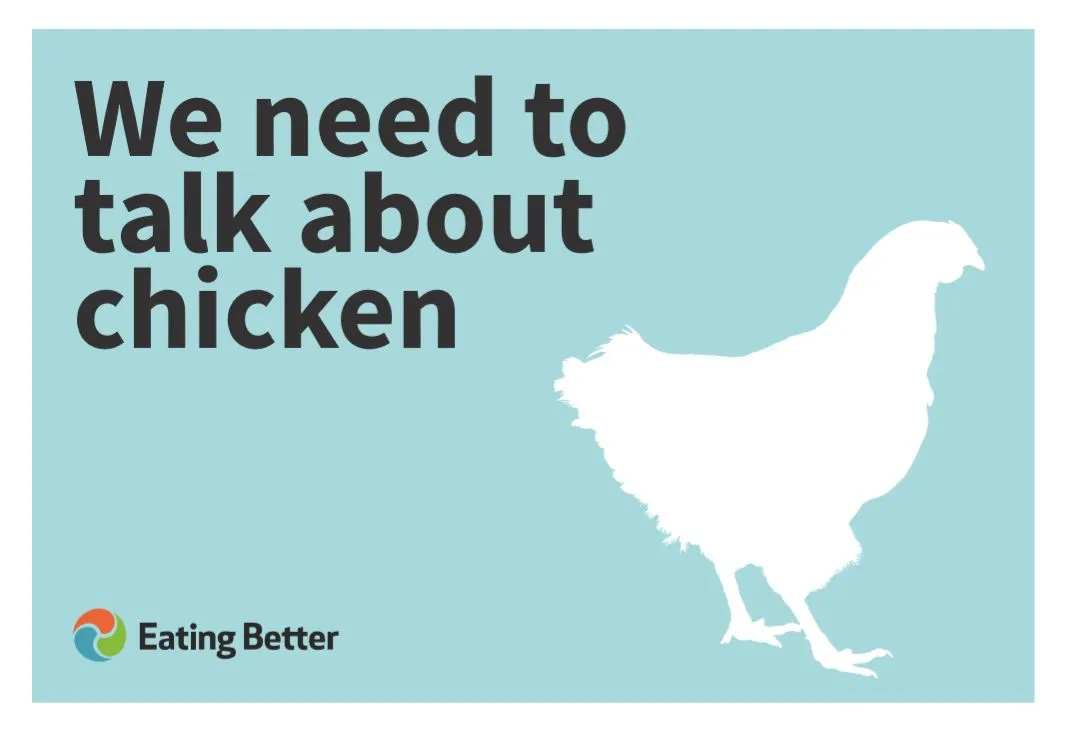
Image Reports Eating Better: We need to talk about chicken This report from the UK’s Eating Better alliance argues that replacing red meat with chicken is not a sustainable solution, and that growing consumption of poultry meat comes with costs to health, the environment, animal welfare and rural livelihoods. The report calls for reduced chicken consumption in the UK (to be replaced with plant proteins such as beans and nuts), and shifting away from intensive chicken farming towards “mixed and regenerative farming systems”. Read
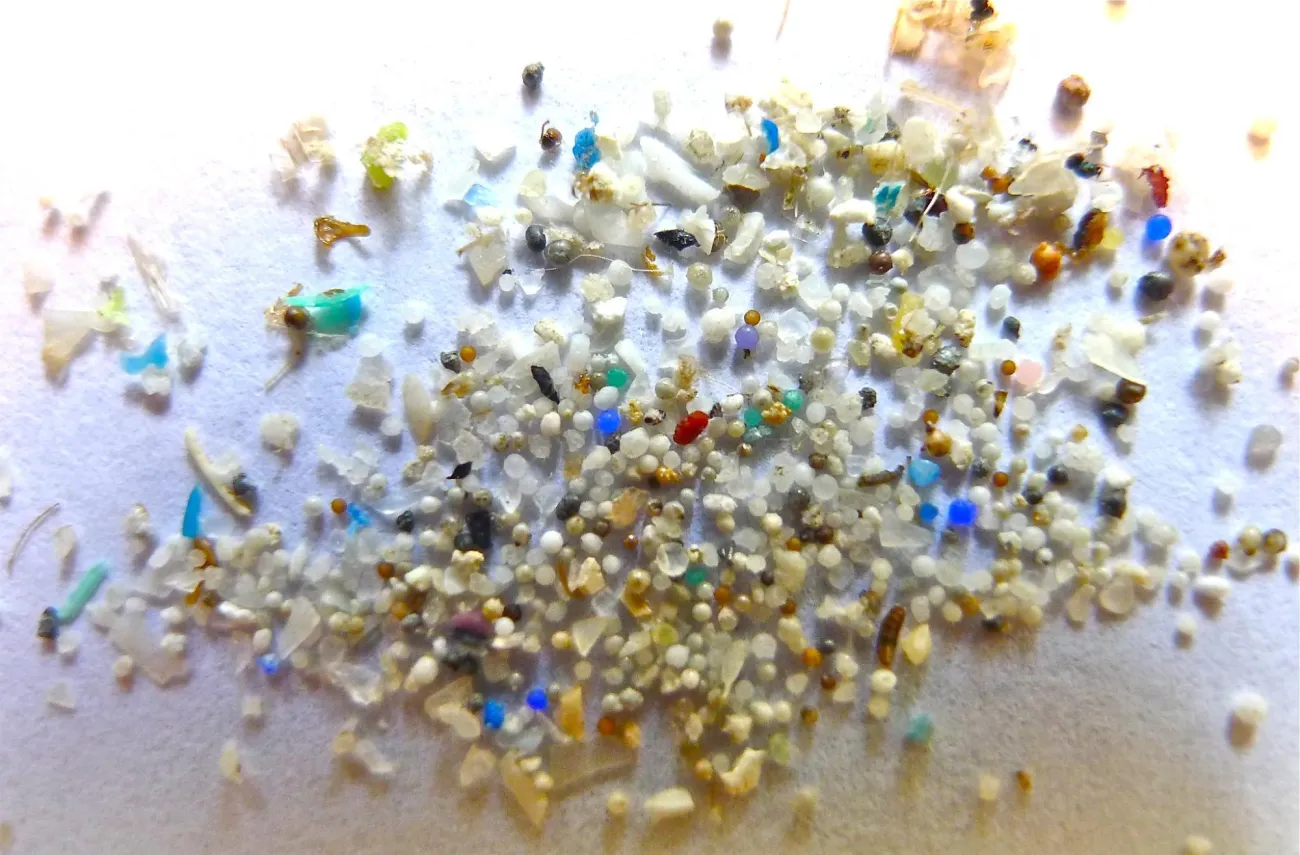
Image Journal articles A global perspective on microplastics Microplastics are tiny fragments of plastic formed as larger pieces break down in the environment, or else intentionally manufactured (e.g. as microbeads for cleaning products or pellets for industrial use). This paper reviews the current state of knowledge on their human health implications and effects on ecosystems. Read
Image Journal articles Impact of environmental changes on fruits, nuts & seeds This paper reviews literature on the effects of environmental factors on the yields and nutritional qualities of fruit, nuts and seeds. In general, yields are expected to decrease under conditions of reduced water availability, higher ozone concentrations, temperatures above 28°C and higher water salinity. Berry and peanut yields respond positively to higher carbon dioxide levels, but this effect is reduced when temperatures also rise. Read
Image Featured articles Potential public health impacts of the global dairy sector This paper gives an overview of the potential public health impacts of dairy production and consumption across the globe. It notes that dairy production is projected to increase by a quarter between 2014 and 2025, driven by both a rising global population and increases in the amount of dairy consumed per person. Read
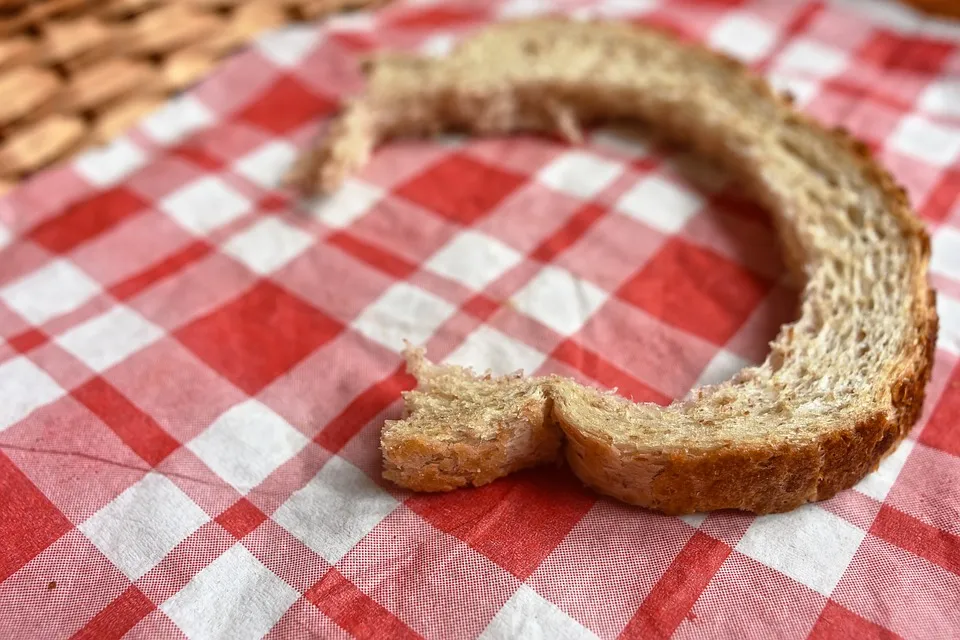
Image Featured articles Consumer food waste could be double previous estimates This paper by Verma et al., with FCRN member Thom Achterbosch as co-author, estimates that consumers across the world are probably wasting over twice as much food as previously believed. The study is based on the FAOSTAT Food Balance Sheets, but goes further than the Food and Agriculture Organisation in that it factors in how consumer affluence affects food waste. It finds that once people spend more than $6.70 per day (in total, not just on food), food waste starts to rise - suggesting that consumer food waste is an issue even in lower-middle income countries, not only in wealthier countries. Read