Image Resources Our extensive research library contains thousands of summaries of journal articles, reports and news stories that can be searched by keyword and category RESOURCES CATEGORYBooksBriefing paperEvent recordingFeatured articlesFeatured reportGameJournal articlesNews and resourcesReportsThink pieceVideoWorking paperWorkshop summary Year2026202520242023202220212020201920182017201620152014201320122011201020092008200720022001 Image Books Food Intelligence: The Science of How Food Both Nourishes and Harms Us Health journalist, Julia Belluz, and nutrition and metabolism scientist, Kevin Hall, discuss the myths about nutrition to deliver a comprehensive book on food, diet, metabolism and healthy eating. Read Image Reports Hidden cost of tuna This report presents an investigation into the discrimination and poor working conditions endured by many Ivorian and Senegalese crew members working on board European-owned tuna purse seine vessels operating in the Indian Ocean. Read Image Reports Understanding Moments of Change in Food Systems Transformation This report brings qualitative examples of food system transformation bought together from the experiences of a group of organisations working at the country level, often together, in close partnership with governments and local organisations. Read Image Reports Fuel us, don’t food us This report by Bite Back investigates the 10 biggest global food and drink businesses operating in the UK and looking at their sales of packaged food and drinks products. It found that the majority of the biggest food and drink manufacturers – 7 out of 10 — rely on selling unhealthy products in the UK. Read Image Reports Transforming food and agriculture through a systems approach This report by the FAO clarifies what a systems approach involves in practice across agrifood systems, explaining what a systems approach means in the context of agrifood systems, why it matters and how to adopt it with concrete case studies. Read Image Journal articles Interconnections between the food system and antimicrobial resistance: A systems-informed umbrella review from a One Health perspective This research synthesises evidence from 80 studies, highlighting how AMR emergence and spread within food systems is driven by a complex interplay of factors across human, animal, and environmental reservoirs (e.g., water, soil), with impacts for disease burden in humans, animals and crops and financial viability of farming. This review underscores the need for a One Health approach to AMR mitigation. Read Image Resource Changes in meat consumption can improve groundwater quality This study finds substituting 10% of the protein intake from conventional meat sources with meat alternatives can lead to an average reduction of 3.4%, 10.7% and 4.5% in the required nitrogen fertilizer, manure and water footprint, respectively. This substitution could potentially decrease the risk of excess nitrate in groundwater by up to ~20%. Read Image Journal articles Energy expenditure and obesity across the economic spectrum Researchers find that daily energy expenditures are greater in developed populations challenging the hypothesis that decreased physical activity contributes to rises in obesity with economic development, based on 4,213 adults from 34 populations across six continents and a wide range of lifestyles and economies. Instead, our results suggest that dietary intake plays a far greater role than reduced expenditure in the elevated prevalence of obesity associated with economic development. Read Image Journal articles Gap between national food production and food-based dietary guidance highlights lack of national self-sufficiency This study finds over a third of all countries worldwide cannot meet self-sufficiency for more than two of seven food groups. Only one country can meet all seven groups, Guyana. Low self-sufficiency and overdependence on a few countries for imports threaten their capability to respond to global shocks, particularly for small states. Read VIEW MORE
Image Books Food Intelligence: The Science of How Food Both Nourishes and Harms Us Health journalist, Julia Belluz, and nutrition and metabolism scientist, Kevin Hall, discuss the myths about nutrition to deliver a comprehensive book on food, diet, metabolism and healthy eating. Read
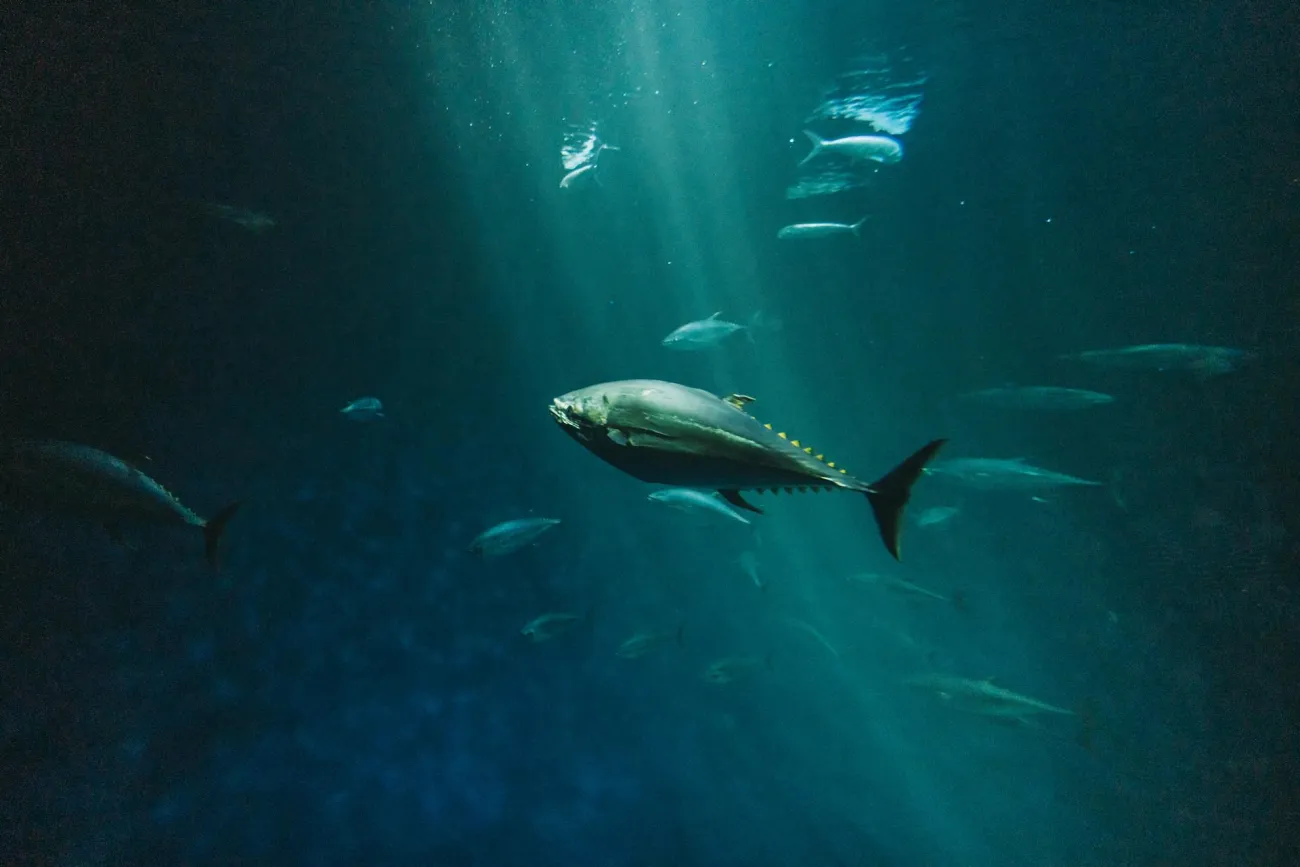
Image Reports Hidden cost of tuna This report presents an investigation into the discrimination and poor working conditions endured by many Ivorian and Senegalese crew members working on board European-owned tuna purse seine vessels operating in the Indian Ocean. Read
Image Reports Understanding Moments of Change in Food Systems Transformation This report brings qualitative examples of food system transformation bought together from the experiences of a group of organisations working at the country level, often together, in close partnership with governments and local organisations. Read
Image Reports Fuel us, don’t food us This report by Bite Back investigates the 10 biggest global food and drink businesses operating in the UK and looking at their sales of packaged food and drinks products. It found that the majority of the biggest food and drink manufacturers – 7 out of 10 — rely on selling unhealthy products in the UK. Read
Image Reports Transforming food and agriculture through a systems approach This report by the FAO clarifies what a systems approach involves in practice across agrifood systems, explaining what a systems approach means in the context of agrifood systems, why it matters and how to adopt it with concrete case studies. Read
Image Journal articles Interconnections between the food system and antimicrobial resistance: A systems-informed umbrella review from a One Health perspective This research synthesises evidence from 80 studies, highlighting how AMR emergence and spread within food systems is driven by a complex interplay of factors across human, animal, and environmental reservoirs (e.g., water, soil), with impacts for disease burden in humans, animals and crops and financial viability of farming. This review underscores the need for a One Health approach to AMR mitigation. Read
Image Resource Changes in meat consumption can improve groundwater quality This study finds substituting 10% of the protein intake from conventional meat sources with meat alternatives can lead to an average reduction of 3.4%, 10.7% and 4.5% in the required nitrogen fertilizer, manure and water footprint, respectively. This substitution could potentially decrease the risk of excess nitrate in groundwater by up to ~20%. Read
Image Journal articles Energy expenditure and obesity across the economic spectrum Researchers find that daily energy expenditures are greater in developed populations challenging the hypothesis that decreased physical activity contributes to rises in obesity with economic development, based on 4,213 adults from 34 populations across six continents and a wide range of lifestyles and economies. Instead, our results suggest that dietary intake plays a far greater role than reduced expenditure in the elevated prevalence of obesity associated with economic development. Read
Image Journal articles Gap between national food production and food-based dietary guidance highlights lack of national self-sufficiency This study finds over a third of all countries worldwide cannot meet self-sufficiency for more than two of seven food groups. Only one country can meet all seven groups, Guyana. Low self-sufficiency and overdependence on a few countries for imports threaten their capability to respond to global shocks, particularly for small states. Read