Image Resources Our extensive research library contains thousands of summaries of journal articles, reports and news stories that can be searched by keyword and category RESOURCES CATEGORY Books Briefing paper Event recording Featured articles Featured report Game Journal articles News and resources Reports Think piece Video Working paper Workshop summary Year 2026 2025 2024 2023 2022 2021 2020 2019 2018 2017 2016 2015 2014 2013 2012 2011 2010 2009 2008 2007 2002 2001 Image Journal articles Special issue: Resilience of EU farming systems The journal EuroChoices has released a special issue, “Towards more Resilient Agricultural Systems in Europe”, which showcases findings from the Horizon 2020 SURE‐Farm research project which was coordinated by Wageningen University & Research. Read Image Journal articles Fish-eaters, vegetarians and vegans have higher fracture risk This paper, by the Wellcome Trust-funded Oxford Livestock, Environment & People (LEAP) programme, finds that non-meat eaters, particularly vegans, have a higher total risk of bone fractures and some specific fracture types, such as hip fractures. After controlling for various confounding factors, the study finds that, relative to meat-eaters, vegans have a 2.31x higher risk of fractures; vegetarians have a 1.25x higher risk; and fish eaters have a 1.26x higher risk. Read Image Journal articles Climate effects of managed and sparsely grazed grasslands This paper presents a global analysis of the greenhouse gas balance of the world’s grasslands - both managed and natural - between 1750 and 2012, aiming to separate the direct effects of management by humans and the indirect effects of climate change. It finds that in most world regions, managed grasslands (those grazed by livestock or mown for grass forage) have a net warming effect on the climate, while sparsely grazed grasslands (natural grasslands not affected by livestock, but which may be grazed by wild animals) have a net cooling effect. Read Image Journal articles Climate impacts linked to reduced diet diversity in children This paper uses data from 19 countries to test the link between climate and dietary diversity in children. It finds that higher temperatures are generally associated with lower diet diversity, while higher precipitation is generally associated with greater diet diversity. Read Image Journal articles Why scientists should speak out on environmental risks This paper argues that the threats to humanity and the biosphere from environmental damage is much greater than is usually acknowledged, and that current political and economic solutions do not match the scale of the danger. The authors call for scientists to speak “candidly and accurately” to policymakers, businesses and the public about the risks to our future. Read Image News and resources Online hub: Resilience of the UK food system The research programme ‘Resilience of the UK Food System in a Global Context’ has launched an online hub. The programme aims to identify the major vulnerabilities of the UK food system and assess how its resilience can be improved. The hub gives details of its 13 research projects, lists programme outputs, and has sections for news and blogs and events. Read Image News and resources Blog: Policy options for small-scale farming This blog post, co-authored by Table member Ken Giller, summarises the final session of the eDialogues series What Future for Small-Scale Farming? This session explored policy implications for the inclusive transformation of small-scale agriculture in challenging times. Read Image Books Farming justice: diversity, food access and the USDA This book discusses a set of legal cases that have been settled recently within the United States Department of Agriculture regardings its treatment of farmers from different ethnic and gender backgrounds. It explores how these cases link to current trends relating to food justice in the wider food culture. Read Image Books Open access book: Agroecology Now! This open access book explores the conditions that support or hinder the transition of the food system towards agroecology: rights and access to nature; knowledge and culture; systems of economic exchange; networks; equity; and discourse. Read VIEW MORE
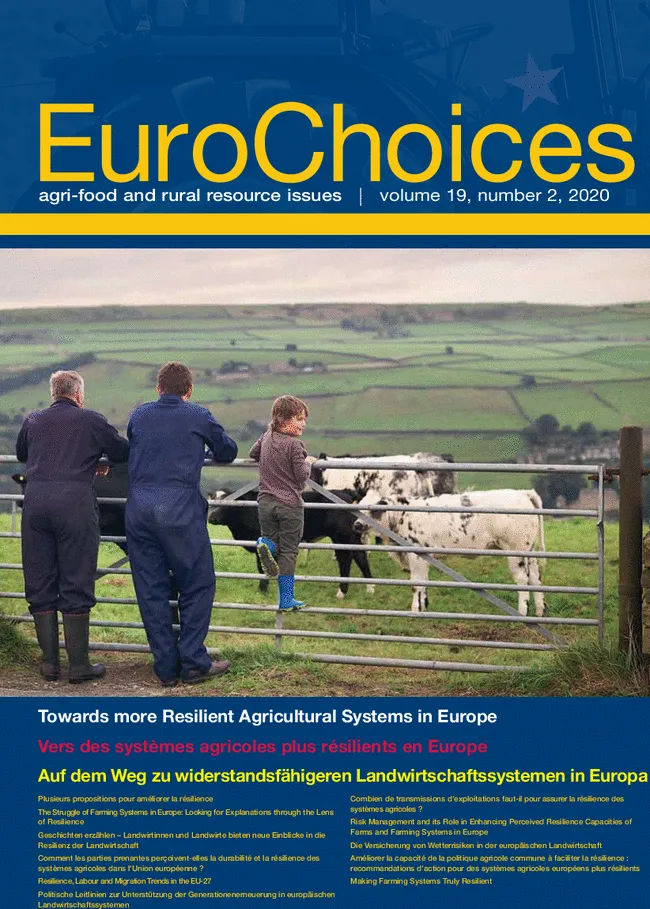
Image Journal articles Special issue: Resilience of EU farming systems The journal EuroChoices has released a special issue, “Towards more Resilient Agricultural Systems in Europe”, which showcases findings from the Horizon 2020 SURE‐Farm research project which was coordinated by Wageningen University & Research. Read
Image Journal articles Fish-eaters, vegetarians and vegans have higher fracture risk This paper, by the Wellcome Trust-funded Oxford Livestock, Environment & People (LEAP) programme, finds that non-meat eaters, particularly vegans, have a higher total risk of bone fractures and some specific fracture types, such as hip fractures. After controlling for various confounding factors, the study finds that, relative to meat-eaters, vegans have a 2.31x higher risk of fractures; vegetarians have a 1.25x higher risk; and fish eaters have a 1.26x higher risk. Read
Image Journal articles Climate effects of managed and sparsely grazed grasslands This paper presents a global analysis of the greenhouse gas balance of the world’s grasslands - both managed and natural - between 1750 and 2012, aiming to separate the direct effects of management by humans and the indirect effects of climate change. It finds that in most world regions, managed grasslands (those grazed by livestock or mown for grass forage) have a net warming effect on the climate, while sparsely grazed grasslands (natural grasslands not affected by livestock, but which may be grazed by wild animals) have a net cooling effect. Read
Image Journal articles Climate impacts linked to reduced diet diversity in children This paper uses data from 19 countries to test the link between climate and dietary diversity in children. It finds that higher temperatures are generally associated with lower diet diversity, while higher precipitation is generally associated with greater diet diversity. Read
Image Journal articles Why scientists should speak out on environmental risks This paper argues that the threats to humanity and the biosphere from environmental damage is much greater than is usually acknowledged, and that current political and economic solutions do not match the scale of the danger. The authors call for scientists to speak “candidly and accurately” to policymakers, businesses and the public about the risks to our future. Read
Image News and resources Online hub: Resilience of the UK food system The research programme ‘Resilience of the UK Food System in a Global Context’ has launched an online hub. The programme aims to identify the major vulnerabilities of the UK food system and assess how its resilience can be improved. The hub gives details of its 13 research projects, lists programme outputs, and has sections for news and blogs and events. Read
Image News and resources Blog: Policy options for small-scale farming This blog post, co-authored by Table member Ken Giller, summarises the final session of the eDialogues series What Future for Small-Scale Farming? This session explored policy implications for the inclusive transformation of small-scale agriculture in challenging times. Read
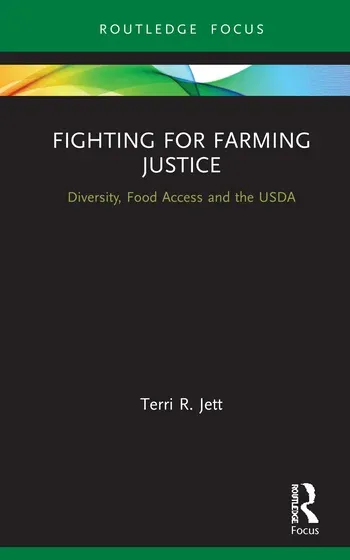
Image Books Farming justice: diversity, food access and the USDA This book discusses a set of legal cases that have been settled recently within the United States Department of Agriculture regardings its treatment of farmers from different ethnic and gender backgrounds. It explores how these cases link to current trends relating to food justice in the wider food culture. Read
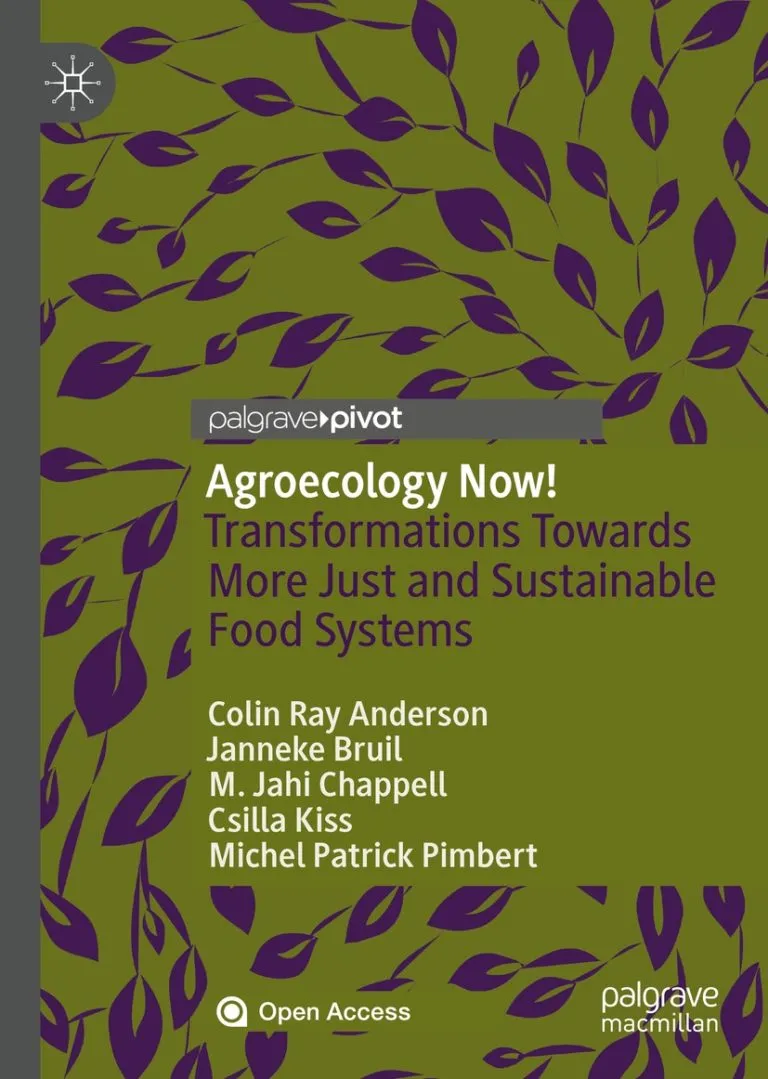
Image Books Open access book: Agroecology Now! This open access book explores the conditions that support or hinder the transition of the food system towards agroecology: rights and access to nature; knowledge and culture; systems of economic exchange; networks; equity; and discourse. Read