Image Resources Our extensive research library contains thousands of summaries of journal articles, reports and news stories that can be searched by keyword and category RESOURCES CATEGORYBooksBriefing paperEvent recordingFeatured articlesFeatured reportGameJournal articlesNews and resourcesReportsThink pieceVideoWorking paperWorkshop summary YEAR201220132014201520162017201820192020202120222023202420252026 Image Resource Soil carbon sequestration: opportunities and limitations This paper summarises the presentations and discussions that took place at a workshop organised by the Food Climate Research Network on 21 January 2010. Read Image Resource How Low Can We Go? The Food Climate Research Network and WWF-UK have published a new report – How Low Can We Go? An assessment of greenhouse gas emissions from the UK food system and the scope for reduction by 2050 – that quantifies the UK’s food carbon footprint - taking into account emissions from land use change - and explores a range of scenarios for achieving a 70% cut in food related greenhouse gas emissions. Read Resource Frost Bitten: an exploration of refrigeration dependence in the UK food chain and its implications for climate policy This paper reports on an in-depth study of refrigeration in the UK food chain. It identifies the greenhouse gas impacts of the ‘cold chain’ and discusses some of the technological options for reducing these. Read Image Resource Livestock-related greenhouse gas emissions: impacts and options for policy-makers Read Resource Agriculture and Copenhagen: priorities and possibilities Notes from a presentation given at an event organised by the Food Ethics Council in September 2009. The focus is on how and if agricultural GHG emissions would be discussed at the Copenhagen agreement and whether they would form part of any possible (and now increasingly precarious) agreement that might emerge from them. Read Image Resource Fruit and vegetables and UK Greenhouse Gas emissions: Exploring the relationship This paper considers what we know about the contribution that the fruit and vegetable sector makes to the UK's greenhouse gas emissions. It also looks at what we know about the options for achieving emissions reductions. Read Image Resource The Alcohol we drink and its contribution to the UK's Greenhouse Gas emissions: A discussion paper This paper looks at the alcohol we consume here in the UK. It considers whether we can quantify in ‘good enough’ terms the contribution that our alcohol consumption makes to the UK’s total greenhouse gas (GHG) emissions. Read Image Resource Meat and dairy production & consumption: Exploring the livestock sector's contribution to the UK's greenhouse gas emissions This paper explores the contribution that our consumption of livestock products in the UK makes to greenhouse gases, the complexities associated with attempts at quantifying these impacts, the options for mitigation and the environmental and welfare challenges these options may present. Read Image Resource Food refrigeration: What is the contribution to Greenhouse Gas emissions and how might emissions be reduced? This paper looks at what this means in terms of refrigeration’s contribution to UK greenhouse gas (GHG) emissions, at how this reliance on refrigeration has come about and what the consequences might be as regards future trends and associated emissions. It looks at how we might be able to reduce greenhouse gas emissions associated with food refrigeration both by improving the greenhouse gas efficiency of the equipment itself and, as a culture, by reducing our dependence on the cold chain. Read VIEW MORE
Image Resource Soil carbon sequestration: opportunities and limitations This paper summarises the presentations and discussions that took place at a workshop organised by the Food Climate Research Network on 21 January 2010. Read
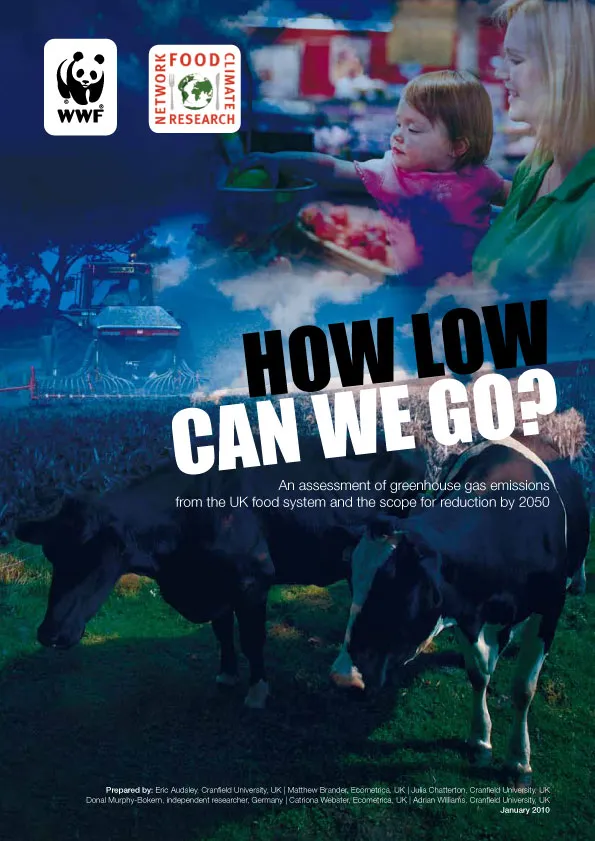
Image Resource How Low Can We Go? The Food Climate Research Network and WWF-UK have published a new report – How Low Can We Go? An assessment of greenhouse gas emissions from the UK food system and the scope for reduction by 2050 – that quantifies the UK’s food carbon footprint - taking into account emissions from land use change - and explores a range of scenarios for achieving a 70% cut in food related greenhouse gas emissions. Read
Resource Frost Bitten: an exploration of refrigeration dependence in the UK food chain and its implications for climate policy This paper reports on an in-depth study of refrigeration in the UK food chain. It identifies the greenhouse gas impacts of the ‘cold chain’ and discusses some of the technological options for reducing these. Read
Image Resource Livestock-related greenhouse gas emissions: impacts and options for policy-makers Read
Resource Agriculture and Copenhagen: priorities and possibilities Notes from a presentation given at an event organised by the Food Ethics Council in September 2009. The focus is on how and if agricultural GHG emissions would be discussed at the Copenhagen agreement and whether they would form part of any possible (and now increasingly precarious) agreement that might emerge from them. Read
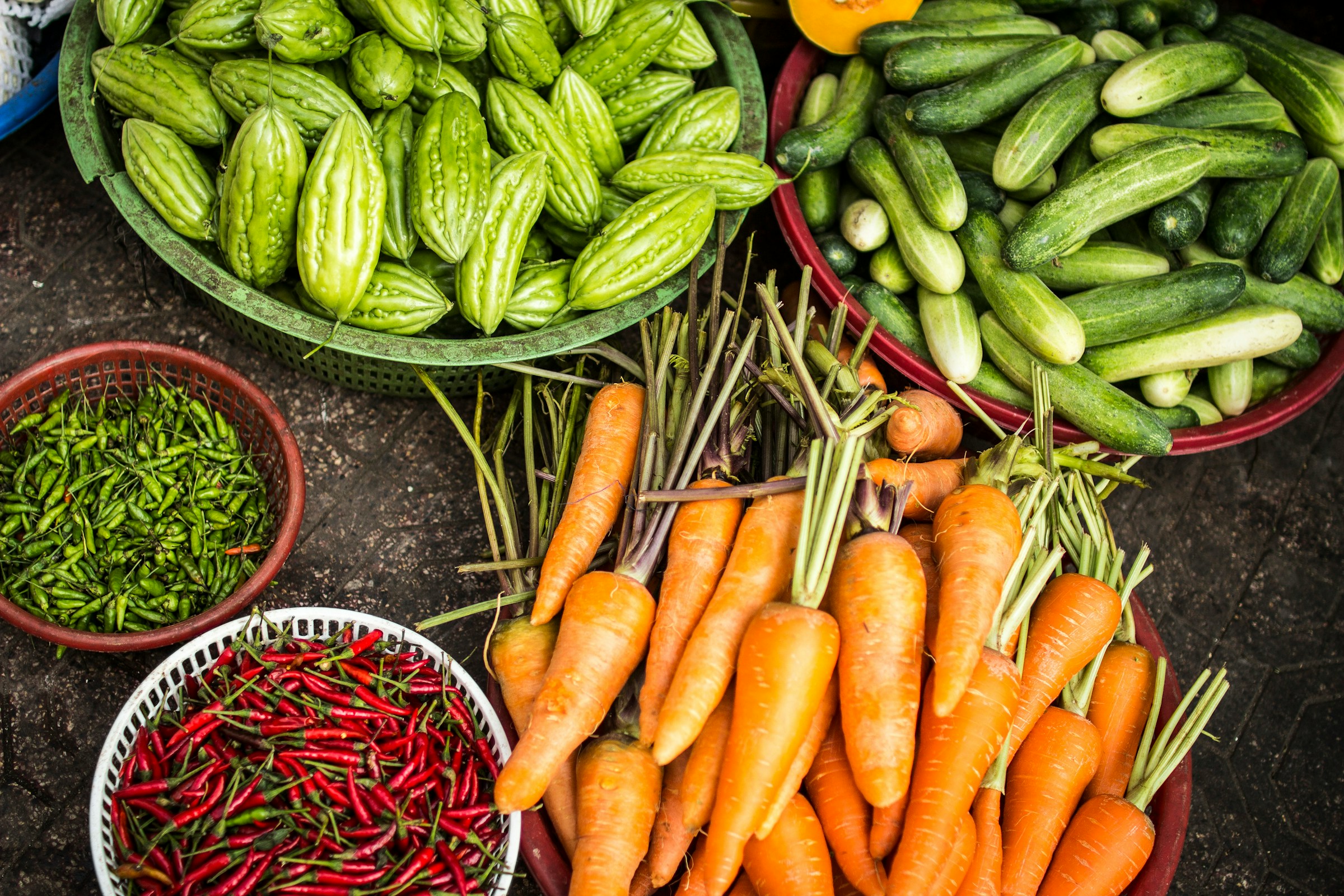
Image Resource Fruit and vegetables and UK Greenhouse Gas emissions: Exploring the relationship This paper considers what we know about the contribution that the fruit and vegetable sector makes to the UK's greenhouse gas emissions. It also looks at what we know about the options for achieving emissions reductions. Read
Image Resource The Alcohol we drink and its contribution to the UK's Greenhouse Gas emissions: A discussion paper This paper looks at the alcohol we consume here in the UK. It considers whether we can quantify in ‘good enough’ terms the contribution that our alcohol consumption makes to the UK’s total greenhouse gas (GHG) emissions. Read
Image Resource Meat and dairy production & consumption: Exploring the livestock sector's contribution to the UK's greenhouse gas emissions This paper explores the contribution that our consumption of livestock products in the UK makes to greenhouse gases, the complexities associated with attempts at quantifying these impacts, the options for mitigation and the environmental and welfare challenges these options may present. Read
Image Resource Food refrigeration: What is the contribution to Greenhouse Gas emissions and how might emissions be reduced? This paper looks at what this means in terms of refrigeration’s contribution to UK greenhouse gas (GHG) emissions, at how this reliance on refrigeration has come about and what the consequences might be as regards future trends and associated emissions. It looks at how we might be able to reduce greenhouse gas emissions associated with food refrigeration both by improving the greenhouse gas efficiency of the equipment itself and, as a culture, by reducing our dependence on the cold chain. Read