Image Resources Our extensive research library contains thousands of summaries of journal articles, reports and news stories that can be searched by keyword and category RESOURCES CATEGORYBooksBriefing paperEvent recordingFeatured articlesFeatured reportGameJournal articlesNews and resourcesReportsThink pieceVideoWorking paperWorkshop summary YEAR201220132014201520162017201820192020202120222023202420252026 Image Resource Mediterranean dietary shift threatens health and the environment The Mediterranean diet is seeing a shift away from traditional diets, threatening health and the environment, say the FAO and the International Centre for Advanced Mediterranean Agronomic Studies (CIHEAM) in a new report. Read Image Resource The Next Pig Idea – interview with Tristram Stuart In this interview in Policy Innovations, Tristram Stuart describes the rationale behind the organization he has founded called FeedBack, which tackles food waste across the supply chain, globally, "from plant to plate." In particular he discusses the campaign The Pig Idea and the idea of recycling food waste as feed for pigs. Read Image Resource Blog-post: How improving your diet is good for your health and can help tackle climate change In this post on the Public Health England blog, Alison Tedstone discusses sustainable healthy diets and what such a diet can look like in the UK. It particularly discusses the consumption and production of meat and dairy. Read Resource Food waste transitions: consumption, retail and collaboration towards a sustainable food system This report summarises food waste research conducted by the Sustainable Consumption Institute (SCI), University of Manchester, and its implications for a transition towards a sustainable food system. Read Image Resource The Role of Agroecology in Sustainable Intensification This report by the UK’s Land Use Policy Group discusses The Role of Agroecology in Sustainable Intensification and highlights agroecology as a method to safeguard UK food security. The report was prepared by the Organic Research Centre in collaboration with the Game & Wildlife Conservation Trust. Read Image Resource To eat healthy low-income families need to spend one third of their budget according to Food Standards Agency This joint survey by the Food Standards Agency, Foodsafe and the Consumer Council in Northern Ireland finds that low income families need to spend at least one third of their weekly income on food if they want to eat healthily. This percentage was the result when consumers were asked to select a realistic, healthy food basket that met the family’s taste requirements and included some special food items for visitors and social occasions. Read Image Resource Global Food Security Governance - Civil society engagement in the reformed Committee on World Food Security In 2007/8 world food prices spiked and global economic crisis set in, leaving hundreds of millions of people unable to access adequate food. The international reaction was swift. In a bid for leadership, the 123 member countries of the United Nations’ Committee on World Food Security (CFS) adopted a series of reforms with the aim of becoming the foremost international, inclusive and intergovernmental platform for food security. Read Image Resource Young Germans increasingly prone to be vegetarians Germany has traditionally been a country with high meat consumption per capita, but a new study shows that young Germans are increasingly turning to vegetarian diets. The study market analyst company Mintel followed 1,000 people aged over 16 and their results show that nearly one in five (18%) Germans aged between 16 and 24 purchase meat-alternative products. This is comparable to the one in ten (11%) doing the same across all age groups. A major challenge for this trend to consolidate however, is that only 14% of Germans say that they enjoy the taste of these products. Read Image Resource The Impacts of Climate Change Mitigation Strategies on Animal Welfare This paper provides a useful overview of the effects that measures to reduce GHGs from the livestock sector can have upon the welfare of farmed animals. It argues that most approaches geared at seek to increasing the intensity of production via changes in breeding, feeding and housing may increase productivity per unit of GHG s emitted but they come at the expense of animal health and wellbeing. Read VIEW MORE
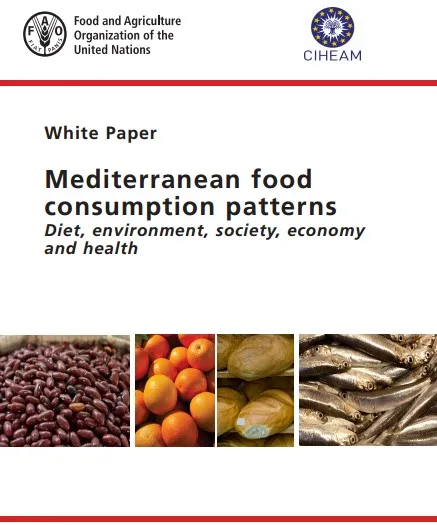
Image Resource Mediterranean dietary shift threatens health and the environment The Mediterranean diet is seeing a shift away from traditional diets, threatening health and the environment, say the FAO and the International Centre for Advanced Mediterranean Agronomic Studies (CIHEAM) in a new report. Read
Image Resource The Next Pig Idea – interview with Tristram Stuart In this interview in Policy Innovations, Tristram Stuart describes the rationale behind the organization he has founded called FeedBack, which tackles food waste across the supply chain, globally, "from plant to plate." In particular he discusses the campaign The Pig Idea and the idea of recycling food waste as feed for pigs. Read
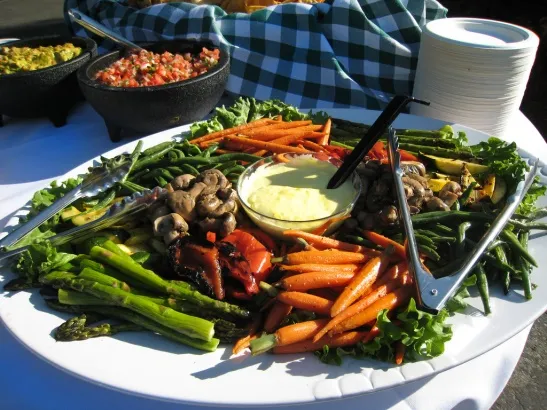
Image Resource Blog-post: How improving your diet is good for your health and can help tackle climate change In this post on the Public Health England blog, Alison Tedstone discusses sustainable healthy diets and what such a diet can look like in the UK. It particularly discusses the consumption and production of meat and dairy. Read
Resource Food waste transitions: consumption, retail and collaboration towards a sustainable food system This report summarises food waste research conducted by the Sustainable Consumption Institute (SCI), University of Manchester, and its implications for a transition towards a sustainable food system. Read
Image Resource The Role of Agroecology in Sustainable Intensification This report by the UK’s Land Use Policy Group discusses The Role of Agroecology in Sustainable Intensification and highlights agroecology as a method to safeguard UK food security. The report was prepared by the Organic Research Centre in collaboration with the Game & Wildlife Conservation Trust. Read
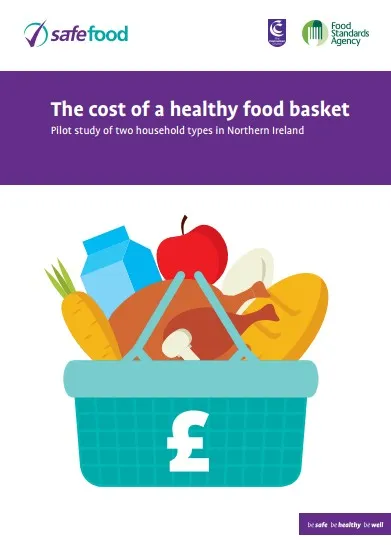
Image Resource To eat healthy low-income families need to spend one third of their budget according to Food Standards Agency This joint survey by the Food Standards Agency, Foodsafe and the Consumer Council in Northern Ireland finds that low income families need to spend at least one third of their weekly income on food if they want to eat healthily. This percentage was the result when consumers were asked to select a realistic, healthy food basket that met the family’s taste requirements and included some special food items for visitors and social occasions. Read
Image Resource Global Food Security Governance - Civil society engagement in the reformed Committee on World Food Security In 2007/8 world food prices spiked and global economic crisis set in, leaving hundreds of millions of people unable to access adequate food. The international reaction was swift. In a bid for leadership, the 123 member countries of the United Nations’ Committee on World Food Security (CFS) adopted a series of reforms with the aim of becoming the foremost international, inclusive and intergovernmental platform for food security. Read
Image Resource Young Germans increasingly prone to be vegetarians Germany has traditionally been a country with high meat consumption per capita, but a new study shows that young Germans are increasingly turning to vegetarian diets. The study market analyst company Mintel followed 1,000 people aged over 16 and their results show that nearly one in five (18%) Germans aged between 16 and 24 purchase meat-alternative products. This is comparable to the one in ten (11%) doing the same across all age groups. A major challenge for this trend to consolidate however, is that only 14% of Germans say that they enjoy the taste of these products. Read
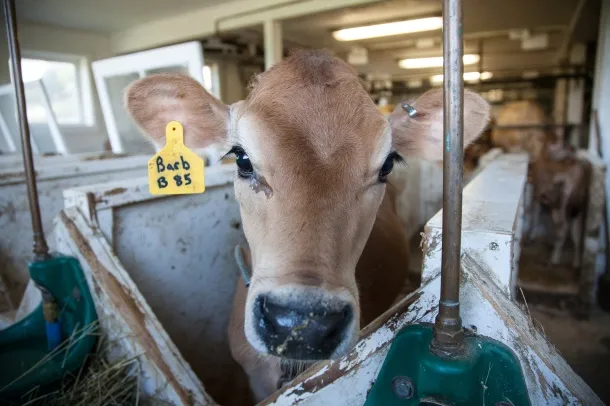
Image Resource The Impacts of Climate Change Mitigation Strategies on Animal Welfare This paper provides a useful overview of the effects that measures to reduce GHGs from the livestock sector can have upon the welfare of farmed animals. It argues that most approaches geared at seek to increasing the intensity of production via changes in breeding, feeding and housing may increase productivity per unit of GHG s emitted but they come at the expense of animal health and wellbeing. Read