Reports
The New Geopolitics of Food
IPES-Food’s latest report explores how geopolitical tensions, trade disruptions, aid cuts, and climate shocks are driving food price volatility and reshaping global food security – and offers recommendations for more resilient, self-reliant food systems.
Publisher's summary
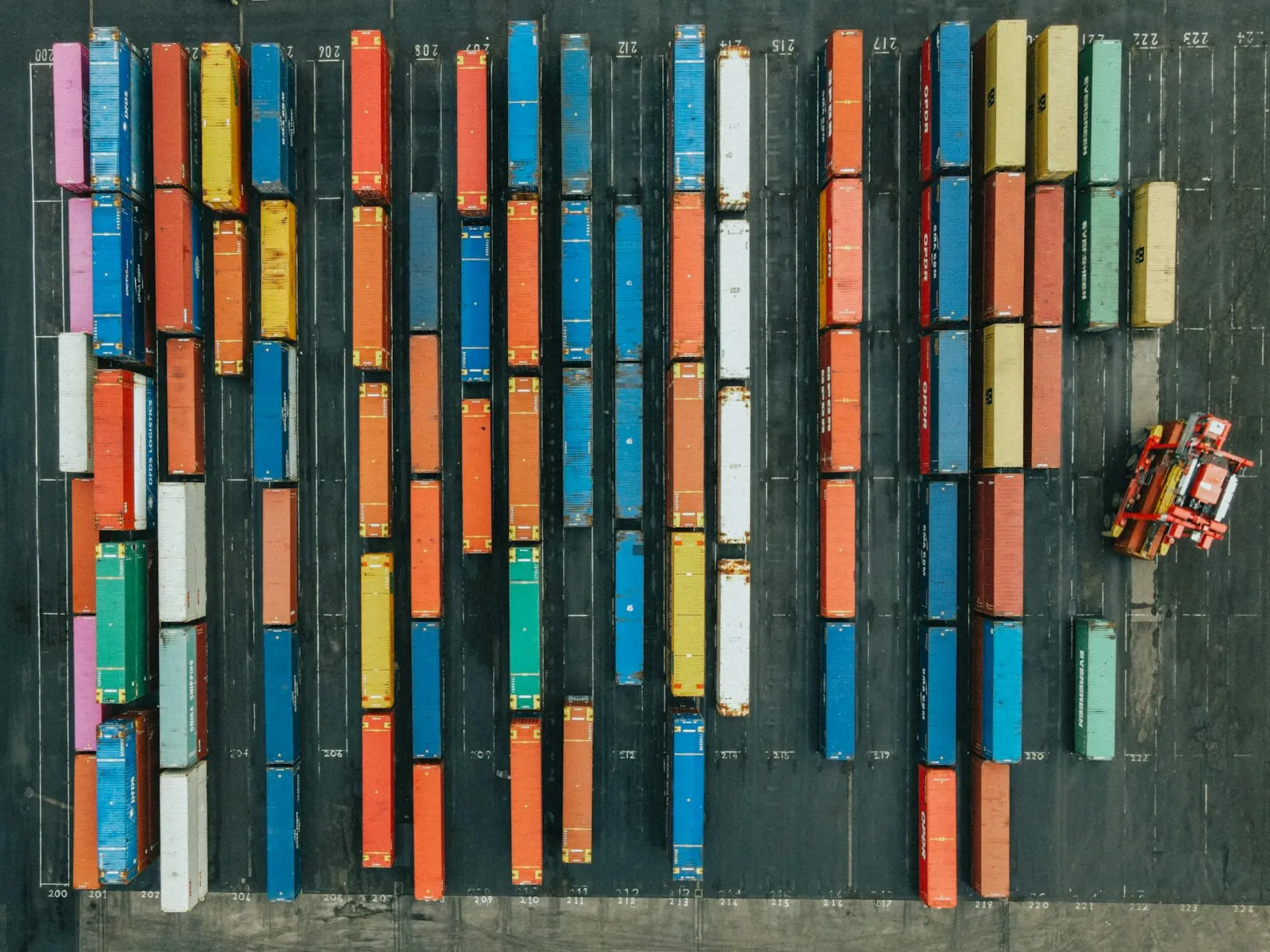
A new geopolitics of food is reshaping global food security. Trade wars, conflicts, climate change, aid cuts, and political tensions are fuelling price volatility, worsening hunger, and strengthening corporate control. This turmoil is exposing just how fragile food systems built on global dependence and just-in-time supply chains have become.
The New Geopolitics of Food examines how many countries’ food systems are deeply vulnerable, dependent on distant markets, fragile supply chains, and a handful of powerful exporters and corporations – particularly low-income food consumers and import-dependent countries.
This special report highlights practical tools that can help countries stabilise prices, protect access to food, and reduce vulnerability to external shocks. Drawing on lessons from India, West Africa, Canada, and Norway, it explores how governments are already using food reserves and market management to support farmers and build resilience.
IPES-Food argues that governments must shift towards resilient self-reliance: strengthening domestic and regional food systems, reducing dependence on volatile global markets, and investing in agroecology, public food infrastructure, and fair, cooperative trade.

Comments (0)