OUR WRITING KeywordsAgri-food systemAgricultural biodiversityAgricultural innovationAgricultural intensificationAgricultural lossesAgricultural monocultureAgricultural productionAgricultural productivityAgricultural yieldAgroecologyAgroforestry/silvopastureAlcoholic drinksAlternative food movementAlternative proteinAlternatives to intensive farmingAnimal feedAnimal welfareAnthropoceneAnthropocentrismAquacultureArable crops and arable landBeefBig foodBiodiversityBiodiversity conservationBioenergyBiological nitrogen fixationBiotechnologyCarbon footprintCarbon sequestrationCarbon sinksCarbon sinks and sequestrationChicken/poultryClimate changeClimate change impactsClimate policyCommunicable diseasesConservation biologyConsumer food choice appsConsumer perceptions and preferencesConsumptionConsumption and production trendsConventional agricultureCorporate food regimeCrop diversityCrop systemsCrop-livestock integrationCulture & communityDairyDeforestationDeforestation riskDevelopment policiesDietary guidelinesDietary surveyEcomodernismEconomics, business, and tradeEcosystemEcosystem restorationEcosystem servicesEcosystems & biodiversityEcosystems and ecosystem servicesEnvironmental & Social ImpactsEnvironmental impact assessmentsEnvironmental policyFarmingFarming systemsFeed conversion efficiencyFish stocks/overfishingFish/aquatic typesFisheriesFlexitarianismFood and agriculture policyFood and healthFood chainFood consumptionFood cultureFood justiceFood policyFood securityFood sovereigntyFood supplements/nutritional enhancementFood System TransformationFood systemsFood systems thinkingFood systems: an introductionFood systems: research methodsFood waste/surplus foodFruitFuture of foodGenderGHG emission trendsGHG emissions and mitigationGHG impacts and mitigationGHGsGlobal healthGlobal warming potentialGovernance, policy, and powerGrazed and confusedGrazing and grasslandGreen economy/alternative economic modelsGWP*Health and nutrition policyHealth concernsHorticulture and fruit treesHousehold food consumptionHuman health & wellbeingHungerIndustrial food manufacturingIndustry actions/CSRInequalityInsectsIntensive agricultureInvasive speciesInvestmentLand governanceLand sparing - sharingLand systems & changeLand useLand use and land use changeLegumes/pulsesLife cycleLife cycle analysisLivestockLivestock on LeftoversLocal foodMalnutritionMalnutrition/undernourishmentMarine and aquatic ecosystemsMarketsMeatMeat and taboos/religious beliefsMeat, Dairy & LivestockMethaneMilkMitigation policiesMonogastricMultiple burdens of malnutritionNitrogenNitrogen fixationNon-communicable diseasesNutritionNutritionismOrganicOrganic farmingOvernutritionPalm oilPlant/crop sciencePolitical economyPolitics & ParadigmsPorkPost-harvest lossesPoverty alleviationPower & ProteinProduction efficiency/intensityProteinProtein malnutrition and PEM (Protein-energy malnutrition)Public attitudesRegenerative agricultureRegenerative grazingResearch methodsResilience and vulnerabilityRewildingRuminantRuminantsScaleScience and backgroundSmallholder (farms)Soil healthSoilsSoySoy MoratoriumSpotlight onStandards/certificationStorage and refrigerationSubstitutes for meat & dairySupply chainsSustainable development goalsSustainable food securitySustainable healthy dietsSustainable intensificationTechnology & innovationThe Great Protein FiascoTradeUltra-processed foodUltra-processed food (UPF)UndernutritionUrban agricultureUrban food systemsVegetablesVegetarianism/veganismWater footprintWater managementWater use/consumptionWritten materialsZoonotic diseases TypeEssayExplainerLetterboxPublication RegionAfricaAsiaAustralasiaEuropeGlobalLatin America and the CaribbeanMiddle-eastNorth America Year201220132014201520162017201820192020202120222023202420252026 Image Essay Grazing livestock in a world of climate change: do they have a role? In this blog post, Elin Röös continues the dialogue launched by a Sustainable Trust Fund event on the role of grazing livestock in climate change.Elin is a postdoctoral researcher at the Swedish University of Agricultural Sciences working for the Future Agriculture initiative at the same university, which is a strategic multidisciplinary research platform that addresses the sustainable use of natural resources with emphasis on agricultural production and food systems. Currently she is visiting the Food Group at the Environmental Change Institute at the University of Oxford, working with future scenarios for protein production and consumption, and engaged in the FCRN network. Read Image Publication Animal efficiencies, animal welfare: either/or, or both/and? Some Reflections from an Informal Meeting Some reflections from a meeting between food systems researchers where a number of assumptions were challenged, diverse ethical and philosophical questions raised, and some areas that need further exploration and research identified. The purpose of this article is to share our reflections with the FCRN community and to seek out your thoughts and ideas about what sort of research and activity is needed next. Read Essay Re open letter from Civil Society on the Global Alliance for Climate Smart Agriculture Read Image Essay Provenance - Is it the missing link to improving standards in aquaculture? Read Image Essay Red meat debate Read Image Essay What do our farmed fish eat? What do we know about it? In this blog post, Hugh Coulson introduces the growing diversity in fishmeal and the implications of consumer perceptions.Hugh Coulson is an M.Sc. student at the Institute of Aquaculture, University of Stirling and has 12 years experience in the fine food industry, four years in fisheries and 3 years filming wildlife documentaries for the BBC. Read Essay Discussions, sustainable intensification and land-grabs... Read Essay Global Survey on the Development of a 10YFP Programme on Sustainable Food Systems Read Essay FCRN commentary on Sustainable Food Trust blog on red meat. Read VIEW MORE
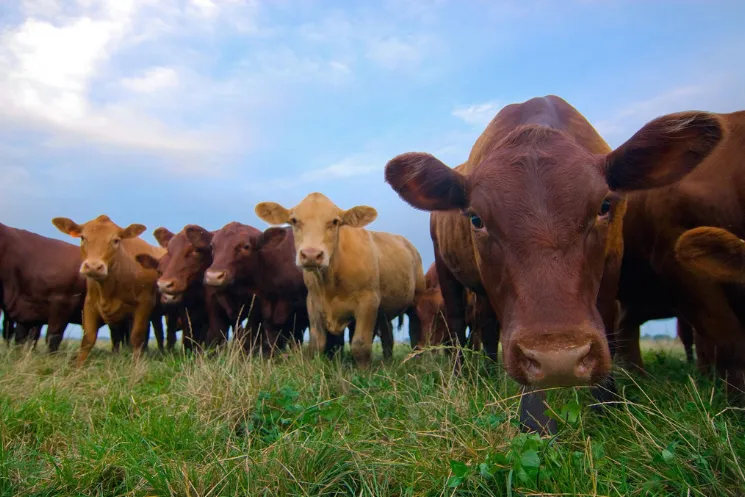
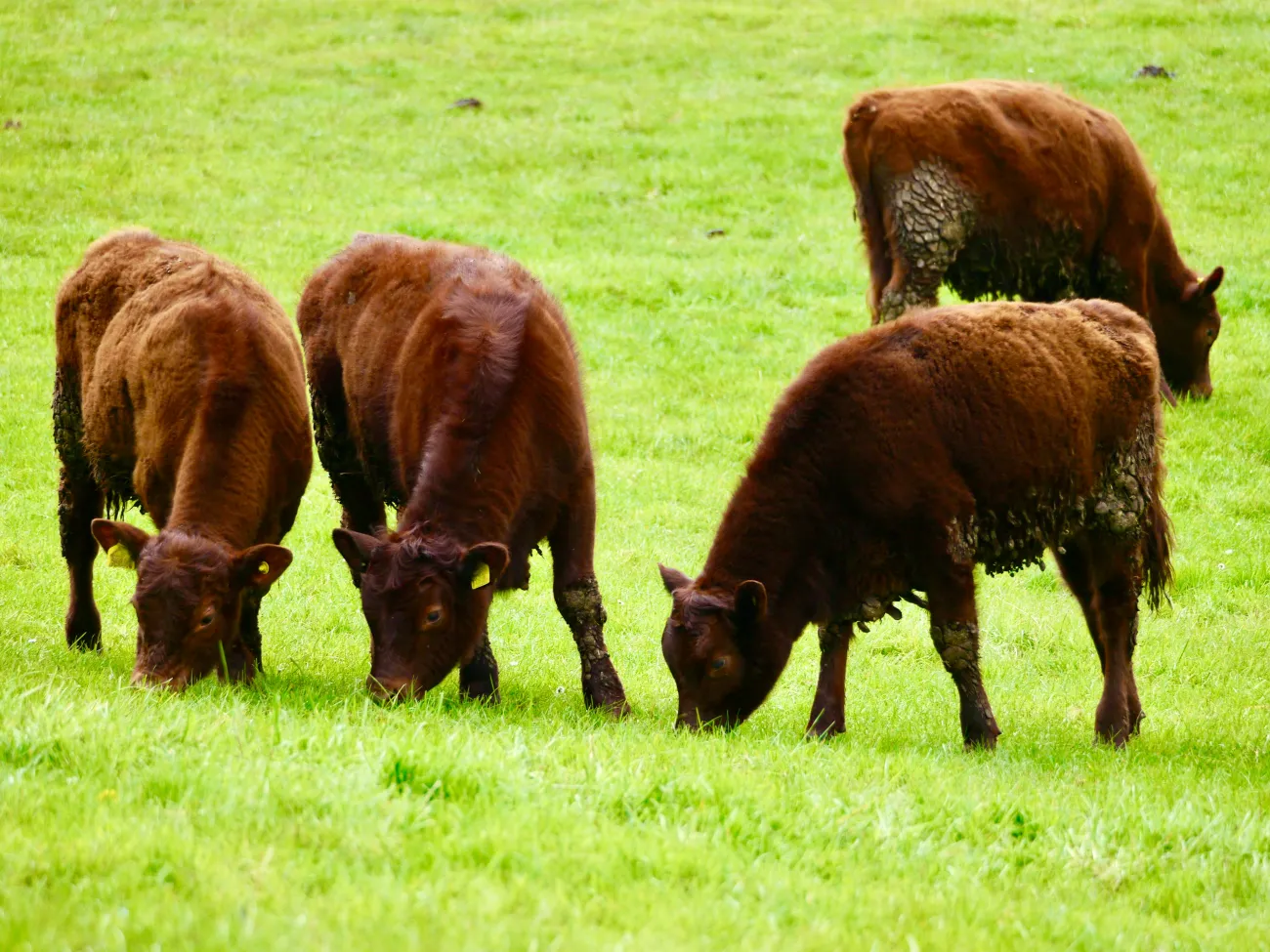
Image Essay Grazing livestock in a world of climate change: do they have a role? In this blog post, Elin Röös continues the dialogue launched by a Sustainable Trust Fund event on the role of grazing livestock in climate change.Elin is a postdoctoral researcher at the Swedish University of Agricultural Sciences working for the Future Agriculture initiative at the same university, which is a strategic multidisciplinary research platform that addresses the sustainable use of natural resources with emphasis on agricultural production and food systems. Currently she is visiting the Food Group at the Environmental Change Institute at the University of Oxford, working with future scenarios for protein production and consumption, and engaged in the FCRN network. Read
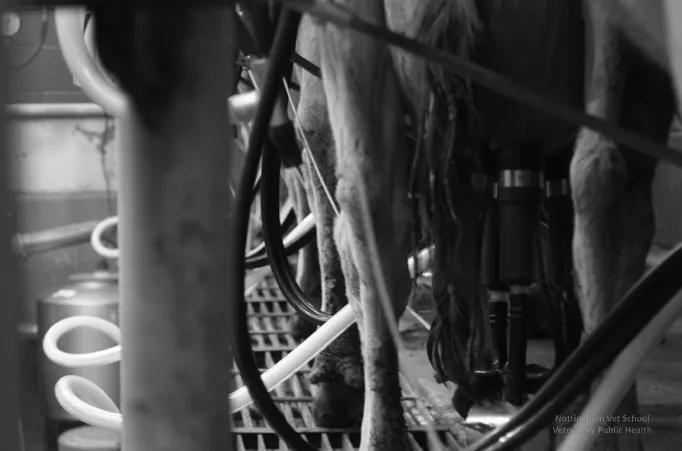
Image Publication Animal efficiencies, animal welfare: either/or, or both/and? Some Reflections from an Informal Meeting Some reflections from a meeting between food systems researchers where a number of assumptions were challenged, diverse ethical and philosophical questions raised, and some areas that need further exploration and research identified. The purpose of this article is to share our reflections with the FCRN community and to seek out your thoughts and ideas about what sort of research and activity is needed next. Read
Image Essay What do our farmed fish eat? What do we know about it? In this blog post, Hugh Coulson introduces the growing diversity in fishmeal and the implications of consumer perceptions.Hugh Coulson is an M.Sc. student at the Institute of Aquaculture, University of Stirling and has 12 years experience in the fine food industry, four years in fisheries and 3 years filming wildlife documentaries for the BBC. Read