Project
Mosaic: Mapping the Narratives of Brazil's Food System
From agricultural promise to global powerhouse
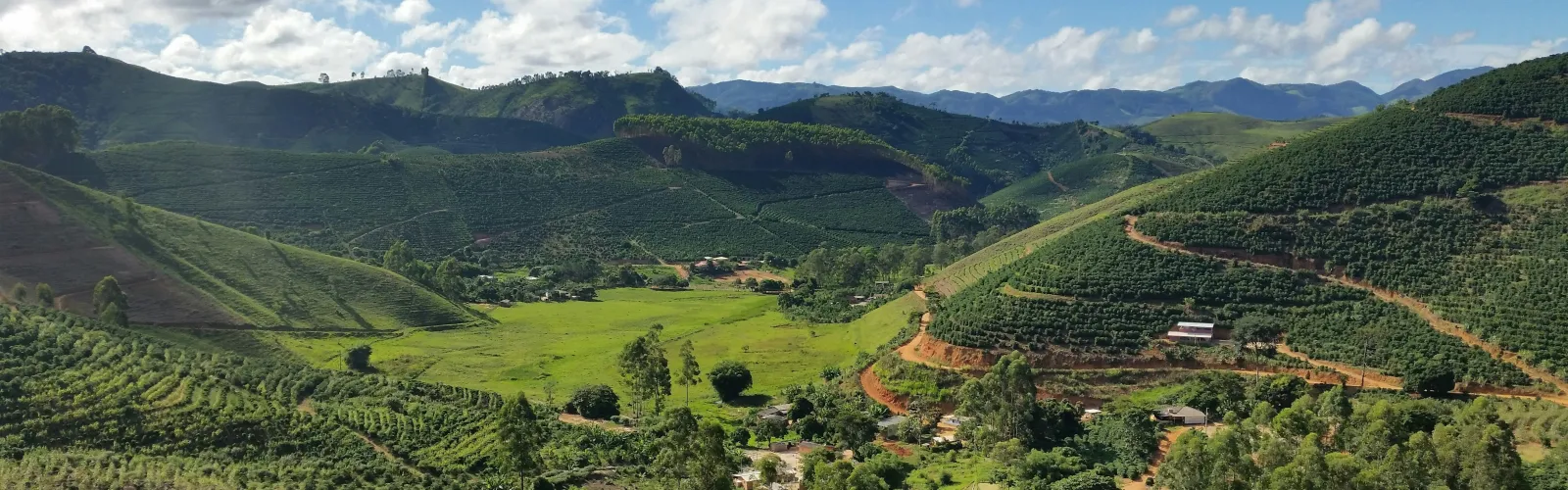
Brazil is widely recognised as a major global agricultural and food-producing power. This reputation is grounded not only in the country’s leading role in the production and export of several major food commodities, but also in a long-standing national narrative about Brazil’s “agricultural vocation”. For almost two centuries, agriculture has been presented as central to the country’s identity and development and by the late nineteenth century, Brazil was already describing itself as a potential “breadbasket of the world”, an idea that continues to be repeated today by farmers, politicians and people across Brazilian society. What began largely as an aspiration has now, in many respects, become a reality.
Why Brazil matters
Today’s agricultural powerhouse, however, faces environmental challenges that would have been difficult to imagine when these ideas first took shape. The conversion of tropical forests and other native ecosystems into pasture and cropland has led to biodiversity loss and greenhouse gas emissions. Globally, food systems account for roughly one-third of anthropogenic greenhouse gas emissions. In Brazil, estimates suggest they are responsible for around three-quarters of the country’s gross emissions. The impacts of livestock production are particularly significant, and include methane emissions from one of the world’s largest cattle herds and the livestock’s dominant contribution to forest and grassland conversion.
Beyond environmental concerns, Brazil also plays an important role in food and nutrition security, both domestically and globally. As one of the world's leading producers and exporters of beef, soya and poultry, the country occupies a significant position in international food supply chains, meaning that changes in its livestock sector could affect the availability and affordability of food worldwide. Yet Brazil is also a country of striking contradictions: despite being one of the world's largest food producers, it has cycled in and out of the UN Hunger Map – a UN tool mapping the prevalence of hunger worldwide – over the past three decades. At the same time, its policies to combat hunger have received international recognition and inspired initiatives in more than 80 countries. How Brazil addresses the interconnected challenges of food system sustainability, food security and hunger will have implications far beyond its borders.
Mapping Brazil’s food futures
There is broad recognition that food systems need to change. But to what, and how?
This research project explores how different stakeholders in and beyond Brazil understand the present and future of livestock, meat, dairy and the wider food system in Brazil. By mapping and analysing competing narratives, priorities, concerns and proposed solutions, it seeks to understand questions such as the following: how do different stakeholders understand the current benefits and challenges? What futures for Brazil’s food system are they working towards and why? Who or what stands to win or lose in these futures?
The aim here is to provide a textured account of the plurality of futures envisaged for Brazil in order to inform future discussions and decisions across issues that span food production and consumption; hunger, food security and health; climate and the environment, and power relations and governance.
Português:
Uma imagem comumente associada ao Brasil internacionalmente é a de uma grande potência agrícola e produtora de alimentos. Isso é respaldado não somente por fatos e dados que mostram o país na liderança da produção e exportação de diversos tipos de alimentos, mas também pela construção de uma narrativa nacional promovendo a ideia de “vocação agrícola” do país, que já dura cerca de 200 anos. A autodescrição do Brasil como “celeiro do mundo” existe pelo menos desde o fim do século XIX e é repetida até os dias atuais por pessoas que ocupam diferentes posições na sociedade brasileira, desde produtores agrícolas a políticos e pessoas comuns da sociedade civil, consolidando uma narrativa que começou como uma aspiração à potência agrícola, quando se iniciou o debate sobre a vocação agrícola, e permanece atualmente, com o país já tendo conquistado esse posto.
Mas a potência agrária de hoje se depara com desafios ambientais que provavelmente não foram imaginados no século XIX. Conversão de florestas tropicais em pastos e áreas de lavouras é apenas uma das situações diárias no Brasil que geram graves problemas ambientais, como perda de biodiversidade e emissões de gases, com destaque para o metano vindo de um dos maiores rebanhos de bovinos do mundo. Enquanto os sistemas alimentares são responsáveis por cerca de 1/3 das emissões de gases de efeito estufa (GEE) de origem antropogênica globalmente, no Brasil elas correspondem aproximadamente a ¾ das emissões de GEE.
Para além da questão ambiental, o Brasil também tem um papel importante na segurança alimentar e nutricional do próprio país e do mundo. A relevância do país na cadeia internacional da carne, figurando entre os principais produtores e exportadores de carne bovina, soja e aves, indica que transformações internas no setor têm potencial para afetar a disponibilidade e a acessibilidade de alimentos no mundo. Além disso, o Brasil se caracteriza por constantes dicotomias, como ser um dos maiores produtores globais de alimentos, mas, ainda assim, entrar e sair do mapa da fome algumas vezes nas últimas três décadas e ter sua política de combate à fome incentivada por organismos internacionais e adotada por mais de 80 países. Em resumo, a forma como o Brasil enfrentará as questões da sustentabilidade de seu sistema alimentar, a segurança alimentar e a fome pode trazer consequências para o mundo.