Reports
Food, Land, and Money
This report by Friends of the Earth follows the money to reveal who benefits most and why so much investment continues to support a model that is harming people and the planet. It also looks at what could happen if more resources were directed to those who already nourish much of the world.
Publisher's summary
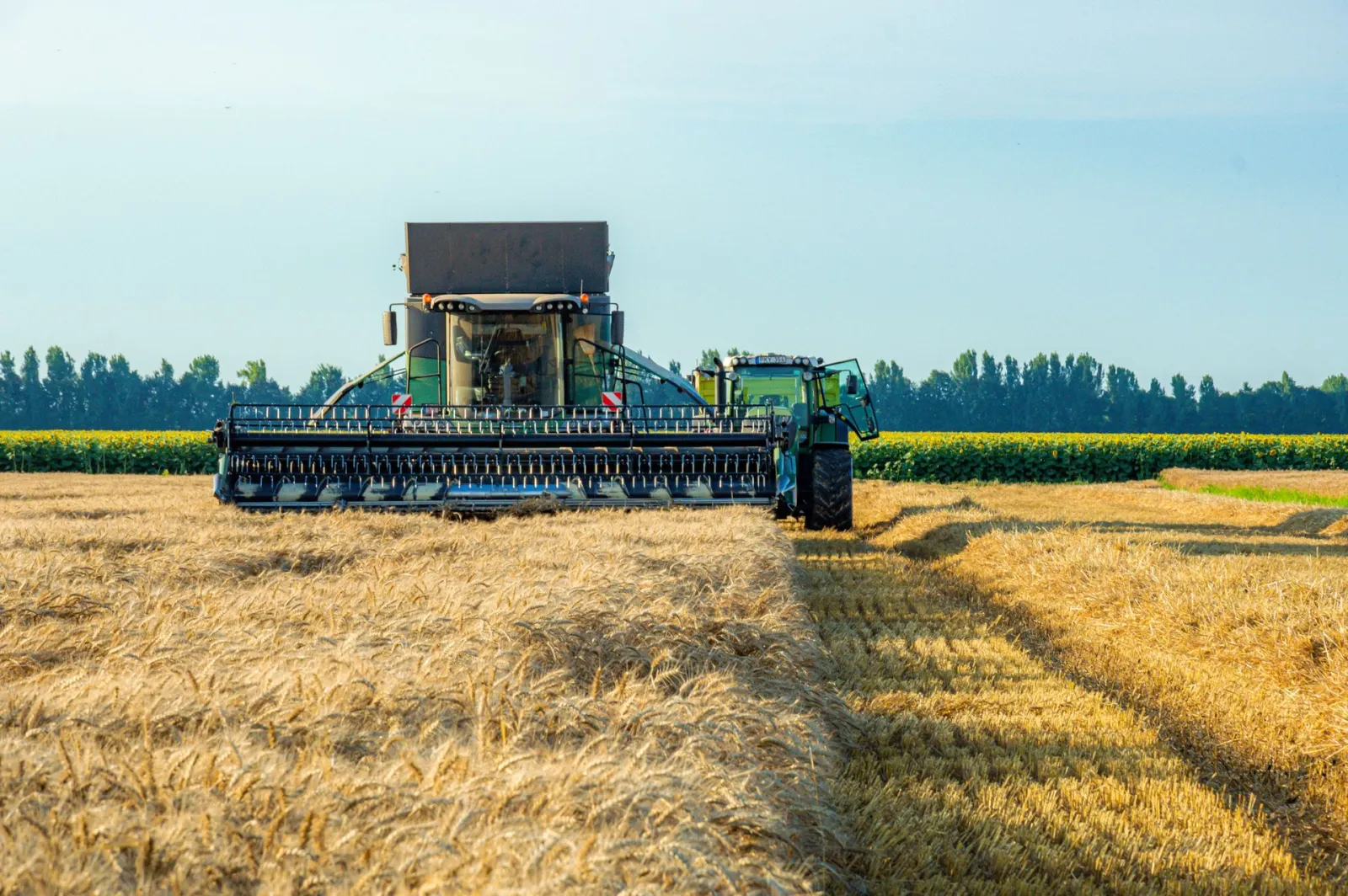
Food is abundant. So is money. Yet despite record production of industrial commodity crops, hunger remains widespread while billions of dollars flow to agribusiness corporations and their shareholders. Industrial agriculture doesn’t only fail to feed people — it imperils our future by driving climate emergency, biodiversity loss and ecosystem collapse.
Despite record production of crops like corn, soy and wheat, hunger remains widespread. Nearly 8% of people worldwide went hungry in 2025, including 1 in 5 people in Africa. At the same time, large-scale industrial agriculture is a leading cause of tropical deforestation and contributes to the loss of biodiversity, healthy soils and the natural systems needed to keep producing food.
This model also consumes a disproportionate share of resources. It may use as much as 70% of the world’s agricultural land and resources, yet it feeds less than 30% of the population. Food, Land & Money argues that these outcomes are not simply signs of a system that needs to become more efficient. They reflect a model built to produce agrifood commodities, biofuel feedstocks and nutrient poor junk foods with the end goal of generating profit and shareholder dividends rather than nourishing people and caring for the land.
Comments (0)