Journal articles
Food security amid the US Iran war: a food system analysis and a framework for coordinated multilevel action
This paper examines the food security consequences of the U.S-Iran conflict through a food system lens, tracing disruption pathways across six interconnected dimensions: food production, processing, distribution, retail, consumption, and the food environment.
Abstract
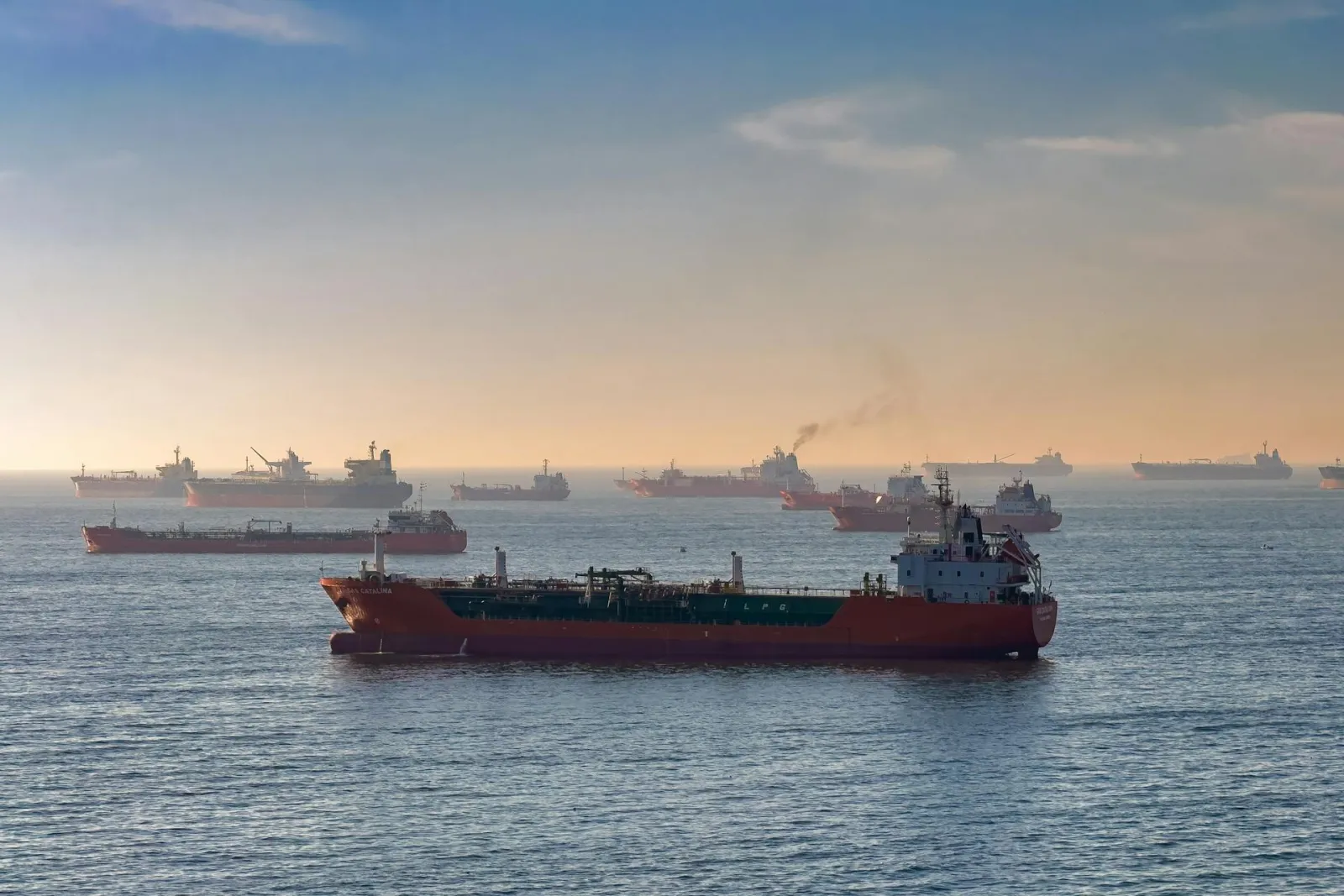
Geopolitical conflict in the Arabian Gulf carries profound implications for global food security that extend far beyond the immediate theatre of hostilities. The Strait of Hormuz, through which approximately 20% of global petroleum and one-fifth of liquefied natural gas trade transits daily, represents a critical chokepoint whose disruption simultaneously increases fertilizer costs, raises food processing and cold-chain operating costs, inflates maritime insurance premiums, triggers speculative commodity price spikes, erodes household purchasing power, and collapses physical and sociocultural food environments, particularly across the Middle East and North Africa (MENA) region. This perspective examines the food security consequences of the U.S-Iran conflict through a food system lens, tracing disruption pathways across six interconnected dimensions: food production, processing, distribution, retail, consumption, and the food environment. In addition, a multi-level framework for action is presented, spanning household food reserves and nutrition literacy, national strategic grain stocks and social protection systems, and international institutional reforms including expanded commodity market monitoring, binding disciplines on food export restrictions, and pre-positioned humanitarian reserves. In conclusion, this perspective highlights the main vulnerabilities of the food system amid the U.S.-Iran war and provides stakeholders with a multi-level action plan to mitigate the deleterious effects of this conflict on food security.
Comments (0)