Image Resources Our extensive research library contains thousands of summaries of journal articles, reports and news stories that can be searched by keyword and category RESOURCES CATEGORYBooksBriefing paperEvent recordingFeatured articlesFeatured reportGameJournal articlesNews and resourcesReportsThink pieceVideoWorking paperWorkshop summary YEAR201220132014201520162017201820192020202120222023202420252026 Image Resource The environmental impact of pets In a paper in PLOS One, researcher Gregory Okin suggests that the diets of carnivorous pets, like cats and dogs, have a significant impact on climate change. He estimates that in the U.S. alone, cats and dogs are responsible for 25-30 percent of the environmental impact of meat consumption in the country. In the U.S. there are 163 million cats and dogs, which together eat as much food as all the people in France. Okin found that to feed these animals the US releases 64 million tons of CO2. Read Image Resource Sustainable Food Futures: Multidisciplinary Solutions This book, edited by Jessica Duncan and Megan Bailey, includes chapters on a wide range of topics such as cultured meat, aquaculture, land rights and Arctic food security initiatives. Read Image Resource Workshop report and call for proposals on sustainable intensification of agricultural systems in sub-Saharan Africa The Sustainable Intensification Network (SIRN) has published a report based on a workshop they co-organised in Kenya in March 2017. The purpose of the workshop was to help inform potential future funding opportunities from the Global Challenges Research Fund (GCRF) for collaborative research between UK and African scientists, with the objectives of: Read Image Resource Summary report from conference on sequestering carbon in soil Breakthrough Strategies & Solutions has released a report based on their conference ‘Sequestering Carbon in Soil: Addressing the Climate Threat’ held in May 2017. Read Image Resource Substituting beans for beef can contribute towards US climate change targets This study by FCRN member Helen Harwatt and colleagues seeks to determine whether simple dietary changes can make a meaningful contribution to greenhouse gas (GHG) mitigation efforts, by considering a very simple example of US consumers substituting beans for beef in their diets. The study uses available life cycle assessment (LCA; see Chapter 2 of foodsource) data to predict the change in GHG emissions that would be associated with a substitution of beans for beef (substitution on the basis of calories, and on the basis of protein content). They place these projected changes in the context of US 2020 GHG reduction targets. Read Image Resource Maple Leaf Foods expresses aspiration to be the most sustainable protein company on Earth Maple Leaf Foods, one of Canada’s largest food manufacturers, has declared that it wants to become “the most sustainable protein company on earth”. With aims to improve nutrition, environmental sustainability, animal care and corporate responsibility, CEO Michael M. McCain released a statement saying that “Our food system has drifted from its roots, to nourish wellbeing, to farm sustainably, to view food as a universal good for all. We must serve the world better.” Read Image Resource GM salmon hits the shelves in Canada After a 25 year wait for approval, approximately five tons of genetically modified (GM) salmon have been sold in Canada in the last few months. The fish, which contains genes from Chinook salmon and ocean pout, can grow twice as fast as an Atlantic salmon and requires 75% less feed to grow to the same size. These changes can ultimately reduce the carbon footprint of each genetically modified salmon by up to 25 times, the company claims. Read Image Resource Water, Energy & Food Sustainability in the Middle East This book contains six chapters on food security and sustainability in the Middle East. The book can be purchased in its entirety or by chapter online. Read Image Resource Eating Better report on policies to support better UK meat and dairy production post-Brexit Eating Better, an alliance of British organisations working together to help people move towards eating less meat and dairy, has published a policy report entitled ‘Beyond the CAP: policies to support better UK meat and dairy production post-Brexit’. Read VIEW MORE
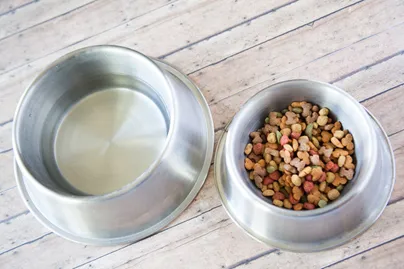
Image Resource The environmental impact of pets In a paper in PLOS One, researcher Gregory Okin suggests that the diets of carnivorous pets, like cats and dogs, have a significant impact on climate change. He estimates that in the U.S. alone, cats and dogs are responsible for 25-30 percent of the environmental impact of meat consumption in the country. In the U.S. there are 163 million cats and dogs, which together eat as much food as all the people in France. Okin found that to feed these animals the US releases 64 million tons of CO2. Read
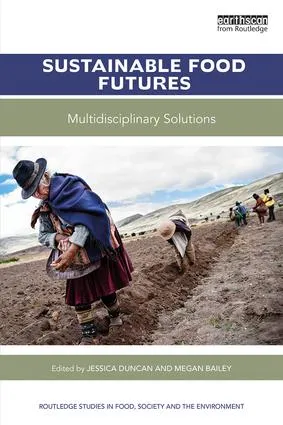
Image Resource Sustainable Food Futures: Multidisciplinary Solutions This book, edited by Jessica Duncan and Megan Bailey, includes chapters on a wide range of topics such as cultured meat, aquaculture, land rights and Arctic food security initiatives. Read
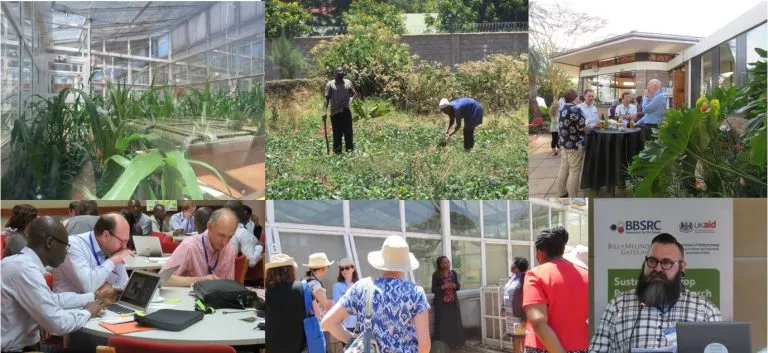
Image Resource Workshop report and call for proposals on sustainable intensification of agricultural systems in sub-Saharan Africa The Sustainable Intensification Network (SIRN) has published a report based on a workshop they co-organised in Kenya in March 2017. The purpose of the workshop was to help inform potential future funding opportunities from the Global Challenges Research Fund (GCRF) for collaborative research between UK and African scientists, with the objectives of: Read
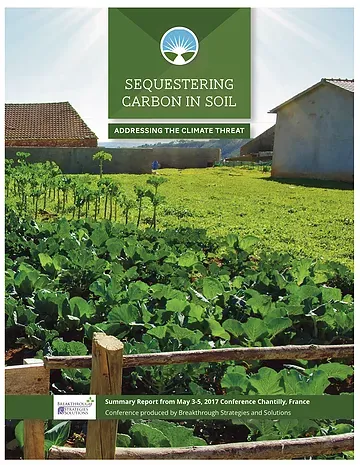
Image Resource Summary report from conference on sequestering carbon in soil Breakthrough Strategies & Solutions has released a report based on their conference ‘Sequestering Carbon in Soil: Addressing the Climate Threat’ held in May 2017. Read
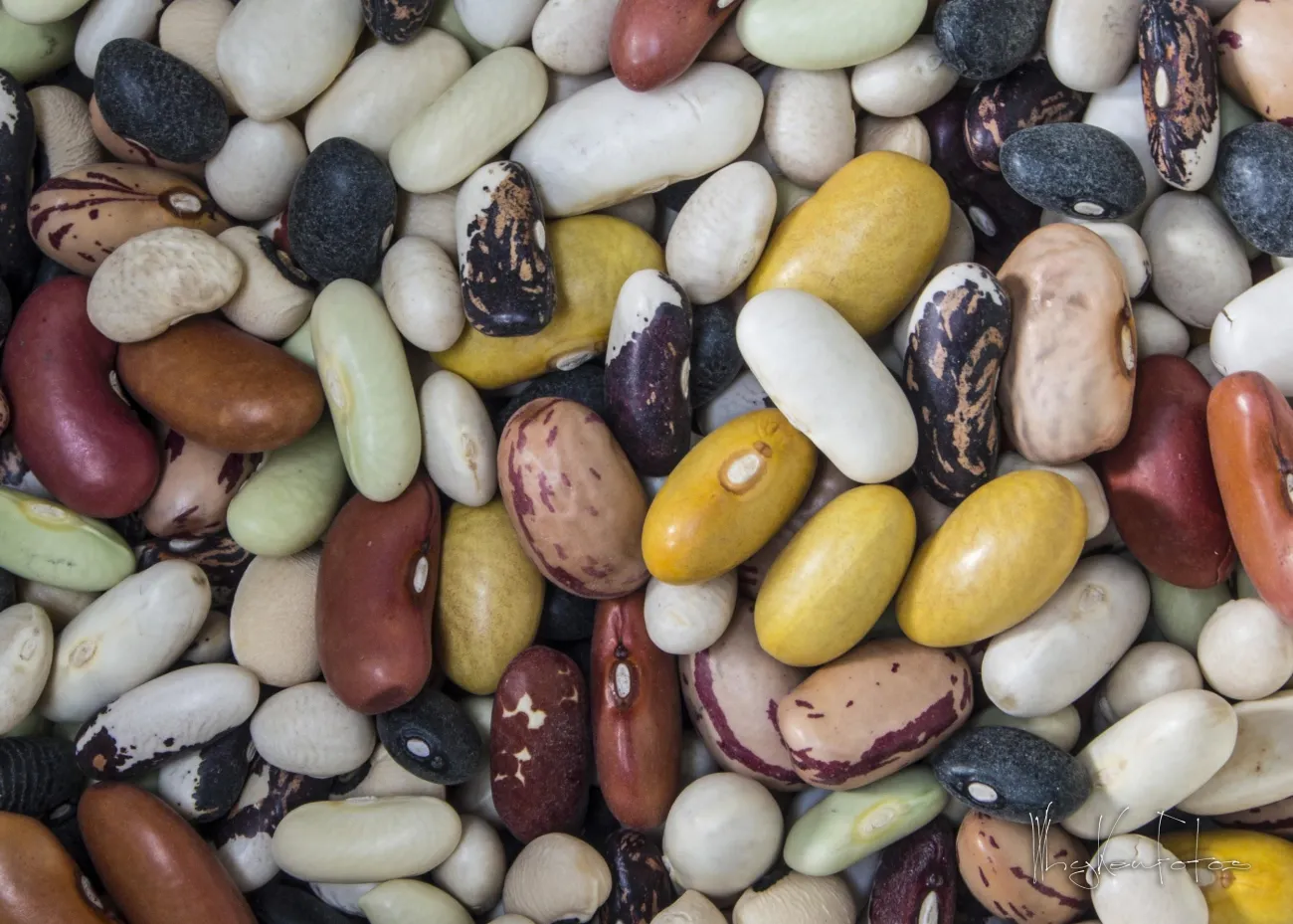
Image Resource Substituting beans for beef can contribute towards US climate change targets This study by FCRN member Helen Harwatt and colleagues seeks to determine whether simple dietary changes can make a meaningful contribution to greenhouse gas (GHG) mitigation efforts, by considering a very simple example of US consumers substituting beans for beef in their diets. The study uses available life cycle assessment (LCA; see Chapter 2 of foodsource) data to predict the change in GHG emissions that would be associated with a substitution of beans for beef (substitution on the basis of calories, and on the basis of protein content). They place these projected changes in the context of US 2020 GHG reduction targets. Read
Image Resource Maple Leaf Foods expresses aspiration to be the most sustainable protein company on Earth Maple Leaf Foods, one of Canada’s largest food manufacturers, has declared that it wants to become “the most sustainable protein company on earth”. With aims to improve nutrition, environmental sustainability, animal care and corporate responsibility, CEO Michael M. McCain released a statement saying that “Our food system has drifted from its roots, to nourish wellbeing, to farm sustainably, to view food as a universal good for all. We must serve the world better.” Read
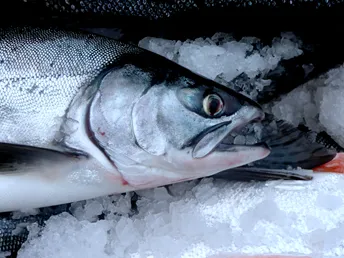
Image Resource GM salmon hits the shelves in Canada After a 25 year wait for approval, approximately five tons of genetically modified (GM) salmon have been sold in Canada in the last few months. The fish, which contains genes from Chinook salmon and ocean pout, can grow twice as fast as an Atlantic salmon and requires 75% less feed to grow to the same size. These changes can ultimately reduce the carbon footprint of each genetically modified salmon by up to 25 times, the company claims. Read
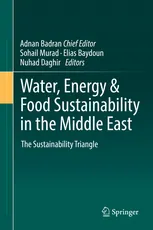
Image Resource Water, Energy & Food Sustainability in the Middle East This book contains six chapters on food security and sustainability in the Middle East. The book can be purchased in its entirety or by chapter online. Read
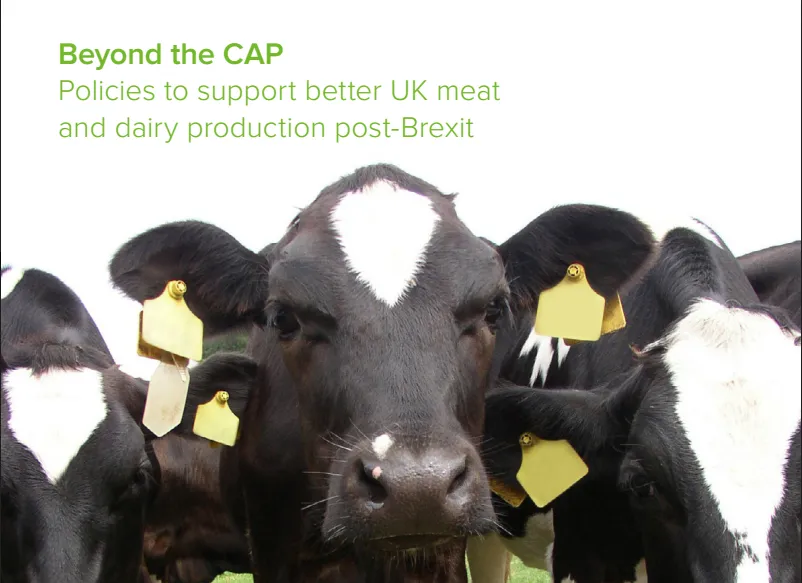
Image Resource Eating Better report on policies to support better UK meat and dairy production post-Brexit Eating Better, an alliance of British organisations working together to help people move towards eating less meat and dairy, has published a policy report entitled ‘Beyond the CAP: policies to support better UK meat and dairy production post-Brexit’. Read