Image Resources Our extensive research library contains thousands of summaries of journal articles, reports and news stories that can be searched by keyword and category RESOURCES CATEGORYBooksBriefing paperEvent recordingFeatured articlesFeatured reportGameJournal articlesNews and resourcesReportsThink pieceVideoWorking paperWorkshop summary YEAR201220132014201520162017201820192020202120222023202420252026 Image Resource News: WHO launches health review after microplastics found in 90% of bottled water A report (PDF link) tested bottled water in nine different countries and found that 242 out of 259 bottles contained small pieces of plastic. The report suggests that at least some of the plastic particles may be coming from the packaging or the bottling process. Read Image Resource News: UK farmers to be given first ever targets on soil health UK farmers may be given targets to reverse soil damage and restore soil health by 2030, as part of an agricultural bill to be brought before parliament later this year. Read Image Resource Book: Everyday lifestyles and sustainability: The environmental impact of doing the same things differently This book, edited by Fabricio Chicca, Brenda Vale and Robert Vale, calculates the environmental impacts of lifestyles around the world. FCRN readers may be particularly interested in Chapter 10, which looks at food. Read Image Resource Book: Food Policy in the United States: An Introduction, 2nd Edition This book by Parke Wilde gives updated information on food policy in the United States. The second edition includes more detail on food justice and economic methods. Read Image Resource Report: Study on the environmental impact of palm oil consumption and on existing sustainability standards A report from the European Commission Directorate-General for the Environment reviews environmental, social and economic aspects of palm oil production and consumption, and evaluates existing palm oil sustainability initiatives. Read Image Resource Report: A good life and a good death - re-localising farm animal slaughter This report from the UK NGO Sustainable Food Trust shows that one in three small abattoirs in the UK have closed in the last decade, which could mean that marketing locally-produced, traceable meat will not be possible in some areas. Read Image Resource Pesticides could be much more toxic than previously thought, thanks to adjuvants This article examines the toxicity of ‘adjuvants’ in pesticides. Commercial pesticide formulations contain the active ingredient and various other chemicals - adjuvants - such as surfactants, antifoaming agents, preservatives, solvents and dyes. Adjuvants are generally neglected by health risk assessments of pesticides in the United States and the European Union. This paper uses the examples of glyphosate and neonicotinoids to illustrate that adjuvants can result in pesticides being significantly more toxic than the active ingredient alone. The paper calls for changes in regulation. Read Image Resource Pursuing a low meat diet to improve both health and sustainability: How can we use the frames that shape our meals? In this paper, the authors conducted a review of numerous studies to examine the content, advantages and limitations of a frame-based approach to assist consumers in reducing their intake of conventional meat (e.g. eating less meat or different meat, such as organic or certified for animal welfare or environmental impact). Particularly, they want to evaluate whether behaviour can be shifted by creating new frames and to identify frames that can bridge a transition by highlighting ‘push’ factors away from routine meat eating, or ‘pull’ factors towards encouraging the consumption of alternatives. Read Image Resource Video recording: Reinventing the plastic bottle You can view the full video recording of the panel talk “Reinventing the plastic bottle” which was hosted by the Hoffmann Centre for Sustainable Resource Economy at Chatham House. Speakers discussed problems created by single-use plastic bottles and some possible solutions. Read VIEW MORE
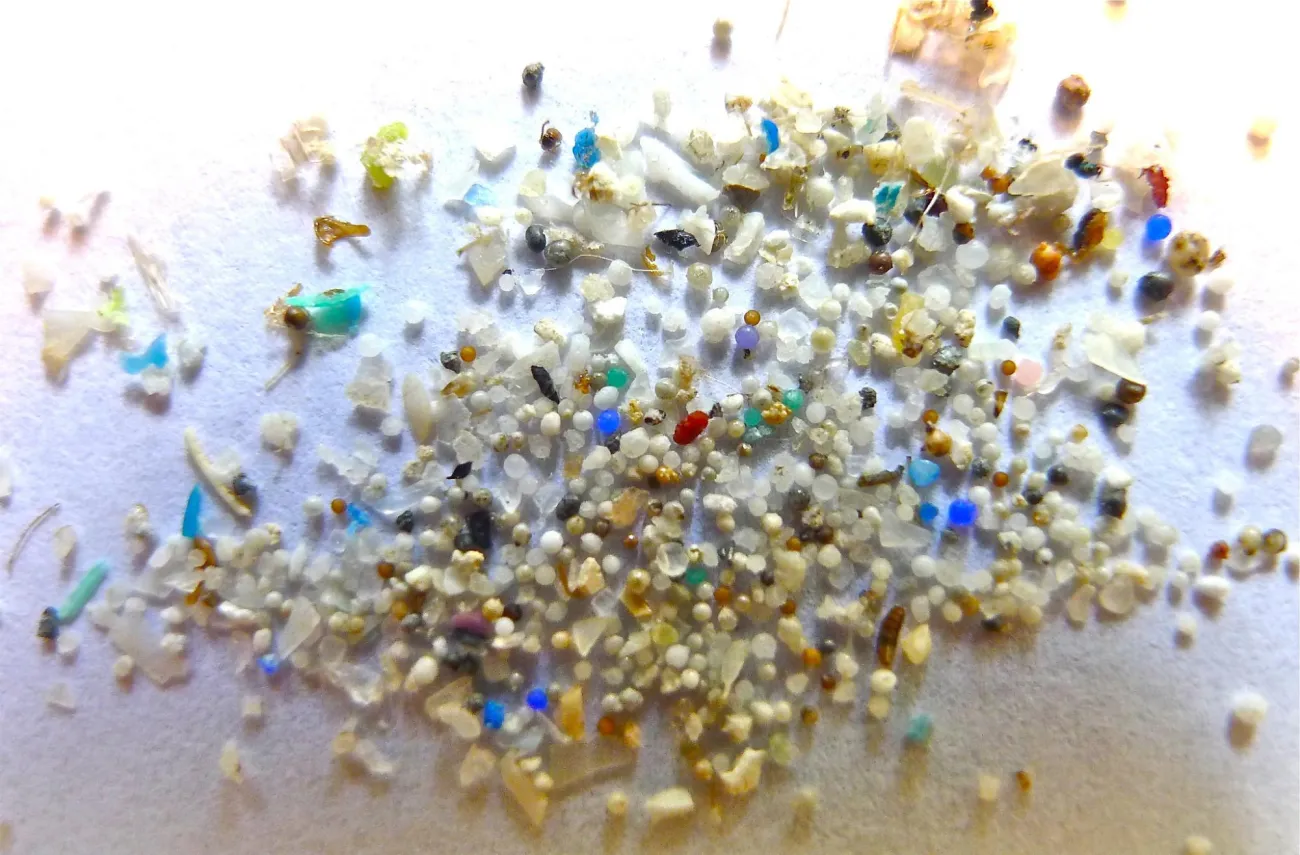
Image Resource News: WHO launches health review after microplastics found in 90% of bottled water A report (PDF link) tested bottled water in nine different countries and found that 242 out of 259 bottles contained small pieces of plastic. The report suggests that at least some of the plastic particles may be coming from the packaging or the bottling process. Read
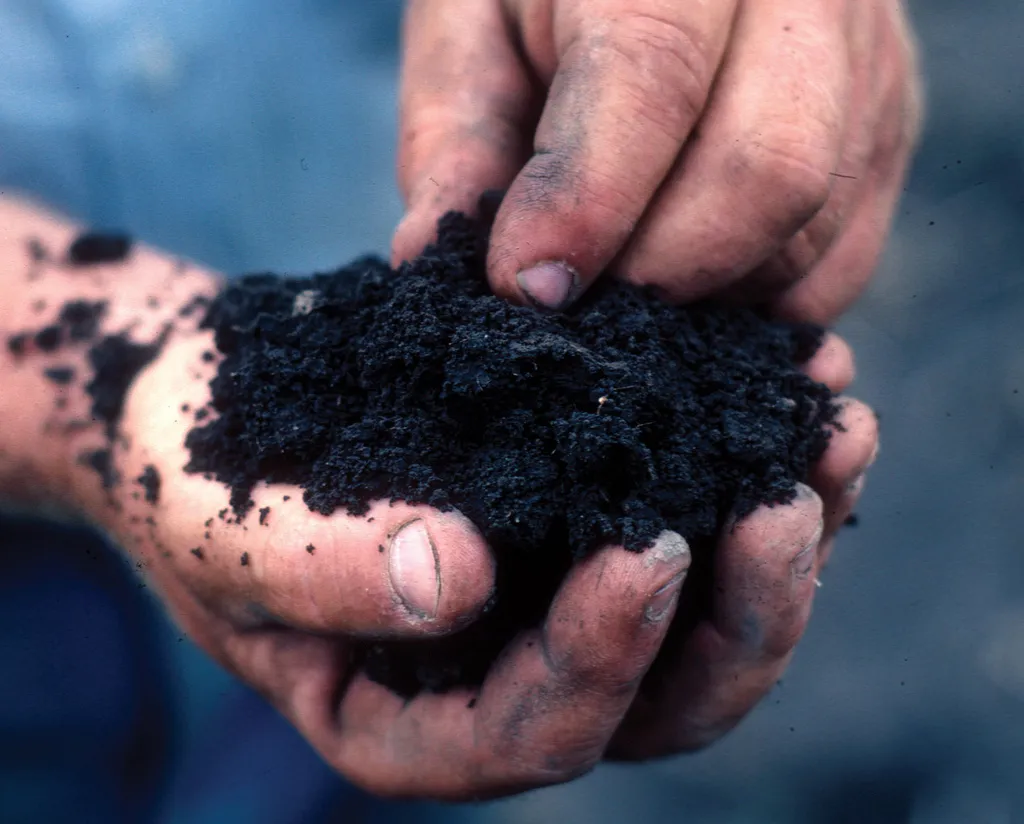
Image Resource News: UK farmers to be given first ever targets on soil health UK farmers may be given targets to reverse soil damage and restore soil health by 2030, as part of an agricultural bill to be brought before parliament later this year. Read
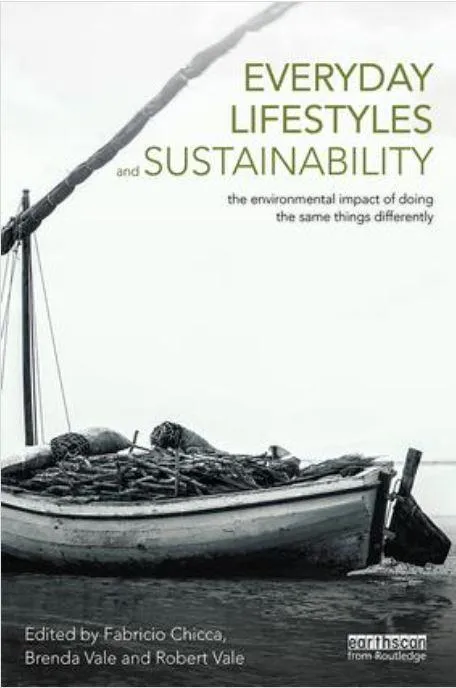
Image Resource Book: Everyday lifestyles and sustainability: The environmental impact of doing the same things differently This book, edited by Fabricio Chicca, Brenda Vale and Robert Vale, calculates the environmental impacts of lifestyles around the world. FCRN readers may be particularly interested in Chapter 10, which looks at food. Read
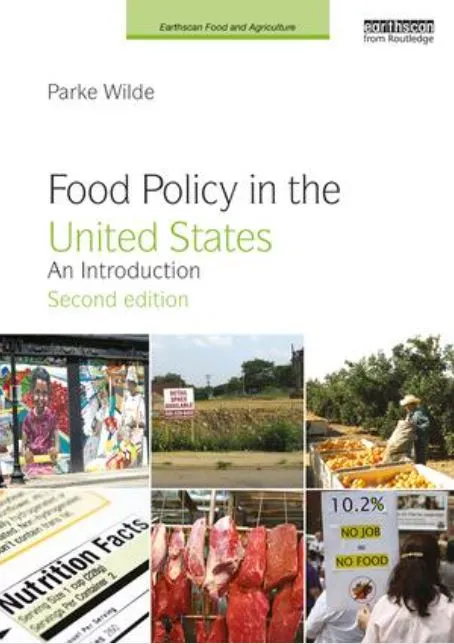
Image Resource Book: Food Policy in the United States: An Introduction, 2nd Edition This book by Parke Wilde gives updated information on food policy in the United States. The second edition includes more detail on food justice and economic methods. Read
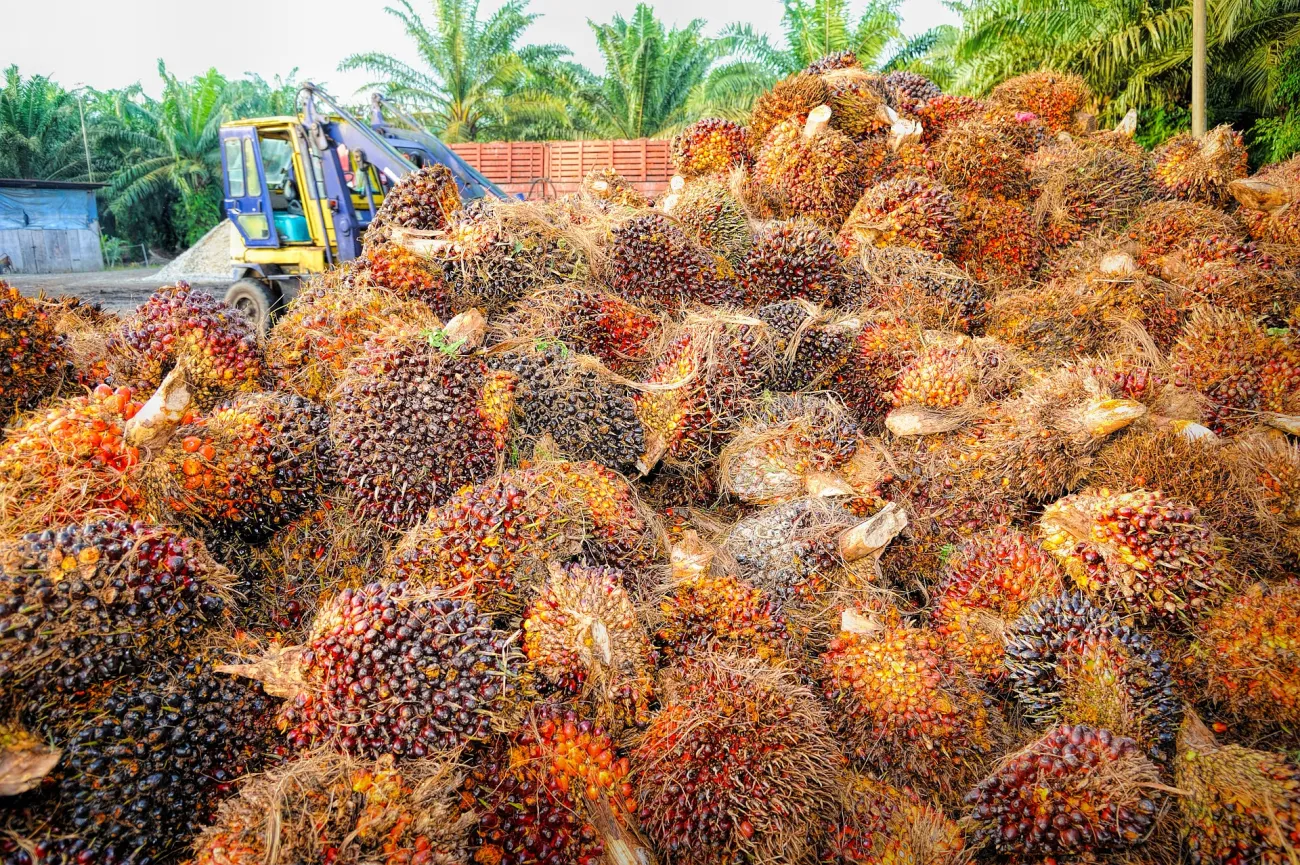
Image Resource Report: Study on the environmental impact of palm oil consumption and on existing sustainability standards A report from the European Commission Directorate-General for the Environment reviews environmental, social and economic aspects of palm oil production and consumption, and evaluates existing palm oil sustainability initiatives. Read
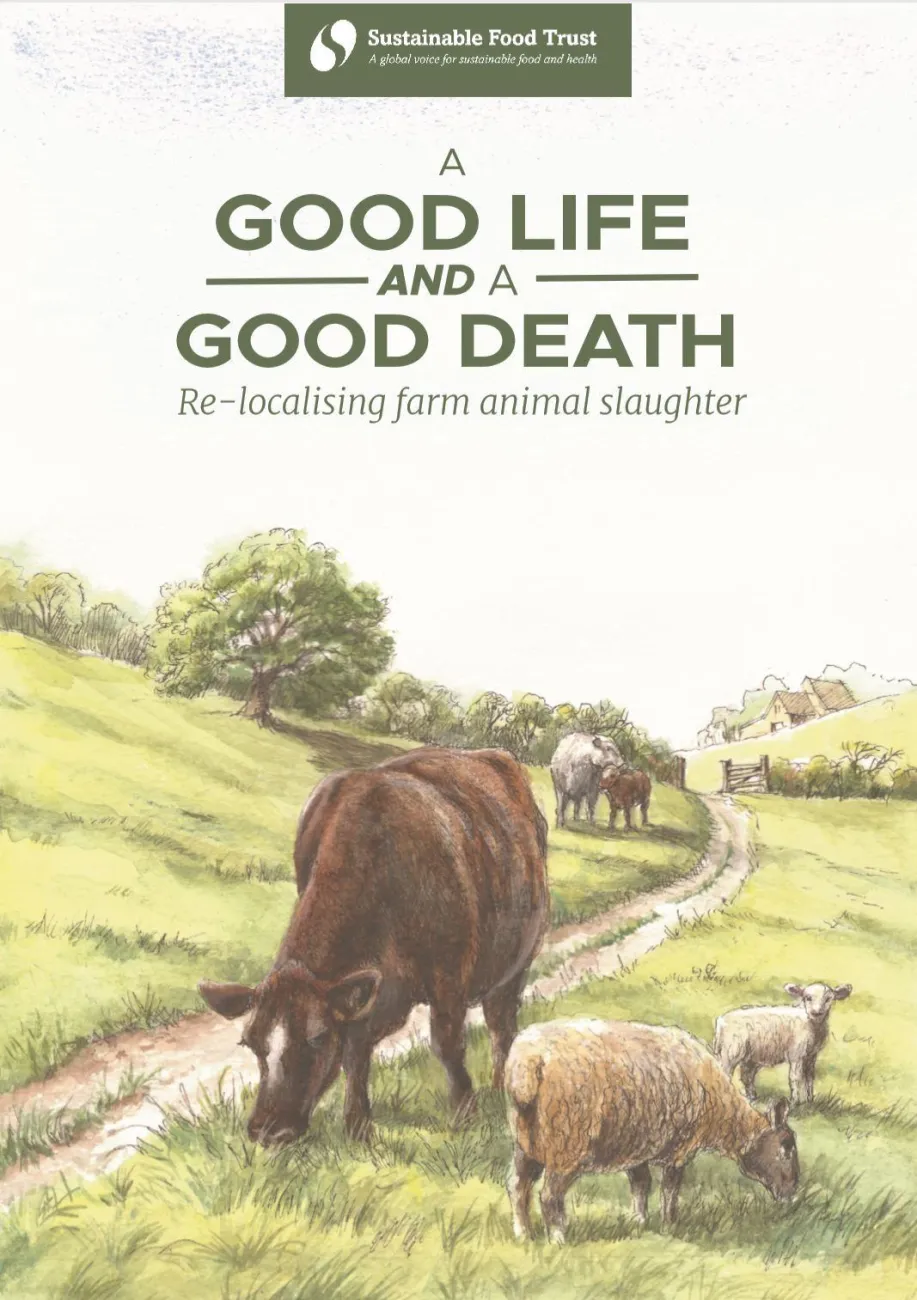
Image Resource Report: A good life and a good death - re-localising farm animal slaughter This report from the UK NGO Sustainable Food Trust shows that one in three small abattoirs in the UK have closed in the last decade, which could mean that marketing locally-produced, traceable meat will not be possible in some areas. Read
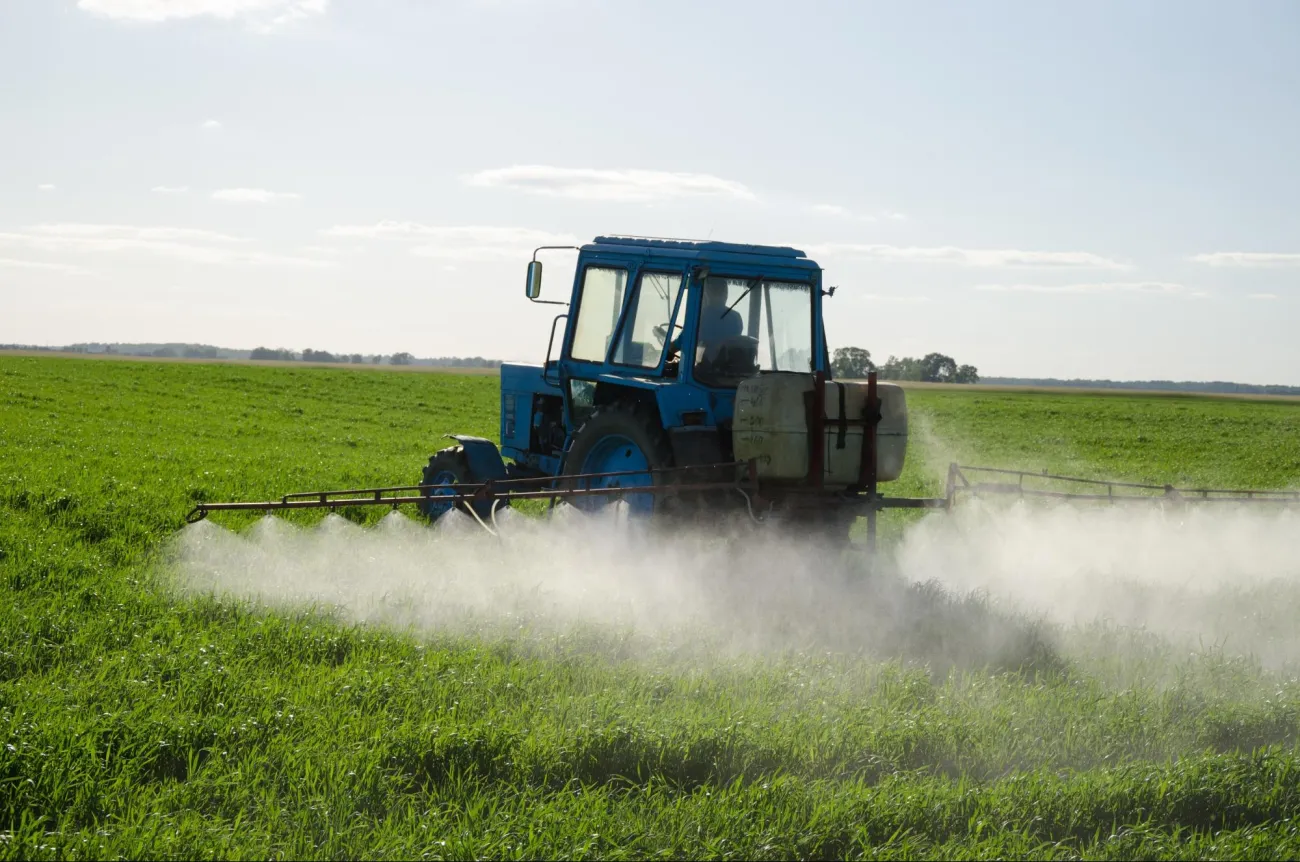
Image Resource Pesticides could be much more toxic than previously thought, thanks to adjuvants This article examines the toxicity of ‘adjuvants’ in pesticides. Commercial pesticide formulations contain the active ingredient and various other chemicals - adjuvants - such as surfactants, antifoaming agents, preservatives, solvents and dyes. Adjuvants are generally neglected by health risk assessments of pesticides in the United States and the European Union. This paper uses the examples of glyphosate and neonicotinoids to illustrate that adjuvants can result in pesticides being significantly more toxic than the active ingredient alone. The paper calls for changes in regulation. Read
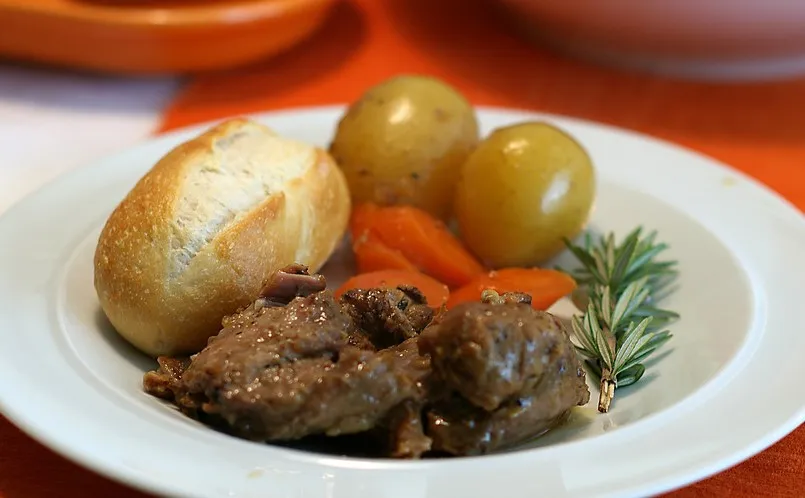
Image Resource Pursuing a low meat diet to improve both health and sustainability: How can we use the frames that shape our meals? In this paper, the authors conducted a review of numerous studies to examine the content, advantages and limitations of a frame-based approach to assist consumers in reducing their intake of conventional meat (e.g. eating less meat or different meat, such as organic or certified for animal welfare or environmental impact). Particularly, they want to evaluate whether behaviour can be shifted by creating new frames and to identify frames that can bridge a transition by highlighting ‘push’ factors away from routine meat eating, or ‘pull’ factors towards encouraging the consumption of alternatives. Read
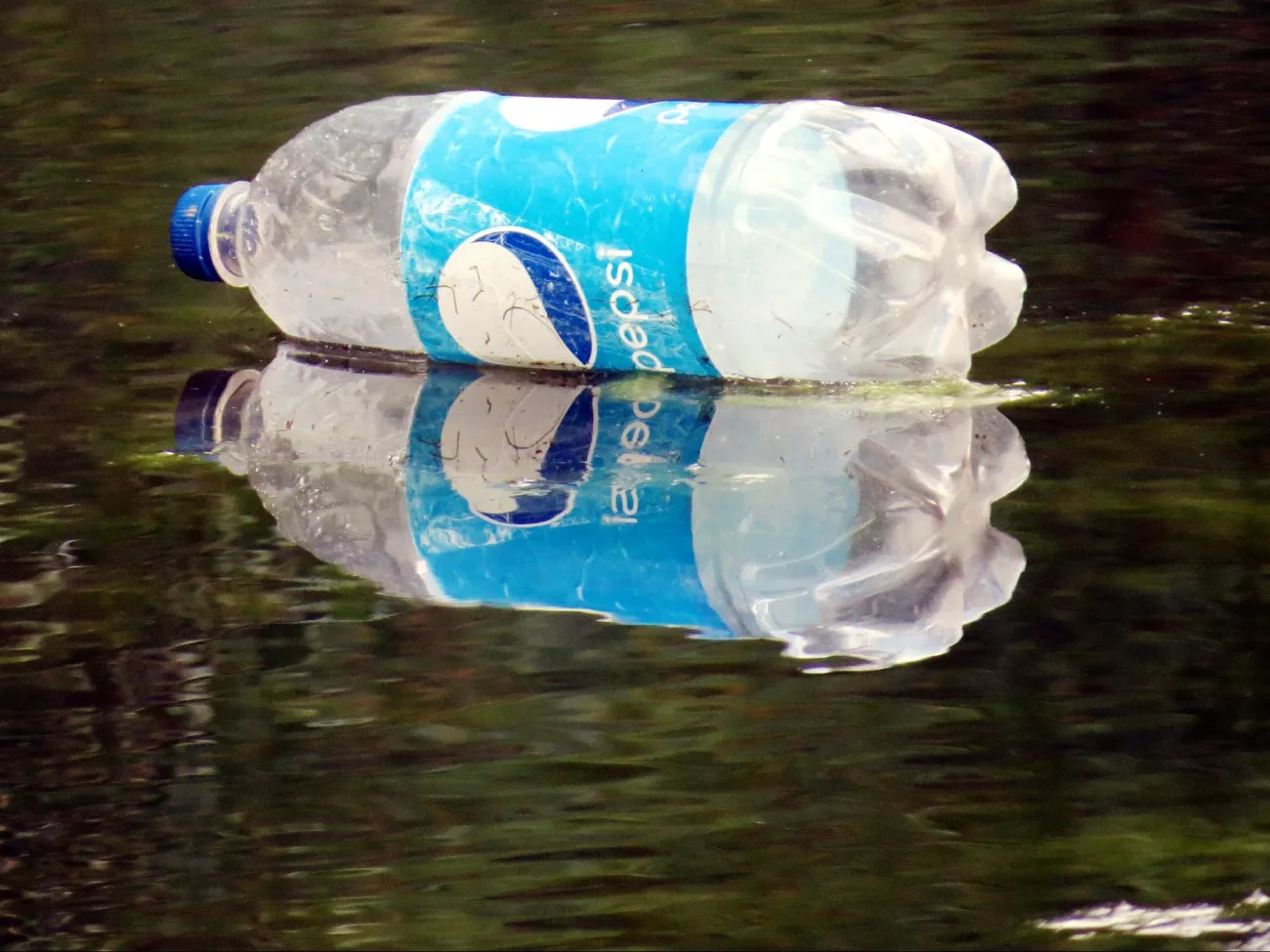
Image Resource Video recording: Reinventing the plastic bottle You can view the full video recording of the panel talk “Reinventing the plastic bottle” which was hosted by the Hoffmann Centre for Sustainable Resource Economy at Chatham House. Speakers discussed problems created by single-use plastic bottles and some possible solutions. Read