Image Resources Our extensive research library contains thousands of summaries of journal articles, reports and news stories that can be searched by keyword and category RESOURCES CATEGORYBooksBriefing paperEvent recordingFeatured articlesFeatured reportGameJournal articlesNews and resourcesReportsThink pieceVideoWorking paperWorkshop summary YEAR201220132014201520162017201820192020202120222023202420252026 Image News and resources CO2 shortage still affecting European food and drink supply chain Disruptions to supplies of food-grade CO2 in Europe are causing shortages of carbonated drinks, meat and crumpets, and could threaten animal welfare. Gasworld explains that several European CO2 plants have prolonged their periods of maintenance downtime due to low CO2 prices (read more here). Read Image Books EU farmers' cooperatives and sustainable food systems This book, by Raquel Ajates Gonzalez, uses a multidisciplinary approach to study the contribution of farmers’ cooperatives in the European Union towards sustainable food systems. Read Image Reports Trase Yearbook: Deforestation linked to Brazilian soy exports Trase - a partnership between the Stockholm Environment Institute and Global Canopy - has released the Trase Yearbook 2018, which presents the latest insights on the sustainability of global agricultural commodity supply chains associated with tropical deforestation: the focus this year is on soy. The Trase Yearbook highlights how just six companies account for 57% of Brazilian soy exports. Taken together, the supply chains of these six traders are associated with two-thirds of the total deforestation risk directly linked to soy expansion, the majority of it in the Cerrado, one of the world’s most biodiverse savannahs. Read Image Reports Language to increase consumption of plant-based foods The Better Buying Lab at the World Resources Institute has published a summary of two workshops. The workshops, which brought together over 50 people from the academic community and the food industry, identified research questions on how to increase consumption of plant-based foods by changing the language used to describe it. Read Image Journal articles Nanotechnology applications in agriculture FCRN member Waleed Fouad Abobatta of the Agriculture Research Centre, Egypt, has published a paper on the applications of nanotechnology in agriculture. FCRN readers may be particularly interested in the use of nanotechnology to reduce use of fertilisers and pesticides through greater application efficiency. Read Image Journal articles People care less for animals if threatened by vegetarianism A study has found that people who view vegetarianism as a threat to their way of life, and those who believe in human supremacy over animals, are likely to have fewer animal species that they view as worthy of moral consideration (compared to people who do not see vegetarianism as a threat or who do not believe in human supremacy over animals). Moral attitudes varied strongly towards different animal species, for example, 90% of participants a felt moral obligation to care for the welfare of dogs, compared to 51% who felt the same obligation for pigs. Read Image Journal articles New way to evaluate short-lived greenhouse gas emissions A paper proposes a new method for evaluating the climate impact of short-lived greenhouse gases (GHGs) such as methane. Different GHGs are currently assessed on the basis of global warming potential (GWP), calculated as carbon dioxide equivalent, usually over a 100 year time horizon. The paper authors say that this misrepresents the impact of short-lived GHGs, because they have stronger climate impacts shortly after being released and lower impacts after being in the atmosphere for some time. Read Image Journal articles Social-ecological outcomes of agricultural intensification A new paper reviews evidence on agricultural intensification in low- and middle-income countries and concludes that intensification rarely leads to both environmental and social benefits. Only 17% of the case studies were found to have win-win outcomes. The paper finds that the two outcome categories most frequently reported in the literature are food production and income, and that these outcomes are the most likely to be positive (at 52% and 68%, respectively). Other outcomes, such as for various ecosystems service indicators, are less frequently reported and are less likely to have positive outcomes. Read Image Journal articles Livestock could eat protein-rich microbes A new paper has estimated the economic and environmental potential of feeding livestock with industrially-fermented microbes such as bacteria, yeast, fungi and algae instead of crop-based feed. The study finds that microbial protein could replace 10-19% of crop-based animal feed protein, with decreases in land use, climate impact and nitrogen pollution. Read VIEW MORE
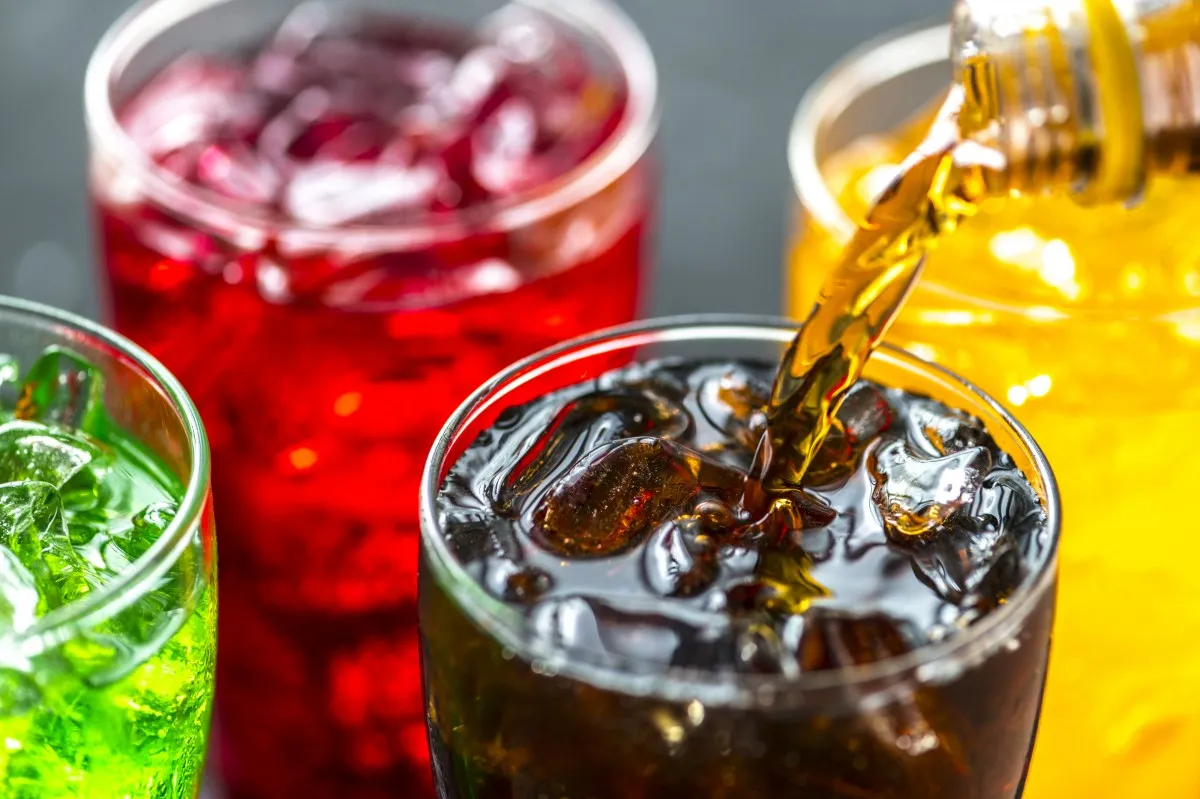
Image News and resources CO2 shortage still affecting European food and drink supply chain Disruptions to supplies of food-grade CO2 in Europe are causing shortages of carbonated drinks, meat and crumpets, and could threaten animal welfare. Gasworld explains that several European CO2 plants have prolonged their periods of maintenance downtime due to low CO2 prices (read more here). Read
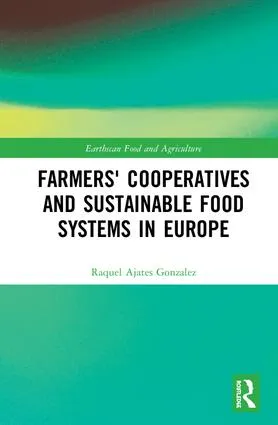
Image Books EU farmers' cooperatives and sustainable food systems This book, by Raquel Ajates Gonzalez, uses a multidisciplinary approach to study the contribution of farmers’ cooperatives in the European Union towards sustainable food systems. Read
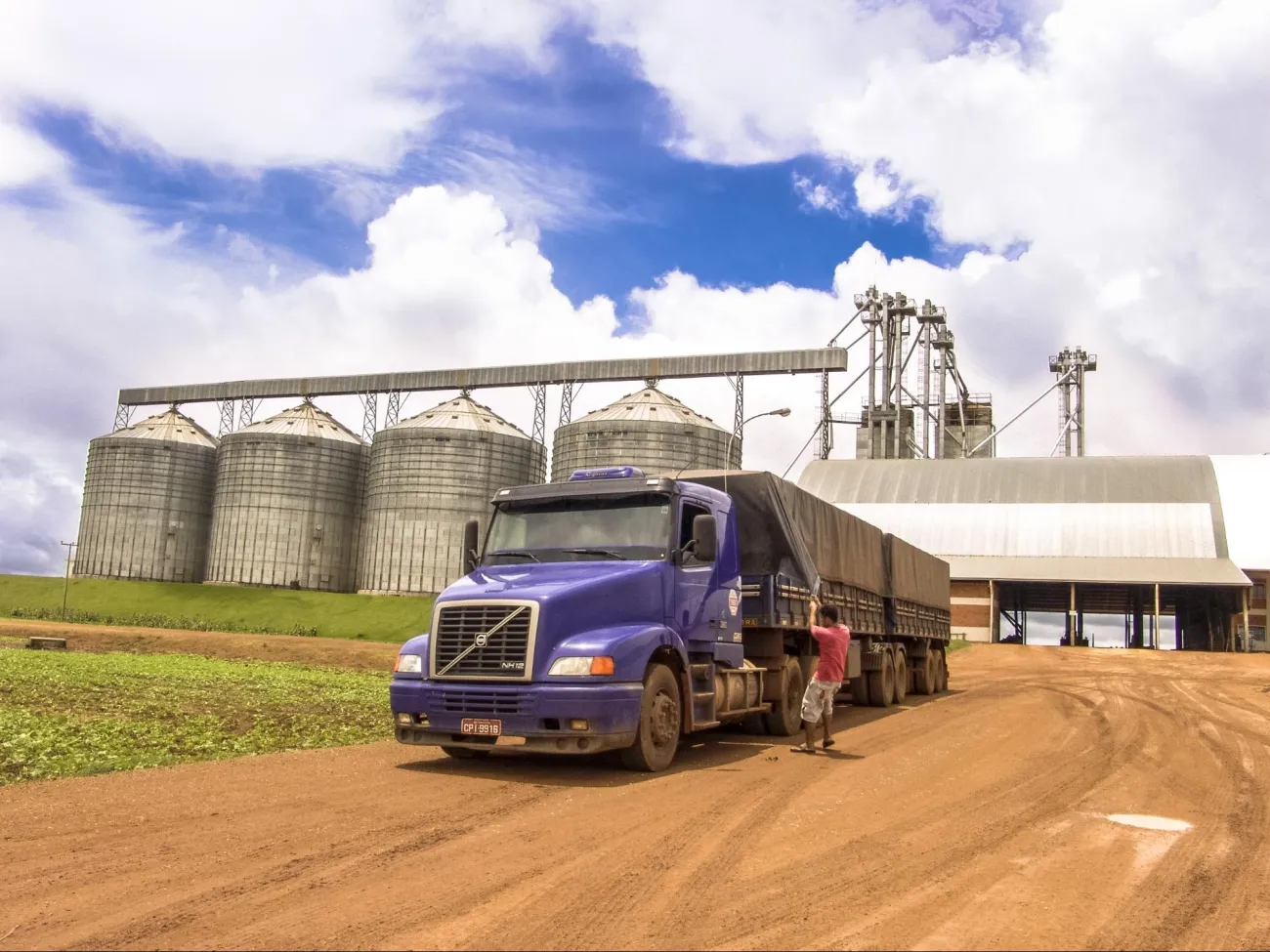
Image Reports Trase Yearbook: Deforestation linked to Brazilian soy exports Trase - a partnership between the Stockholm Environment Institute and Global Canopy - has released the Trase Yearbook 2018, which presents the latest insights on the sustainability of global agricultural commodity supply chains associated with tropical deforestation: the focus this year is on soy. The Trase Yearbook highlights how just six companies account for 57% of Brazilian soy exports. Taken together, the supply chains of these six traders are associated with two-thirds of the total deforestation risk directly linked to soy expansion, the majority of it in the Cerrado, one of the world’s most biodiverse savannahs. Read
Image Reports Language to increase consumption of plant-based foods The Better Buying Lab at the World Resources Institute has published a summary of two workshops. The workshops, which brought together over 50 people from the academic community and the food industry, identified research questions on how to increase consumption of plant-based foods by changing the language used to describe it. Read
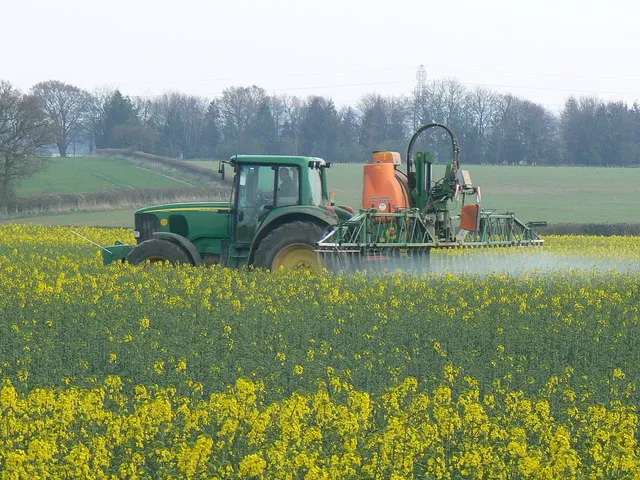
Image Journal articles Nanotechnology applications in agriculture FCRN member Waleed Fouad Abobatta of the Agriculture Research Centre, Egypt, has published a paper on the applications of nanotechnology in agriculture. FCRN readers may be particularly interested in the use of nanotechnology to reduce use of fertilisers and pesticides through greater application efficiency. Read
Image Journal articles People care less for animals if threatened by vegetarianism A study has found that people who view vegetarianism as a threat to their way of life, and those who believe in human supremacy over animals, are likely to have fewer animal species that they view as worthy of moral consideration (compared to people who do not see vegetarianism as a threat or who do not believe in human supremacy over animals). Moral attitudes varied strongly towards different animal species, for example, 90% of participants a felt moral obligation to care for the welfare of dogs, compared to 51% who felt the same obligation for pigs. Read
Image Journal articles New way to evaluate short-lived greenhouse gas emissions A paper proposes a new method for evaluating the climate impact of short-lived greenhouse gases (GHGs) such as methane. Different GHGs are currently assessed on the basis of global warming potential (GWP), calculated as carbon dioxide equivalent, usually over a 100 year time horizon. The paper authors say that this misrepresents the impact of short-lived GHGs, because they have stronger climate impacts shortly after being released and lower impacts after being in the atmosphere for some time. Read
Image Journal articles Social-ecological outcomes of agricultural intensification A new paper reviews evidence on agricultural intensification in low- and middle-income countries and concludes that intensification rarely leads to both environmental and social benefits. Only 17% of the case studies were found to have win-win outcomes. The paper finds that the two outcome categories most frequently reported in the literature are food production and income, and that these outcomes are the most likely to be positive (at 52% and 68%, respectively). Other outcomes, such as for various ecosystems service indicators, are less frequently reported and are less likely to have positive outcomes. Read
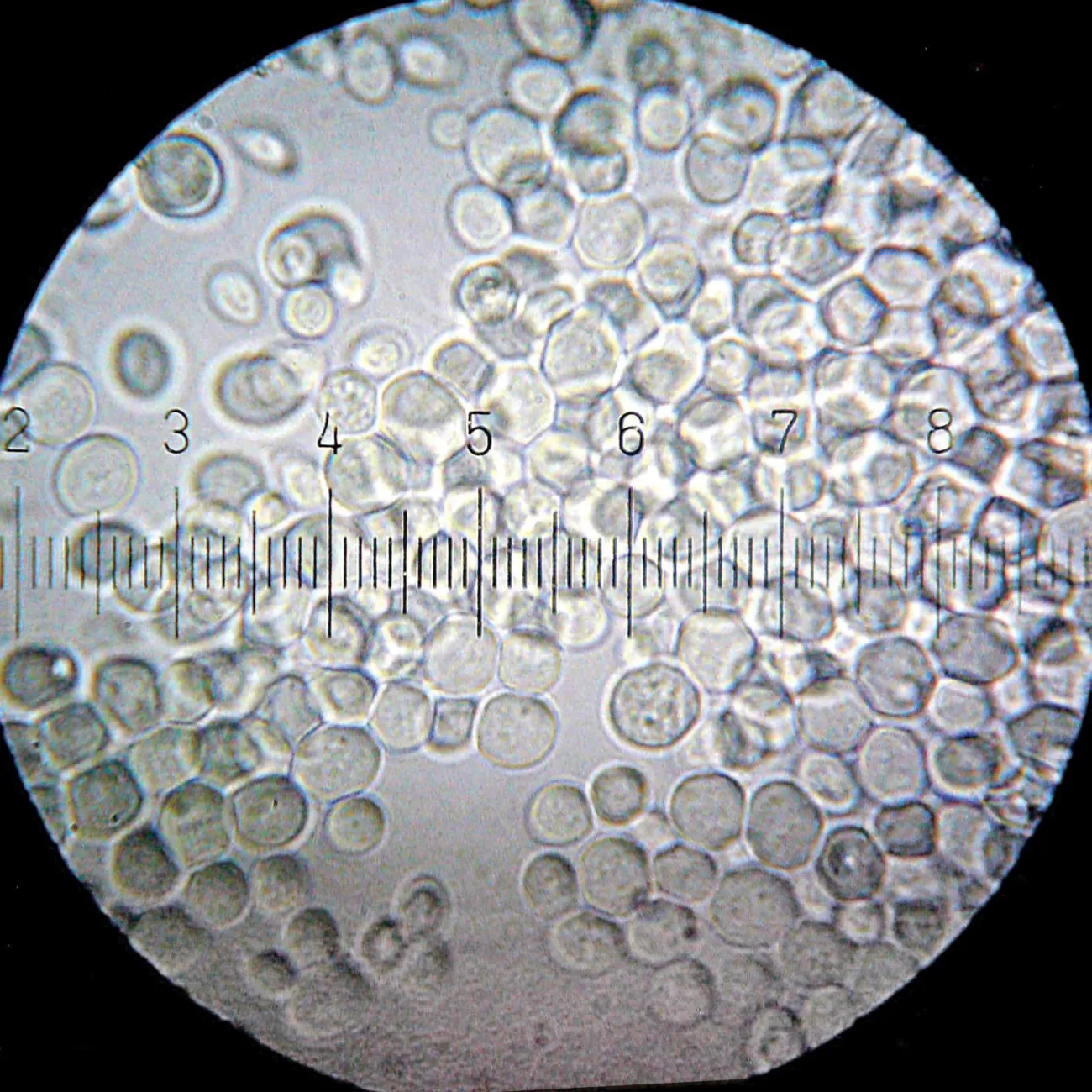
Image Journal articles Livestock could eat protein-rich microbes A new paper has estimated the economic and environmental potential of feeding livestock with industrially-fermented microbes such as bacteria, yeast, fungi and algae instead of crop-based feed. The study finds that microbial protein could replace 10-19% of crop-based animal feed protein, with decreases in land use, climate impact and nitrogen pollution. Read