Image Resources Our extensive research library contains thousands of summaries of journal articles, reports and news stories that can be searched by keyword and category RESOURCES CATEGORY Books Briefing paper Event recording Featured articles Featured report Game Journal articles News and resources Reports Think piece Video Working paper Workshop summary Year 2026 2025 2024 2023 2022 2021 2020 2019 2018 2017 2016 2015 2014 2013 2012 2011 2010 2009 2008 2007 2002 2001 Image Journal articles Options for keeping the food system within environmental limits A combination of measures including a shift towards plant-based diets, halving food waste and technological changes in agriculture (such as more efficient fertiliser application, feed additives and changes in irrigation) could significantly reduce the food system’s environmental impacts relative to 2050 projections and potentially even reduce impacts below today’s levels, according to a new paper. Read Image News and resources Vegan food now a legal right in Californian hospitals and prisons A new law requires that state institutions such as hospitals, nursing homes and prisons in California must provide a vegan menu option. The move has been welcomed by health and animal welfare campaigners. Read Image News and resources UN Human Rights Council passes resolution on peasant rights The United Nations (UN) Human Rights Council has passed a resolution concluding the UN Declaration for the Rights of Peasants and Other People Working in Rural Areas. The Declaration will be used to influence national policies on food, agriculture, seeds and land, while keeping in mind the interests of rural food producers - if, that is, the Declaration is adopted by all UN Member States after a vote in November. Read Image News and resources Startup claims to create lab-grown meat without animal serum A new lab-grown meat startup, Meatable, claims that it has overcome a key technical barrier - the use of serum from unborn animals to grow cells. Meatable’s meat-growing process allegedly does not need serum, because it uses pluripotent stem cells (avoided by other startups because they are hard to control). Meatable also claims their process only needs to take one cell from an animal (as opposed to a larger piece of tissue). Read Image Books Changing the food game The book “Changing the food game: market transformation strategies for sustainable agriculture”, written by Lucas Simons, discusses how markets can be changed to support a sustainable food system. Chapter topics include how food production impacts the world, market failures, and phases of market transformation. Read Image Books Urban gardening as politics This book, edited by Chiara Tornaghi and Chiara Certomà, critically explores the social and political implications of urban gardening. Read Image Books Food, animals, and the environment: an ethical approach FCRN member Christopher Schlottmann and Jeff Sebo, both of New York University, have written a book discussing empirical, ethical, and social dimensions of food, animals, and the environment, providing both big picture and more detailed analysis, including updated statistics. Read Image Reports A food systems approach to policy for health and sustainability The UK’s Global Food Security programme has published a think piece that argues for a systemic approach to food sustainability and health by governments and businesses. The report argues that the whole food system must be examined to identify the root causes of problems before policies are designed. Read Image Reports Nutrient flows in livestock supply chains The Food and Agriculture Organisation of the United Nations has published guidelines for the assessment of nutrient flows and their associated environmental impacts in livestock supply chains. The guidelines are aimed at people and organisations who already have a good working knowledge of life cycle assessment of livestock systems, and are intended to promote consistency through defining calculation methods and data requirements. Read VIEW MORE
Image Journal articles Options for keeping the food system within environmental limits A combination of measures including a shift towards plant-based diets, halving food waste and technological changes in agriculture (such as more efficient fertiliser application, feed additives and changes in irrigation) could significantly reduce the food system’s environmental impacts relative to 2050 projections and potentially even reduce impacts below today’s levels, according to a new paper. Read
Image News and resources Vegan food now a legal right in Californian hospitals and prisons A new law requires that state institutions such as hospitals, nursing homes and prisons in California must provide a vegan menu option. The move has been welcomed by health and animal welfare campaigners. Read
Image News and resources UN Human Rights Council passes resolution on peasant rights The United Nations (UN) Human Rights Council has passed a resolution concluding the UN Declaration for the Rights of Peasants and Other People Working in Rural Areas. The Declaration will be used to influence national policies on food, agriculture, seeds and land, while keeping in mind the interests of rural food producers - if, that is, the Declaration is adopted by all UN Member States after a vote in November. Read
Image News and resources Startup claims to create lab-grown meat without animal serum A new lab-grown meat startup, Meatable, claims that it has overcome a key technical barrier - the use of serum from unborn animals to grow cells. Meatable’s meat-growing process allegedly does not need serum, because it uses pluripotent stem cells (avoided by other startups because they are hard to control). Meatable also claims their process only needs to take one cell from an animal (as opposed to a larger piece of tissue). Read
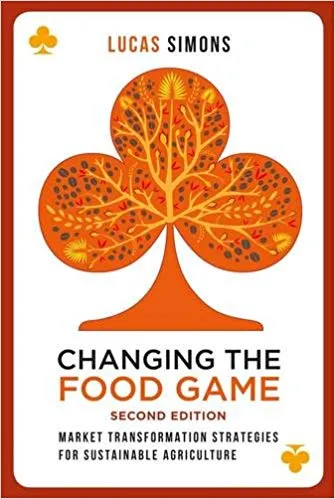
Image Books Changing the food game The book “Changing the food game: market transformation strategies for sustainable agriculture”, written by Lucas Simons, discusses how markets can be changed to support a sustainable food system. Chapter topics include how food production impacts the world, market failures, and phases of market transformation. Read
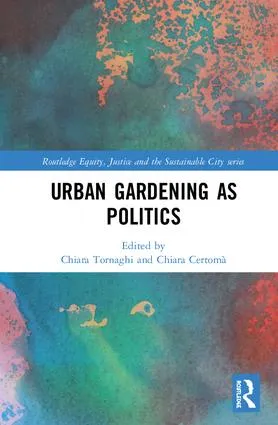
Image Books Urban gardening as politics This book, edited by Chiara Tornaghi and Chiara Certomà, critically explores the social and political implications of urban gardening. Read
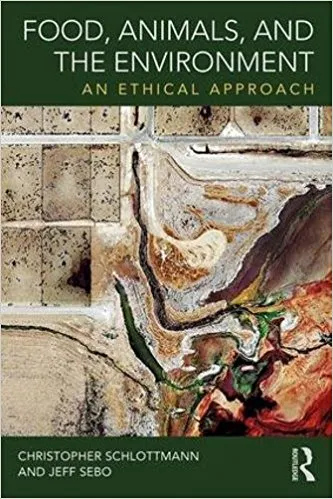
Image Books Food, animals, and the environment: an ethical approach FCRN member Christopher Schlottmann and Jeff Sebo, both of New York University, have written a book discussing empirical, ethical, and social dimensions of food, animals, and the environment, providing both big picture and more detailed analysis, including updated statistics. Read
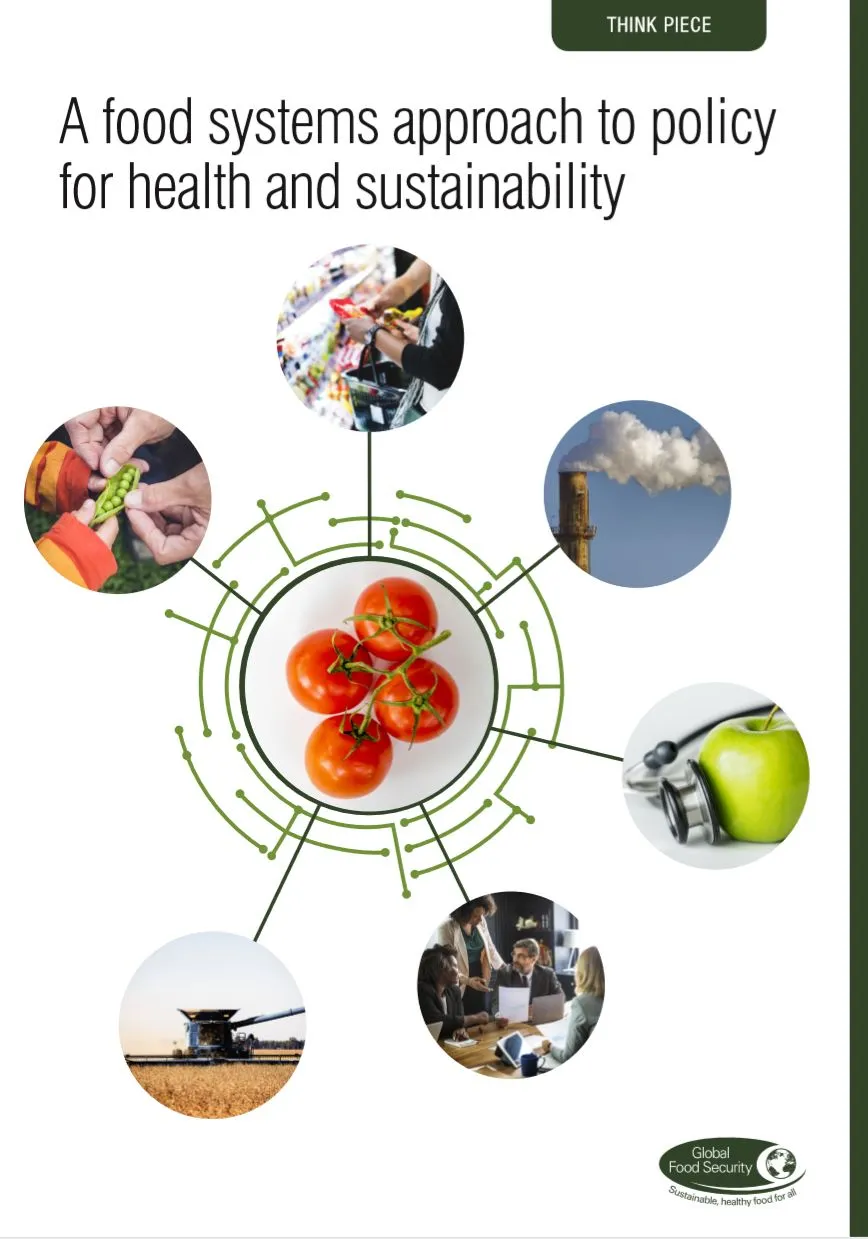
Image Reports A food systems approach to policy for health and sustainability The UK’s Global Food Security programme has published a think piece that argues for a systemic approach to food sustainability and health by governments and businesses. The report argues that the whole food system must be examined to identify the root causes of problems before policies are designed. Read
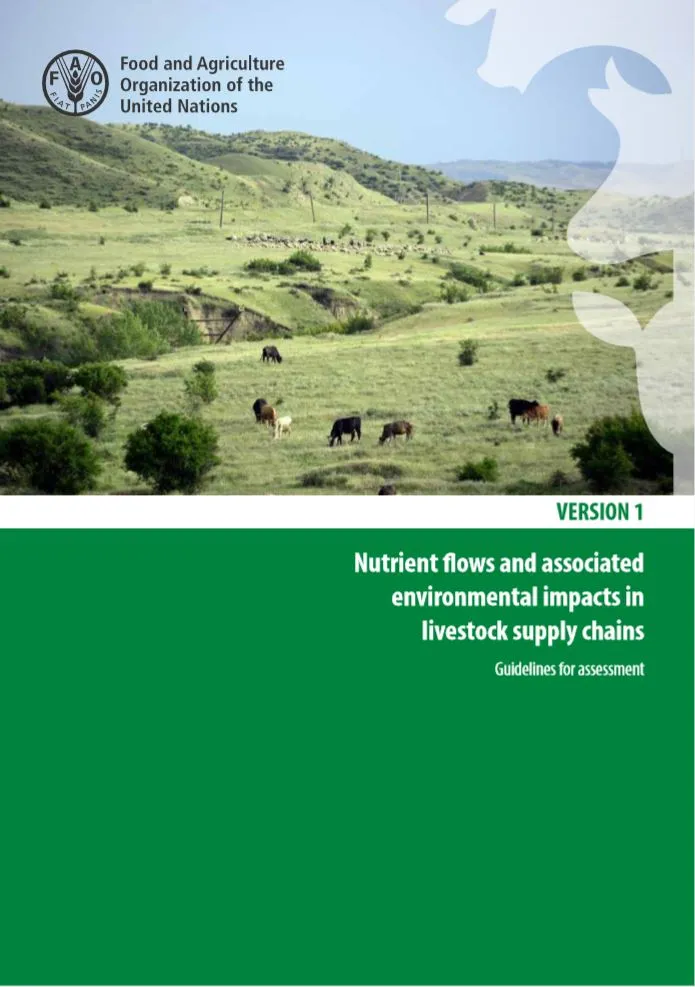
Image Reports Nutrient flows in livestock supply chains The Food and Agriculture Organisation of the United Nations has published guidelines for the assessment of nutrient flows and their associated environmental impacts in livestock supply chains. The guidelines are aimed at people and organisations who already have a good working knowledge of life cycle assessment of livestock systems, and are intended to promote consistency through defining calculation methods and data requirements. Read