Image Resources Our extensive research library contains thousands of summaries of journal articles, reports and news stories that can be searched by keyword and category RESOURCES CATEGORY Books Briefing paper Event recording Featured articles Featured report Game Journal articles News and resources Reports Think piece Video Working paper Workshop summary Year 2026 2025 2024 2023 2022 2021 2020 2019 2018 2017 2016 2015 2014 2013 2012 2011 2010 2009 2008 2007 2002 2001 Image Reports US Access to Nutrition Spotlight Index 2018 This report finds that the ten largest US food and beverage manufacturers lack comprehensive strategies for effectively addressing obesity and diet-related diseases. Assessing a portfolio of the manufacturers’ products, the report classifies only 30% as “healthy”. Read Image Journal articles Special issue of Science: Diet and health A special issue of the journal Science includes several review papers on important questions in the connection of diets and health, including dietary fat, gut microbiota, fasting and diets for athletes. Read Image Journal articles Real-time pasture nutrient monitoring could improve productivity A new method for monitoring nutrient concentrations in pasture in real time - using a small near-infrared spectroscopy device - could allow farmers to improve productivity by adjusting livestock grazing patterns, according to this paper. Read Image Journal articles Maps of global land use change show forest losses and gains This paper presents maps of global land use change from 1992 to 2015, showing net increases in the area of agriculture, grassland and settlement, and net losses in the area of forest, wetland, shrubland, sparse land, bare land and water. Read Image News and resources Commentary: What’s behind the sudden plastic backlash? This feature in the Guardian explores the reasons for the rapid growth of the anti-plastic movement. It also describes historical lobbying campaigns that painted plastic packaging as being the responsibility of the consumer rather than manufacturers, and outlines some of the issues associated with recycling plastic (in comparison to recycling, say, glass or metals). Read Image News and resources Proposal for faster chicken slaughter raises welfare concerns Chicken processing plants in the United States will be allowed to apply for a waiver to increase their processing speed from 140 to 175 birds per minute, in response to a petition from the National Chicken Council. Civil Eats reports that workers in meat processing plants are already injured five times more frequently than all other private workers, and that both animal welfare and labour welfare advocates have previously sought to block increases in processing speed. Read Image News and resources Video: Ecological and economic perspectives on natural capital This lecture from the Rockefeller Foundation Economic Council on Planetary Health at the Oxford Martin School addresses emerging methods of measuring natural capital and assessing ecological services in the context of economic analysis. Read Image News and resources Tesco and WWF to collaborate on sustainable food UK supermarket Tesco and wildlife NGO WWF have set up a four-year partnership to work on reducing the environmental impacts of food. They aim to halve the environmental impact of the average UK shopping basket, according to a metric that they will develop. Read Image News and resources Sainsbury's to sell barbecue-flavour roasted crickets UK supermarket Sainsbury’s has started selling edible insects in 250 of its stores, becoming the first UK supermarket to do so. The barbecue-flavour roasted crickets are made by Eat Grub and contain 68 grams of protein per 100 grams of dried crickets. Eat Grub founder Shami Radia told Sky News, “We're on a mission to show the West that as well as having very strong sustainability and environmental credentials, they are also seriously tasty and shouldn't be overlooked as a great snack or recipe ingredient.” Read VIEW MORE
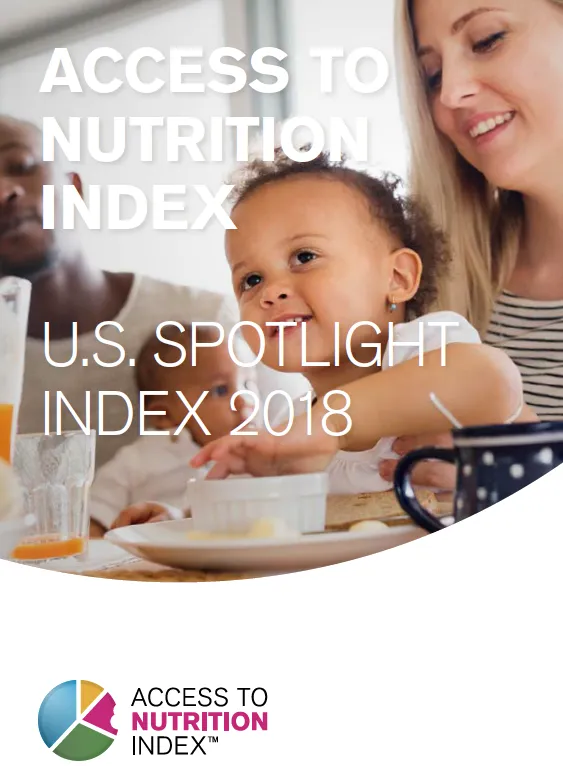
Image Reports US Access to Nutrition Spotlight Index 2018 This report finds that the ten largest US food and beverage manufacturers lack comprehensive strategies for effectively addressing obesity and diet-related diseases. Assessing a portfolio of the manufacturers’ products, the report classifies only 30% as “healthy”. Read
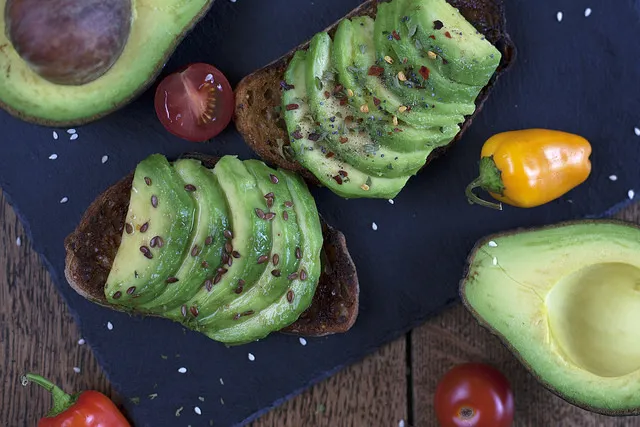
Image Journal articles Special issue of Science: Diet and health A special issue of the journal Science includes several review papers on important questions in the connection of diets and health, including dietary fat, gut microbiota, fasting and diets for athletes. Read
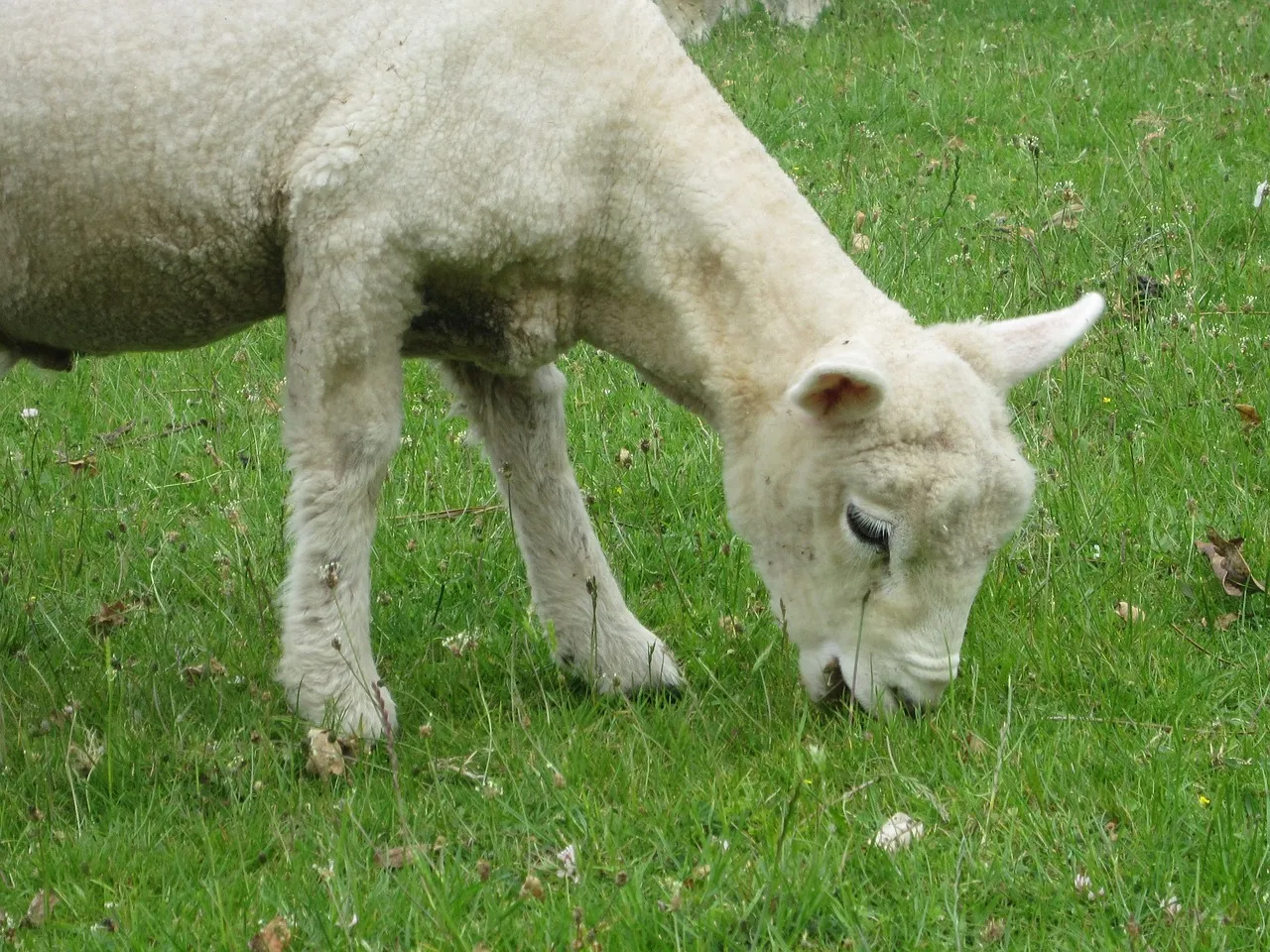
Image Journal articles Real-time pasture nutrient monitoring could improve productivity A new method for monitoring nutrient concentrations in pasture in real time - using a small near-infrared spectroscopy device - could allow farmers to improve productivity by adjusting livestock grazing patterns, according to this paper. Read
Image Journal articles Maps of global land use change show forest losses and gains This paper presents maps of global land use change from 1992 to 2015, showing net increases in the area of agriculture, grassland and settlement, and net losses in the area of forest, wetland, shrubland, sparse land, bare land and water. Read
Image News and resources Commentary: What’s behind the sudden plastic backlash? This feature in the Guardian explores the reasons for the rapid growth of the anti-plastic movement. It also describes historical lobbying campaigns that painted plastic packaging as being the responsibility of the consumer rather than manufacturers, and outlines some of the issues associated with recycling plastic (in comparison to recycling, say, glass or metals). Read
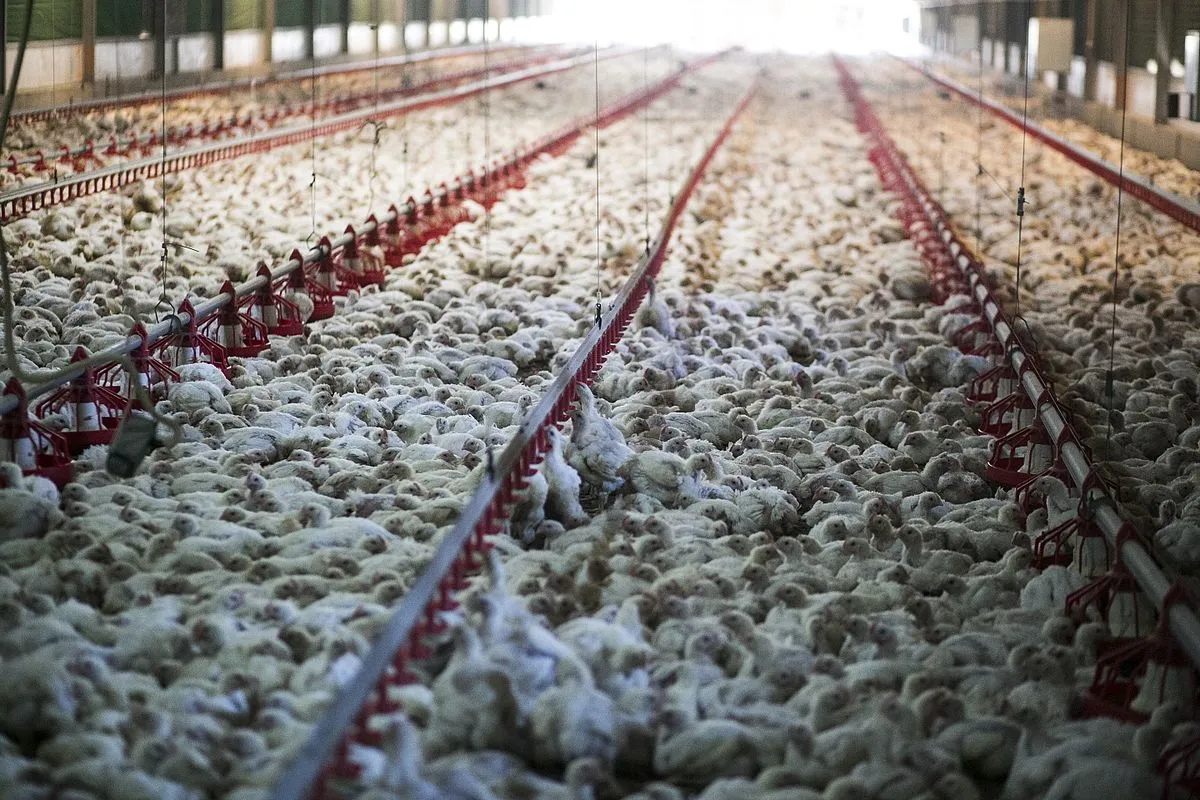
Image News and resources Proposal for faster chicken slaughter raises welfare concerns Chicken processing plants in the United States will be allowed to apply for a waiver to increase their processing speed from 140 to 175 birds per minute, in response to a petition from the National Chicken Council. Civil Eats reports that workers in meat processing plants are already injured five times more frequently than all other private workers, and that both animal welfare and labour welfare advocates have previously sought to block increases in processing speed. Read
Image News and resources Video: Ecological and economic perspectives on natural capital This lecture from the Rockefeller Foundation Economic Council on Planetary Health at the Oxford Martin School addresses emerging methods of measuring natural capital and assessing ecological services in the context of economic analysis. Read
Image News and resources Tesco and WWF to collaborate on sustainable food UK supermarket Tesco and wildlife NGO WWF have set up a four-year partnership to work on reducing the environmental impacts of food. They aim to halve the environmental impact of the average UK shopping basket, according to a metric that they will develop. Read
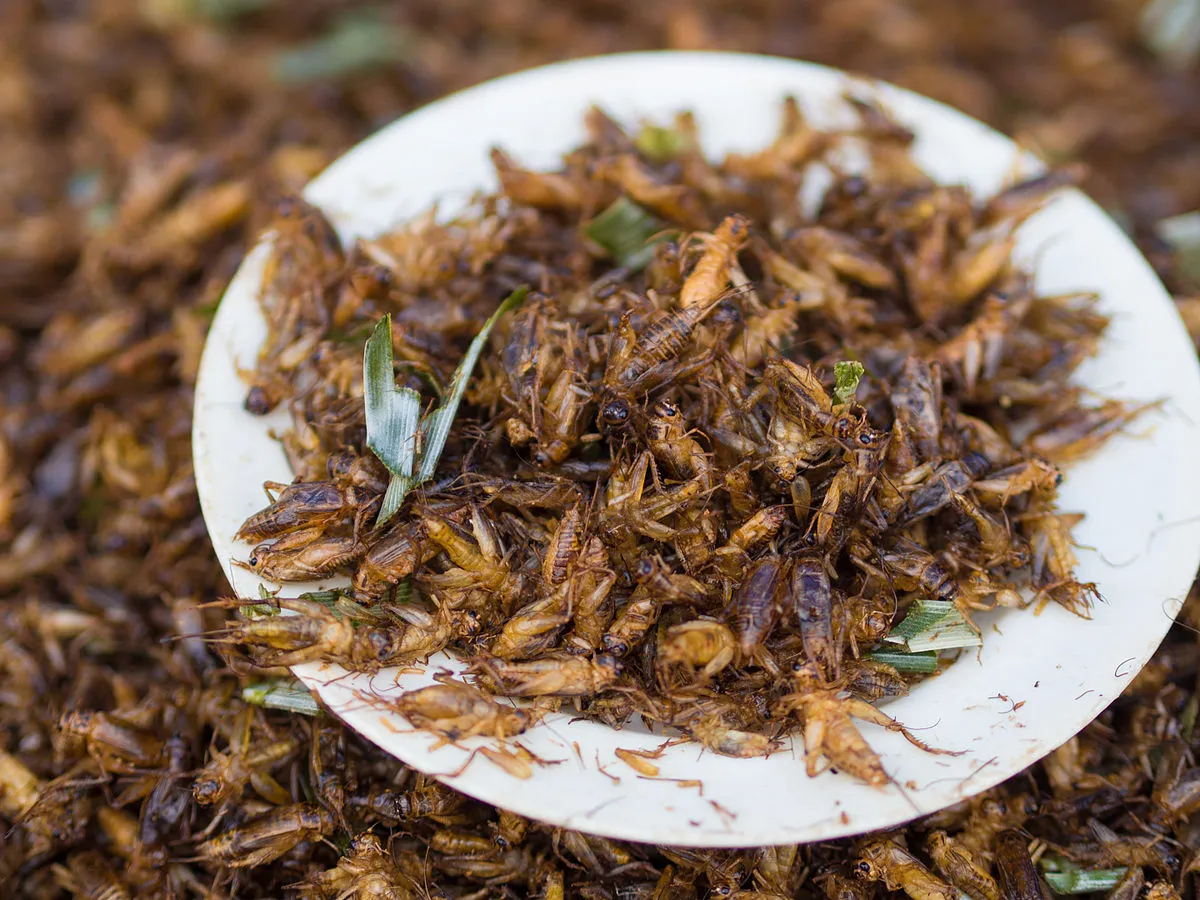
Image News and resources Sainsbury's to sell barbecue-flavour roasted crickets UK supermarket Sainsbury’s has started selling edible insects in 250 of its stores, becoming the first UK supermarket to do so. The barbecue-flavour roasted crickets are made by Eat Grub and contain 68 grams of protein per 100 grams of dried crickets. Eat Grub founder Shami Radia told Sky News, “We're on a mission to show the West that as well as having very strong sustainability and environmental credentials, they are also seriously tasty and shouldn't be overlooked as a great snack or recipe ingredient.” Read