Image Resources Our extensive research library contains thousands of summaries of journal articles, reports and news stories that can be searched by keyword and category RESOURCES CATEGORY Books Briefing paper Event recording Featured articles Featured report Game Journal articles News and resources Reports Think piece Video Working paper Workshop summary Year 2026 2025 2024 2023 2022 2021 2020 2019 2018 2017 2016 2015 2014 2013 2012 2011 2010 2009 2008 2007 2002 2001 Image Books Farming systems and food security in Africa This book, edited by John Dixon et al., sets out different farming systems used across Africa and their relationships to food security. Read Image Reports Land use: Reducing emissions and preparing for climate change Current land use patterns in the UK are not sustainable, according to this report from the UK’s Committee on Climate Change. The report claims that, if current farming trends continue, there will not be enough land in the UK to both meet future settlement needs and maintain current levels of per capita food production. The report also predicts significant negative effects of climate change on soils, water, vegetation and wildlife. Read Image Journal articles Biocide resistance is at dangerous levels This paper describes the susceptibility of organisms such as bacteria to biocides such as antibiotics, insecticides and herbicide as a beneficial ecosystem service, since susceptible organisms can prevent the spread of biocide resistance by outcompeting resistant organisms (that is, in biocide-free environments). This framing is distinct from many other viewpoints, which focus on the negative costs of biocide resistance. Read Image Journal articles Potential increase of legal deforestation in Brazilian Amazon 6.5–15.4 million hectares of private land in Brazil could become legally available for deforestation, because expansion in the land area designated as conservation units or indigenous reserves could trigger a legal mechanism whereby the area of legal reserves for native vegetation may be decreased. Read Image Journal articles Solar panel shade increases soil moisture and pasture biomass This paper compared soil moisture and biomass growth between pasture both with and without photovoltaic solar panel arrays. While average soil moisture was similar across the fields with and without solar panels, the field with the solar panels had more variable soil moisture: directly underneath the solar panels, persistent stores of soil water were available throughout the growing season. Without solar panels, the pasture experienced water stress in the middle of summer. Read Image News and resources US farmers agree to destroy a quarter of cranberry crop This piece in the New Food Economy explores why the US cranberry industry has collectively agreed to destroy one quarter of its harvest, but will not ask any farmers to scale back production. A surplus of cranberries on the market means that prices are being driven below the cost of production. The agreement to destroy a portion of the harvest means that prices will rise again. Unlike other industries, which are regulated by antitrust laws, farmers are allowed to make collective agreements such as this under the Capper–Volstead Act. Read Image News and resources Aerial imaging for farmers - startup raises funding Israeli startup Taranis has raised $20 million in funding for its aerial imaging technology, which uses multispectral images from satellites, planes and drones to scan fields. Artificial intelligence then identifies threats such as insects, crop disease, weeds and nutrient deficiencies. The company claims its technology can increase crop yields by up to 7.5%. Read Image News and resources Comment: Electric food – new sci-fi diet could save our planet In a column for the Guardian, George Monbiot writes about the potential to create food without plants, animals or soil, using instead bacteria that feed on hydrogen (generated by solar-powered electrolysis of water) and carbon dioxide from the air. Monbiot argues that this form of food production could eventually drastically reduce the amount of land needed for the global food supply chain, and suggests that the new foodstuff could be used as an ingredient in processed foods. Read Image Books The end of animal farming In the book The End of Animal Farming, author Jacy Reese examines the social forces, technologies and activism that he argues will lead to the end of animal agriculture. Read VIEW MORE
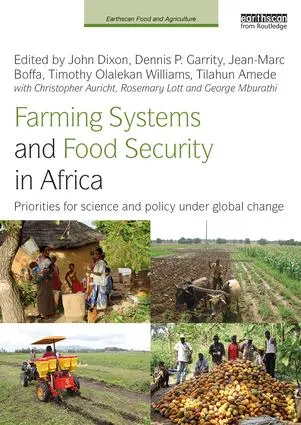
Image Books Farming systems and food security in Africa This book, edited by John Dixon et al., sets out different farming systems used across Africa and their relationships to food security. Read
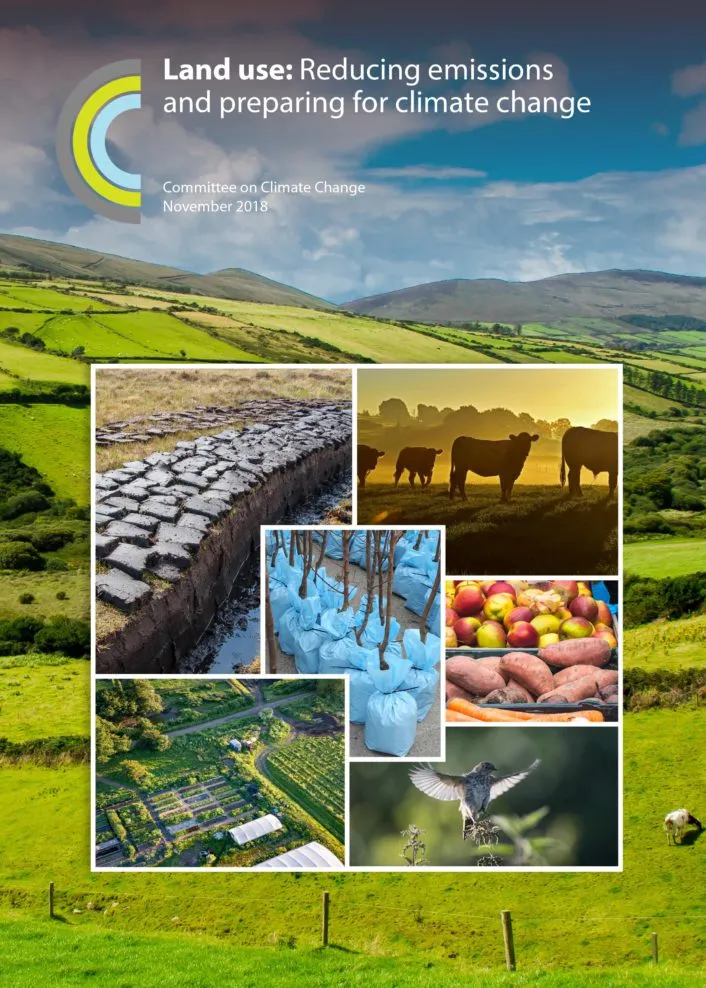
Image Reports Land use: Reducing emissions and preparing for climate change Current land use patterns in the UK are not sustainable, according to this report from the UK’s Committee on Climate Change. The report claims that, if current farming trends continue, there will not be enough land in the UK to both meet future settlement needs and maintain current levels of per capita food production. The report also predicts significant negative effects of climate change on soils, water, vegetation and wildlife. Read
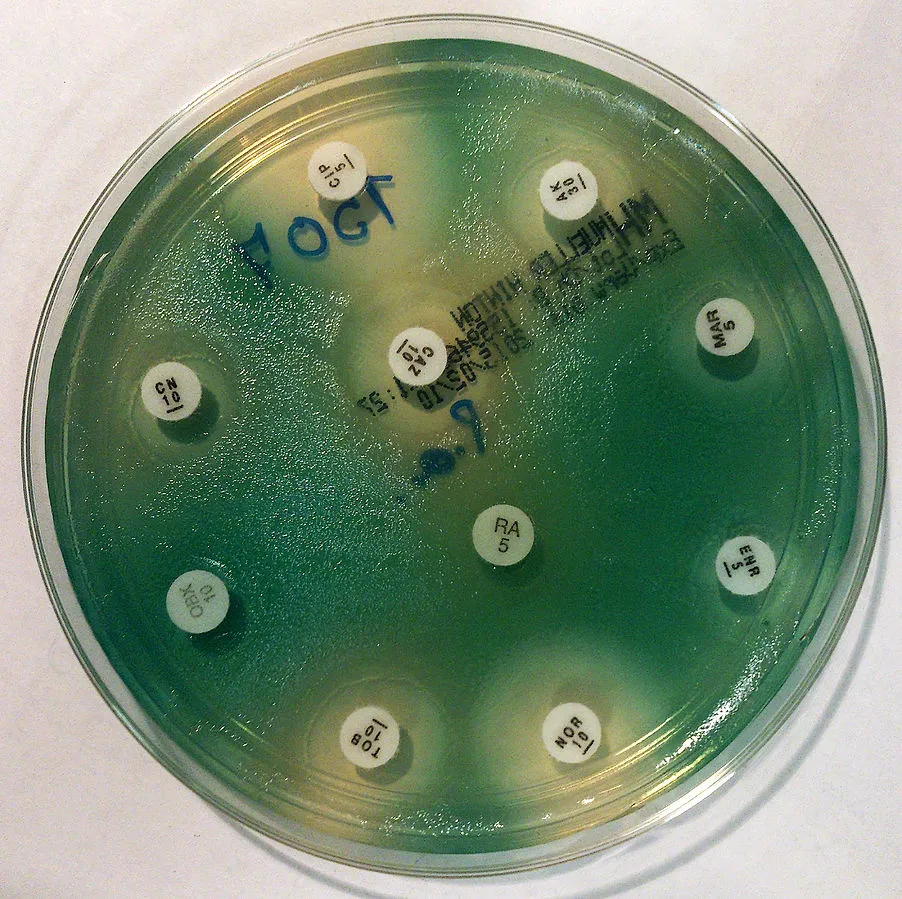
Image Journal articles Biocide resistance is at dangerous levels This paper describes the susceptibility of organisms such as bacteria to biocides such as antibiotics, insecticides and herbicide as a beneficial ecosystem service, since susceptible organisms can prevent the spread of biocide resistance by outcompeting resistant organisms (that is, in biocide-free environments). This framing is distinct from many other viewpoints, which focus on the negative costs of biocide resistance. Read
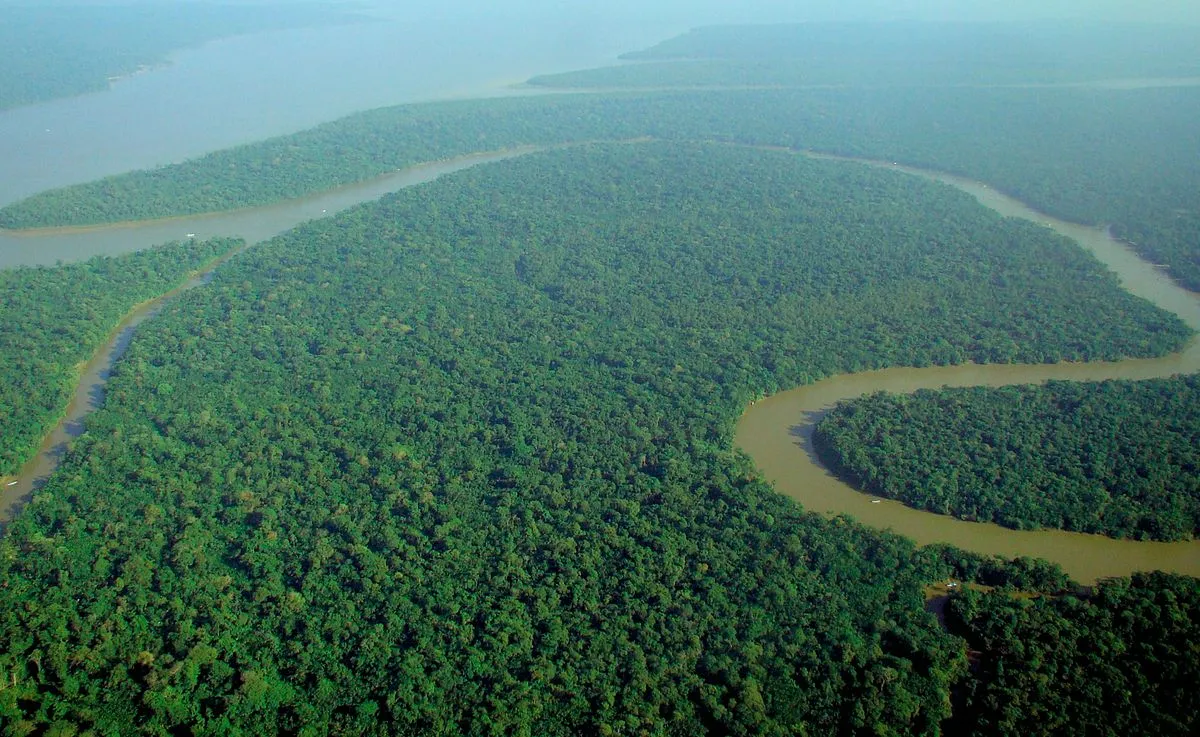
Image Journal articles Potential increase of legal deforestation in Brazilian Amazon 6.5–15.4 million hectares of private land in Brazil could become legally available for deforestation, because expansion in the land area designated as conservation units or indigenous reserves could trigger a legal mechanism whereby the area of legal reserves for native vegetation may be decreased. Read
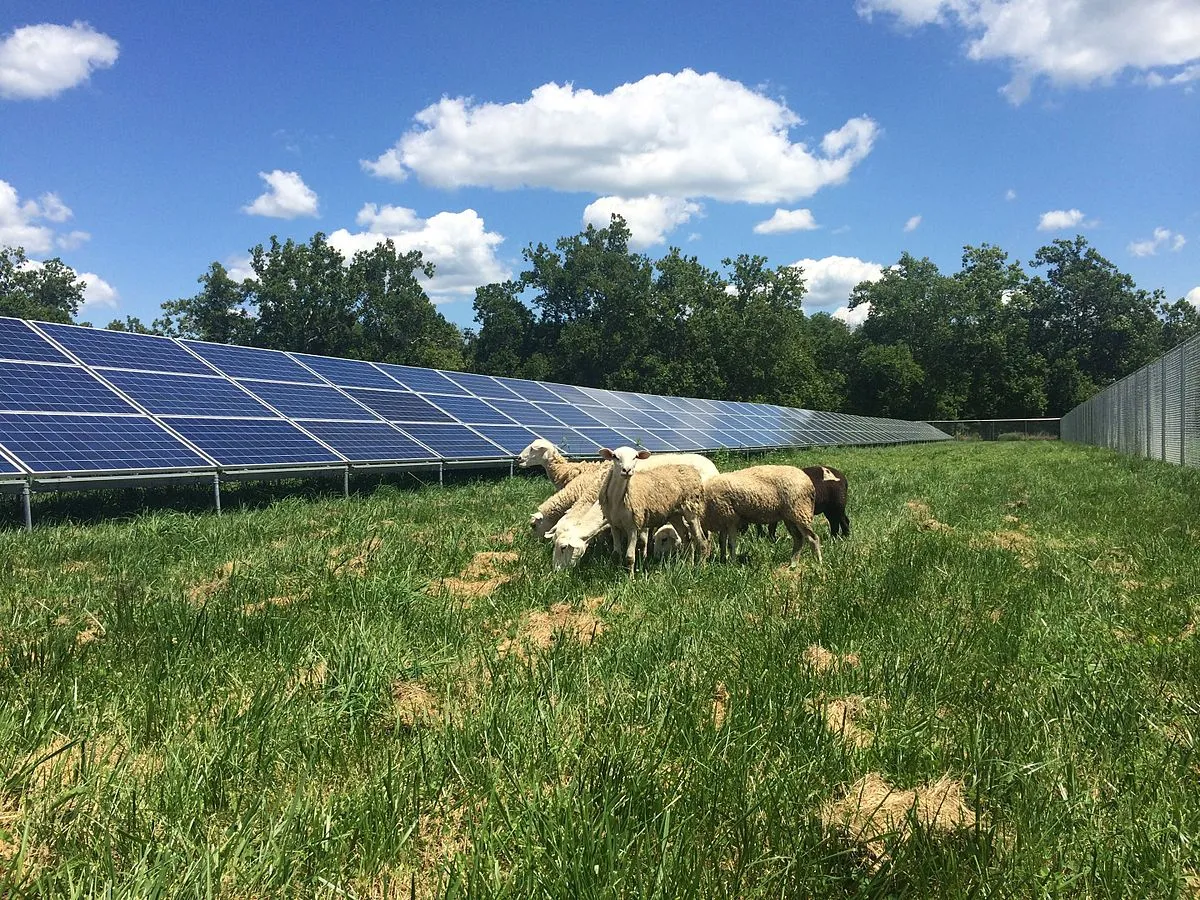
Image Journal articles Solar panel shade increases soil moisture and pasture biomass This paper compared soil moisture and biomass growth between pasture both with and without photovoltaic solar panel arrays. While average soil moisture was similar across the fields with and without solar panels, the field with the solar panels had more variable soil moisture: directly underneath the solar panels, persistent stores of soil water were available throughout the growing season. Without solar panels, the pasture experienced water stress in the middle of summer. Read
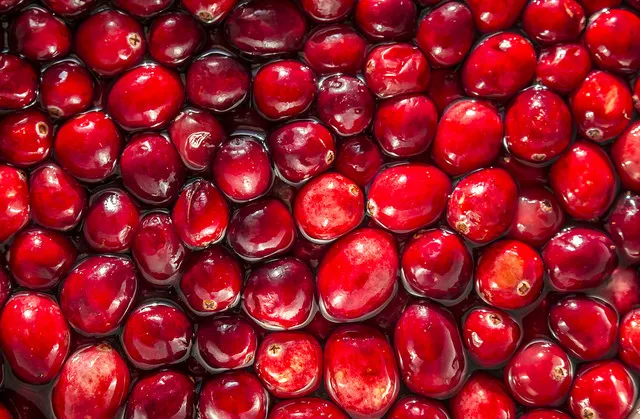
Image News and resources US farmers agree to destroy a quarter of cranberry crop This piece in the New Food Economy explores why the US cranberry industry has collectively agreed to destroy one quarter of its harvest, but will not ask any farmers to scale back production. A surplus of cranberries on the market means that prices are being driven below the cost of production. The agreement to destroy a portion of the harvest means that prices will rise again. Unlike other industries, which are regulated by antitrust laws, farmers are allowed to make collective agreements such as this under the Capper–Volstead Act. Read
Image News and resources Aerial imaging for farmers - startup raises funding Israeli startup Taranis has raised $20 million in funding for its aerial imaging technology, which uses multispectral images from satellites, planes and drones to scan fields. Artificial intelligence then identifies threats such as insects, crop disease, weeds and nutrient deficiencies. The company claims its technology can increase crop yields by up to 7.5%. Read
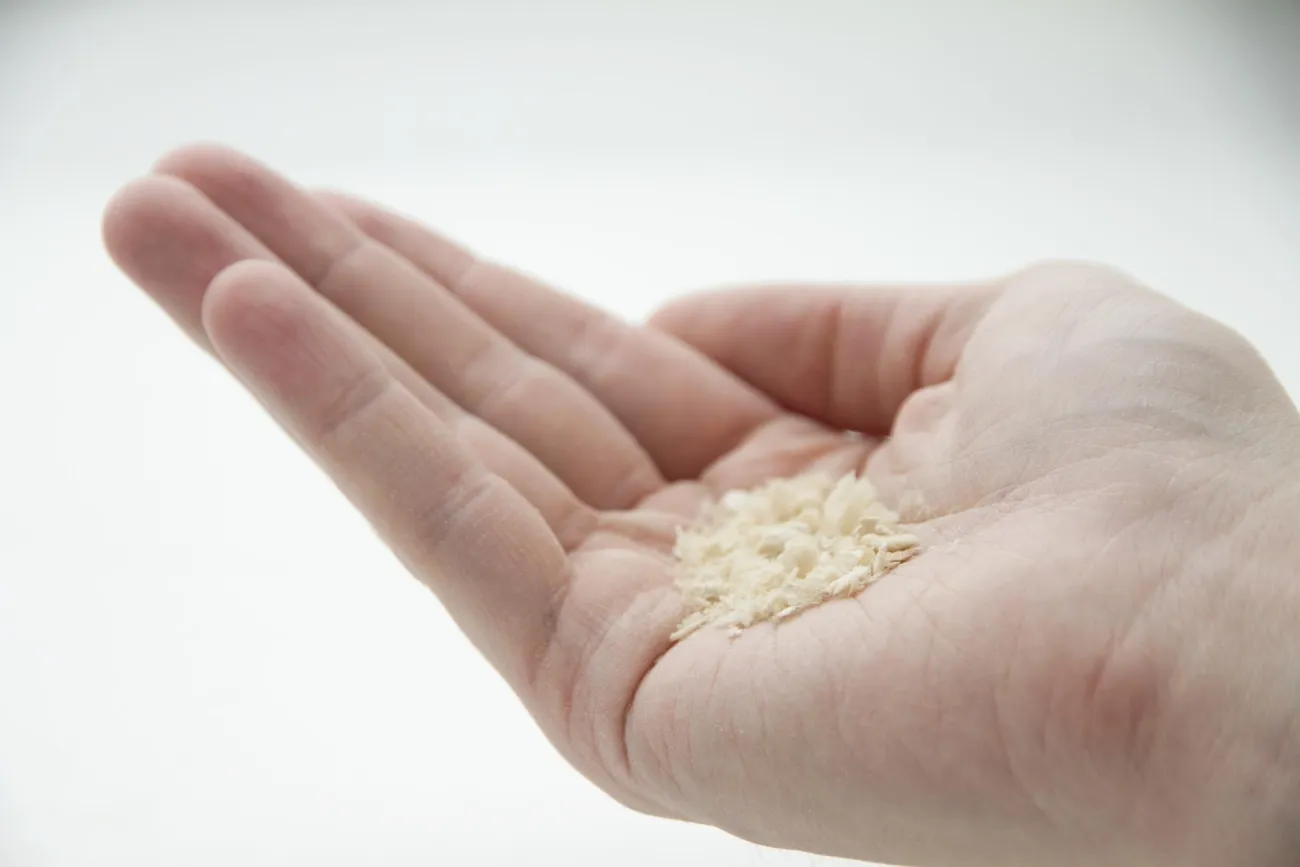
Image News and resources Comment: Electric food – new sci-fi diet could save our planet In a column for the Guardian, George Monbiot writes about the potential to create food without plants, animals or soil, using instead bacteria that feed on hydrogen (generated by solar-powered electrolysis of water) and carbon dioxide from the air. Monbiot argues that this form of food production could eventually drastically reduce the amount of land needed for the global food supply chain, and suggests that the new foodstuff could be used as an ingredient in processed foods. Read
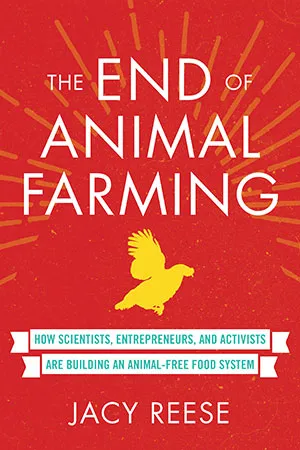
Image Books The end of animal farming In the book The End of Animal Farming, author Jacy Reese examines the social forces, technologies and activism that he argues will lead to the end of animal agriculture. Read