Image Resources Our extensive research library contains thousands of summaries of journal articles, reports and news stories that can be searched by keyword and category RESOURCES CATEGORY Books Briefing paper Event recording Featured articles Featured report Game Journal articles News and resources Reports Think piece Video Working paper Workshop summary Year 2026 2025 2024 2023 2022 2021 2020 2019 2018 2017 2016 2015 2014 2013 2012 2011 2010 2009 2008 2007 2002 2001 Image Reports Fork in the road This report details the findings of a seven-month bike tour of rural communities in the UK carried out by the RSA Food Farming & Countryside Commission. It gives an account of rural life in the UK, covering topics such as extreme weather (and its impact on farming), housing prices, flood risk, sheep farming, closure of rural businesses and the potential impact of Brexit on trading across the Northern Irish border with the Republic of Ireland. Read Image Reports Land for the many This report, commissioned by the UK’s Labour Party, proposes major reforms in land governance in the UK including the establishment of a Common Ground Trust (see below). FCRN readers may be particularly interested in the report’s recommendations surrounding agriculture and farmland. Read Image Journal articles Edible microorganisms to counteract agricultural expansion This opinion article suggests that microbial biomass from bacteria, yeasts, or fungi could be used as human food and animal feed, with the advantage of using less land compared to conventional crop production, particularly if feedstocks were derived directly from atmospheric carbon dioxide. Read Image Journal articles Climate change has likely already affected food production This paper finds that production of the top ten global crops has already been affected by climate change, with mixed impacts across both crop type and geographical area. Oil palm has seen a 13% decrease in yields relative to those that would have been seen under historical climate conditions, while soybean has seen a 4% increase. Read Image Featured articles Combined climate and nutritional performance of seafoods This paper by FCRN member Elinor Hallström assesses the nutritional content and climate impact of 37 seafood products. The paper finds high variability in nutritional and climate performance, with no consistent correlation between nutrition and climate impact across different seafood species. The paper calls for dietary advice to promote species with low climate impact and high nutritional value, including sprat, herring, mackerel and perch. Read Image News and resources Tax ultra-processed foods, not simply meat, says jury A jury-style event hosted by the UK’s Food Ethics Council finds that a meat tax is too simplistic. The event saw four “expert witnesses” give evidence on the impacts of meat and sugar taxes, the environmental impacts of grazing livestock, and the health impacts of consuming processed and ultra-processed meat. Read Image News and resources Research note: Animal welfare and climate change In this research note, the US-based Open Philanthropy Project discusses whether animal welfare might be helped or hindered by climate-focused reductions in meat consumption. For example, the note points out that meat types with a relatively low carbon footprint (e.g. chicken) are often from smaller animals (compared to, say, cows) and thus require more animals to be farmed and killed. Read Image News and resources Soil Association calls for plant-based day at schools Organic charity the Soil Association is calling for the UK government to introduce a mandatory meat-free day each week for school catering to tackle climate change and increase fibre intake, noting that few schools currently follow the voluntary plant-based day recommended by the current School Food Standards. Read Image Books Urban food sharing - Open-access book This open access book, by Anna Davies, uses case studies to examine the past and present of food sharing in cities. Read VIEW MORE
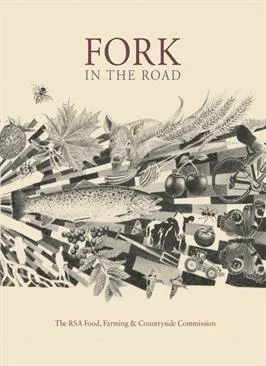
Image Reports Fork in the road This report details the findings of a seven-month bike tour of rural communities in the UK carried out by the RSA Food Farming & Countryside Commission. It gives an account of rural life in the UK, covering topics such as extreme weather (and its impact on farming), housing prices, flood risk, sheep farming, closure of rural businesses and the potential impact of Brexit on trading across the Northern Irish border with the Republic of Ireland. Read
Image Reports Land for the many This report, commissioned by the UK’s Labour Party, proposes major reforms in land governance in the UK including the establishment of a Common Ground Trust (see below). FCRN readers may be particularly interested in the report’s recommendations surrounding agriculture and farmland. Read
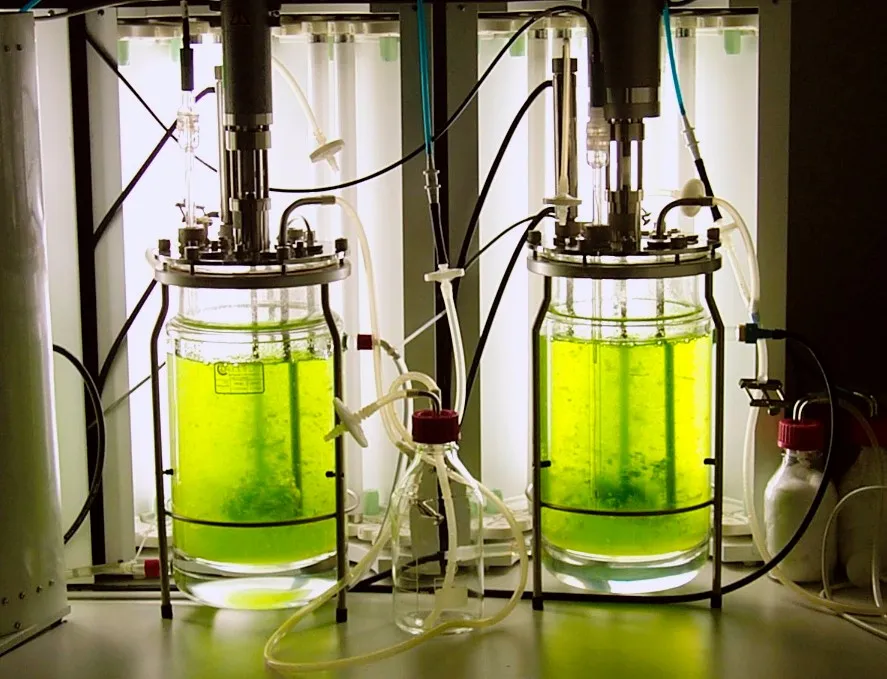
Image Journal articles Edible microorganisms to counteract agricultural expansion This opinion article suggests that microbial biomass from bacteria, yeasts, or fungi could be used as human food and animal feed, with the advantage of using less land compared to conventional crop production, particularly if feedstocks were derived directly from atmospheric carbon dioxide. Read
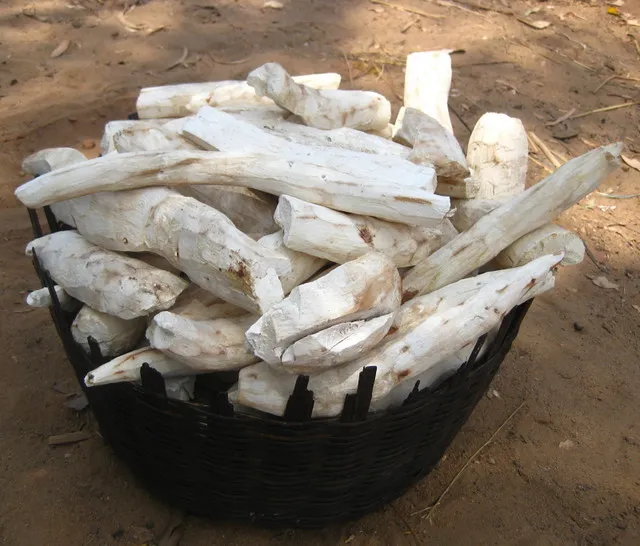
Image Journal articles Climate change has likely already affected food production This paper finds that production of the top ten global crops has already been affected by climate change, with mixed impacts across both crop type and geographical area. Oil palm has seen a 13% decrease in yields relative to those that would have been seen under historical climate conditions, while soybean has seen a 4% increase. Read
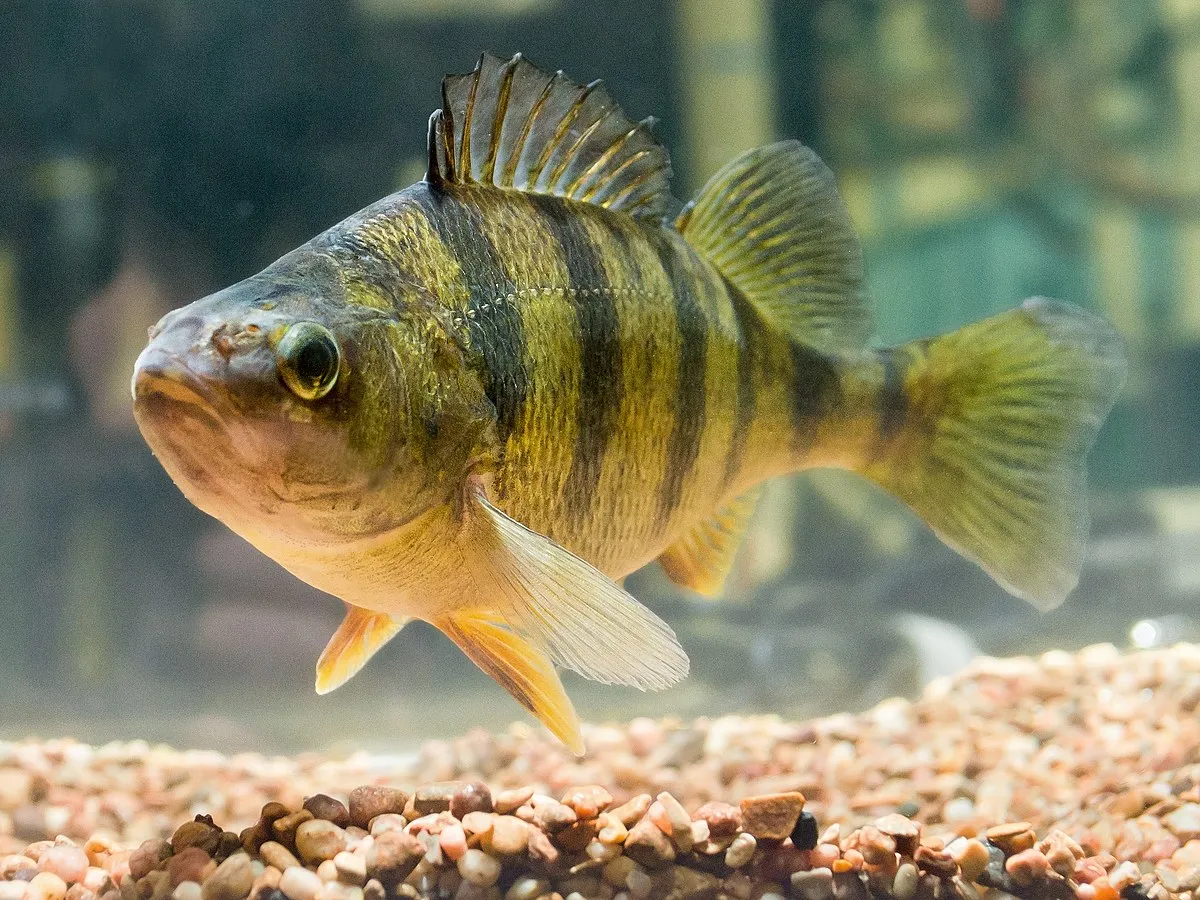
Image Featured articles Combined climate and nutritional performance of seafoods This paper by FCRN member Elinor Hallström assesses the nutritional content and climate impact of 37 seafood products. The paper finds high variability in nutritional and climate performance, with no consistent correlation between nutrition and climate impact across different seafood species. The paper calls for dietary advice to promote species with low climate impact and high nutritional value, including sprat, herring, mackerel and perch. Read
Image News and resources Tax ultra-processed foods, not simply meat, says jury A jury-style event hosted by the UK’s Food Ethics Council finds that a meat tax is too simplistic. The event saw four “expert witnesses” give evidence on the impacts of meat and sugar taxes, the environmental impacts of grazing livestock, and the health impacts of consuming processed and ultra-processed meat. Read
Image News and resources Research note: Animal welfare and climate change In this research note, the US-based Open Philanthropy Project discusses whether animal welfare might be helped or hindered by climate-focused reductions in meat consumption. For example, the note points out that meat types with a relatively low carbon footprint (e.g. chicken) are often from smaller animals (compared to, say, cows) and thus require more animals to be farmed and killed. Read
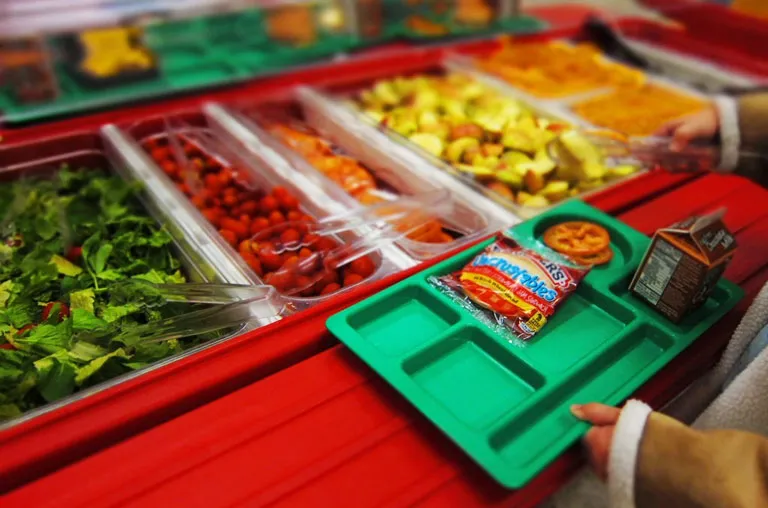
Image News and resources Soil Association calls for plant-based day at schools Organic charity the Soil Association is calling for the UK government to introduce a mandatory meat-free day each week for school catering to tackle climate change and increase fibre intake, noting that few schools currently follow the voluntary plant-based day recommended by the current School Food Standards. Read
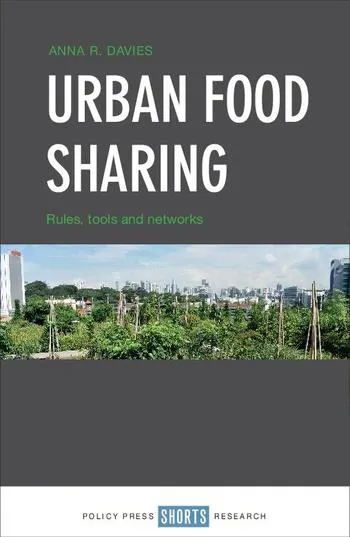
Image Books Urban food sharing - Open-access book This open access book, by Anna Davies, uses case studies to examine the past and present of food sharing in cities. Read