Image Resources Our extensive research library contains thousands of summaries of journal articles, reports and news stories that can be searched by keyword and category RESOURCES CATEGORY Books Briefing paper Event recording Featured articles Featured report Game Journal articles News and resources Reports Think piece Video Working paper Workshop summary Year 2026 2025 2024 2023 2022 2021 2020 2019 2018 2017 2016 2015 2014 2013 2012 2011 2010 2009 2008 2007 2002 2001 Image Books Food security policy, evaluation and impact assessment This book sets out the importance of assessing food security policies, such as to address failures of past food policies, and gives practical guidance on how to use evidence to analyse policies. Read Image Reports Farming for nature and climate In this report, the Nature Friendly Farming Network argues that, if given enough financial support, UK farmers can produce food in a way that both protects wildlife and reduces the UK’s greenhouse gas emissions. The report also suggests that having a diet of “less meat and dairy but of better quality” could be environmentally beneficial. Read Image Reports New business models for hill farming This report, commissioned by the Royal Society for the Protection of Birds, the National Trust and The Wildlife Trusts, examines how the profitability of upland farming systems can be increased at the same time as protecting the natural environment. Read Image Reports Food waste in Dutch households in 2019 This report by FCRN member Corné van Dooren finds that food waste per person in Dutch households has decreased by 29% between 2010 and 2019. The findings are based on measurements of waste from a sample of households. Read Image Reports Exploring a rooftop greenhouse project in Bergen FCRN member Anna Birgitte Milford has co-authored this report, which offers a case study of a proposed rooftop greenhouse project in Bergen, Norway. The report considers the opportunities and challenges associated with building rooftop greenhouses. Read Image Reports Scaling the impact of food loss and waste initiatives This report from the World Resources Institute outlines ten “scaling interventions” that could increase both the rate and geographic spread of initiatives to cut food loss and food waste, to support a target of halving worldwide food loss and waste by 2030. Read Image Journal articles Review: Can diets be healthy, sustainable, and equitable? This paper reviews current dietary patterns and trends, examines their links with health, the environment and equity, and suggests how governments, industry and consumers can help to shift diets towards patterns that are beneficial to both people and the environment. Read Journal articles “Half Earth” conservation could affect over a billion people Some conservationists propose a “Half Earth” strategy, whereby half of the Earth’s land and half of its sea would be set aside for natural ecosystems. This paper assesses the number and geographical distribution of people who could be affected by the Half Earth conservation plan. Read Image Featured articles Transforming Europe’s food system for climate mitigation This paper modelled the food system changes in Europe that would allow enough afforestation, reforestation and avoided deforestation to meet European climate targets while also providing enough food. Most scenarios relied on significant yield improvements and reductions in meat consumption. Read VIEW MORE
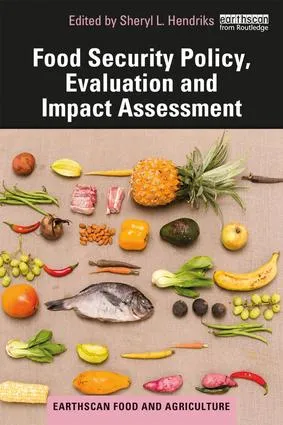
Image Books Food security policy, evaluation and impact assessment This book sets out the importance of assessing food security policies, such as to address failures of past food policies, and gives practical guidance on how to use evidence to analyse policies. Read
Image Reports Farming for nature and climate In this report, the Nature Friendly Farming Network argues that, if given enough financial support, UK farmers can produce food in a way that both protects wildlife and reduces the UK’s greenhouse gas emissions. The report also suggests that having a diet of “less meat and dairy but of better quality” could be environmentally beneficial. Read
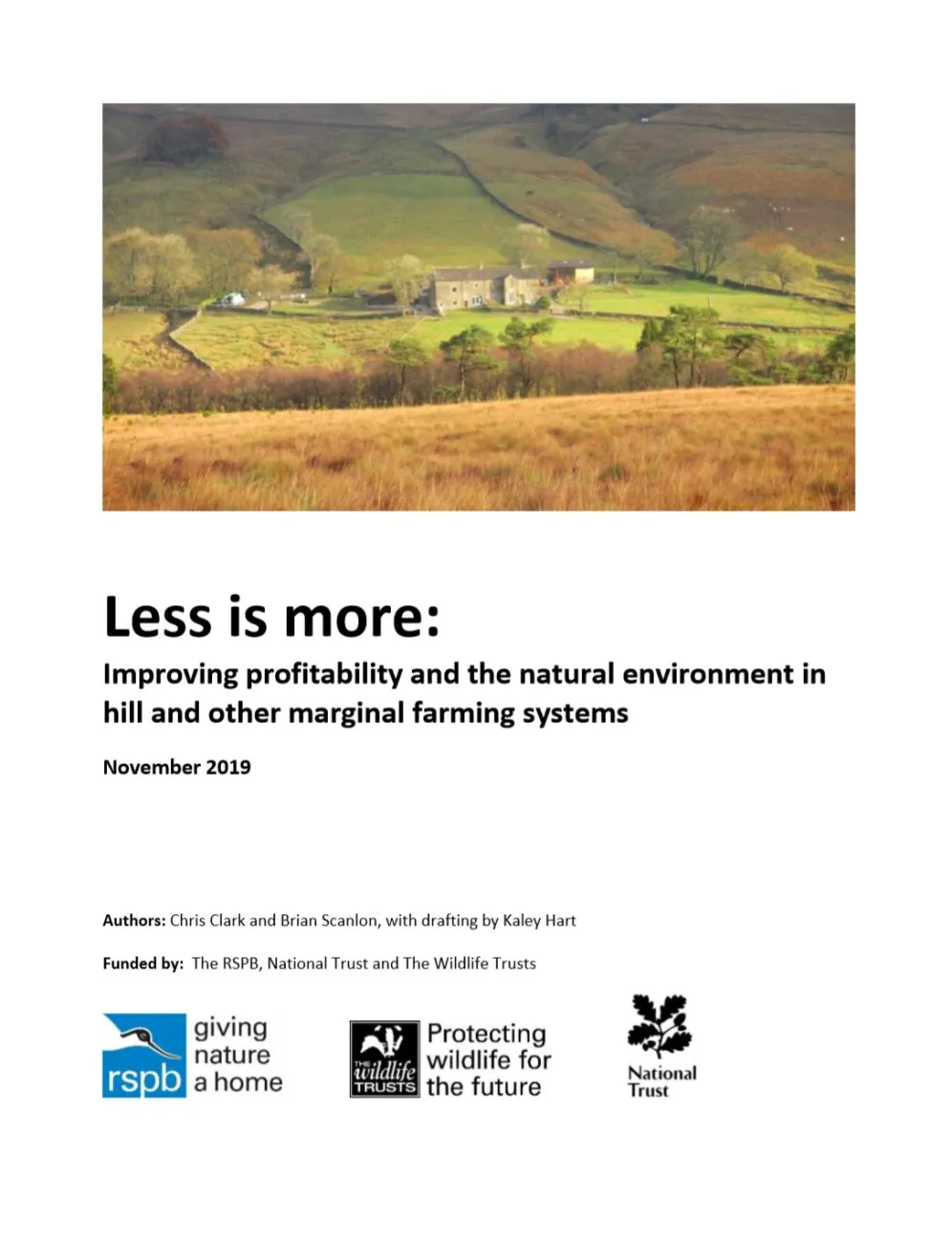
Image Reports New business models for hill farming This report, commissioned by the Royal Society for the Protection of Birds, the National Trust and The Wildlife Trusts, examines how the profitability of upland farming systems can be increased at the same time as protecting the natural environment. Read
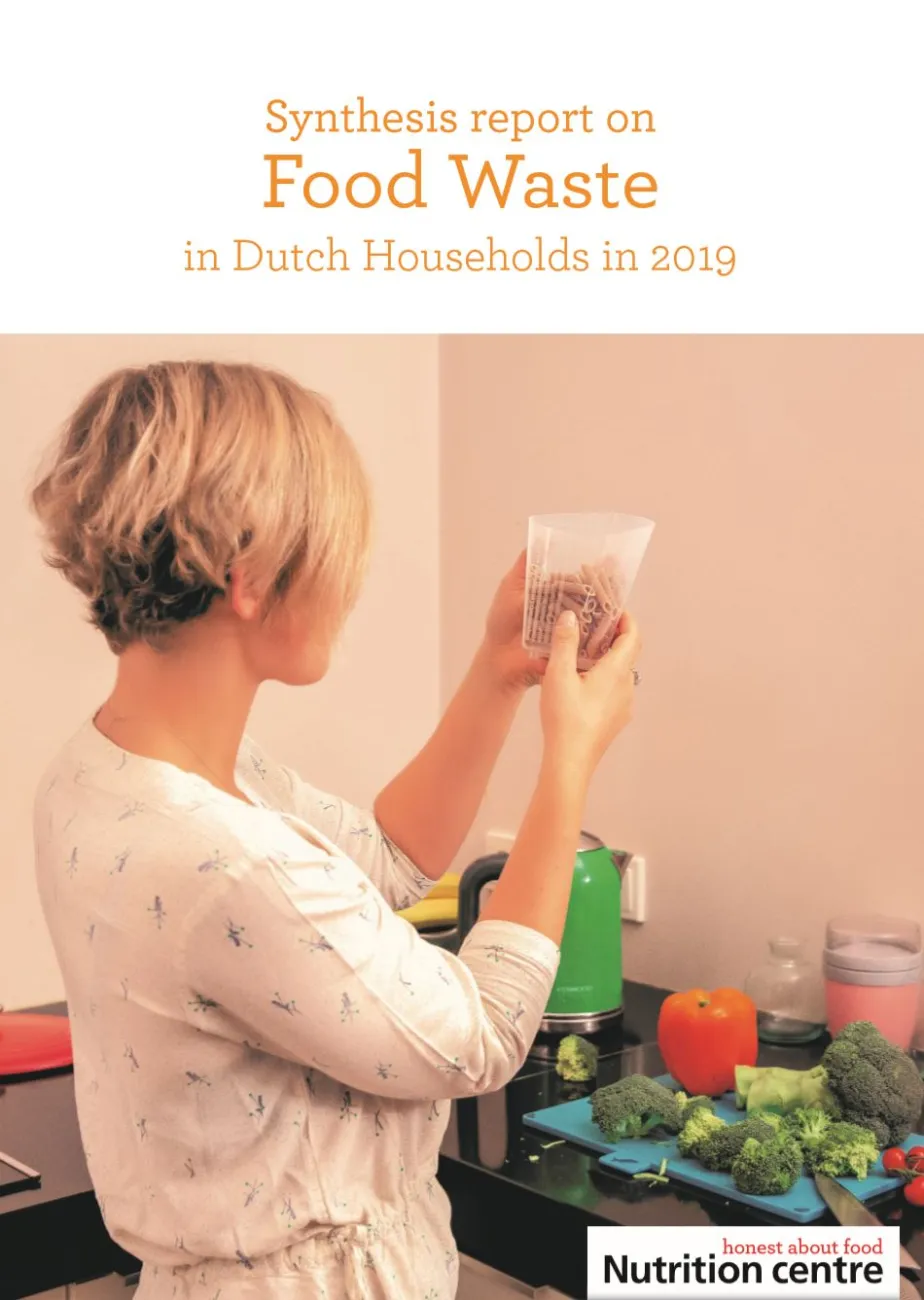
Image Reports Food waste in Dutch households in 2019 This report by FCRN member Corné van Dooren finds that food waste per person in Dutch households has decreased by 29% between 2010 and 2019. The findings are based on measurements of waste from a sample of households. Read
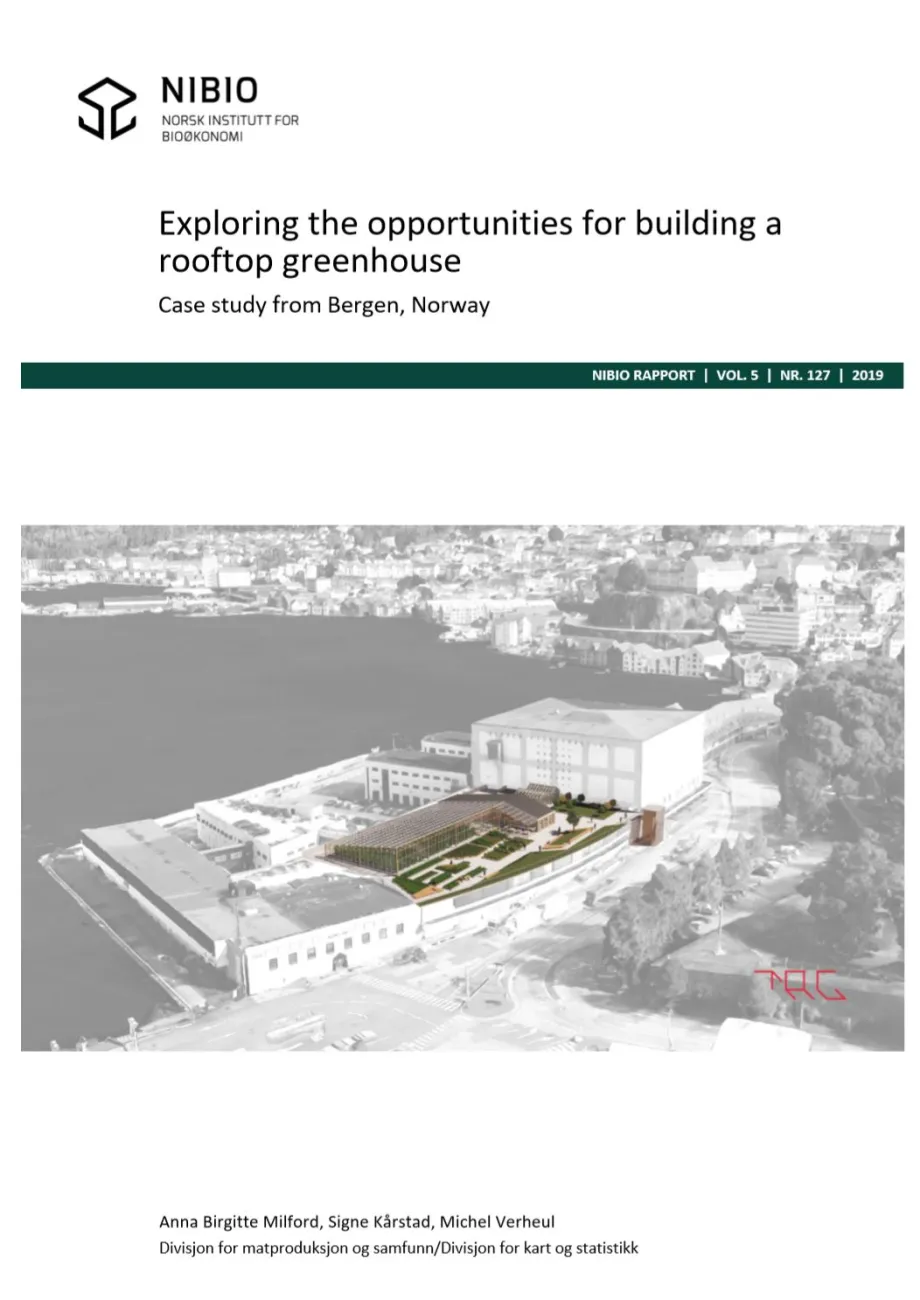
Image Reports Exploring a rooftop greenhouse project in Bergen FCRN member Anna Birgitte Milford has co-authored this report, which offers a case study of a proposed rooftop greenhouse project in Bergen, Norway. The report considers the opportunities and challenges associated with building rooftop greenhouses. Read
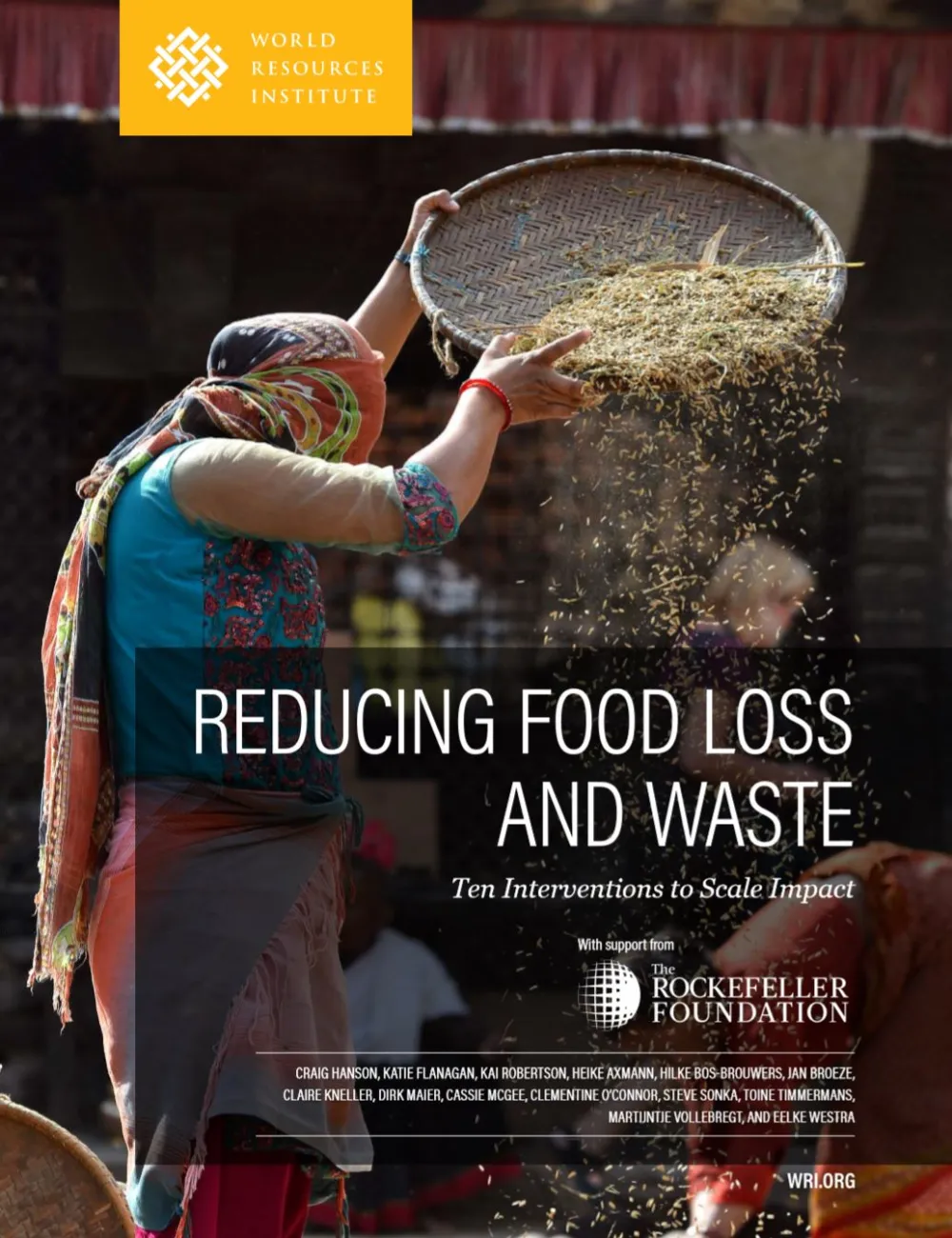
Image Reports Scaling the impact of food loss and waste initiatives This report from the World Resources Institute outlines ten “scaling interventions” that could increase both the rate and geographic spread of initiatives to cut food loss and food waste, to support a target of halving worldwide food loss and waste by 2030. Read
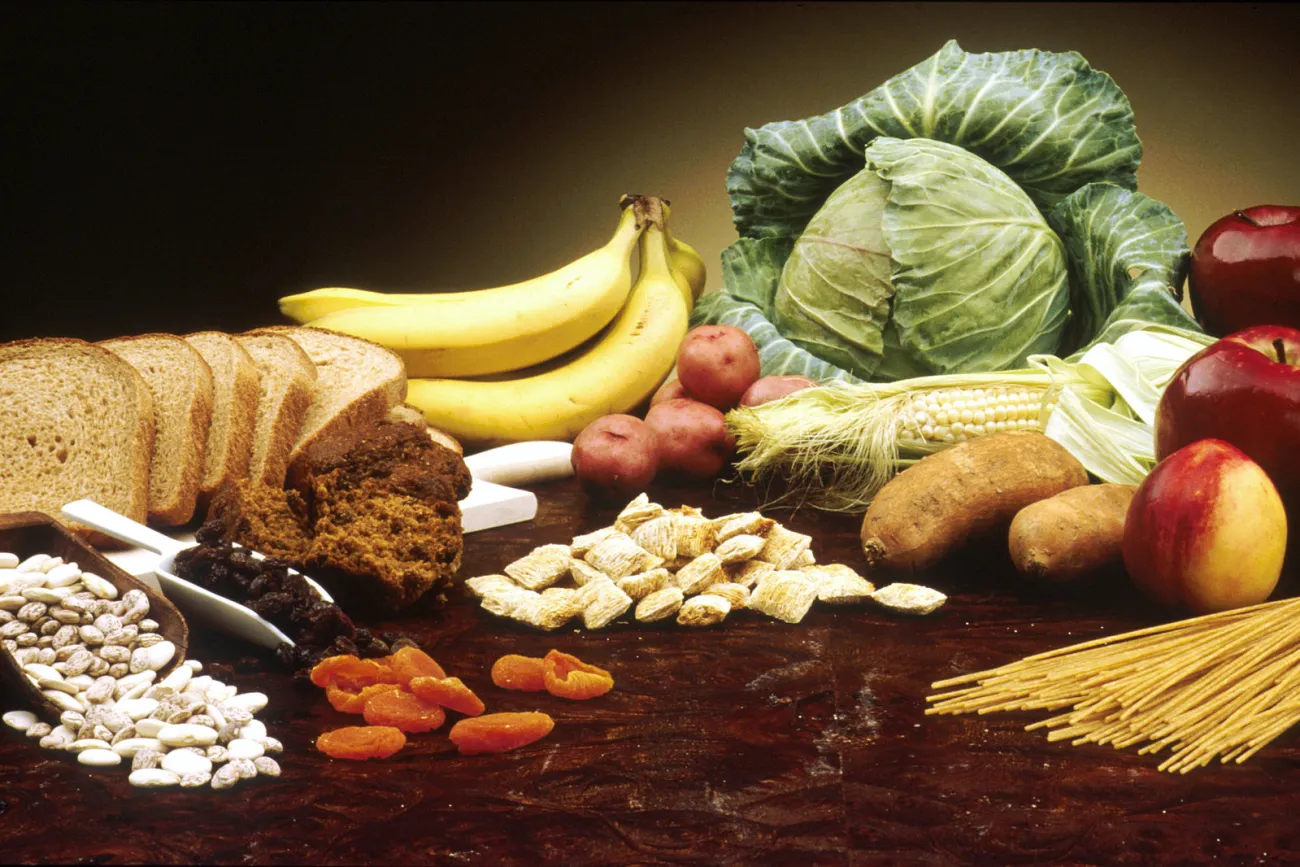
Image Journal articles Review: Can diets be healthy, sustainable, and equitable? This paper reviews current dietary patterns and trends, examines their links with health, the environment and equity, and suggests how governments, industry and consumers can help to shift diets towards patterns that are beneficial to both people and the environment. Read
Journal articles “Half Earth” conservation could affect over a billion people Some conservationists propose a “Half Earth” strategy, whereby half of the Earth’s land and half of its sea would be set aside for natural ecosystems. This paper assesses the number and geographical distribution of people who could be affected by the Half Earth conservation plan. Read
Image Featured articles Transforming Europe’s food system for climate mitigation This paper modelled the food system changes in Europe that would allow enough afforestation, reforestation and avoided deforestation to meet European climate targets while also providing enough food. Most scenarios relied on significant yield improvements and reductions in meat consumption. Read