Image Resources Our extensive research library contains thousands of summaries of journal articles, reports and news stories that can be searched by keyword and category RESOURCES CATEGORY Books Briefing paper Event recording Featured articles Featured report Game Journal articles News and resources Reports Think piece Video Working paper Workshop summary Year 2026 2025 2024 2023 2022 2021 2020 2019 2018 2017 2016 2015 2014 2013 2012 2011 2010 2009 2008 2007 2002 2001 Image Books Climate change and agriculture This book gives a holistic overview of both the impacts of climate change on agriculture and the contribution of agriculture to climate change, describes how to predict these interactions, and offers strategies for “climate-smart agriculture”. Read Image Reports Meat-eating habits and climate concern in British youth According to a survey by UK NGO Eating Better, 63% of 11 to 18 year olds in the UK see the environment and climate change as the top concern for the UK at the moment. While most do not want to change their levels of meat consumption, 29% of those who do eat meat would like to reduce their consumption. Read Image Reports UK supermarket plastic waste is rising This report by the Environmental Investigation Agency and NGO Greenpeace studies how UK supermarkets have taken action on plastic packaging. It finds that overall plastic packaging used by UK supermarkets has risen by 2% between 2017 and 2018, mainly driven by sales of branded products. Waitrose and Morrisons have made the most progress in reducing plastic packaging. Read Image Journal articles Neonicotinoids disrupt lake ecosystems and fisheries This paper finds that neonicotinoid use in rice paddies surrounding Lake Shinji in Japan was followed by a collapse in the fishery yields of smelt and eel, likely due to neonicotinoids reducing the abundance of zooplankton on which smelt and eels feed. The paper suggests that similar fishery yields decreases in lake across Japan could be linked to neonicotinoid use. Read Image Journal articles Twitter backlash to the EAT-Lancet planetary health diet This paper analyses the Twitter reactions to the diet proposed by the EAT-Lancet Commission on healthy diets from sustainable food systems, focusing on the #yes2meat hashtag as well as the official #EATLancet hashtag. The study found a sizable countermovement that was sceptical of the EAT-Lancet dietary recommendations, with the #yes2meat term becoming prominent around one week before the EAT-Lancet report was launched. Read Image Featured articles Comment: Tipping points are close, but can still be slowed This commentary reviews the evidence on climate tipping points - i.e. irreversible (on a human timescale) and abrupt shifts from one climate state to another - and concludes that several interlinked tipping points could be already active or very near to being triggered. Cutting emissions could still slow down the rate at which the tipping points operate, the authors argue. Read Image News and resources The Food Fight podcast by EIT Food The European Institute of Innovation and Technology (EIT) Food consortium has recently launched a podcast series, The Food Fight, which examines the biggest challenges facing the food system, and the innovations and entrepreneurs looking to solve them. Read Image Books Global food security: what matters? This book examines the socio-economic dimensions of food security, including drivers of food demand, determinants of food supply, coordinating supply and demand, and case studies of countries with both high and low food security. Read Image Books Transforming agriculture in Southern Africa This book takes an interdisciplinary look at the pressures facing food systems in Southern Africa, covering topics such as economic drivers, population, climate change, water and soil fertility. Read VIEW MORE
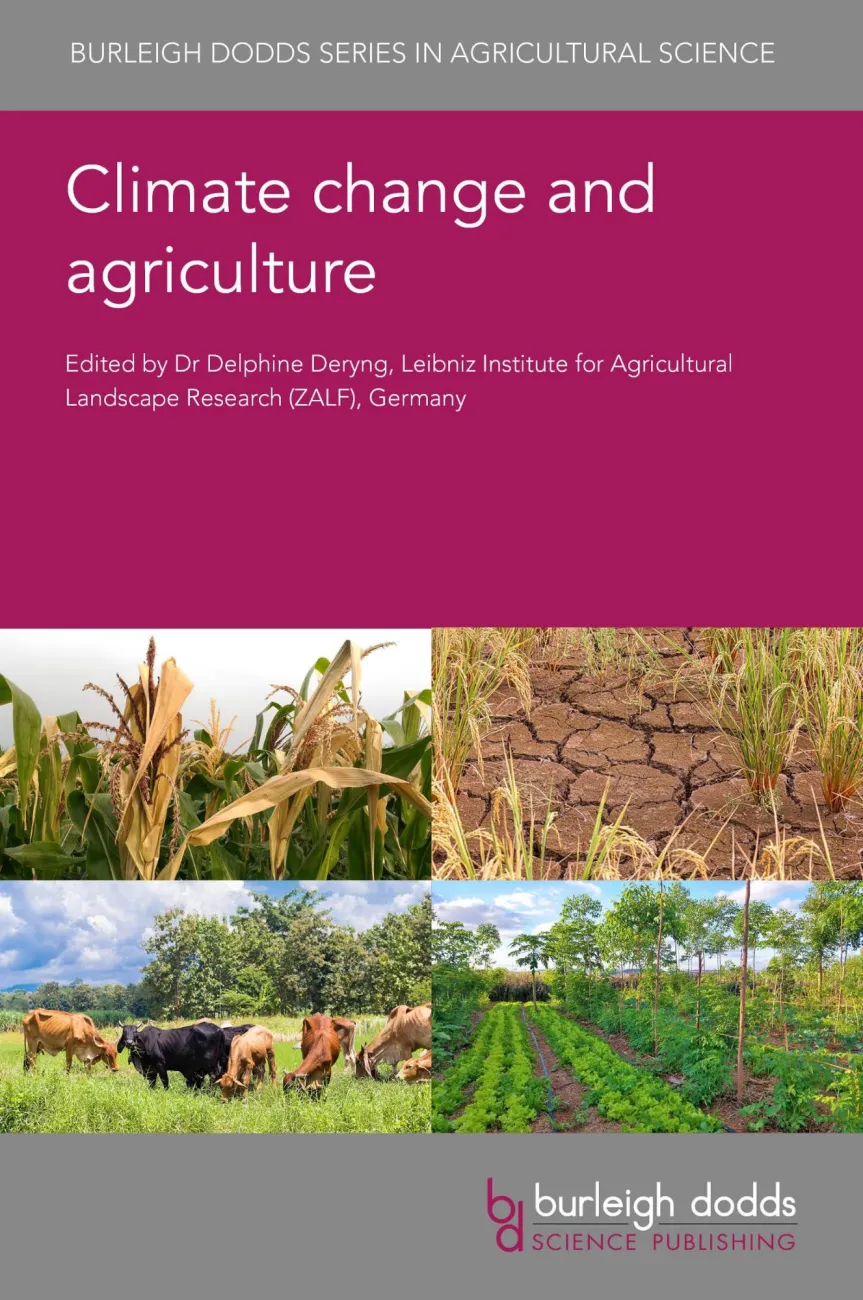
Image Books Climate change and agriculture This book gives a holistic overview of both the impacts of climate change on agriculture and the contribution of agriculture to climate change, describes how to predict these interactions, and offers strategies for “climate-smart agriculture”. Read
Image Reports Meat-eating habits and climate concern in British youth According to a survey by UK NGO Eating Better, 63% of 11 to 18 year olds in the UK see the environment and climate change as the top concern for the UK at the moment. While most do not want to change their levels of meat consumption, 29% of those who do eat meat would like to reduce their consumption. Read
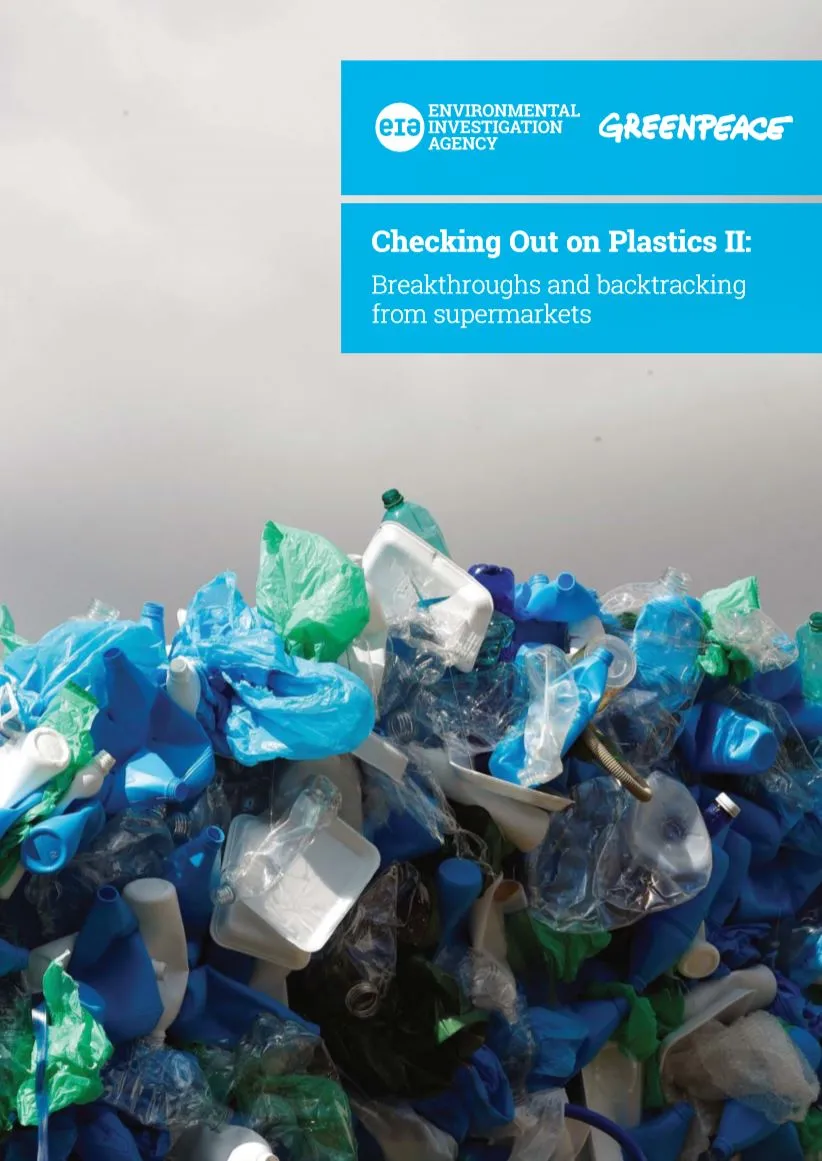
Image Reports UK supermarket plastic waste is rising This report by the Environmental Investigation Agency and NGO Greenpeace studies how UK supermarkets have taken action on plastic packaging. It finds that overall plastic packaging used by UK supermarkets has risen by 2% between 2017 and 2018, mainly driven by sales of branded products. Waitrose and Morrisons have made the most progress in reducing plastic packaging. Read
Image Journal articles Neonicotinoids disrupt lake ecosystems and fisheries This paper finds that neonicotinoid use in rice paddies surrounding Lake Shinji in Japan was followed by a collapse in the fishery yields of smelt and eel, likely due to neonicotinoids reducing the abundance of zooplankton on which smelt and eels feed. The paper suggests that similar fishery yields decreases in lake across Japan could be linked to neonicotinoid use. Read
Image Journal articles Twitter backlash to the EAT-Lancet planetary health diet This paper analyses the Twitter reactions to the diet proposed by the EAT-Lancet Commission on healthy diets from sustainable food systems, focusing on the #yes2meat hashtag as well as the official #EATLancet hashtag. The study found a sizable countermovement that was sceptical of the EAT-Lancet dietary recommendations, with the #yes2meat term becoming prominent around one week before the EAT-Lancet report was launched. Read
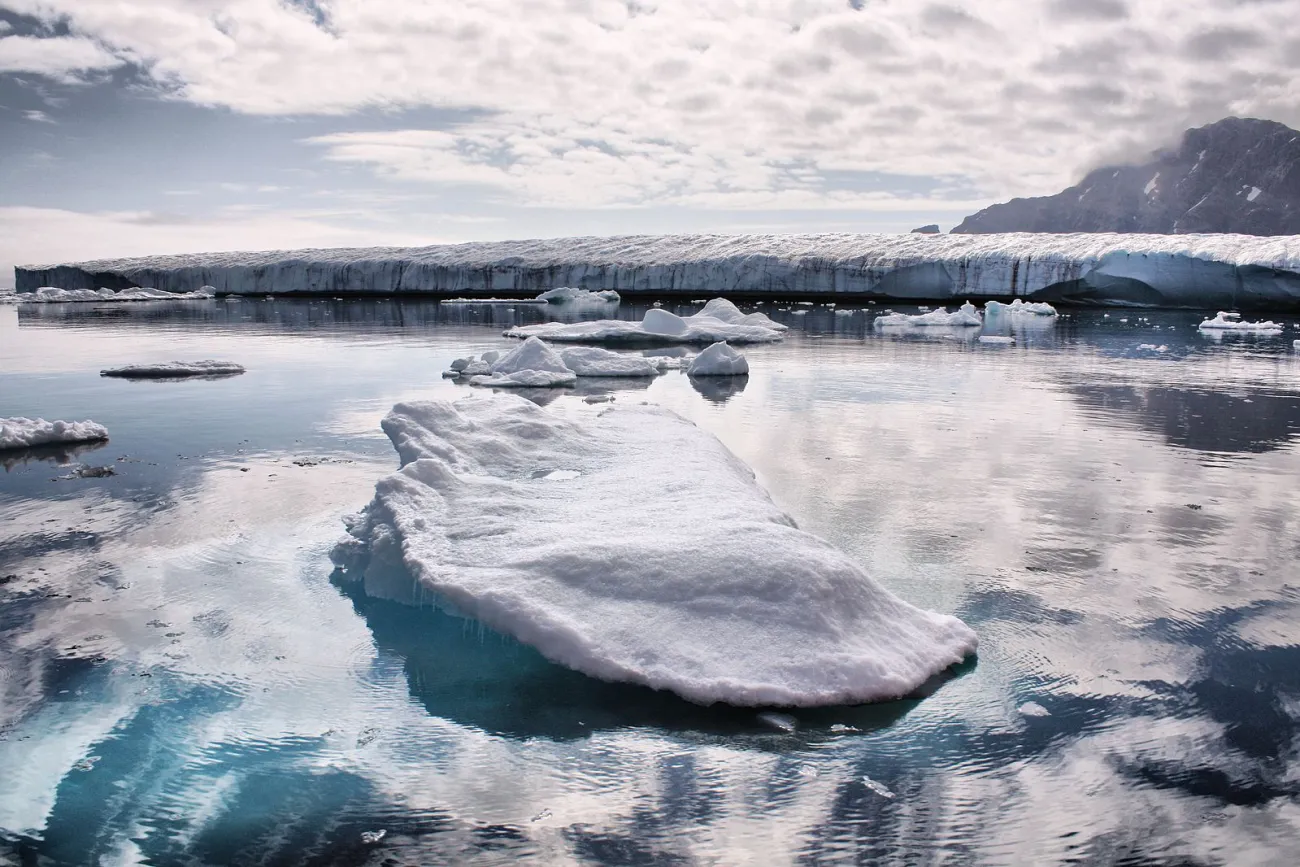
Image Featured articles Comment: Tipping points are close, but can still be slowed This commentary reviews the evidence on climate tipping points - i.e. irreversible (on a human timescale) and abrupt shifts from one climate state to another - and concludes that several interlinked tipping points could be already active or very near to being triggered. Cutting emissions could still slow down the rate at which the tipping points operate, the authors argue. Read
Image News and resources The Food Fight podcast by EIT Food The European Institute of Innovation and Technology (EIT) Food consortium has recently launched a podcast series, The Food Fight, which examines the biggest challenges facing the food system, and the innovations and entrepreneurs looking to solve them. Read
Image Books Global food security: what matters? This book examines the socio-economic dimensions of food security, including drivers of food demand, determinants of food supply, coordinating supply and demand, and case studies of countries with both high and low food security. Read
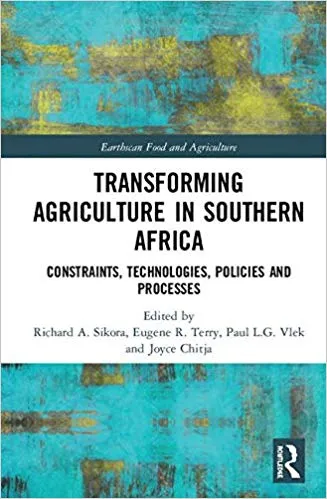
Image Books Transforming agriculture in Southern Africa This book takes an interdisciplinary look at the pressures facing food systems in Southern Africa, covering topics such as economic drivers, population, climate change, water and soil fertility. Read