Image Resources Our extensive research library contains thousands of summaries of journal articles, reports and news stories that can be searched by keyword and category RESOURCES CATEGORY Books Briefing paper Event recording Featured articles Featured report Game Journal articles News and resources Reports Think piece Video Working paper Workshop summary Year 2026 2025 2024 2023 2022 2021 2020 2019 2018 2017 2016 2015 2014 2013 2012 2011 2010 2009 2008 2007 2002 2001 Image Books Agrochemicals detection, treatment and remediation This book gives details of methods for detecting and dealing with various agrochemicals, including herbicides, insecticides, fungicides and soil fumigants. Read Image Reports Agriculture critical to achieving a Net Zero Scotland This progress report to the Scottish Parliament from the UK’s Committee on Climate Change shows that, while Scotland’s overall greenhouse gas emissions fell by 3% in 2017, the Scottish Parliament's 2030 target to reduce emissions by 75% will be extremely challenging to meet. Read Image Reports Guiding diners toward plant-rich dishes in food service In this report, the global non-profit World Resources Institute lists 23 ways in which the food service sector could encourage diners to choose dishes that contain more plants and less ruminant meat. Read Image Reports Tackling the farm crisis and the climate crisis in Canada This report from Canada’s National Farmers Union examines how climate change is likely to affect agriculture in Canada, and sets out a strategy for the food system to contribute to mitigating the climate crisis. It argues that low-input, low-emission styles of agriculture should be incentivised. Read Image Reports The Global Risks Report 2020 According to the Global Risks Report 2020 by the global NGO World Economic Forum, the five risks with the greatest likelihood of happening all relate to the environment (as opposed to the economy, society, geopolitics or technology). The five risks are: extreme weather, climate action failure, natural disasters, biodiversity loss and human-made environmental disasters. Read Journal articles UK attitudes towards vegetarian and vegan diets According to this paper, most meat-eaters think that vegetarian and vegan diets are ethical, good for the environment, healthy and socially acceptable, but also tend to believe that these diets are difficult, not tasty, inconvenient and expensive. Vegetarian diets tend to be viewed more positively than vegan diets across all measures included in the survey, except for ethical considerations and the environment, where vegan and vegetarian diets are viewed equally. Read Image Featured articles Nutritional composition of modern meat analogues This paper reviews the ingredients and nutrient contents of several plant-based meat alternatives (made from soy, other legumes, mycoprotein and cereals) and compares them to traditional meat products. It finds that no broad conclusions can be drawn about whether meat analogues or traditional meat products are healthier, with their composition varying between products. Read Image News and resources Apocalypse Cow documentary - is lab food the future? In the documentary Apocalypse Cow, environmentalist and writer George Monbiot argues that much of the current farming system (except for fruit and vegetable production) will be replaced by food from microbes, freeing up large areas of land for rewilding and carbon sequestration. He also calls for fruit and vegetable farming to be reformed, e.g. by using deep-rooted cover crops to build soil fertility. Read Image News and resources Farm Gate podcast: climate and food security Farmwel chief executive ffinlo Costain has launched a new podcast, Farm Gate, which focuses on practical solutions for climate and food security. The topics covered are relevant for everyone who eats food, but particularly intended for farmers, food chain professionals, and policy-makers. The FCRN’s Tara Garnett was interviewed in the episode Is 'vegan' a dirty word? Read VIEW MORE
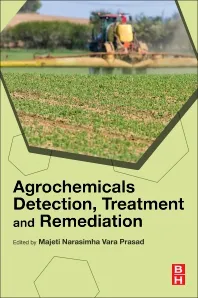
Image Books Agrochemicals detection, treatment and remediation This book gives details of methods for detecting and dealing with various agrochemicals, including herbicides, insecticides, fungicides and soil fumigants. Read
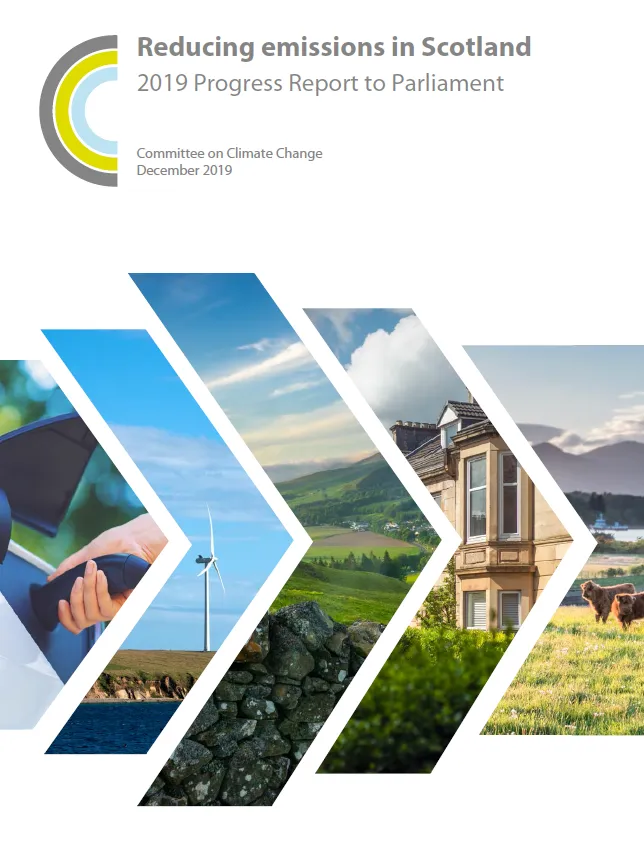
Image Reports Agriculture critical to achieving a Net Zero Scotland This progress report to the Scottish Parliament from the UK’s Committee on Climate Change shows that, while Scotland’s overall greenhouse gas emissions fell by 3% in 2017, the Scottish Parliament's 2030 target to reduce emissions by 75% will be extremely challenging to meet. Read
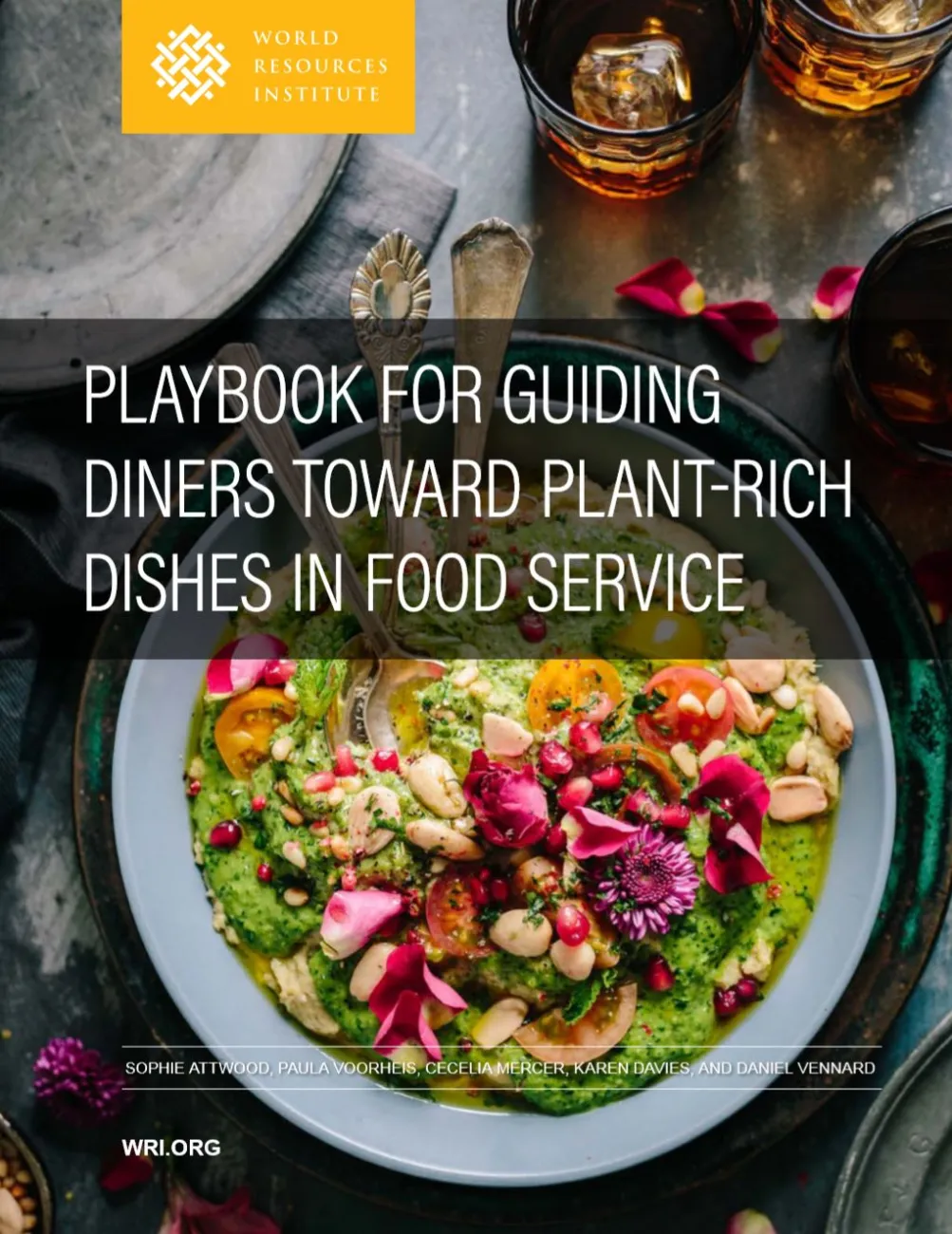
Image Reports Guiding diners toward plant-rich dishes in food service In this report, the global non-profit World Resources Institute lists 23 ways in which the food service sector could encourage diners to choose dishes that contain more plants and less ruminant meat. Read
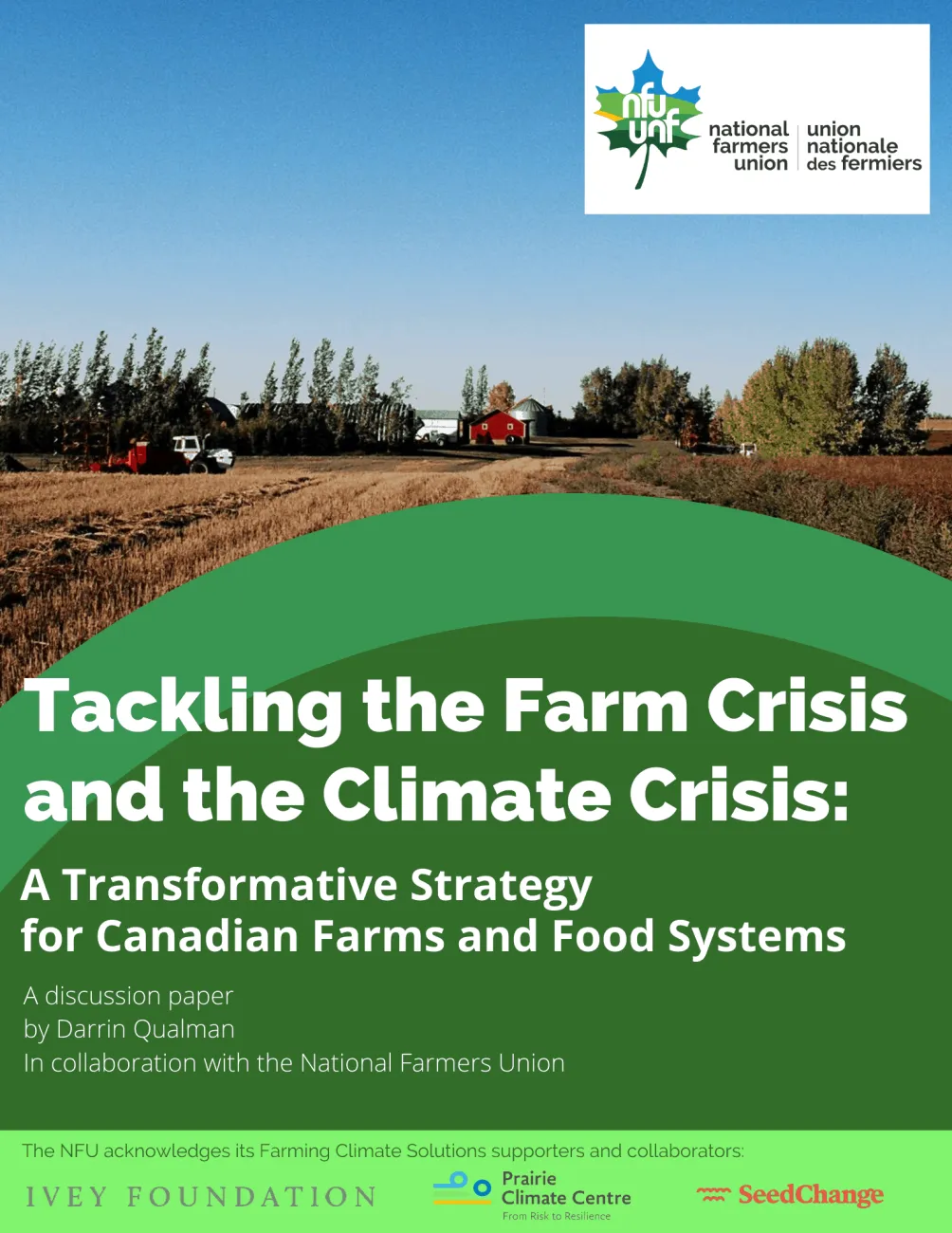
Image Reports Tackling the farm crisis and the climate crisis in Canada This report from Canada’s National Farmers Union examines how climate change is likely to affect agriculture in Canada, and sets out a strategy for the food system to contribute to mitigating the climate crisis. It argues that low-input, low-emission styles of agriculture should be incentivised. Read
Image Reports The Global Risks Report 2020 According to the Global Risks Report 2020 by the global NGO World Economic Forum, the five risks with the greatest likelihood of happening all relate to the environment (as opposed to the economy, society, geopolitics or technology). The five risks are: extreme weather, climate action failure, natural disasters, biodiversity loss and human-made environmental disasters. Read
Journal articles UK attitudes towards vegetarian and vegan diets According to this paper, most meat-eaters think that vegetarian and vegan diets are ethical, good for the environment, healthy and socially acceptable, but also tend to believe that these diets are difficult, not tasty, inconvenient and expensive. Vegetarian diets tend to be viewed more positively than vegan diets across all measures included in the survey, except for ethical considerations and the environment, where vegan and vegetarian diets are viewed equally. Read
Image Featured articles Nutritional composition of modern meat analogues This paper reviews the ingredients and nutrient contents of several plant-based meat alternatives (made from soy, other legumes, mycoprotein and cereals) and compares them to traditional meat products. It finds that no broad conclusions can be drawn about whether meat analogues or traditional meat products are healthier, with their composition varying between products. Read
Image News and resources Apocalypse Cow documentary - is lab food the future? In the documentary Apocalypse Cow, environmentalist and writer George Monbiot argues that much of the current farming system (except for fruit and vegetable production) will be replaced by food from microbes, freeing up large areas of land for rewilding and carbon sequestration. He also calls for fruit and vegetable farming to be reformed, e.g. by using deep-rooted cover crops to build soil fertility. Read
Image News and resources Farm Gate podcast: climate and food security Farmwel chief executive ffinlo Costain has launched a new podcast, Farm Gate, which focuses on practical solutions for climate and food security. The topics covered are relevant for everyone who eats food, but particularly intended for farmers, food chain professionals, and policy-makers. The FCRN’s Tara Garnett was interviewed in the episode Is 'vegan' a dirty word? Read