Image Resources Our extensive research library contains thousands of summaries of journal articles, reports and news stories that can be searched by keyword and category RESOURCES CATEGORY Books Briefing paper Event recording Featured articles Featured report Game Journal articles News and resources Reports Think piece Video Working paper Workshop summary Year 2026 2025 2024 2023 2022 2021 2020 2019 2018 2017 2016 2015 2014 2013 2012 2011 2010 2009 2008 2007 2002 2001 Image Featured articles Consumer food waste could be double previous estimates This paper by Verma et al., with FCRN member Thom Achterbosch as co-author, estimates that consumers across the world are probably wasting over twice as much food as previously believed. The study is based on the FAOSTAT Food Balance Sheets, but goes further than the Food and Agriculture Organisation in that it factors in how consumer affluence affects food waste. It finds that once people spend more than $6.70 per day (in total, not just on food), food waste starts to rise - suggesting that consumer food waste is an issue even in lower-middle income countries, not only in wealthier countries. Read Image News and resources Blog: Degrowth’s relation to animal agriculture This blog post by Joe Herbert, PhD student in Human Geography at Newcastle University and editor for Degrowth.info, argues that the degrowth movement (which advocates for shrinking economic activity) has not sufficiently considered the role of animals in its vision of a “just and redistributive downscaling of material and energetic throughput in wealthy countries as a means to achieve ecological sustainability”. Read Image News and resources Explainer: Warming could trigger nine ‘tipping points’ This explainer from Carbon Brief outlines nine interlinked “tipping points” where climate warming could trigger an abrupt change. They include disintegration of ice sheets, changes in ocean circulation, thawing of permafrost, and dieback of ecosystems such as the Amazon rainforest and coral reefs. Read Image Books Routledge Handbook of Food Waste This book addresses food waste from a variety of perspectives, including agriculture, food science, industrial ecology, history, economics, consumer behaviour, geography, theology, planning, sociology, and environmental policy. Read Image Reports Towards sustainable land use This report from the intergovernmental Organisation for Economic Co-operation and Development draws on the experiences of Brazil, France, Indonesia, Ireland, Mexico and New Zealand to examine how land use policy can be aligned with climate, biodiversity and food objectives. Read Image Reports “True” costs for food system reform This report from the John Hopkins Centre for a Livable Future reviews the most prominent publications on True Cost Accounting, i.e. assessment of the externalities caused by an industry. It looks at how various True Cost Accounting frameworks can be applied to the food system. Read Image Reports A future for the world’s children? This WHO-UNICEF-Lancet Commission examines the effects of climate change and food advertising on children’s health and likelihood of enjoying a good future. The report argues that children’s wellbeing should be placed at the heart of the Sustainable Development Goals. Read Image Reports Damage to ecosystems services to cost £10 trillion by 2050 This report from the global wildlife foundation WWF assesses the global economic impacts of nature loss. It finds that under a business-as-usual scenario, global GDP in 2050 could be 0.67% lower than if six ecosystems services (crop pollination, carbon storage, marine fisheries, protection of coasts from flooding/erosion, water supply and timber production) remain unchanged - a cumulative cost of US$10 trillion. A global conservation strategy could increase global GDP by 0.02% in 2050 relative to no change in these six ecosystems services. Read Image Journal articles Co-producing actionable knowledge for sustainability This paper addresses the concept of co-production of actionable knowledge - where researchers and decision makers interact iteratively to produce knowledge that can be acted on, instead of a one-way flow of information from researchers to decision makers - in relation to research on environmental sustainability. Read VIEW MORE
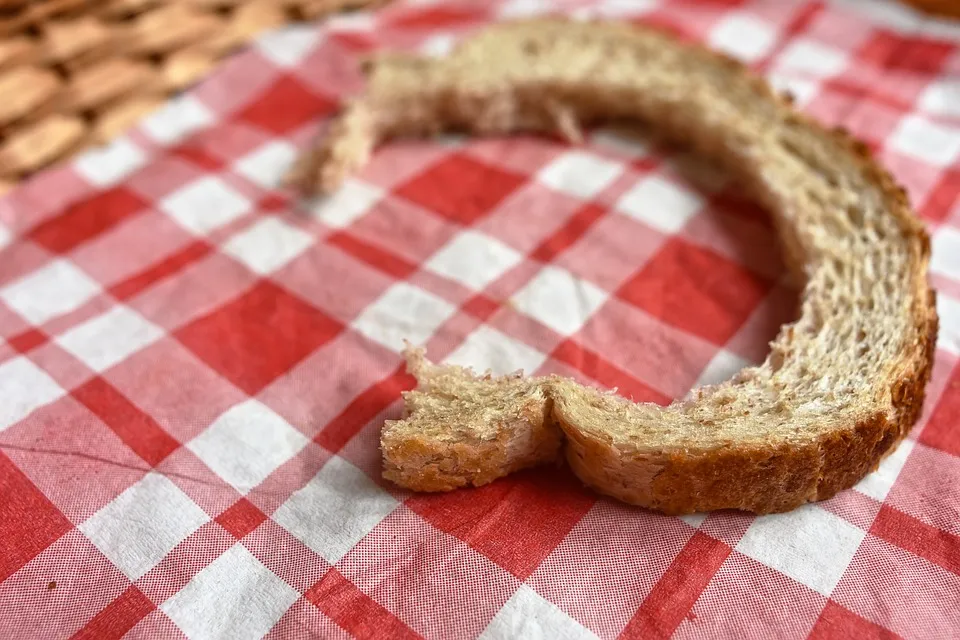
Image Featured articles Consumer food waste could be double previous estimates This paper by Verma et al., with FCRN member Thom Achterbosch as co-author, estimates that consumers across the world are probably wasting over twice as much food as previously believed. The study is based on the FAOSTAT Food Balance Sheets, but goes further than the Food and Agriculture Organisation in that it factors in how consumer affluence affects food waste. It finds that once people spend more than $6.70 per day (in total, not just on food), food waste starts to rise - suggesting that consumer food waste is an issue even in lower-middle income countries, not only in wealthier countries. Read
Image News and resources Blog: Degrowth’s relation to animal agriculture This blog post by Joe Herbert, PhD student in Human Geography at Newcastle University and editor for Degrowth.info, argues that the degrowth movement (which advocates for shrinking economic activity) has not sufficiently considered the role of animals in its vision of a “just and redistributive downscaling of material and energetic throughput in wealthy countries as a means to achieve ecological sustainability”. Read
Image News and resources Explainer: Warming could trigger nine ‘tipping points’ This explainer from Carbon Brief outlines nine interlinked “tipping points” where climate warming could trigger an abrupt change. They include disintegration of ice sheets, changes in ocean circulation, thawing of permafrost, and dieback of ecosystems such as the Amazon rainforest and coral reefs. Read
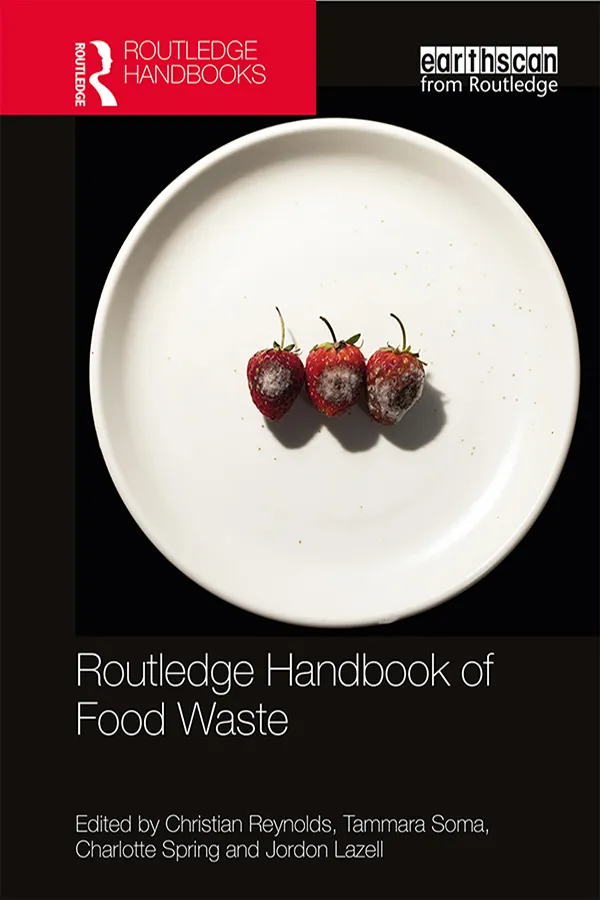
Image Books Routledge Handbook of Food Waste This book addresses food waste from a variety of perspectives, including agriculture, food science, industrial ecology, history, economics, consumer behaviour, geography, theology, planning, sociology, and environmental policy. Read
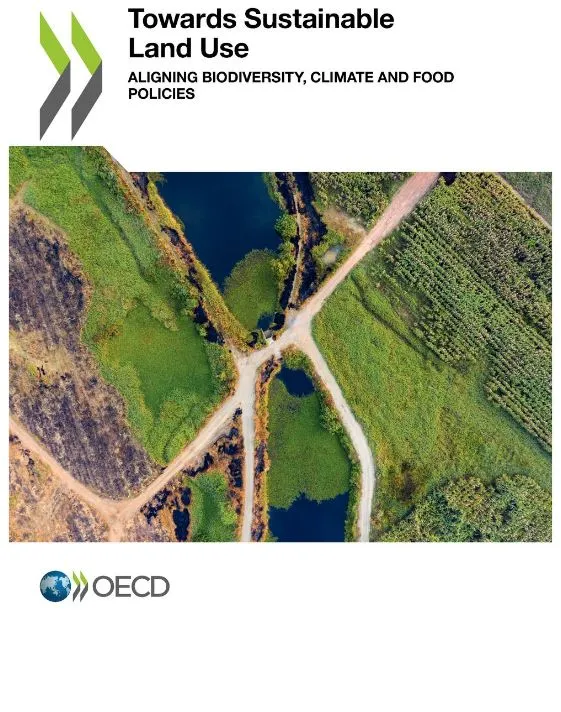
Image Reports Towards sustainable land use This report from the intergovernmental Organisation for Economic Co-operation and Development draws on the experiences of Brazil, France, Indonesia, Ireland, Mexico and New Zealand to examine how land use policy can be aligned with climate, biodiversity and food objectives. Read
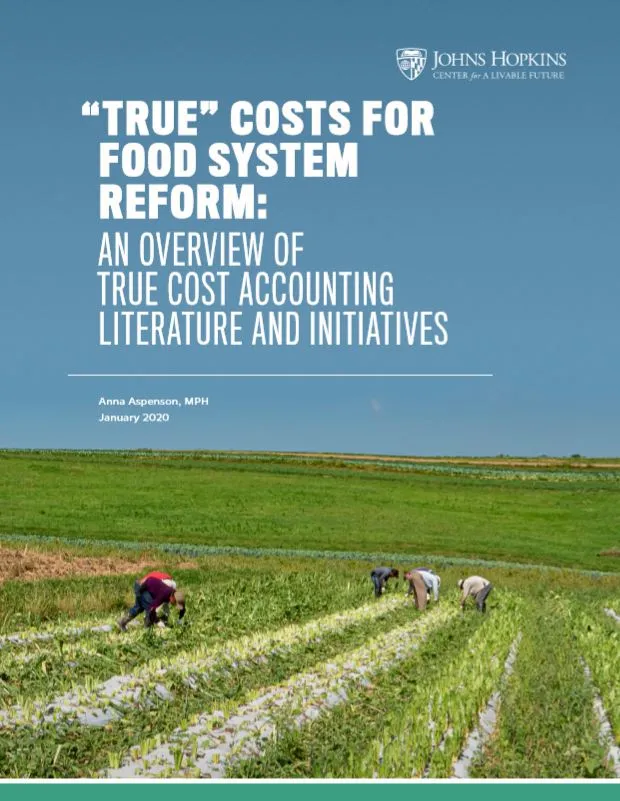
Image Reports “True” costs for food system reform This report from the John Hopkins Centre for a Livable Future reviews the most prominent publications on True Cost Accounting, i.e. assessment of the externalities caused by an industry. It looks at how various True Cost Accounting frameworks can be applied to the food system. Read
Image Reports A future for the world’s children? This WHO-UNICEF-Lancet Commission examines the effects of climate change and food advertising on children’s health and likelihood of enjoying a good future. The report argues that children’s wellbeing should be placed at the heart of the Sustainable Development Goals. Read
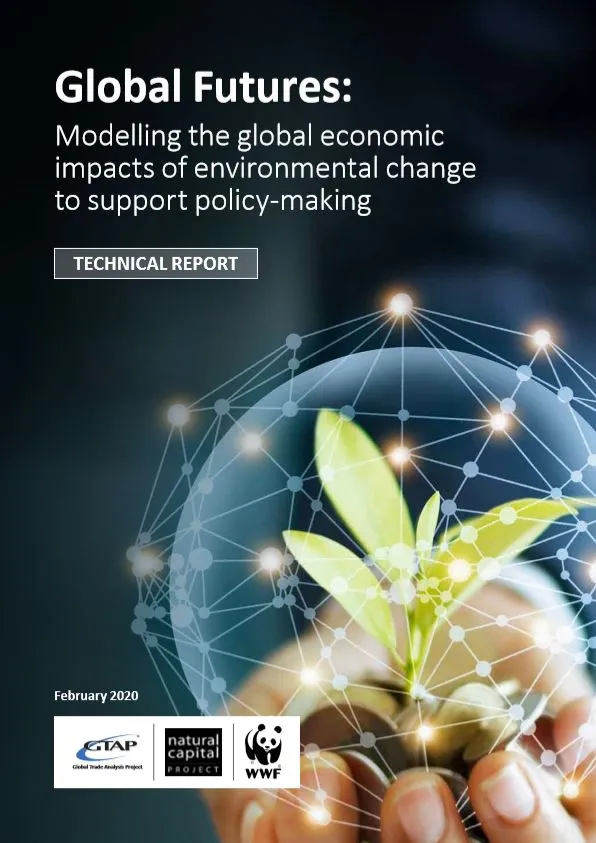
Image Reports Damage to ecosystems services to cost £10 trillion by 2050 This report from the global wildlife foundation WWF assesses the global economic impacts of nature loss. It finds that under a business-as-usual scenario, global GDP in 2050 could be 0.67% lower than if six ecosystems services (crop pollination, carbon storage, marine fisheries, protection of coasts from flooding/erosion, water supply and timber production) remain unchanged - a cumulative cost of US$10 trillion. A global conservation strategy could increase global GDP by 0.02% in 2050 relative to no change in these six ecosystems services. Read
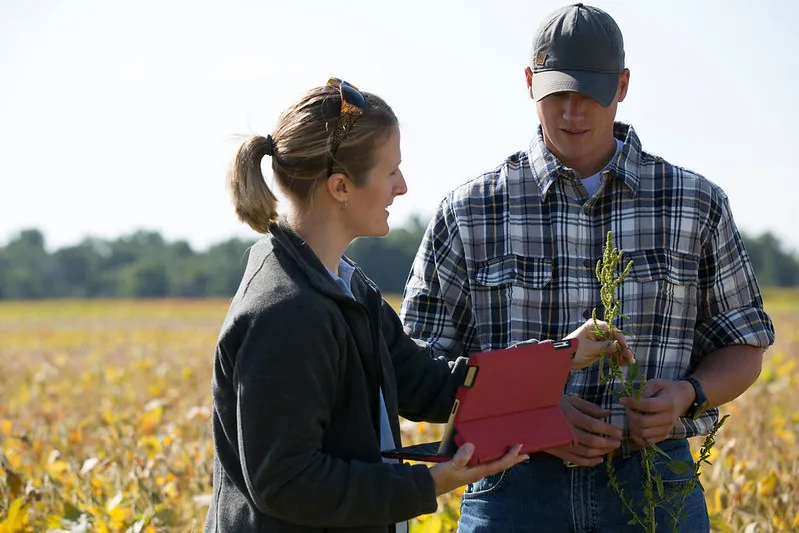
Image Journal articles Co-producing actionable knowledge for sustainability This paper addresses the concept of co-production of actionable knowledge - where researchers and decision makers interact iteratively to produce knowledge that can be acted on, instead of a one-way flow of information from researchers to decision makers - in relation to research on environmental sustainability. Read