Close
Login Register
Search
  • About
    • What We Do
    • Who We Are
    • FAQs
  • Our Writing
    • Explainers
    • Essays
    • Letterbox
    • Reports & More
  • Podcasts
  • Our Events
  • Projects
    • Power In The Food Systems
    • Local-Global Scale Project
    • MEAT: The Four Futures Podcast
    • Fuel To Fork
    • Nature
    • Reckoning with Regeneration
    • SHIFT
    • Games at TABLE
    • Rethinking the Global Soy Dilemma
  • Resources
  • Opportunities
    • Jobs
    • Funding
    • Courses
    • Collaborations
    • Events
  • Newsletter
  • TABLE (EN)
Search
Back

Soils

Image
Image: Hundankbar, Meadow Fog Grass, Pixabay, Pixabay Licence
Journal articles
Climate effects of managed and sparsely grazed grasslands
This paper presents a global analysis of the greenhouse gas balance of the world’s grasslands - both managed and natural - between 1750 and 2012, aiming to separate the direct effects of management by humans and the indirect effects of climate change. It finds that in most world regions, managed grasslands (those grazed by livestock or mown for grass forage) have a net warming effect on the climate, while sparsely grazed grasslands (natural grasslands not affected by livestock, but which may be grazed by wild animals) have a net cooling effect. 
Read
Image
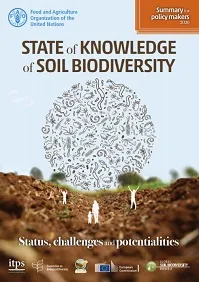
Cover: State of knowledge on soil biodiversity
Reports
State of knowledge of soil biodiversity
This report from the Food and Agriculture Organisation of the United Nations reviews - with the contributions of over 300 scientists - the state of knowledge on soil biodiversity, factors threatening it, and how knowledge of soil biodiversity can be applied to fields such as agriculture, food processing, ecosystem restoration and the pharmaceutical industry.
Read
Image
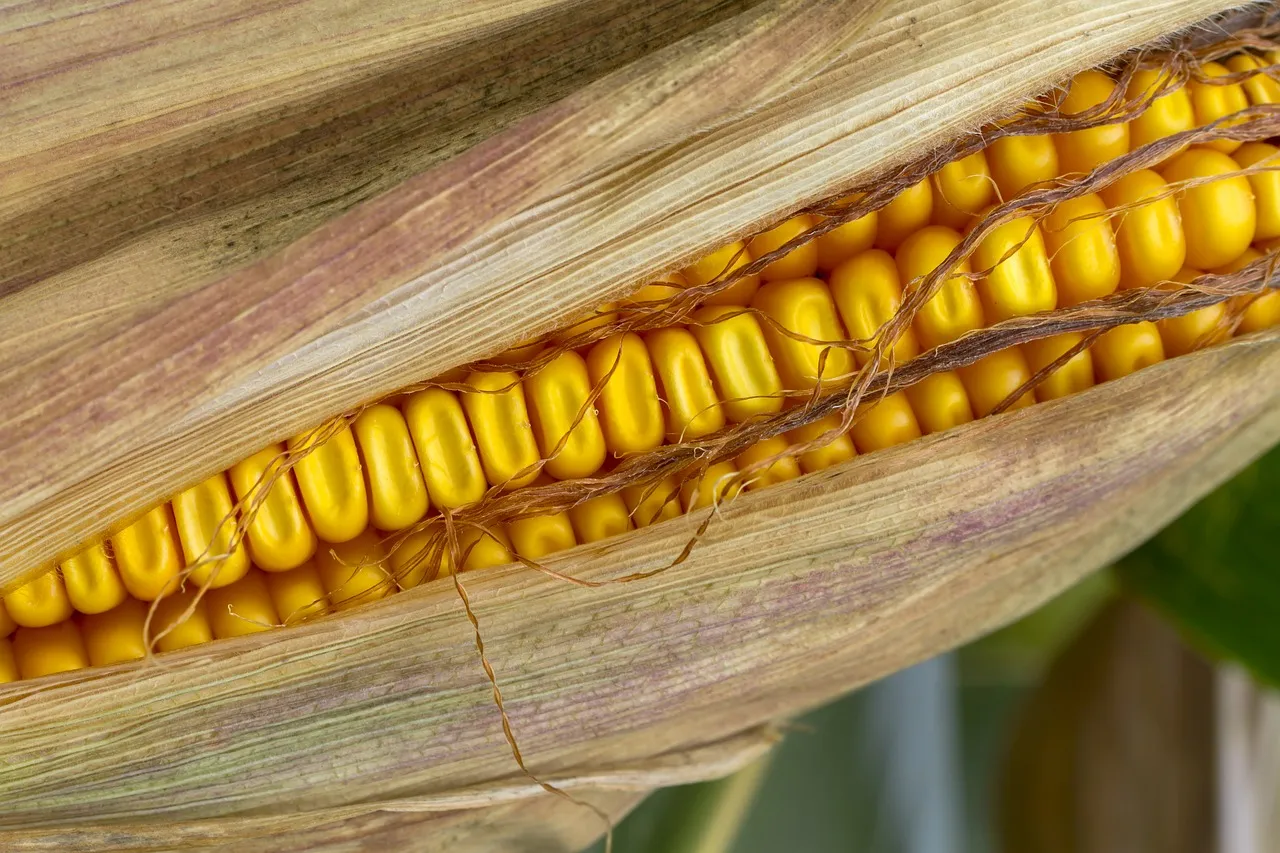
Image: adege, Corn Corn on the Cob, Pixabay, Pixabay Licence
Featured articles
Integrating crop production into land restoration
This paper models how integrating crop production - specifically maize, wheat and rice - into global land restoration efforts could impact food security, carbon sequestration and greenhouse gas emissions. The paper’s scenarios look at how to achieve the Bonn Challenge, which is a global agreement to restore 350 million hectares of deforested or degraded land by 2030. 
Read
Image
Reports
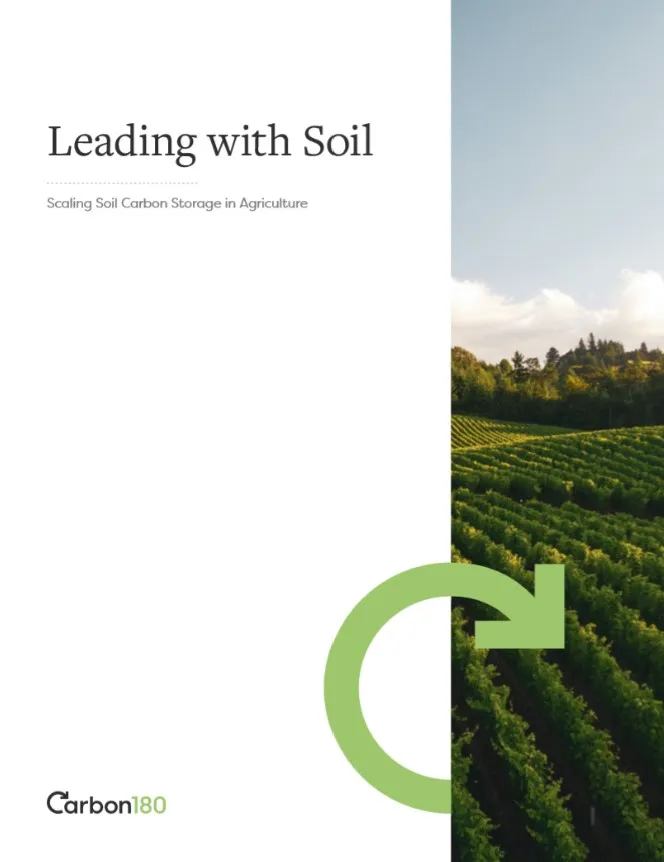
Scaling soil carbon storage in agriculture
This report from US climate NGO Carbon180 examines barriers that farmers in the United States face when moving towards agricultural practices that build soil health and sequester carbon. It finds that they include insufficient technical assistance, scientific knowledge gaps, and a lack of strong and reliable incentives.
Read
Image
Books
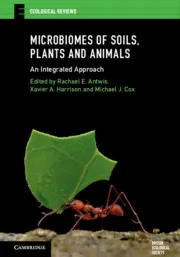
Microbiomes of soils, plants and animals
This book examines how communities of microorganisms (microbiomes) affect their multicellular hosts, including soil, plant, animal and human hosts. It discusses how microbiomes affect the behaviour, nutrition and disease susceptibility of their hosts.
Read
Image
Reports
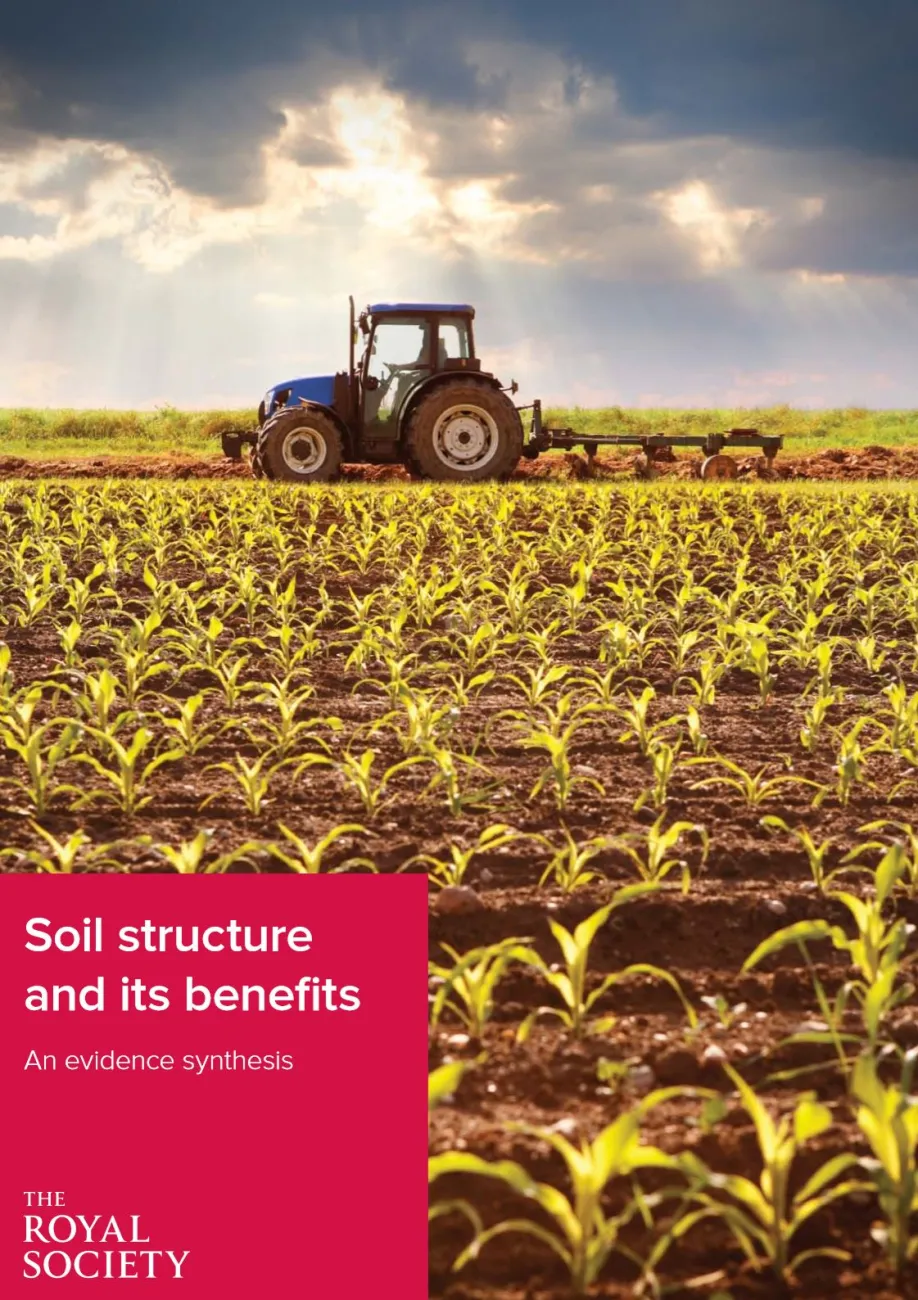
Soil structure and its benefits
This report from the UK’s Royal Society synthesises existing evidence on the links between soil structure and four benefits: biodiversity, agricultural productivity, clean water/flood prevention and climate change mitigation. It also discusses measurement of soil structure and sets out policy recommendations.
Read
Image
News and resources
England is spending little on monitoring soil quality
According to the Freedom of Information request made by the UK non-profit Sustainable Soils Alliance (SSA), the UK government spent only £283,780 on monitoring soil health in England in the year 2017/18, compared to £60.5 million on monitoring freshwater and £7.7 million on monitoring air.
Read
Image
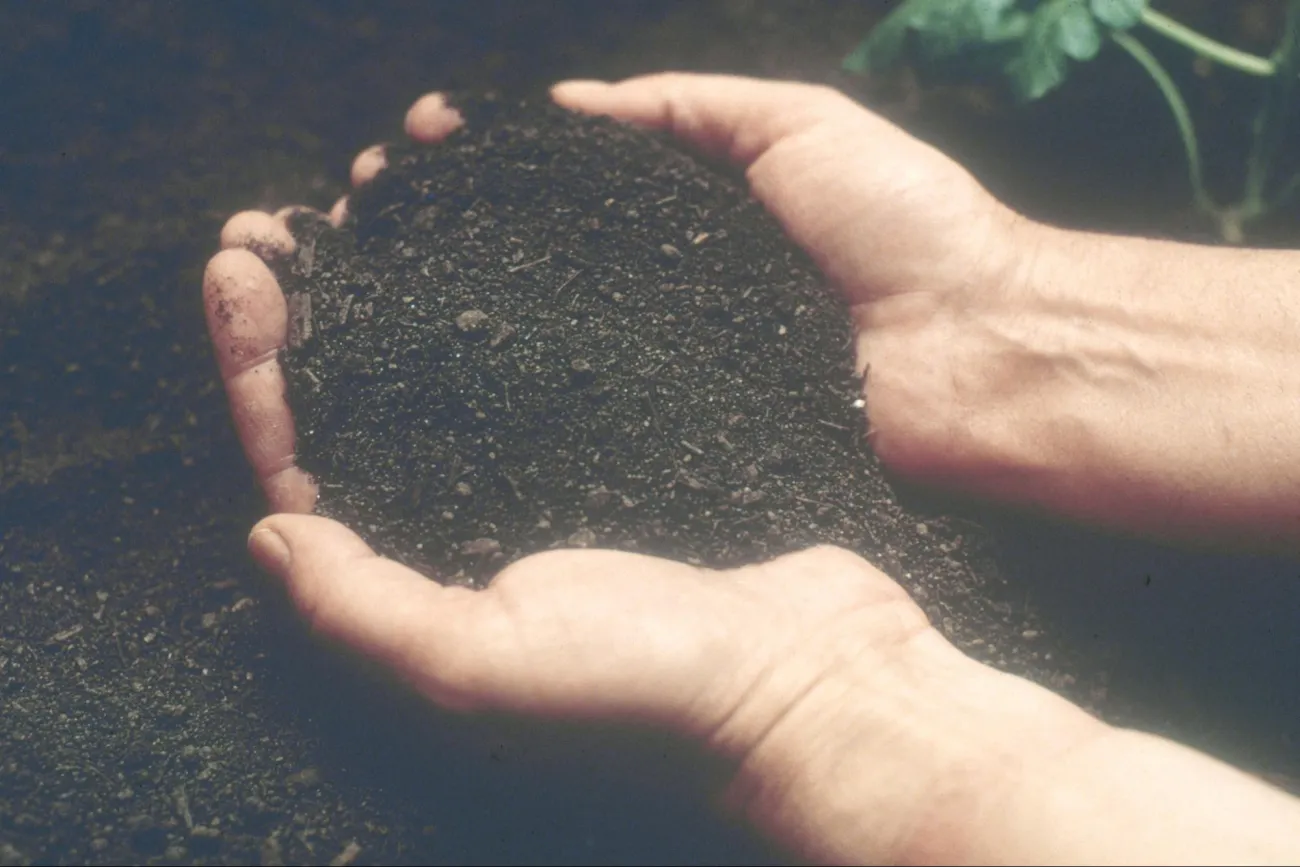
Image: USDA NRCS Montana, Soil Survey, Flickr, Public domain
Featured articles
The role of soil carbon in natural climate solutions
This paper reviews the evidence base around using soil organic carbon as a climate change mitigation measure. It notes that such climate solutions encompass both increasing soil carbon in soils that have not reached their maximum possible carbon content, and conserving carbon in soils that already have a high carbon content (thus avoiding losses that might otherwise have taken place).
Read
Image
News and resources
A pea and lentil renaissance?
This article from Civil Eats examines how the rise of both plant-based diets and regenerative agriculture practices have encouraged more farmers in the United States to grow pulses such as lentils, peas and chickpeas. As pulses become more popular with US consumers, a smaller fraction of the US pulse harvest is exported to other countries.
Read
  • VIEW MORE

Sign up for Fodder, our monthly newsletter unpacking the future of food.

Tick below to opt-in to email communications.

You can change your mind at any time by clicking the unsubscribe link in the footer of any email you receive from us, or by contacting us at info@tabledebates.org.

We use Mailchimp as our marketing platform. By clicking below to subscribe, you acknowledge that your information will be transferred to Mailchimp for processing. Learn more about Mailchimp's privacy practices.

  • Glossary
  • About
  • Our Writing
  • Podcasts
  • Resources

Social

YouTube Facebook Instagram

© Copyright 2025

A collaboration between: