Close
Login Register
Search
  • About
    • What We Do
    • Who We Are
    • FAQs
  • Our Writing
    • Explainers
    • Essays
    • Letterbox
    • Reports & More
  • Podcasts
  • Our Events
  • Projects
    • Power In The Food Systems
    • Local-Global Scale Project
    • MEAT: The Four Futures Podcast
    • Fuel To Fork
    • Nature
    • Reckoning with Regeneration
    • SHIFT
    • Games at TABLE
    • Rethinking the Global Soy Dilemma
  • Resources
  • Opportunities
    • Jobs
    • Funding
    • Courses
    • Collaborations
    • Events
  • Newsletter
  • TABLE (EN)
Search
Back

Governance, policy, and power

Image
The Guardian logo
News and resources
Civil society groups to boycott UN Food Systems Summit
According to this story in the Guardian newspaper, hundreds of farming and human rights groups are planning to boycott the United Nations Food Systems Summit, which is due to take place in September 2021. The Civil Society and Indigenous Peoples’ Mechanism, which represents civil society organisations working on food security, has raised concerns that the Summit may be too strongly influenced by corporate interests, lacks sufficient emphasis on human rights, and underestimates the extent to which food systems must be transformed. The Mechanism intends to set up alternative talks to run in parallel with the Summit.
Read
Image
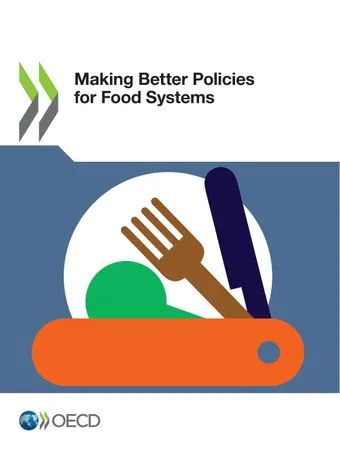
Making better policies for food systems
Reports
Making better policies for food systems
This report from the Organisation for Economic Cooperation and Development (OECD) examines three questions: how have food systems performed to date and what role did policies play? How can policy makers design coherent policies across the triple challenge of providing food security, livelihoods and environmental protection? How should policymakers treat the facts, interests, and values that often complicate the task of achieving better policies? It also presents case studies on the seed sector, ruminant livestock and processed foods.
Read
Image
Deep agroecology and the Homeric epics book cover
Books
Deep agroecology and the Homeric epics
This book argues that transitioning from today’s industrial food system towards a more sustainable system requires cultural shifts. The author draws inspiration from themes in the Homeric epics to propose a new environmental governance model based on “eco‐states responsible for agroecological management”.
Read
Image
Image: US EPA, Food waste piles up, Flickr, US Government Works Licence
Essay
Why the climate emergency demands food waste regulation
Martin Bowman is the Senior Policy and Campaigns Manager at Feedback, managing Feedback’s campaigns related to food waste and anaerobic digestion. He was previously the UK coordinator for Feedback’s Gleaning Network and worked on its Pig Idea campaign. He is a contributor to Routledge Handbook of Food Waste, a TEDx speaker, and has helped coordinate several This Is Rubbish campaigns.
Read
Image
Norden logo
News and resources
Cookbook for systems change: Nordic innovation strategies
The Nordic Food Policy Lab has produced an online “Cookbook for systems change”, co-authored by former Table colleague Marie Persson. Using a “mission-based” approach, the Cookbook sets out strategies that can be used to trigger food systems innovation. It is primarily aimed at national and regional government innovation bodies, but also discusses the role that entrepreneurs, civil society and researchers can play.
Read
Image
Geographies of food: an introduction book cover
Books
Geographies of food: an introduction
This book, published February 2021, uses case studies from across the globe to discuss the future of food. Chapters cover food and place identities, politics of agricultural production, food trade, hunger and malnutrition, food insecurity in rich countries, and future scenarios for sustainable food and farming.
Read
Image
Image: kalhh, Horizontal bathroom scale, Pixabay, Pixabay Licence
Journal articles
Is obesity policy in England fit for purpose?
This paper reviews the effectiveness of government obesity policies in England for the period 1992 to 2020. It finds that these policies have tended to rely on the behaviour changes of individuals and avoid more interventionist approaches, that governments do not regularly assess the effectiveness of past obesity strategies, and that obesity has not become less prevalent despite 14 different obesity strategies being published over the period of study.
Read
Image
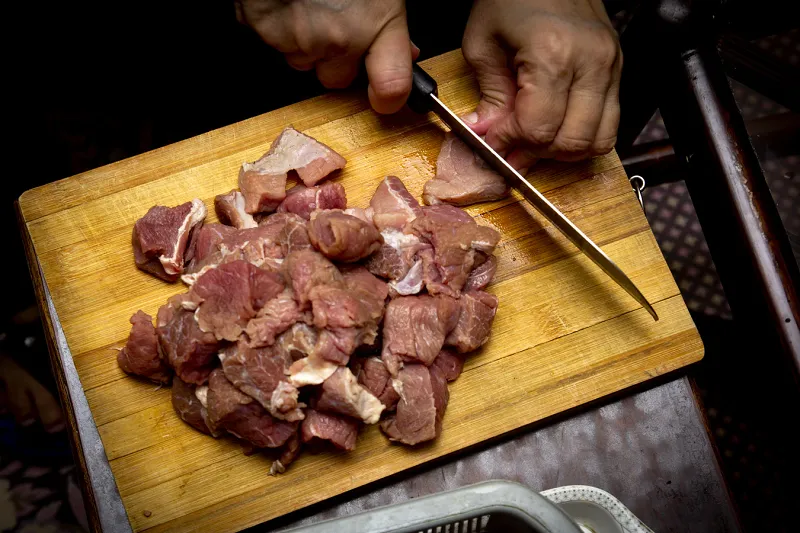
Image: Usman Yousaf, Sliced meat on brown wooden chopping board, Unsplash, Unsplash Licence
Journal articles
The political challenge of red and processed meat reduction
This paper outlines the political, economic and cultural factors that present a challenge to efforts to reduce the consumption of red and processed meat (RPM), particularly in high-income settings. The study focuses mainly on high-income countries such as the US, UK, Australia and Sweden.
Read
Image
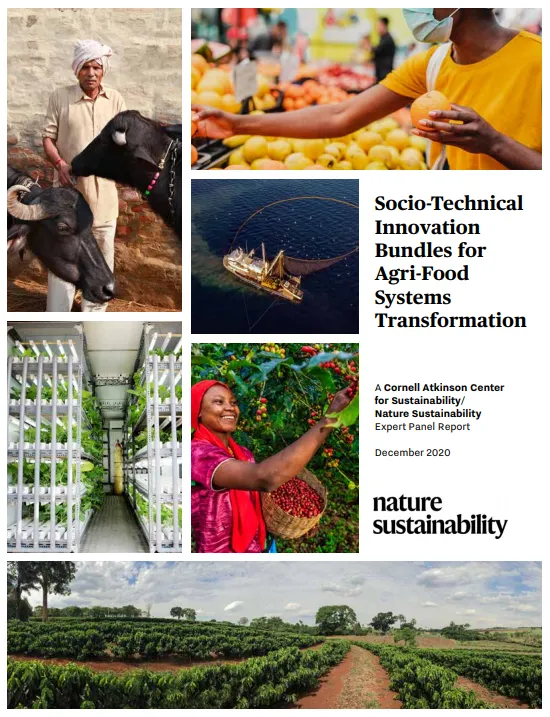
Socio-technical innovation bundles for food transformation report cover
Reports
Socio-technical innovation bundles for food transformation
This report by the Cornell Atkinson Centre for Sustainability and Nature Sustainability examines the technological scope for moving to food systems that are healthy, equitable, resilient and sustainable. It finds that successfully scaling up promising technologies depends on specific “biophysical, political, socio-economic, and cultural contexts”, and therefore proposes creating “socio-technical innovation bundles” that are customised to the relevant context.
Read
  • VIEW MORE

Sign up for Fodder, our monthly newsletter unpacking the future of food.

Tick below to opt-in to email communications.

You can change your mind at any time by clicking the unsubscribe link in the footer of any email you receive from us, or by contacting us at info@tabledebates.org.

We use Mailchimp as our marketing platform. By clicking below to subscribe, you acknowledge that your information will be transferred to Mailchimp for processing. Learn more about Mailchimp's privacy practices.

  • Glossary
  • About
  • Our Writing
  • Podcasts
  • Resources

Social

YouTube Facebook Instagram

© Copyright 2025

A collaboration between: