Image Resources Our extensive research library contains thousands of summaries of journal articles, reports and news stories that can be searched by keyword and category RESOURCES CATEGORYBooksBriefing paperEvent recordingFeatured articlesFeatured reportGameJournal articlesNews and resourcesReportsThink pieceVideoWorking paperWorkshop summary YEAR201220132014201520162017201820192020202120222023202420252026 Image Journal articles The UNFSS and the battle over authority and legitimacy This article examines different visions about how global food systems should be governed, focusing on two main areas of contestation: authority and legitimacy. The authors use the United Nations Food Systems Summit (and its historical context) as a starting point for discussion; the 2021 UNFSS was heavily criticised by the food sovereignty movement for its perceived links to large corporations, philanthropic organisations and powerful states. Read Image News and resources Database: Teaching resources on agriculture, nutrition & health The Agriculture, Nutrition and Health (ANH) Academy curates a database of teaching resources on interdisciplinary agriculture, nutrition and health topics, including journals, online courses, lecture slides, games, infographics and other recommended reading. Read Image Books Infinity Fish: Economics and the Future of Fish and Fisheries This book explores the economic aspects of conserving marine resources such as fisheries. It includes case studies as well as examples of applying cost-benefit analyses. Read Image Books The Politics of Food Provisioning in Colombia This book uncovers the conflicts and politics of food provisioning in Colombia: who produces what and where, and with what socio-economic effects. The book explains the re-emergence of national agrarian movements, their contestation of the dominant development narratives and their engagement in discussions about food sovereignty with the state. Read Image Reports Mapping the UK food system’s GHG emissions This report from UK charity WRAP, co-authored by TABLE member Hamish Forbes, provides a comprehensive mapping of the carbon footprint of UK food and drink consumption, building up a detailed sector-by-sector analysis of where emissions arise and how that has changed from 2015 to 2019. Showing the importance of the food sector in achieving net zero targets, it finds that a 50% reduction in the UK’s food-related emissions by 2030 (compared to 2015) is possible, but only if urgent action is taken. Read Image Reports Serving Better: A guide for local authorities This report from UK NGO Eating Better offers guidance for local authorities on how to source and serve healthier, more sustainable meals, for example in schools. It focuses on meat and dairy and proposes a 25% reduction in the amount of meat (of all types) and dairy served by local authorities, as well as sourcing 25% of meat and dairy served from “better” production systems. “Better” in this case means farming that uses lower levels of antibiotics, emphasises local feed sources and promotes animal welfare. The higher costs of “better” meat and dairy can be offset by increased use of vegetables and plant protein. Read Image Reports State of the Industry Report: Alternative seafood This report from the Good Food Institute sets out the current state of the growing seafood alternatives industry, covering the industry’s commercial landscape, investment, sales data, and consumer insights from January 2020 to June 2021. It includes plant-based, cellular agriculture and fermentation-based forms of seafood alternatives. Read Image Reports Cutting livestock methane key to achieving climate targets This report from Dutch NGO the Changing Markets Foundation argues that a lack of attention to reducing methane emissions puts the world at greater risk of reaching climate tipping points. It analyses the climate commitments of the 18 countries with the biggest meat and dairy industries, as well as the largest meat and dairy companies worldwide, and finds that neither governments nor corporations are taking sufficient action on cutting methane emissions. Read Image Reports Soil health: a security threat profile This report by the Food & Global Security Network, a project of Farmwel and FAI Farms, argues that soil health should be recognised as a security issue and therefore also addressed by defence departments within governments. It argues that agroecology and regenerative farming are viable options for producing food while mitigating the security threats of poor soil health. Read VIEW MORE
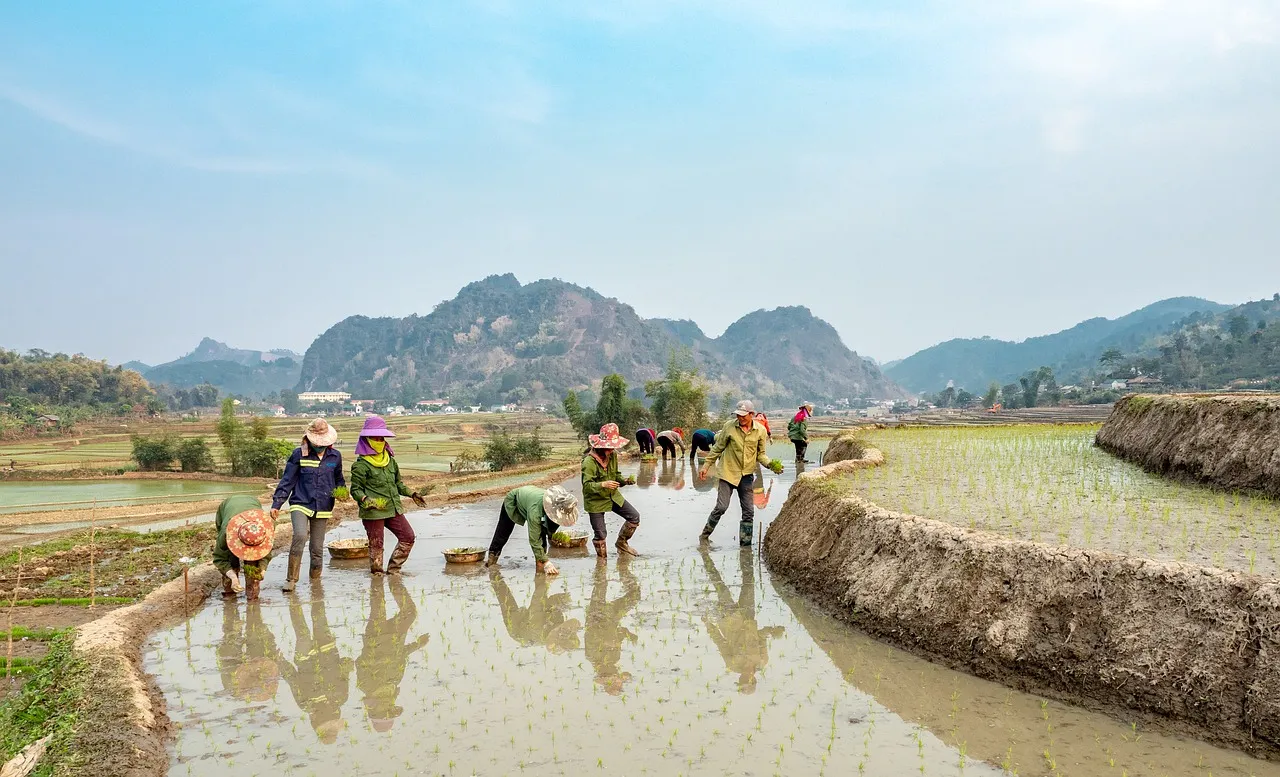
Image Journal articles The UNFSS and the battle over authority and legitimacy This article examines different visions about how global food systems should be governed, focusing on two main areas of contestation: authority and legitimacy. The authors use the United Nations Food Systems Summit (and its historical context) as a starting point for discussion; the 2021 UNFSS was heavily criticised by the food sovereignty movement for its perceived links to large corporations, philanthropic organisations and powerful states. Read
Image News and resources Database: Teaching resources on agriculture, nutrition & health The Agriculture, Nutrition and Health (ANH) Academy curates a database of teaching resources on interdisciplinary agriculture, nutrition and health topics, including journals, online courses, lecture slides, games, infographics and other recommended reading. Read
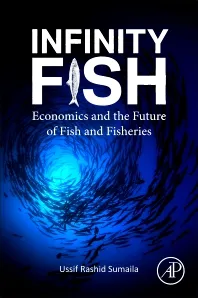
Image Books Infinity Fish: Economics and the Future of Fish and Fisheries This book explores the economic aspects of conserving marine resources such as fisheries. It includes case studies as well as examples of applying cost-benefit analyses. Read
Image Books The Politics of Food Provisioning in Colombia This book uncovers the conflicts and politics of food provisioning in Colombia: who produces what and where, and with what socio-economic effects. The book explains the re-emergence of national agrarian movements, their contestation of the dominant development narratives and their engagement in discussions about food sovereignty with the state. Read
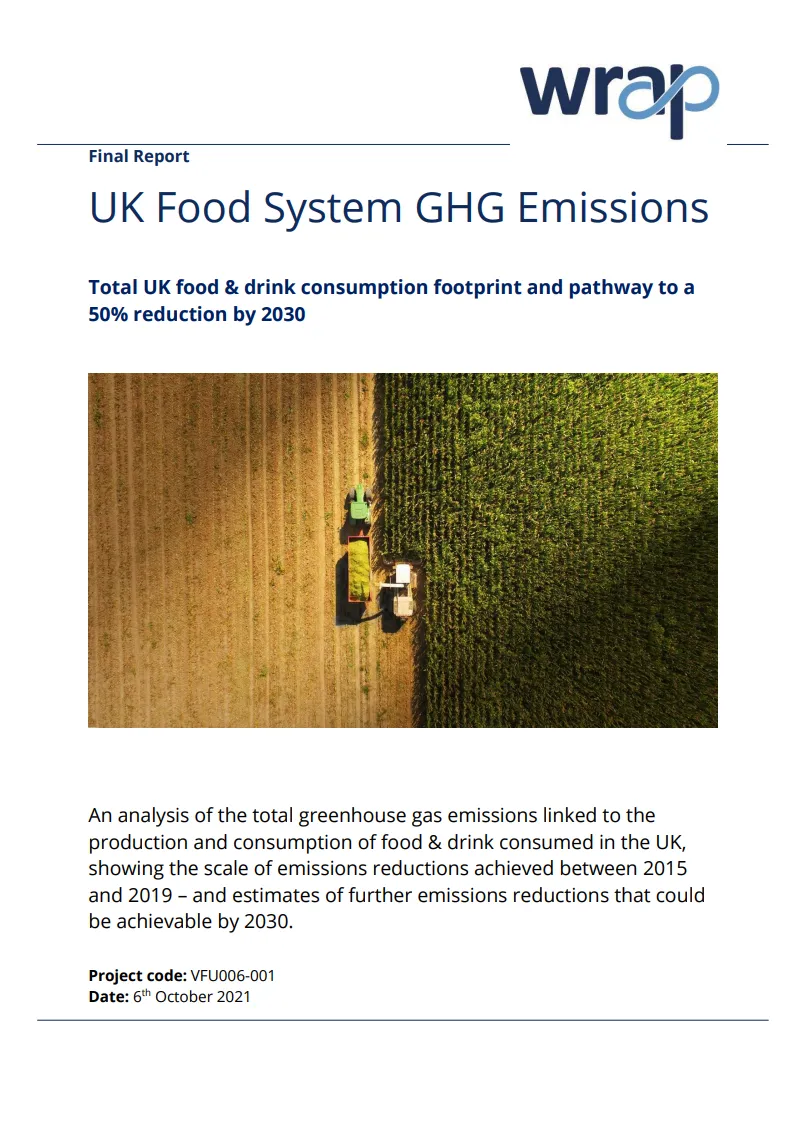
Image Reports Mapping the UK food system’s GHG emissions This report from UK charity WRAP, co-authored by TABLE member Hamish Forbes, provides a comprehensive mapping of the carbon footprint of UK food and drink consumption, building up a detailed sector-by-sector analysis of where emissions arise and how that has changed from 2015 to 2019. Showing the importance of the food sector in achieving net zero targets, it finds that a 50% reduction in the UK’s food-related emissions by 2030 (compared to 2015) is possible, but only if urgent action is taken. Read
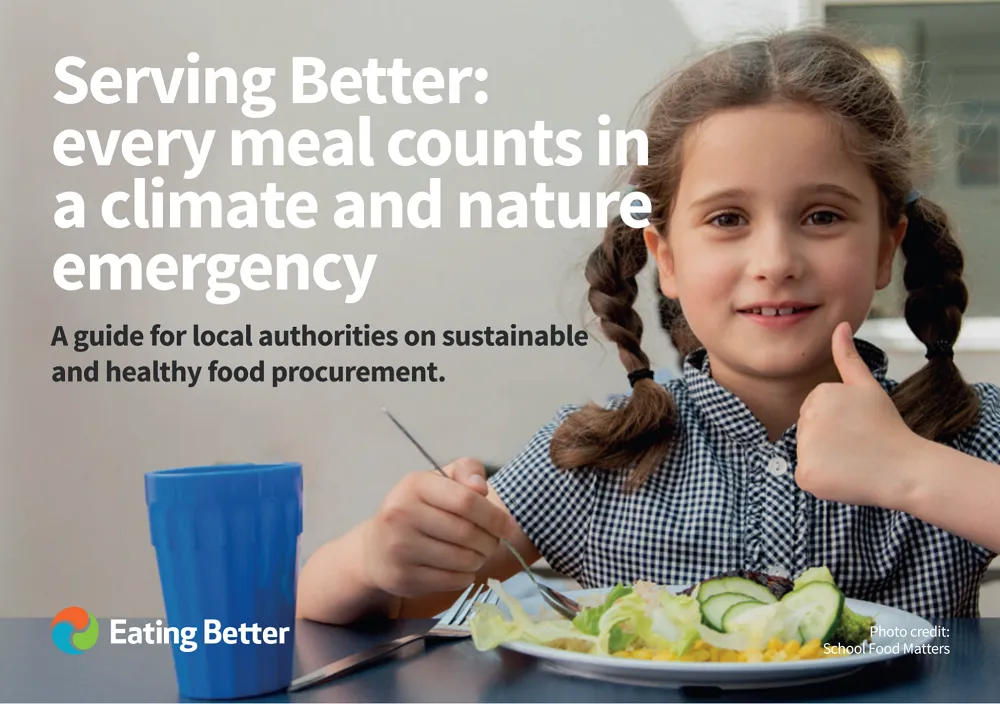
Image Reports Serving Better: A guide for local authorities This report from UK NGO Eating Better offers guidance for local authorities on how to source and serve healthier, more sustainable meals, for example in schools. It focuses on meat and dairy and proposes a 25% reduction in the amount of meat (of all types) and dairy served by local authorities, as well as sourcing 25% of meat and dairy served from “better” production systems. “Better” in this case means farming that uses lower levels of antibiotics, emphasises local feed sources and promotes animal welfare. The higher costs of “better” meat and dairy can be offset by increased use of vegetables and plant protein. Read
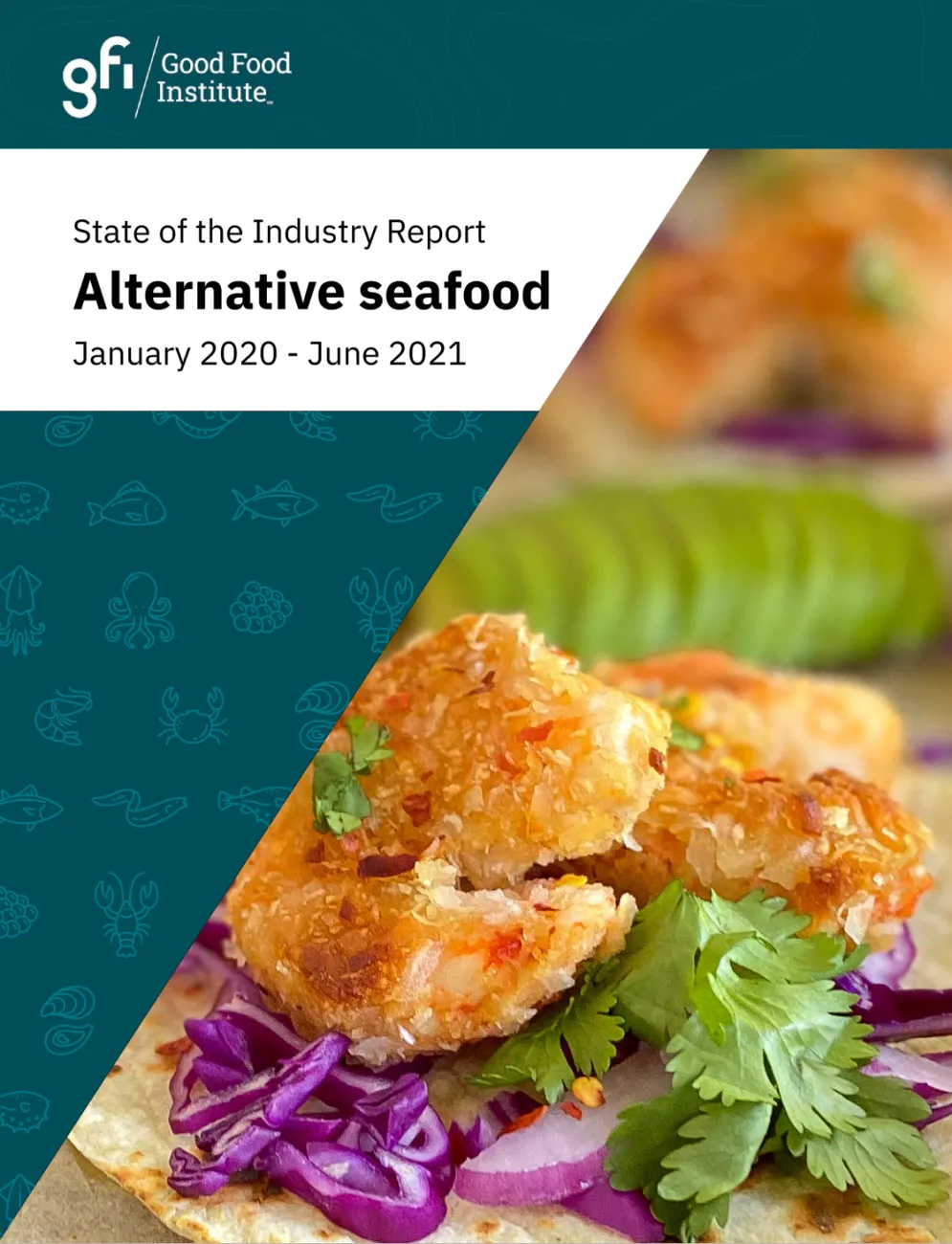
Image Reports State of the Industry Report: Alternative seafood This report from the Good Food Institute sets out the current state of the growing seafood alternatives industry, covering the industry’s commercial landscape, investment, sales data, and consumer insights from January 2020 to June 2021. It includes plant-based, cellular agriculture and fermentation-based forms of seafood alternatives. Read
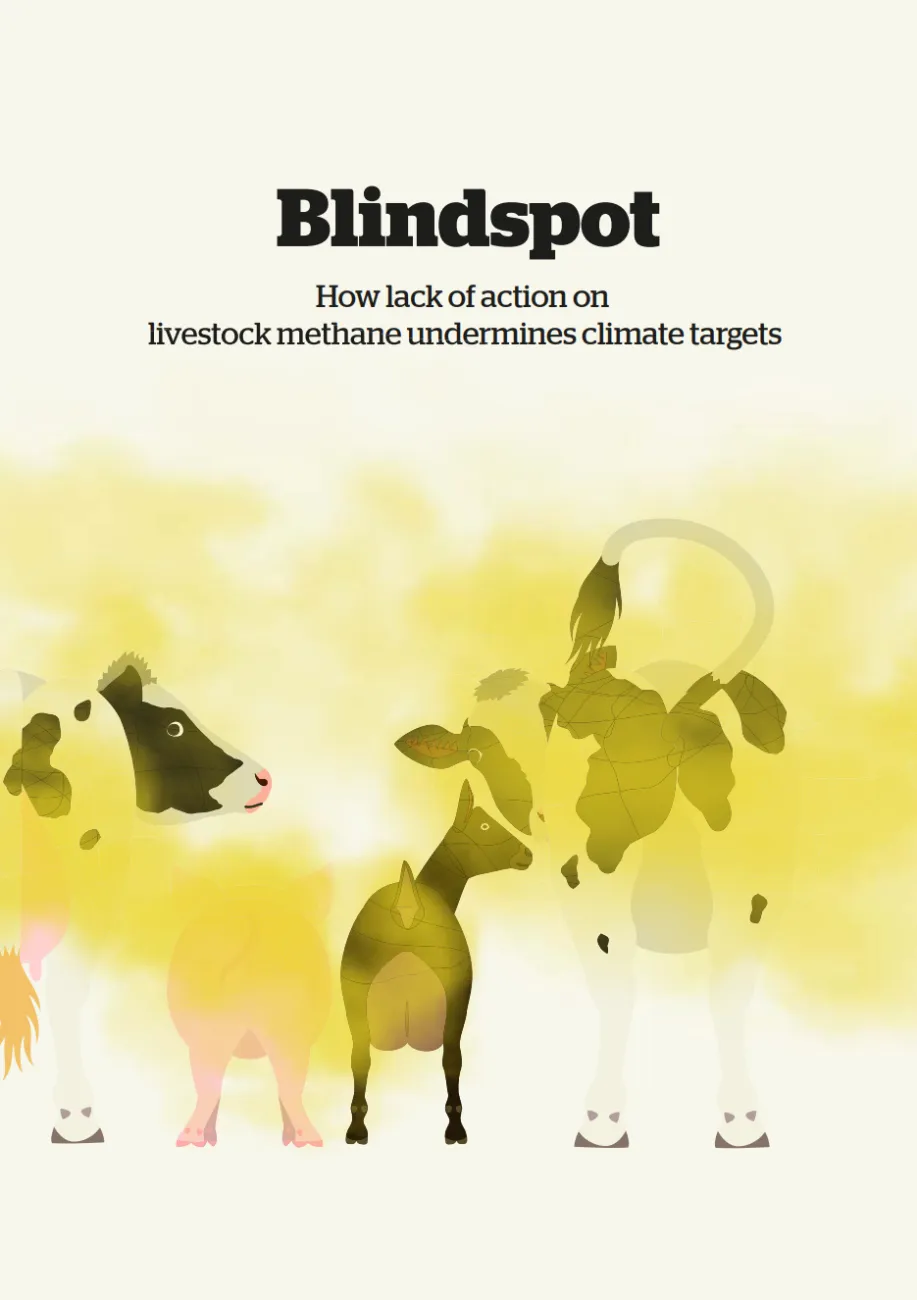
Image Reports Cutting livestock methane key to achieving climate targets This report from Dutch NGO the Changing Markets Foundation argues that a lack of attention to reducing methane emissions puts the world at greater risk of reaching climate tipping points. It analyses the climate commitments of the 18 countries with the biggest meat and dairy industries, as well as the largest meat and dairy companies worldwide, and finds that neither governments nor corporations are taking sufficient action on cutting methane emissions. Read
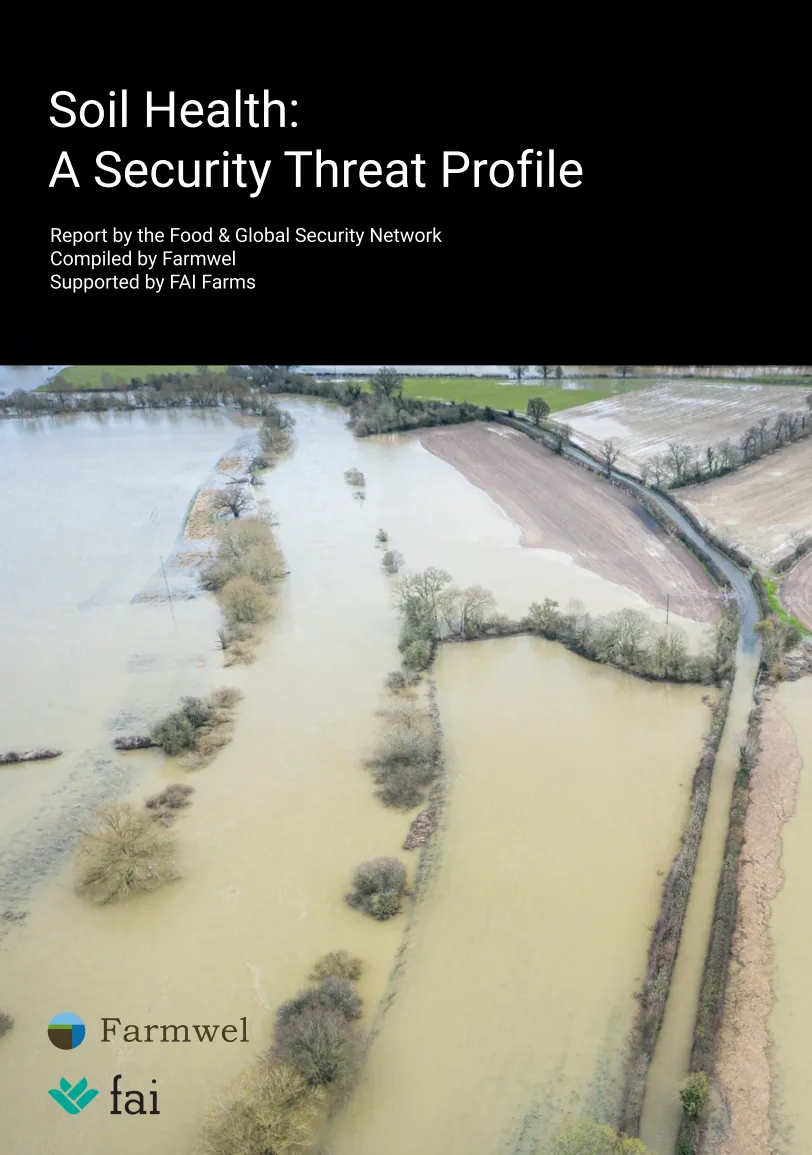
Image Reports Soil health: a security threat profile This report by the Food & Global Security Network, a project of Farmwel and FAI Farms, argues that soil health should be recognised as a security issue and therefore also addressed by defence departments within governments. It argues that agroecology and regenerative farming are viable options for producing food while mitigating the security threats of poor soil health. Read