Image Resources Our extensive research library contains thousands of summaries of journal articles, reports and news stories that can be searched by keyword and category RESOURCES CATEGORY Books Briefing paper Event recording Featured articles Featured report Game Journal articles News and resources Reports Think piece Video Working paper Workshop summary Year 2026 2025 2024 2023 2022 2021 2020 2019 2018 2017 2016 2015 2014 2013 2012 2011 2010 2009 2008 2007 2002 2001 Image Books Making a Stand for Animals This book makes the case against “speciesism” - i.e. discrimination against nonhuman animals. It considers both wild and domesticated animals, and discusses how we can live without exploiting animals. Read Image Books Anthropocene Ecologies of Food: Notes from the Global South This book examines the concept of the Anthropocene by discussing food production, culinary practices and representation of food in film, literature and other media. It focuses on the Indian geographical and cultural context, seeking to correct the absence of analyses of “Anthropocene ecologies of food” focused on the Global South. Read Image Reports Alternative Proteins Roadmap: identifying UK priorities This report from UK Research and Innovation discusses the future of the alternative protein sector in the UK, drawing on a workshop held with representatives of industry, research and policymaking. It discusses plant proteins (e.g. pulses, lupins), fermentation processes (algae, bacteria, fungi, mammalian cells) and novel systems such as insect proteins and new types of aquaculture. Read Image Reports American national competitiveness and the future of meat This report, produced jointly by the Good Food Institute and the Breakthrough Institute, argues that the United States should attempt to take the lead in the rapidly developing alternative proteins sector, including cellular agriculture. It frames the move towards alternative proteins as being driven not just by technological developments and investment, but also by increased consumer demand for protein coupled with public concerns about health and sustainability. As we note in the TABLE explainer What is ecomodernism?, the ecomodernism movement (of which the Breakthrough Institute is part) tends not to seek to actively influence consumption patterns but rather seeks to meet demand sustainably. Read Image Reports High Steaks: Reducing agricultural methane in the EU This policy briefing from the Changing Markets Foundation argues that it will be very difficult for the European Union to meet its 2030 methane reduction targets without bringing in extra measures in the meat and dairy industries. 36% of the EU’s methane reductions could come from the agricultural sector, it estimates. Read Image Reports Feeding Britain from the ground up This report from the UK’s Sustainable Food Trust models the impacts on food production, land use, diets and self-sufficiency of a country-wide switch to sustainable farming methods, based on mixed farming rotations and grazing livestock. Read Image Journal articles Do European think tanks link meat with climate change? This paper analyses how over 100 European think tanks talk about the links between animal-sourced foods and climate change, seeking to understand how they have influenced policymakers’ attitudes to the issue. It argues that the failure of many think tank documents to link the two issues contributes to a wider lack of attention to the environmental impacts of diets. Read Image Journal articles From rituals to laws: animal slaughter in Norway This paper explores the changing relationship between people and animal slaughter in Norway since the early 20th century. It argues that a broad shift has occurred away from rituals that make animal slaughter meaningful and socially acceptable, and towards a “judicialisation” of animal slaughter - meaning that laws, rather than rituals, now regulate animal deaths. The authors argue that while the increased importance of regulation has contributed to stricter animal welfare practices, it also alienates consumers from the animals they eat. Read Image Journal articles Climate warming could reduce diversity of soil microbes The importance of soil health for producing food and the complexity of life found within soil are increasingly visible in food systems debates. This paper investigates how the diversity of microbes within soils may be affected by warming climates. Read VIEW MORE
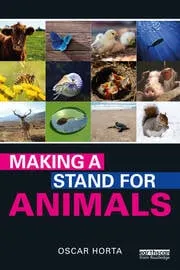
Image Books Making a Stand for Animals This book makes the case against “speciesism” - i.e. discrimination against nonhuman animals. It considers both wild and domesticated animals, and discusses how we can live without exploiting animals. Read
Image Books Anthropocene Ecologies of Food: Notes from the Global South This book examines the concept of the Anthropocene by discussing food production, culinary practices and representation of food in film, literature and other media. It focuses on the Indian geographical and cultural context, seeking to correct the absence of analyses of “Anthropocene ecologies of food” focused on the Global South. Read
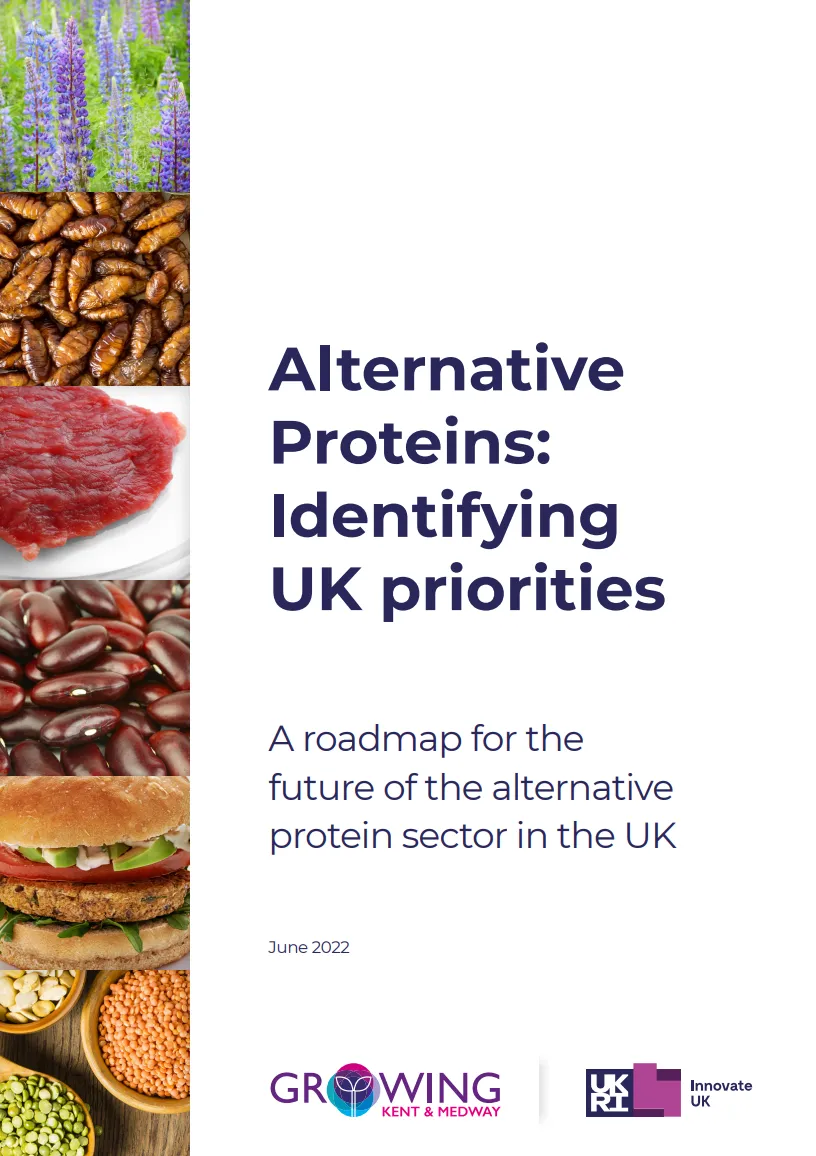
Image Reports Alternative Proteins Roadmap: identifying UK priorities This report from UK Research and Innovation discusses the future of the alternative protein sector in the UK, drawing on a workshop held with representatives of industry, research and policymaking. It discusses plant proteins (e.g. pulses, lupins), fermentation processes (algae, bacteria, fungi, mammalian cells) and novel systems such as insect proteins and new types of aquaculture. Read
Image Reports American national competitiveness and the future of meat This report, produced jointly by the Good Food Institute and the Breakthrough Institute, argues that the United States should attempt to take the lead in the rapidly developing alternative proteins sector, including cellular agriculture. It frames the move towards alternative proteins as being driven not just by technological developments and investment, but also by increased consumer demand for protein coupled with public concerns about health and sustainability. As we note in the TABLE explainer What is ecomodernism?, the ecomodernism movement (of which the Breakthrough Institute is part) tends not to seek to actively influence consumption patterns but rather seeks to meet demand sustainably. Read
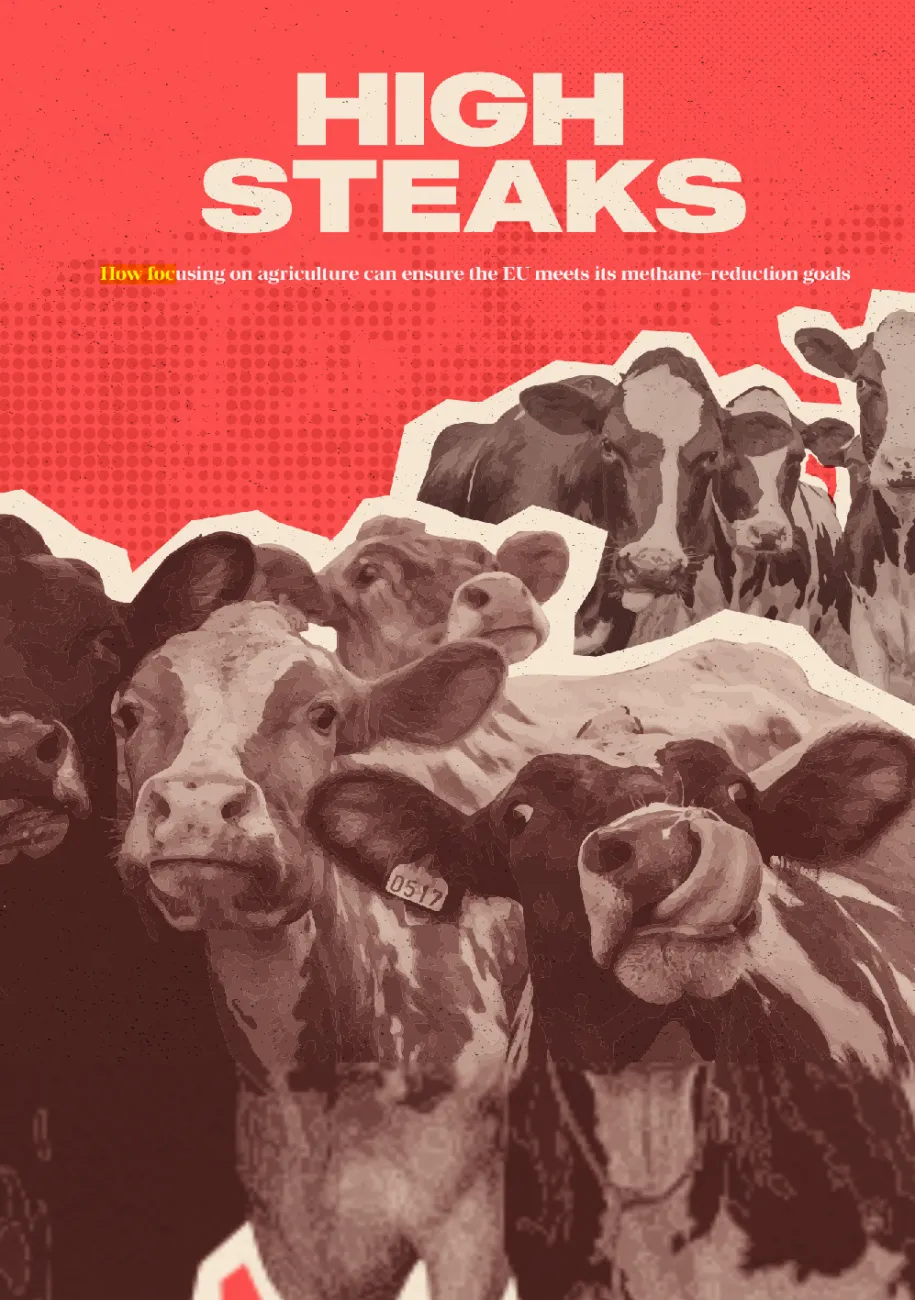
Image Reports High Steaks: Reducing agricultural methane in the EU This policy briefing from the Changing Markets Foundation argues that it will be very difficult for the European Union to meet its 2030 methane reduction targets without bringing in extra measures in the meat and dairy industries. 36% of the EU’s methane reductions could come from the agricultural sector, it estimates. Read
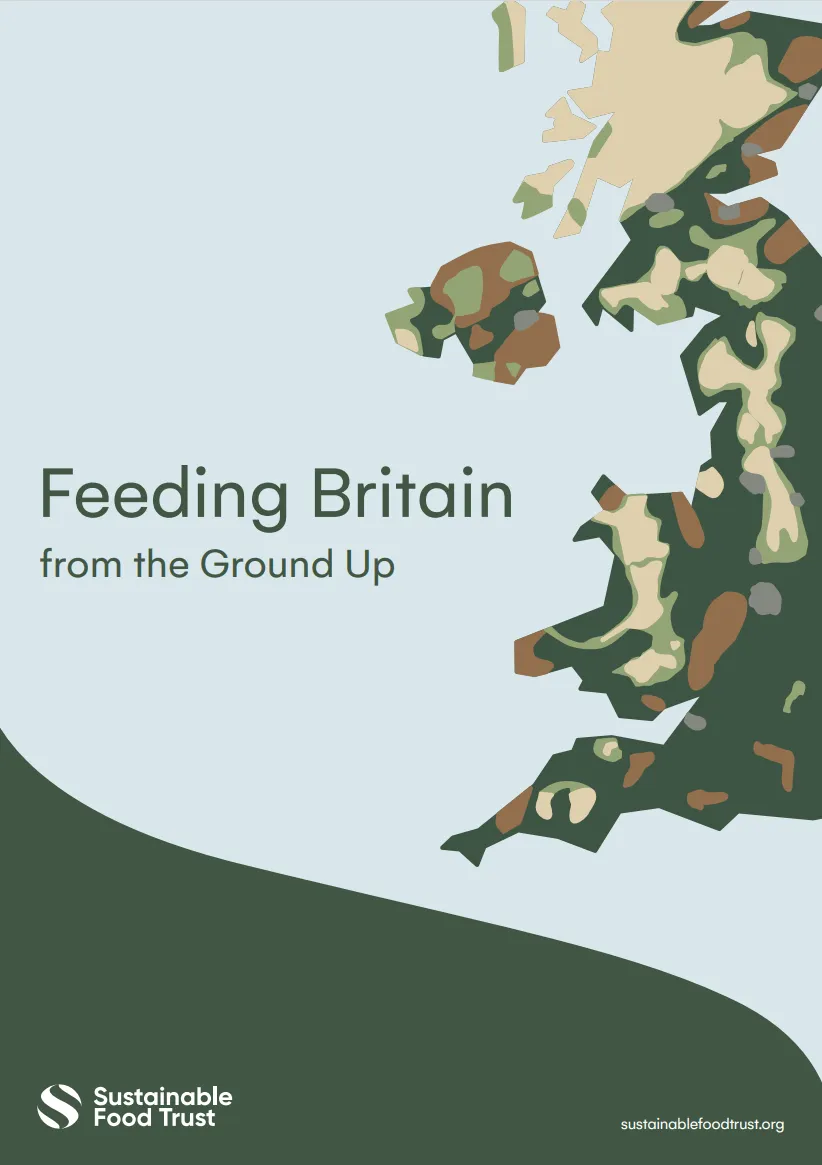
Image Reports Feeding Britain from the ground up This report from the UK’s Sustainable Food Trust models the impacts on food production, land use, diets and self-sufficiency of a country-wide switch to sustainable farming methods, based on mixed farming rotations and grazing livestock. Read
Image Journal articles Do European think tanks link meat with climate change? This paper analyses how over 100 European think tanks talk about the links between animal-sourced foods and climate change, seeking to understand how they have influenced policymakers’ attitudes to the issue. It argues that the failure of many think tank documents to link the two issues contributes to a wider lack of attention to the environmental impacts of diets. Read
Image Journal articles From rituals to laws: animal slaughter in Norway This paper explores the changing relationship between people and animal slaughter in Norway since the early 20th century. It argues that a broad shift has occurred away from rituals that make animal slaughter meaningful and socially acceptable, and towards a “judicialisation” of animal slaughter - meaning that laws, rather than rituals, now regulate animal deaths. The authors argue that while the increased importance of regulation has contributed to stricter animal welfare practices, it also alienates consumers from the animals they eat. Read
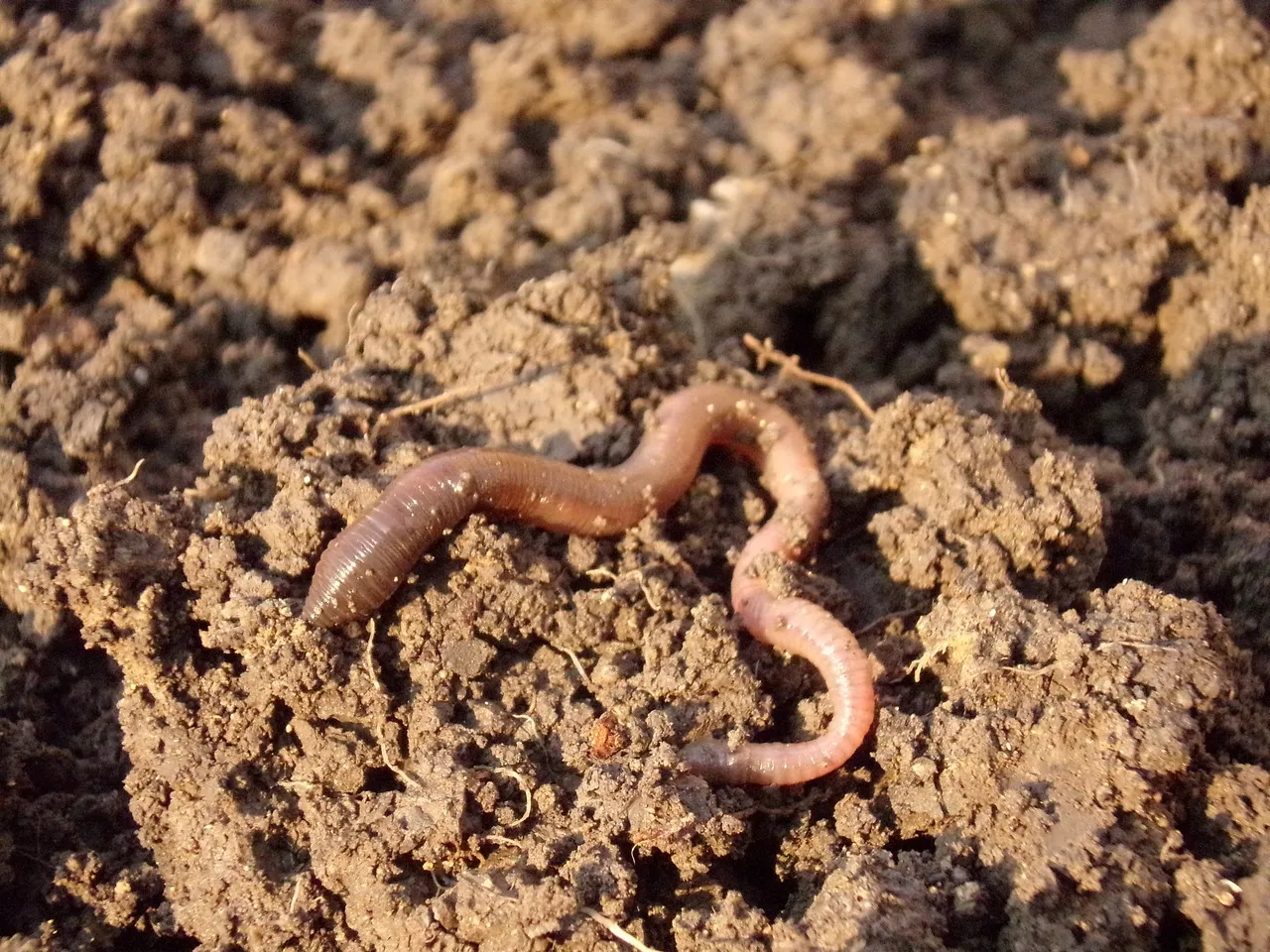
Image Journal articles Climate warming could reduce diversity of soil microbes The importance of soil health for producing food and the complexity of life found within soil are increasingly visible in food systems debates. This paper investigates how the diversity of microbes within soils may be affected by warming climates. Read