Image Resources Our extensive research library contains thousands of summaries of journal articles, reports and news stories that can be searched by keyword and category RESOURCES CATEGORY Books Briefing paper Event recording Featured articles Featured report Game Journal articles News and resources Reports Think piece Video Working paper Workshop summary Year 2026 2025 2024 2023 2022 2021 2020 2019 2018 2017 2016 2015 2014 2013 2012 2011 2010 2009 2008 2007 2002 2001 Image Journal articles Implementing environmental labelling of food products in France This paper, co-authored by TABLE community member Hayo van der Werf, discusses which environmental issues, data, methods, formats and so on should be used in the environmental labelling of food in France. The motivation for the paper was to consider how the French government’s recent requirements to introduce environmental food labelling can provide relevant information that is feasible to gather. Read Image Event recording Event recording: What is ecomodernism? This event was hosted by TABLE on 15 June 2022 and took the format of a panel discussion with: Dr Tara Garnett (director of TABLE and fellow of the Oxford Martin School); Helen Breewood, research & communications officer at TABLE & author of the explainer on ecomodernism; Linus Blomqvist, co-author of the Ecomodernist Manifesto, former director of the Conservation and Food & Agriculture programmes at the Breakthrough Institute & PhD candidate in Environmental Economics and Science at University of California, Santa Barbara; Sam Bliss, PhD candidate in natural resources at the University of Vermont's Gund Institute for Environment & president of DegrowUS. Read Image News and resources Three alternative protein critiques, explained This article in Greenbiz explains and discusses three common concerns about plant-based meat alternatives: that many alternative protein startups do not disclose their product’s environmental impacts; that alternative proteins are unhealthy because they are highly processed; and that alternative protein startups fail to disrupt the power structures of the economic status quo. Read Image News and resources Total agricultural land use has peaked, while croplands expand The global extent of farmland has peaked and is declining, according to this data visualisation from Our World in Data. The visualisation compares three different sets of data, which disagree on the total extent of agricultural land but which all agree that the peak occurred somewhere between 1990 and 2000. The decline in land use comes from pasture; croplands, on the other hand, are still expanding. In part, the decline in pasture extent is caused by a shift towards intensive grain-fed livestock rearing methods. Read Image Books The Kingdom of Rye This history of Russia’s cuisine looks at the links between food and hunger, climate, politics, and social structures. Read Image Books Dairy Cattle Welfare in Practice Focusing on dairy cattle, this book explains the factors contributing to animal welfare, makes the business case for improving welfare, and sets out case studies linking welfare to increased productivity. Read Image Books The Vegan Evolution: Transforming Diets and Agriculture This book argues in favour of using cultural change to shift human diets away from farmed meat and dairy products, on the grounds of health, environmental impact and animal welfare. Read Image Reports Tools to assess the sustainability of Food Hubs The Food Research Collaboration sets out the tools available to measure the sustainability of “sustainable food hubs” - initiatives that source food from producers and sell it to customers while upholding certain sustainability principles. The tools include Better Food Traders membership and accreditation, an evaluation framework developed by the New Economics Foundation, a framework by Shared Assets for assessing local economic resilience, a social impact toolkit developed by several organisations, and the Sustainable Food Trust’s Global Farm Metric. Read Image Reports Creative finance for food systems transformation This report by the Global Alliance for the Future of Food and Transformational Investing in Food Systems Initiative describes six case studies of food initiatives that have used unique investment strategies, such as a Mexican beekeeping cooperative that used loans from specialist agricultural and ethical banks that have lower interest rates than commercial banks. It also sets out five recommendations for how the investment community can support the transition to healthy, equitable food systems. Read VIEW MORE
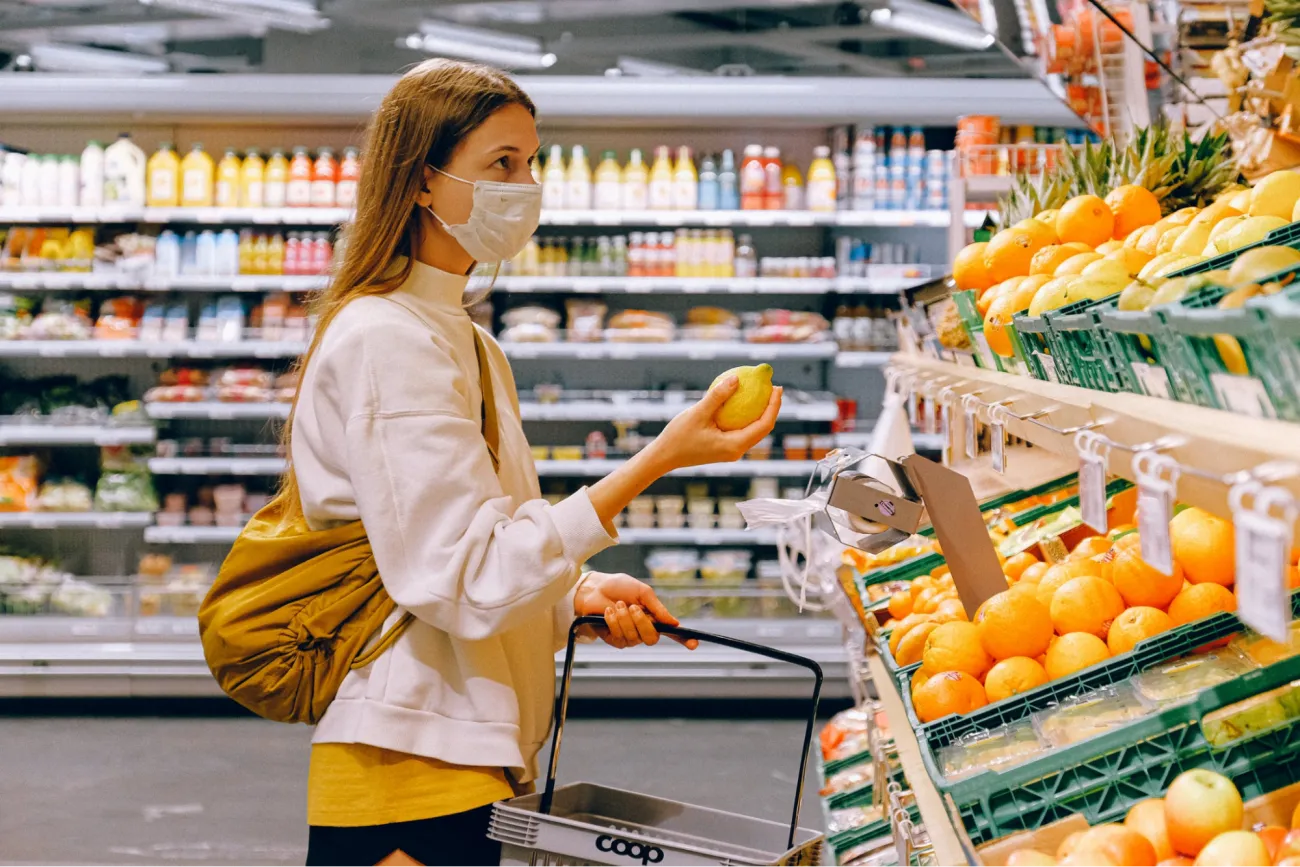
Image Journal articles Implementing environmental labelling of food products in France This paper, co-authored by TABLE community member Hayo van der Werf, discusses which environmental issues, data, methods, formats and so on should be used in the environmental labelling of food in France. The motivation for the paper was to consider how the French government’s recent requirements to introduce environmental food labelling can provide relevant information that is feasible to gather. Read
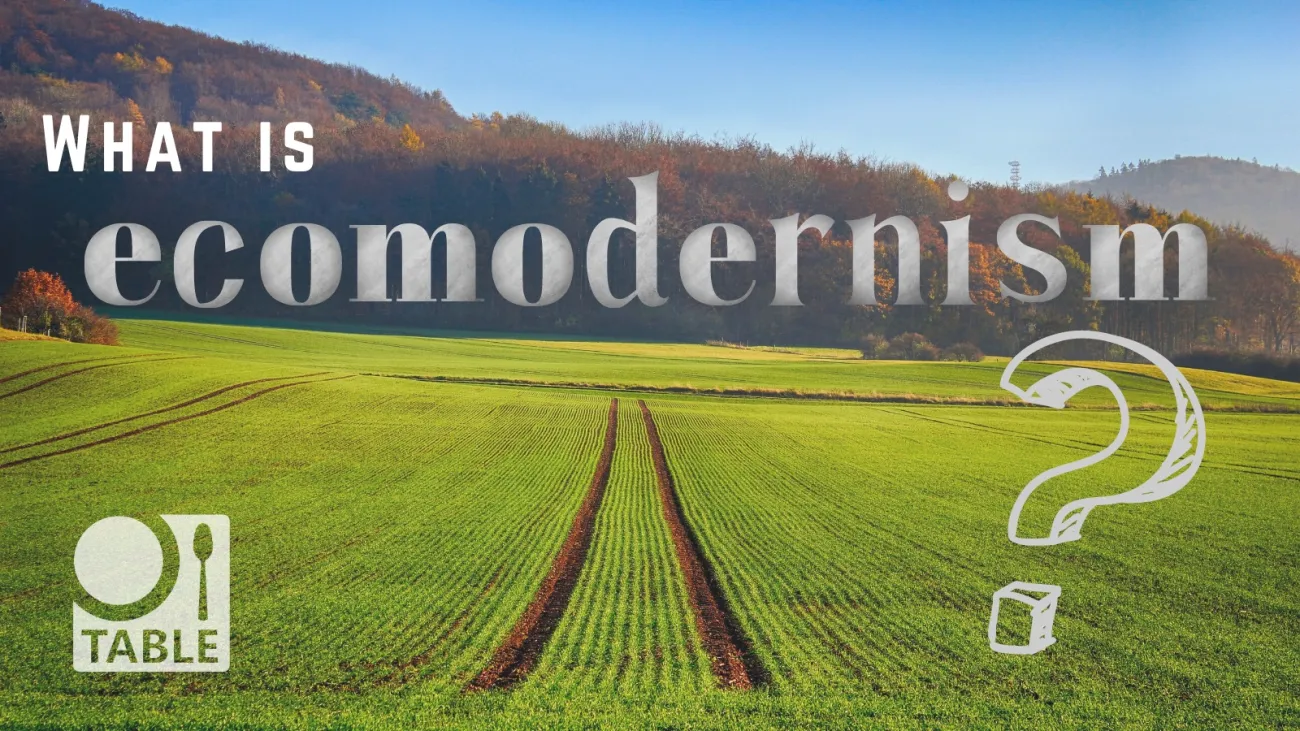
Image Event recording Event recording: What is ecomodernism? This event was hosted by TABLE on 15 June 2022 and took the format of a panel discussion with: Dr Tara Garnett (director of TABLE and fellow of the Oxford Martin School); Helen Breewood, research & communications officer at TABLE & author of the explainer on ecomodernism; Linus Blomqvist, co-author of the Ecomodernist Manifesto, former director of the Conservation and Food & Agriculture programmes at the Breakthrough Institute & PhD candidate in Environmental Economics and Science at University of California, Santa Barbara; Sam Bliss, PhD candidate in natural resources at the University of Vermont's Gund Institute for Environment & president of DegrowUS. Read
Image News and resources Three alternative protein critiques, explained This article in Greenbiz explains and discusses three common concerns about plant-based meat alternatives: that many alternative protein startups do not disclose their product’s environmental impacts; that alternative proteins are unhealthy because they are highly processed; and that alternative protein startups fail to disrupt the power structures of the economic status quo. Read
Image News and resources Total agricultural land use has peaked, while croplands expand The global extent of farmland has peaked and is declining, according to this data visualisation from Our World in Data. The visualisation compares three different sets of data, which disagree on the total extent of agricultural land but which all agree that the peak occurred somewhere between 1990 and 2000. The decline in land use comes from pasture; croplands, on the other hand, are still expanding. In part, the decline in pasture extent is caused by a shift towards intensive grain-fed livestock rearing methods. Read
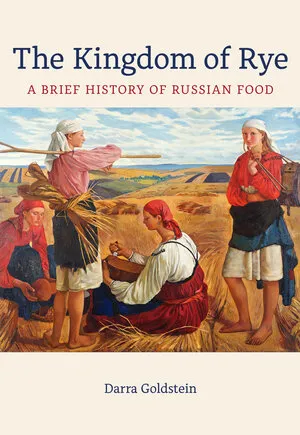
Image Books The Kingdom of Rye This history of Russia’s cuisine looks at the links between food and hunger, climate, politics, and social structures. Read
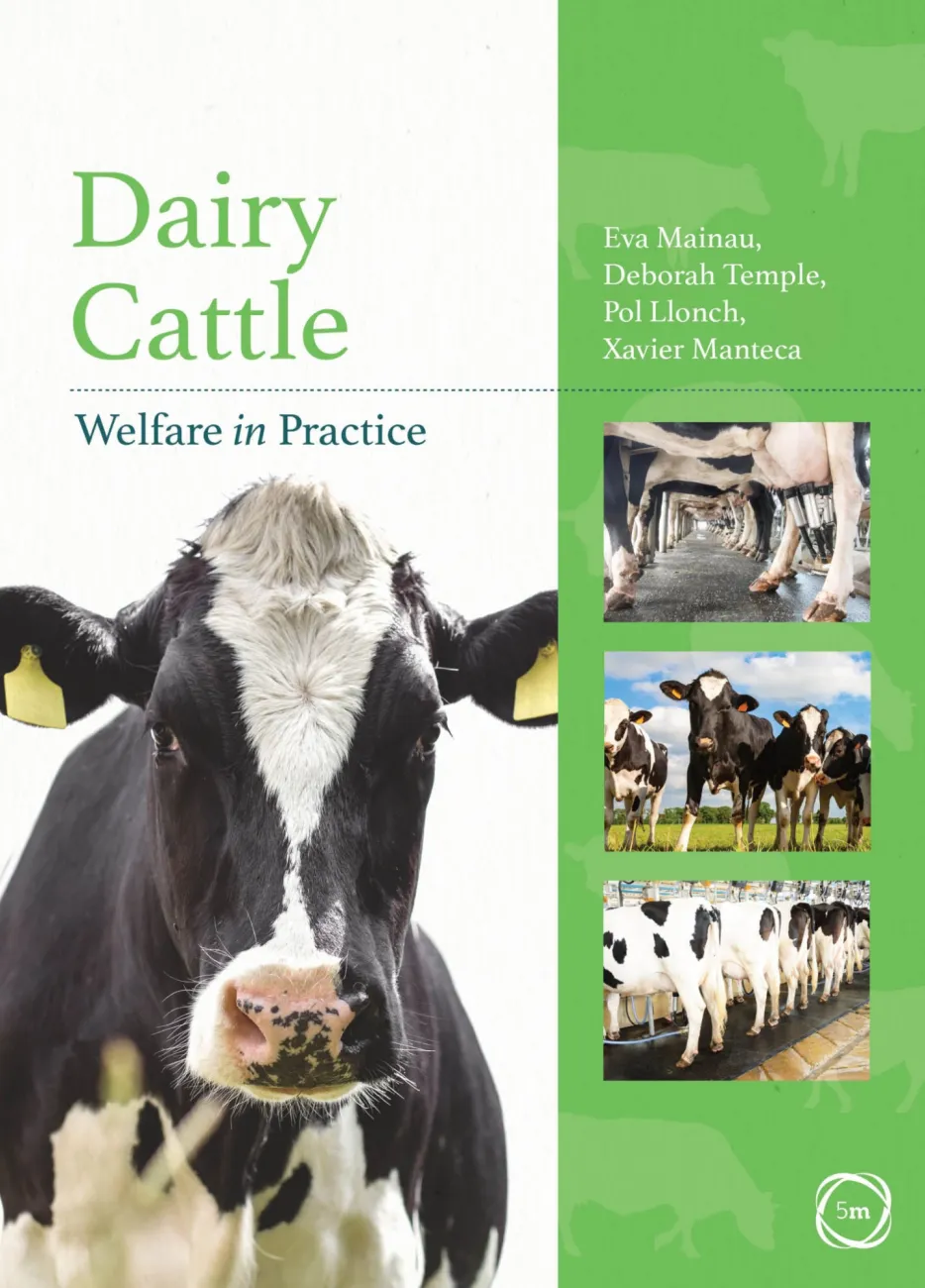
Image Books Dairy Cattle Welfare in Practice Focusing on dairy cattle, this book explains the factors contributing to animal welfare, makes the business case for improving welfare, and sets out case studies linking welfare to increased productivity. Read
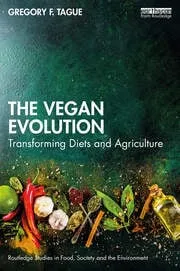
Image Books The Vegan Evolution: Transforming Diets and Agriculture This book argues in favour of using cultural change to shift human diets away from farmed meat and dairy products, on the grounds of health, environmental impact and animal welfare. Read
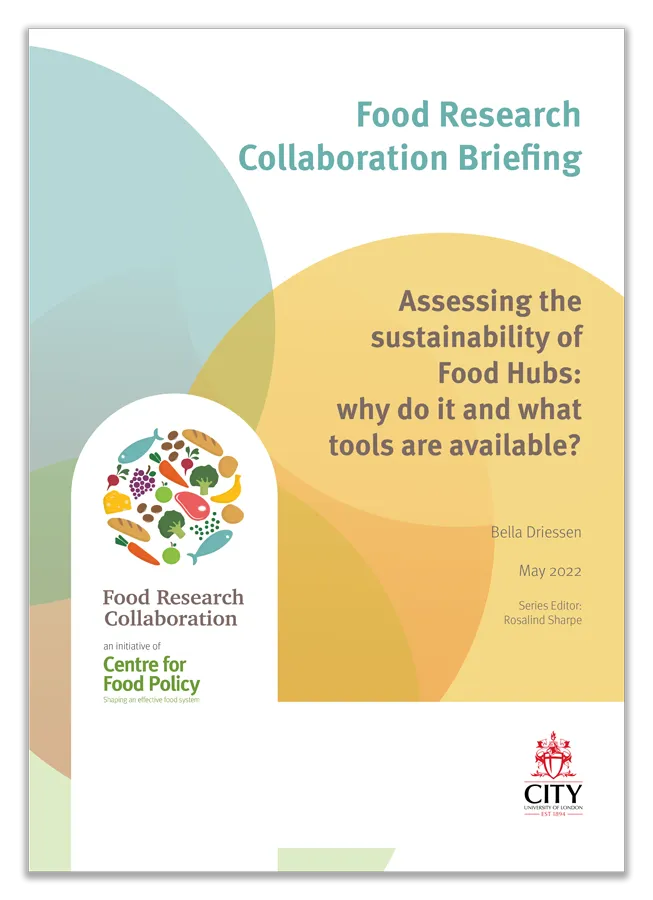
Image Reports Tools to assess the sustainability of Food Hubs The Food Research Collaboration sets out the tools available to measure the sustainability of “sustainable food hubs” - initiatives that source food from producers and sell it to customers while upholding certain sustainability principles. The tools include Better Food Traders membership and accreditation, an evaluation framework developed by the New Economics Foundation, a framework by Shared Assets for assessing local economic resilience, a social impact toolkit developed by several organisations, and the Sustainable Food Trust’s Global Farm Metric. Read
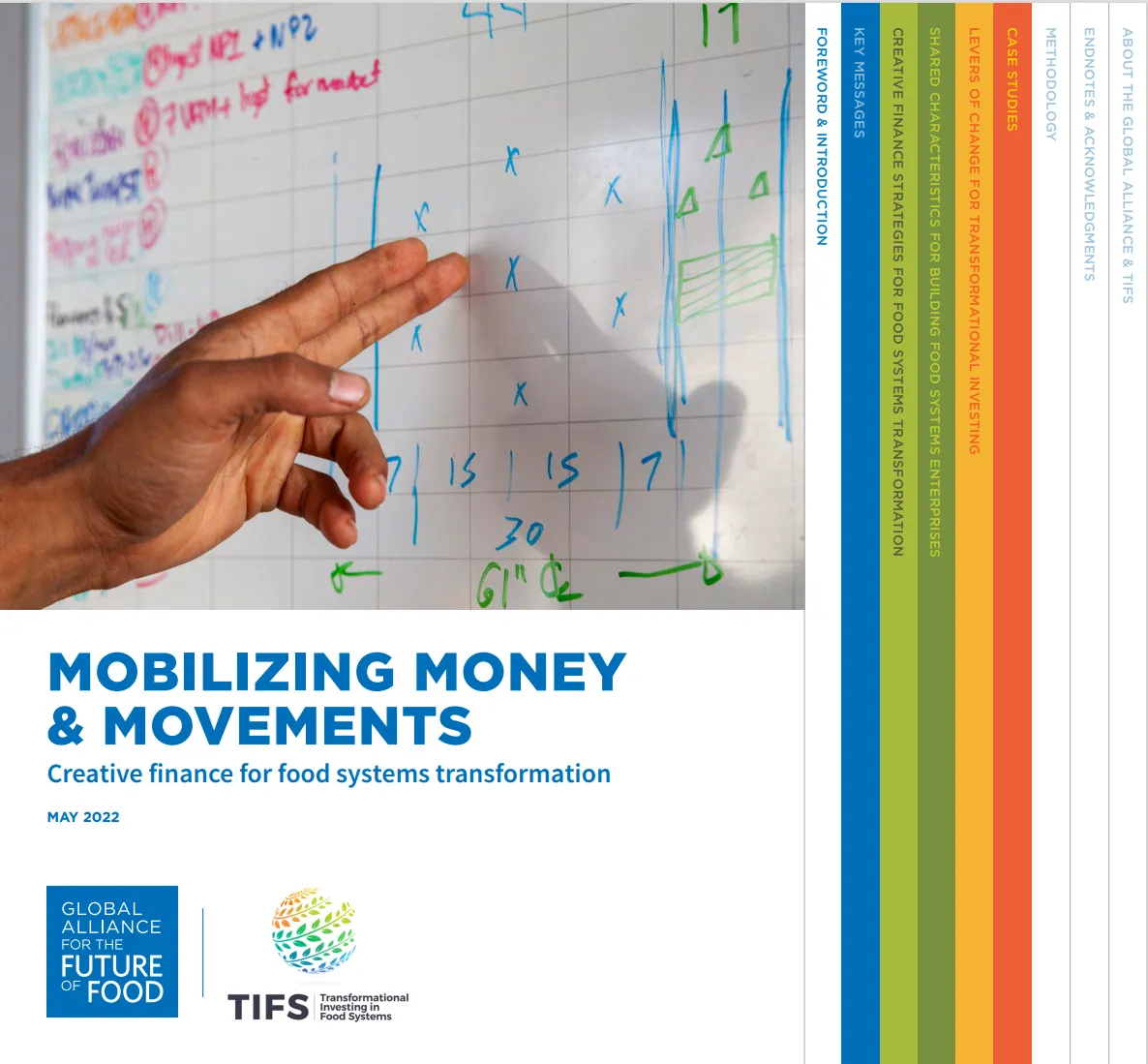
Image Reports Creative finance for food systems transformation This report by the Global Alliance for the Future of Food and Transformational Investing in Food Systems Initiative describes six case studies of food initiatives that have used unique investment strategies, such as a Mexican beekeeping cooperative that used loans from specialist agricultural and ethical banks that have lower interest rates than commercial banks. It also sets out five recommendations for how the investment community can support the transition to healthy, equitable food systems. Read