Image Resources Our extensive research library contains thousands of summaries of journal articles, reports and news stories that can be searched by keyword and category RESOURCES CATEGORY Books Briefing paper Event recording Featured articles Featured report Game Journal articles News and resources Reports Think piece Video Working paper Workshop summary Year 2026 2025 2024 2023 2022 2021 2020 2019 2018 2017 2016 2015 2014 2013 2012 2011 2010 2009 2008 2007 2002 2001 Image Reports IPBES reports: valuing nature & using wild species sustainably The Intergovernmental Science-Policy Platform on Biodiversity and Ecosystem Services (IPBES) has released two reports. One offers insights and tools to support the more sustainable use of wild plants, animals, fungi and algae, arguing that the biodiversity crisis threatens the billions of people who benefit from the use of wild species for food, fuel or income. The other reports that there is a global focus on short-term profits and economic growth, meaning that market prices do not fully reflect the many ways in which nature is of value to people’s quality of life. Read Image Journal articles How does soil pollution affect human health? This paper summarises what we know about the links between soil pollution and human health, with a focus on cardiovascular disease. The main issues it considers are macroplastics, microplastics, deforestation, pesticides, overfertilisation and heavy metal toxins. Read Image Journal articles Rotational grazing and herbal leys increase productivity TABLE community member Matthew Jordon has co-authored this study, which finds that two practices linked to regenerative agriculture are linked to higher productivity: rotational grazing, where animals are frequently moved around pastures to allow areas to recover from grazing, and herbal leys, where multiple species of perennial flowering plants are grown as part of the pasture. The study focuses on sheep and cattle in temperature climates, and analyses data from 84 articles identified in the literature. Read Image Journal articles Low opportunity cost animal feed in five European countries This paper assesses the extent to which national dietary recommendations for animal products could be met by livestock fed with low opportunity cost biomass (LOCB) such as food waste, grass and by-products. It finds that animal products fed with domestically available LOCB could provide between 22% (Netherlands) and 47% (Switzerland) of nationally recommended protein intakes. Read Image Journal articles Which livestock models have lower zoonotic disease risks? This paper reviews the evidence linking different types of livestock production systems to the emergence of new infectious diseases. It concludes that there is not currently enough evidence to show whether extensive or intensive systems would better protect against future pandemics. Both systems present different types of risk: low-yield farms generally have a higher risk of interspecies contact, but tend to keep more diverse livestock at lower stocking densities; while high-yield farms have a lower risk of livestock picking up a disease in the first place as the animals are often kept indoors, but the risk of any disease being spread is higher because of greater stocking densities, lower livestock diversity and sometimes poorer health and welfare. Read Image Journal articles How does the UK media talk about meat and health? This paper by researchers at Oxford’s Livestock, Environment and People (LEAP) programme studies how meat and health are represented in eight UK news websites. It finds a variety of both pro- and anti-meat narratives, with 50.8% of articles assessed having a neutral stance towards meat, 29.7% being anti-meat and 19.5% being pro-meat. Read Image Journal articles What is “less but better” meat? The concept of “less but better” meat (sometimes preferentially called less and better) has become influential in discussions about health, sustainable diets, particularly in higher-income countries. Definitions of both “less” and “better”, however, are still diverse. This paper reviews the definitions and interpretations of “less but better” meat used in 35 peer-reviewed journal articles. Read Image News and resources Investors ask FAO for clear roadmap to sustainable food A group of 33 institutional investors, holding over US$14 trillion assets, have written to the Food and Agriculture Organization of the United Nations to ask for a clear global roadmap for the transition to a sustainable food system by 2050. They raise concern about the financial risks to which the food system is exposed as a result of environmental damage, and ask for clear targets on emissions reduction (including methane) within each food subsector. The letter is coordinated by the FAIRR Initiative. Read Image News and resources Reactions to England’s food strategy The UK government has published its food strategy for England (note that other regions of the UK are not within the scope, since food policy is devolved). Reactions have generally been critical, with many noting that many of the recommendations in the National Food Strategy review led by Henry Dimbleby have not been included. We have rounded up some relevant reactions and resources. Read VIEW MORE
Image Reports IPBES reports: valuing nature & using wild species sustainably The Intergovernmental Science-Policy Platform on Biodiversity and Ecosystem Services (IPBES) has released two reports. One offers insights and tools to support the more sustainable use of wild plants, animals, fungi and algae, arguing that the biodiversity crisis threatens the billions of people who benefit from the use of wild species for food, fuel or income. The other reports that there is a global focus on short-term profits and economic growth, meaning that market prices do not fully reflect the many ways in which nature is of value to people’s quality of life. Read
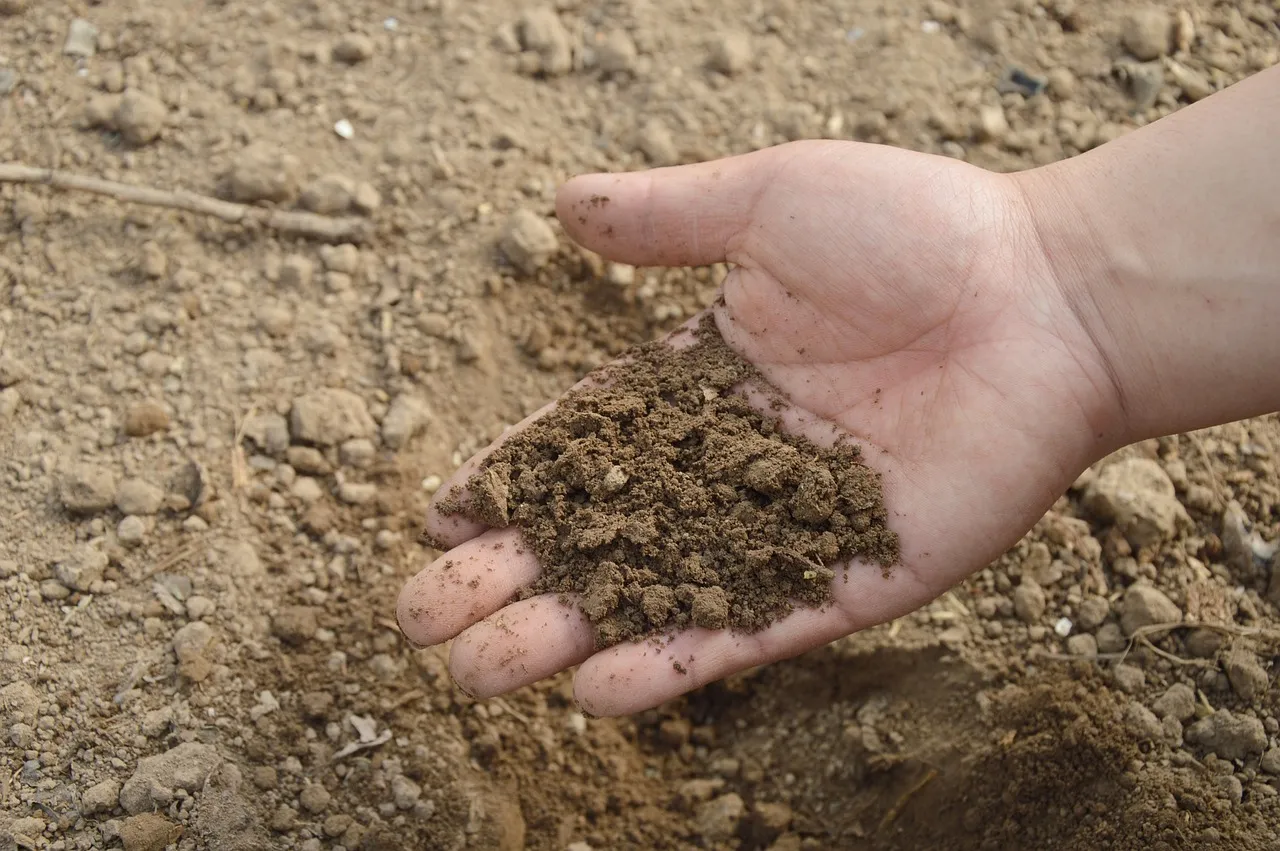
Image Journal articles How does soil pollution affect human health? This paper summarises what we know about the links between soil pollution and human health, with a focus on cardiovascular disease. The main issues it considers are macroplastics, microplastics, deforestation, pesticides, overfertilisation and heavy metal toxins. Read
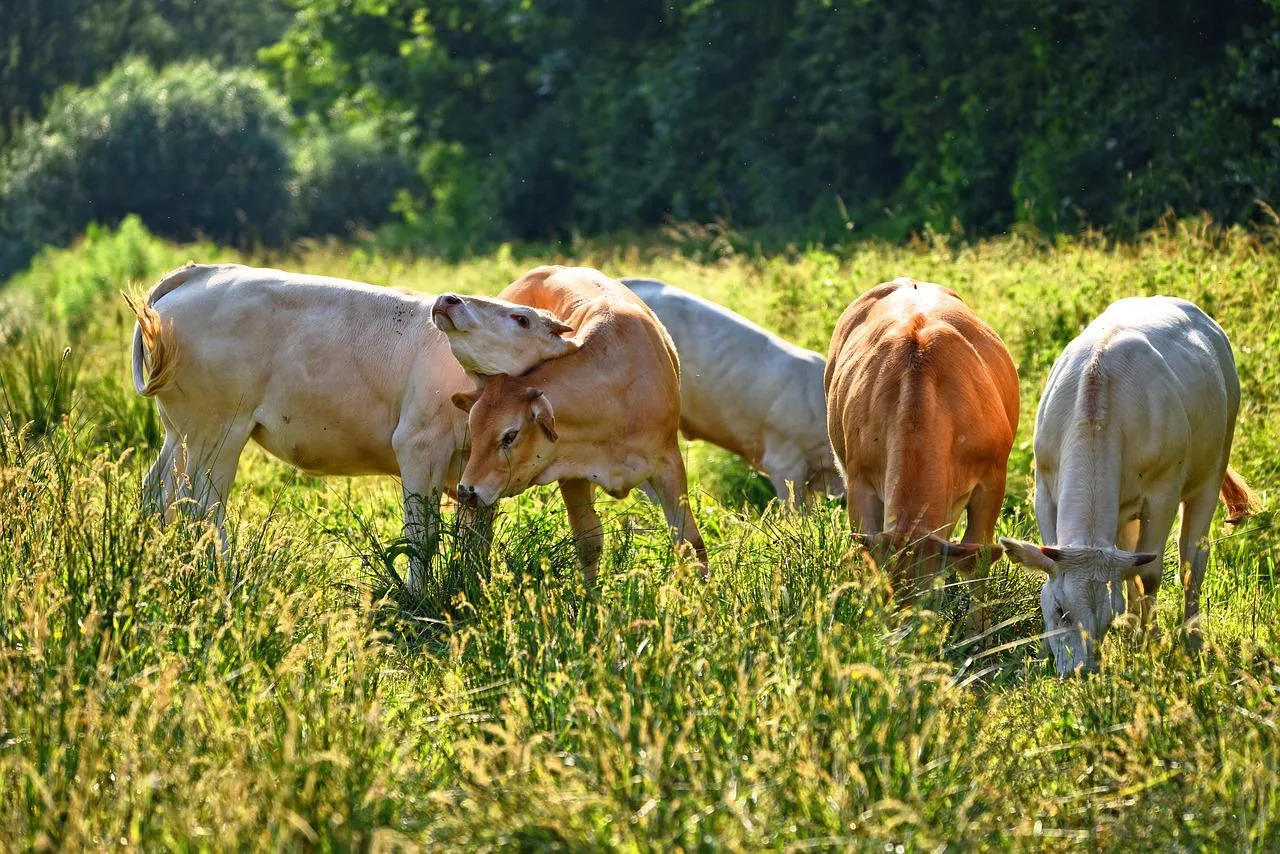
Image Journal articles Rotational grazing and herbal leys increase productivity TABLE community member Matthew Jordon has co-authored this study, which finds that two practices linked to regenerative agriculture are linked to higher productivity: rotational grazing, where animals are frequently moved around pastures to allow areas to recover from grazing, and herbal leys, where multiple species of perennial flowering plants are grown as part of the pasture. The study focuses on sheep and cattle in temperature climates, and analyses data from 84 articles identified in the literature. Read
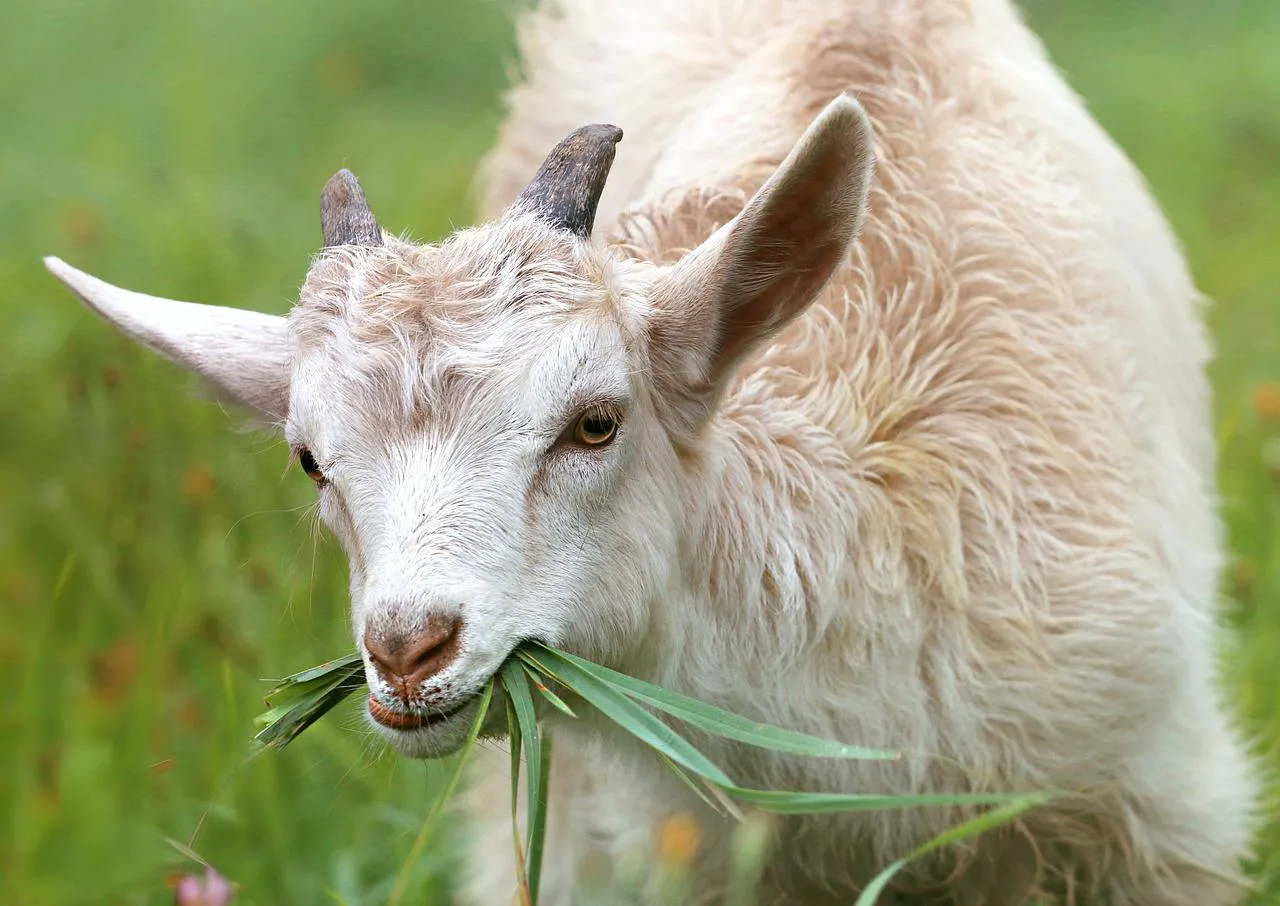
Image Journal articles Low opportunity cost animal feed in five European countries This paper assesses the extent to which national dietary recommendations for animal products could be met by livestock fed with low opportunity cost biomass (LOCB) such as food waste, grass and by-products. It finds that animal products fed with domestically available LOCB could provide between 22% (Netherlands) and 47% (Switzerland) of nationally recommended protein intakes. Read
Image Journal articles Which livestock models have lower zoonotic disease risks? This paper reviews the evidence linking different types of livestock production systems to the emergence of new infectious diseases. It concludes that there is not currently enough evidence to show whether extensive or intensive systems would better protect against future pandemics. Both systems present different types of risk: low-yield farms generally have a higher risk of interspecies contact, but tend to keep more diverse livestock at lower stocking densities; while high-yield farms have a lower risk of livestock picking up a disease in the first place as the animals are often kept indoors, but the risk of any disease being spread is higher because of greater stocking densities, lower livestock diversity and sometimes poorer health and welfare. Read
Image Journal articles How does the UK media talk about meat and health? This paper by researchers at Oxford’s Livestock, Environment and People (LEAP) programme studies how meat and health are represented in eight UK news websites. It finds a variety of both pro- and anti-meat narratives, with 50.8% of articles assessed having a neutral stance towards meat, 29.7% being anti-meat and 19.5% being pro-meat. Read
Image Journal articles What is “less but better” meat? The concept of “less but better” meat (sometimes preferentially called less and better) has become influential in discussions about health, sustainable diets, particularly in higher-income countries. Definitions of both “less” and “better”, however, are still diverse. This paper reviews the definitions and interpretations of “less but better” meat used in 35 peer-reviewed journal articles. Read
Image News and resources Investors ask FAO for clear roadmap to sustainable food A group of 33 institutional investors, holding over US$14 trillion assets, have written to the Food and Agriculture Organization of the United Nations to ask for a clear global roadmap for the transition to a sustainable food system by 2050. They raise concern about the financial risks to which the food system is exposed as a result of environmental damage, and ask for clear targets on emissions reduction (including methane) within each food subsector. The letter is coordinated by the FAIRR Initiative. Read
Image News and resources Reactions to England’s food strategy The UK government has published its food strategy for England (note that other regions of the UK are not within the scope, since food policy is devolved). Reactions have generally been critical, with many noting that many of the recommendations in the National Food Strategy review led by Henry Dimbleby have not been included. We have rounded up some relevant reactions and resources. Read