Image Resources Our extensive research library contains thousands of summaries of journal articles, reports and news stories that can be searched by keyword and category RESOURCES CATEGORY Books Briefing paper Event recording Featured articles Featured report Game Journal articles News and resources Reports Think piece Video Working paper Workshop summary Year 2026 2025 2024 2023 2022 2021 2020 2019 2018 2017 2016 2015 2014 2013 2012 2011 2010 2009 2008 2007 2002 2001 Image News and resources Podcast: Tim Spector on the microbiome and health In this podcast by the Sustainable Food Trust, Prof Tim Spector (of Kings College, London and the nutrition analysis company ZOE) talks about the influence of the microbiome on both human and livestock health. Read Image News and resources Audio documentary: Reflecting on the first animal welfare law The Culture & Animals Foundation (CAF) has launched the first two episodes of “Martin’s Act at 200,” an audio documentary that explores the origins and legacy over two centuries of the Cruel Treatment of Cattle Act, which was signed into UK law 200 hundred years ago and is widely considered the first piece of animal welfare legislation from a modern political body. Three series of six episodes each will eventually be released, examining animal advocacy around the world. Read Image Books Food deserts and food insecurity in the UK This book discusses the influences that drive food insecurity in the UK, including social inequality, transport, employment, rural isolation, local politics, the COVID-19 pandemic and increases in the cost of living. Read Image Books Farming with the environment This book presents 30 years of research from the Allerton Project, a research and demonstration farm in the UK which assesses the effects of different farming methods on wildlife and the environment. It is aimed at farmers, practitioners and policymakers. Read Image Reports Plant-based proteins offer return on investment for the climate Consumers are familiar with alternative proteins and many would eat more of them if barriers around health, taste and price were to be resolved, according to this report by consultancy BCG and investment firm Blue Horizon. The report also tracks investment in the alternative proteins sector (which has risen from $1 billion in 2019 to $5 billion in 2021) as well as regulatory support. The report calculates that substituting 8% of animal-sourced foods with alternative proteins could reduce 1.5% of global emissions in 2030; furthermore, plant-based proteins could generate at least three times more carbon savings per $1 trillion invested than decarbonisation in other sectors such as cement, iron, buildings and so on. Read Image Reports European policy must support healthy food environments In this position paper, the European Public Health Alliance argues that the European Farm to Fork Strategy should be strengthened to prioritise the health of people, planet and animals - instead of abandoning the strategy in the face of COVID-19 and the Ukraine war, as some have suggested. It calls for impact assessment methodologies to include health risks (such as dietary links to non-communicable diseases); for a “less and better” approach to the consumption of animal foods; and for a comprehensive approach to creating healthy food environments to be adopted, including a food labelling scheme and regulation of the marketing of unhealthy or unsustainable foods. Read Image Reports Microplastics are being deliberately added to farm soils This report by the Center for International Environmental Law explores a little-known source of plastic pollution: the deliberate addition to soils of pesticides and fertilisers encapsulated in microplastics. This form of agrochemical is often marketed as “controlled release”, with producers arguing that they support sustainable agriculture. The report argues that the intentional use of microplastics in agriculture should be banned on account of the potential for plastics - and the agrochemicals they carry - to accumulate in ecosystems and food supply chains. Read Image Reports UK food and drink industry lobbying lacks transparency This discussion paper from the UK’s Food Research Collaboration examines meetings between food and drink businesses and UK policymakers. It finds that publicly declared meetings of government officials with food and drink lobbyists are often described in extremely broad terms, such as “to discuss business” or “to discuss trade and agriculture”, and that other interactions with lobbyists - such as phone calls or emails - are not disclosed. Ireland and Canada both used more detailed processes to disclose lobbying activities. The report makes recommendations for improving the transparency of lobbying in the UK. Read Image Reports Undernourishment and severe food insecurity climb This report from the Food and Agriculture Organization of the United Nations sets out the latest statistics on food security around the world, analyses how government policies are affecting food and agriculture, and sets out options for repurposing government support to improve the affordability of healthy diets. It finds that hunger has continued to worsen, with around 150 million more people affected by hunger in 2021 compared to before the COVID-19 pandemic began. Read VIEW MORE
Image News and resources Podcast: Tim Spector on the microbiome and health In this podcast by the Sustainable Food Trust, Prof Tim Spector (of Kings College, London and the nutrition analysis company ZOE) talks about the influence of the microbiome on both human and livestock health. Read
Image News and resources Audio documentary: Reflecting on the first animal welfare law The Culture & Animals Foundation (CAF) has launched the first two episodes of “Martin’s Act at 200,” an audio documentary that explores the origins and legacy over two centuries of the Cruel Treatment of Cattle Act, which was signed into UK law 200 hundred years ago and is widely considered the first piece of animal welfare legislation from a modern political body. Three series of six episodes each will eventually be released, examining animal advocacy around the world. Read
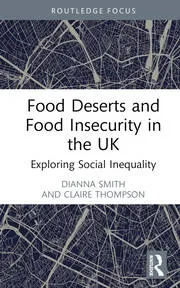
Image Books Food deserts and food insecurity in the UK This book discusses the influences that drive food insecurity in the UK, including social inequality, transport, employment, rural isolation, local politics, the COVID-19 pandemic and increases in the cost of living. Read
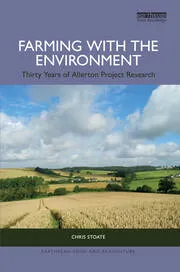
Image Books Farming with the environment This book presents 30 years of research from the Allerton Project, a research and demonstration farm in the UK which assesses the effects of different farming methods on wildlife and the environment. It is aimed at farmers, practitioners and policymakers. Read
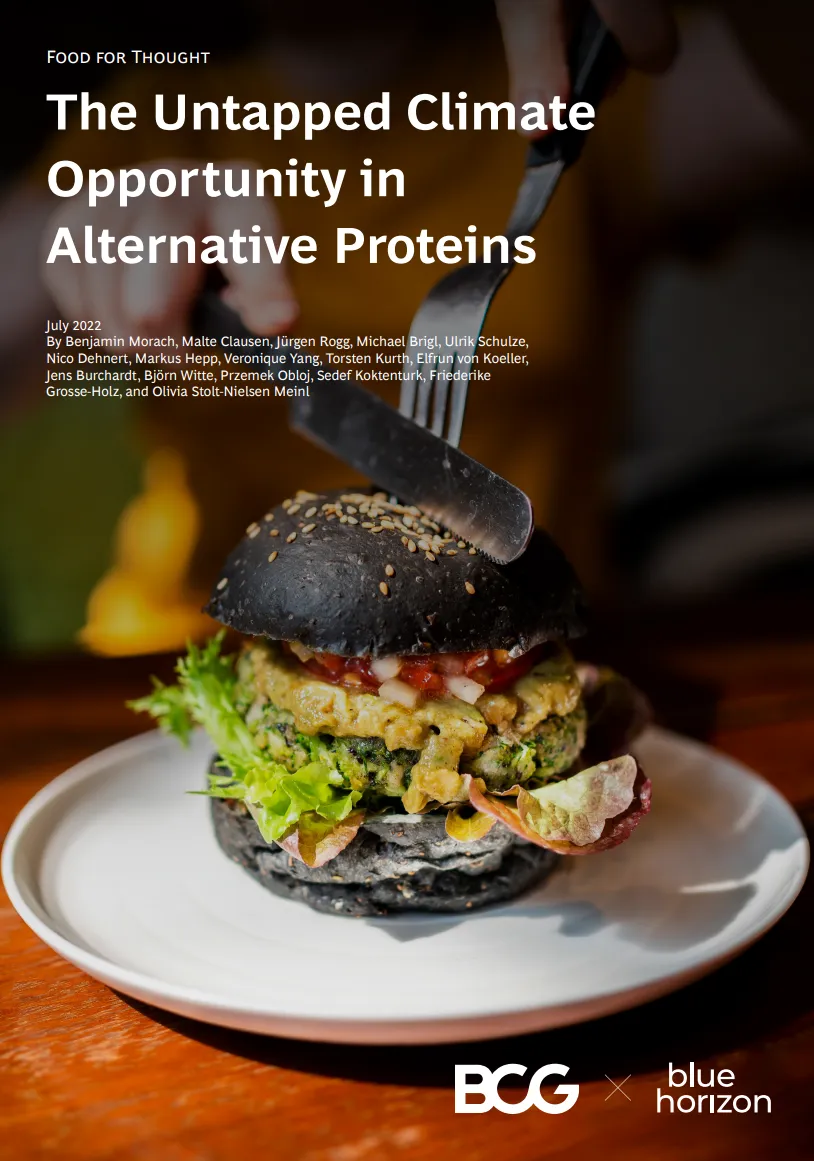
Image Reports Plant-based proteins offer return on investment for the climate Consumers are familiar with alternative proteins and many would eat more of them if barriers around health, taste and price were to be resolved, according to this report by consultancy BCG and investment firm Blue Horizon. The report also tracks investment in the alternative proteins sector (which has risen from $1 billion in 2019 to $5 billion in 2021) as well as regulatory support. The report calculates that substituting 8% of animal-sourced foods with alternative proteins could reduce 1.5% of global emissions in 2030; furthermore, plant-based proteins could generate at least three times more carbon savings per $1 trillion invested than decarbonisation in other sectors such as cement, iron, buildings and so on. Read
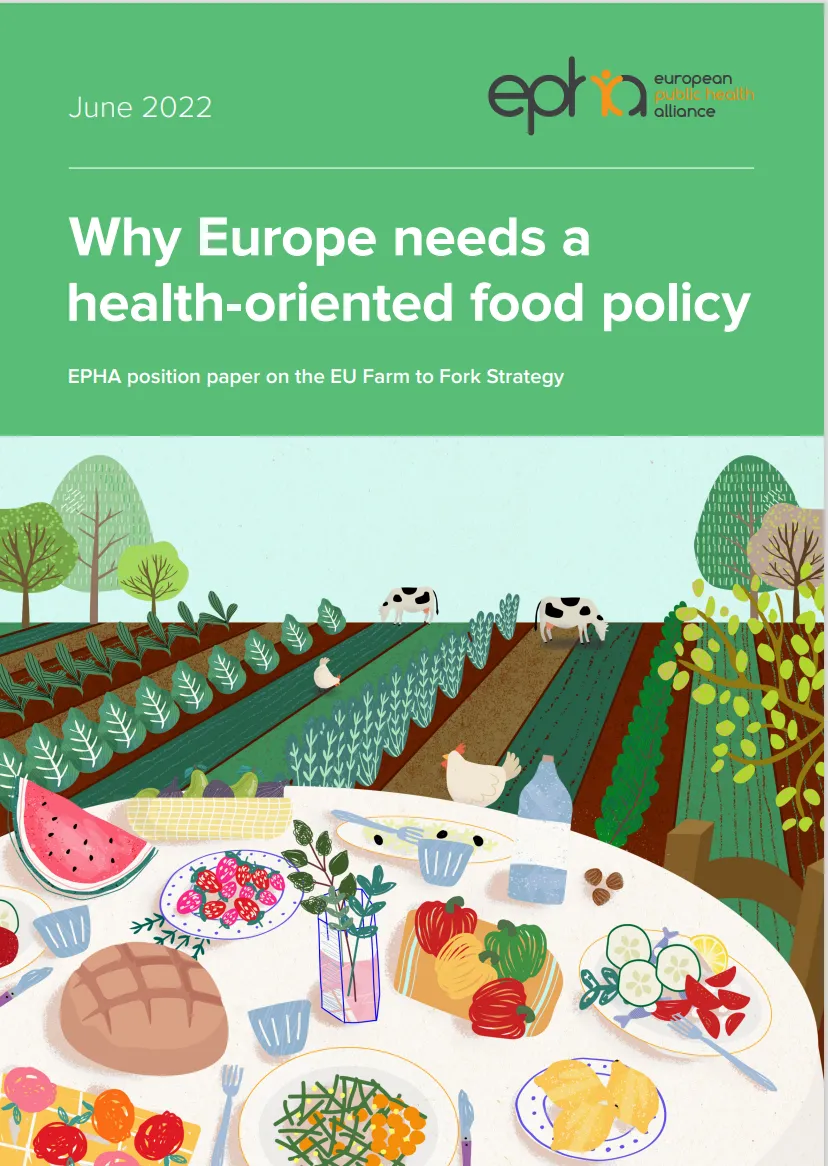
Image Reports European policy must support healthy food environments In this position paper, the European Public Health Alliance argues that the European Farm to Fork Strategy should be strengthened to prioritise the health of people, planet and animals - instead of abandoning the strategy in the face of COVID-19 and the Ukraine war, as some have suggested. It calls for impact assessment methodologies to include health risks (such as dietary links to non-communicable diseases); for a “less and better” approach to the consumption of animal foods; and for a comprehensive approach to creating healthy food environments to be adopted, including a food labelling scheme and regulation of the marketing of unhealthy or unsustainable foods. Read
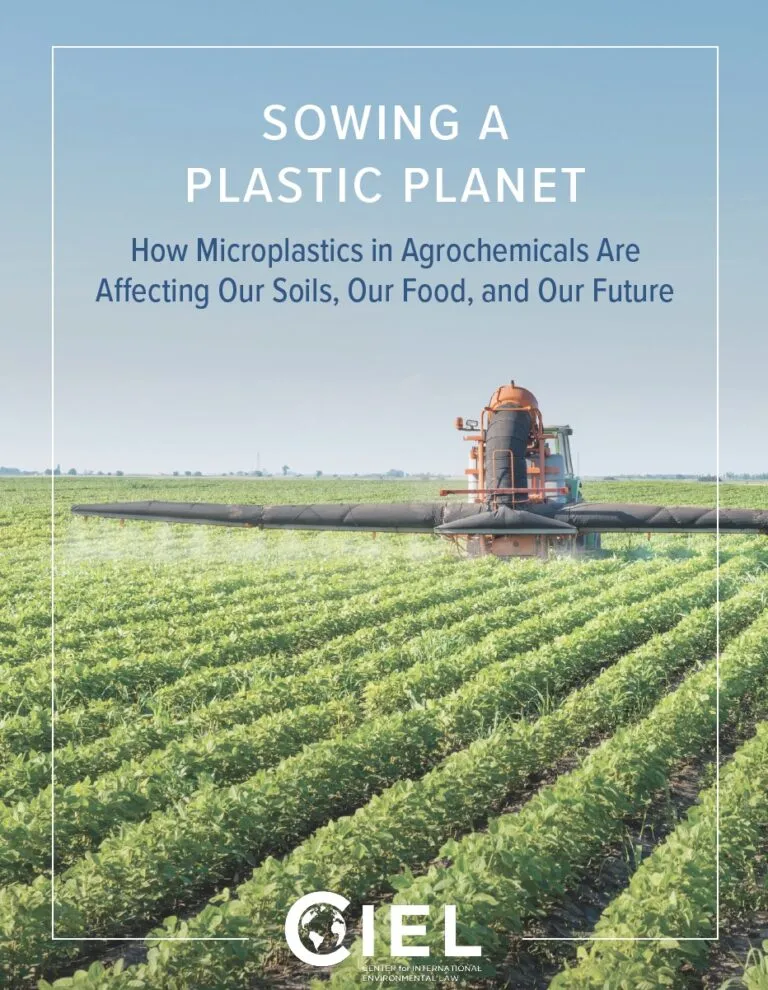
Image Reports Microplastics are being deliberately added to farm soils This report by the Center for International Environmental Law explores a little-known source of plastic pollution: the deliberate addition to soils of pesticides and fertilisers encapsulated in microplastics. This form of agrochemical is often marketed as “controlled release”, with producers arguing that they support sustainable agriculture. The report argues that the intentional use of microplastics in agriculture should be banned on account of the potential for plastics - and the agrochemicals they carry - to accumulate in ecosystems and food supply chains. Read
Image Reports UK food and drink industry lobbying lacks transparency This discussion paper from the UK’s Food Research Collaboration examines meetings between food and drink businesses and UK policymakers. It finds that publicly declared meetings of government officials with food and drink lobbyists are often described in extremely broad terms, such as “to discuss business” or “to discuss trade and agriculture”, and that other interactions with lobbyists - such as phone calls or emails - are not disclosed. Ireland and Canada both used more detailed processes to disclose lobbying activities. The report makes recommendations for improving the transparency of lobbying in the UK. Read
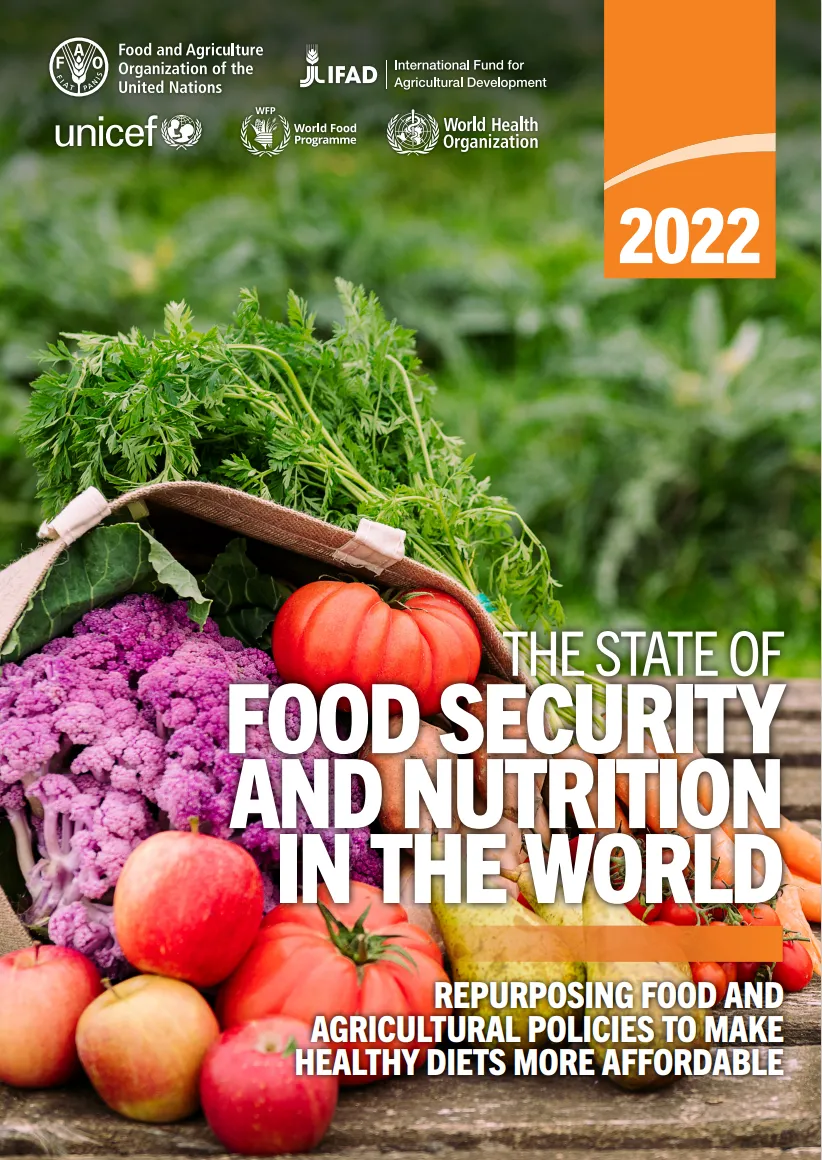
Image Reports Undernourishment and severe food insecurity climb This report from the Food and Agriculture Organization of the United Nations sets out the latest statistics on food security around the world, analyses how government policies are affecting food and agriculture, and sets out options for repurposing government support to improve the affordability of healthy diets. It finds that hunger has continued to worsen, with around 150 million more people affected by hunger in 2021 compared to before the COVID-19 pandemic began. Read