Image Resources Our extensive research library contains thousands of summaries of journal articles, reports and news stories that can be searched by keyword and category RESOURCES CATEGORY Books Briefing paper Event recording Featured articles Featured report Game Journal articles News and resources Reports Think piece Video Working paper Workshop summary Year 2026 2025 2024 2023 2022 2021 2020 2019 2018 2017 2016 2015 2014 2013 2012 2011 2010 2009 2008 2007 2002 2001 Image Journal articles Health and sustainability of plant-based alternatives This paper reviews 43 existing studies on the environmental sustainability and nutritional characteristics of plant-based animal alternatives (PB-APAs) compared to animal products. PB-APAs, such as Beyond Meat and Oatly milk, are foods which seek to mimic animal products. They do not include minimally processed plant-based foods such as legumes and nuts. Read Image Journal articles What do consumers read about meat? This paper analyses the narratives linking meat and the environment that were found in 116 articles from eight online news outlets in the UK during 2019. It found that anti-meat narratives are most common: 54% of articles had anti-meat-consumption sentiments, while only 5% were mostly in favour of meat consumption or against a shift to plant-based diets; the remaining articles were neutral or contained mixed arguments. Sentiment varied by farming type: less than 10% of articles were against meat in general; 28% were against industrial farming but favoured more sustainable methods; and the remainder were neutral or balanced, with no articles being generally in favour of the meat industry. The eight news outlets studied were the BBC, the Guardian, MailOnline, Sky News, the Sun, the Mirror, LAD Bible and BuzzFeed. Read Image Journal articles Roadmap for net-zero global food systems by 2050 This paper presents a “roadmap” towards achieving net zero in global food systems by 2050 - a plan which has recently been called for by institutional investors. The authors explore 64 pathways to net zero based on implementing varying levels of four major food systems interventions: increasing production efficiency through shifting to low-emissions practices; sequestering carbon in croplands and grasslands; changing diets to reduce the global production of protein from livestock; and adopting a diverse range of “new-horizon” - i.e. emerging - technologies such as methane inhibitors and perennial row crops. Read Image Journal articles Feeding by-products to livestock can increase food supply The global availability of food calories for people could increase by 13%, and protein supply could increase by 15%, if livestock were fed more by-products and residues in place of some feed that is edible to humans, specifically cereals, pulses, vegetable oils and whole fish. This study combines data from several sources to trace feed composition throughout the global food system. Read Image Event recording Event recording: Does methane from livestock matter? This event was hosted by TABLE on 28 September 2022 and took the format of a panel discussion with: Dr Tara Garnett (director of TABLE and fellow of the Oxford Martin School); Andy Reisinger (IPCC Working Group III (mitigation)/New Zealand Climate Change Commission) Claudia Arndt (The International Livestock Research Institute [ILRI]) John Lynch (University of Oxford) Martin Persson (Chalmers University of Technology) Read Image Event recording Event recording: Carbon sequesterers or climate trashers? What role for grazing ruminants in a 1.5°C world? This event was hosted by TABLE on 14 September 2022 and took the format of a panel discussion with: Dr Tara Garnett (director of TABLE and fellow of the Oxford Martin School); Professor Pete Smith (University of Aberdeen); Professor M. Francesca Cotrufo (Colorado State University); Assistant Professor Matthew Hayek (New York University). Read Image News and resources Alternative protein literature library The Good Food Institute has launched a database of over 500 research papers, books, reports, patents and theses on plant-based meats and proteins. The database can be searched and filtered, for example by keyword. Read Image Books Net Zero, Food and Farming in the UK This book discusses how the net zero transition and associated changes in land use, farming and diets could affect the UK food system. Read Image Books Plant-Based Nutrition in Clinical Practice This book gives an overview of the state of knowledge on health and sustainable diets, making the case for a diet based on whole, unprocessed plant foods. It is aimed at health professionals. Read VIEW MORE
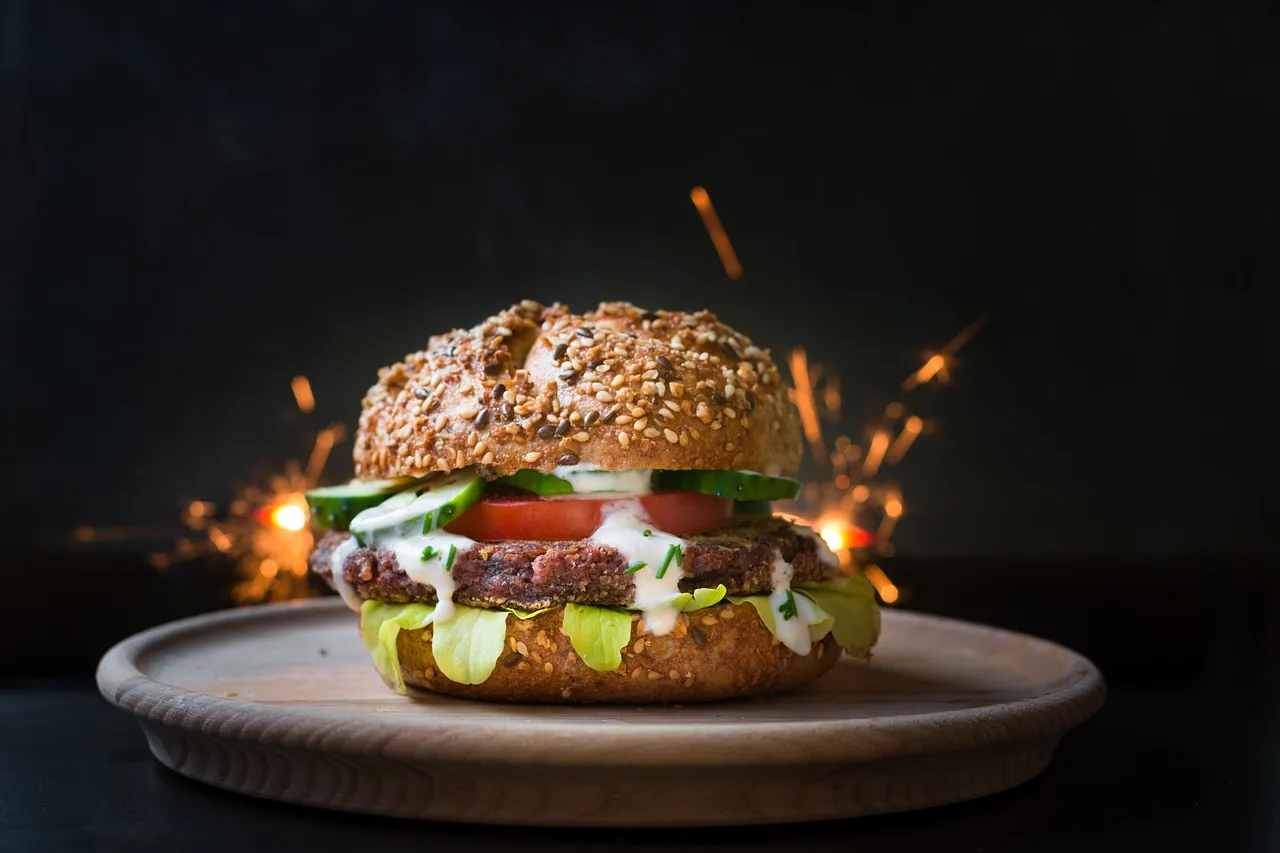
Image Journal articles Health and sustainability of plant-based alternatives This paper reviews 43 existing studies on the environmental sustainability and nutritional characteristics of plant-based animal alternatives (PB-APAs) compared to animal products. PB-APAs, such as Beyond Meat and Oatly milk, are foods which seek to mimic animal products. They do not include minimally processed plant-based foods such as legumes and nuts. Read
Image Journal articles What do consumers read about meat? This paper analyses the narratives linking meat and the environment that were found in 116 articles from eight online news outlets in the UK during 2019. It found that anti-meat narratives are most common: 54% of articles had anti-meat-consumption sentiments, while only 5% were mostly in favour of meat consumption or against a shift to plant-based diets; the remaining articles were neutral or contained mixed arguments. Sentiment varied by farming type: less than 10% of articles were against meat in general; 28% were against industrial farming but favoured more sustainable methods; and the remainder were neutral or balanced, with no articles being generally in favour of the meat industry. The eight news outlets studied were the BBC, the Guardian, MailOnline, Sky News, the Sun, the Mirror, LAD Bible and BuzzFeed. Read
Image Journal articles Roadmap for net-zero global food systems by 2050 This paper presents a “roadmap” towards achieving net zero in global food systems by 2050 - a plan which has recently been called for by institutional investors. The authors explore 64 pathways to net zero based on implementing varying levels of four major food systems interventions: increasing production efficiency through shifting to low-emissions practices; sequestering carbon in croplands and grasslands; changing diets to reduce the global production of protein from livestock; and adopting a diverse range of “new-horizon” - i.e. emerging - technologies such as methane inhibitors and perennial row crops. Read
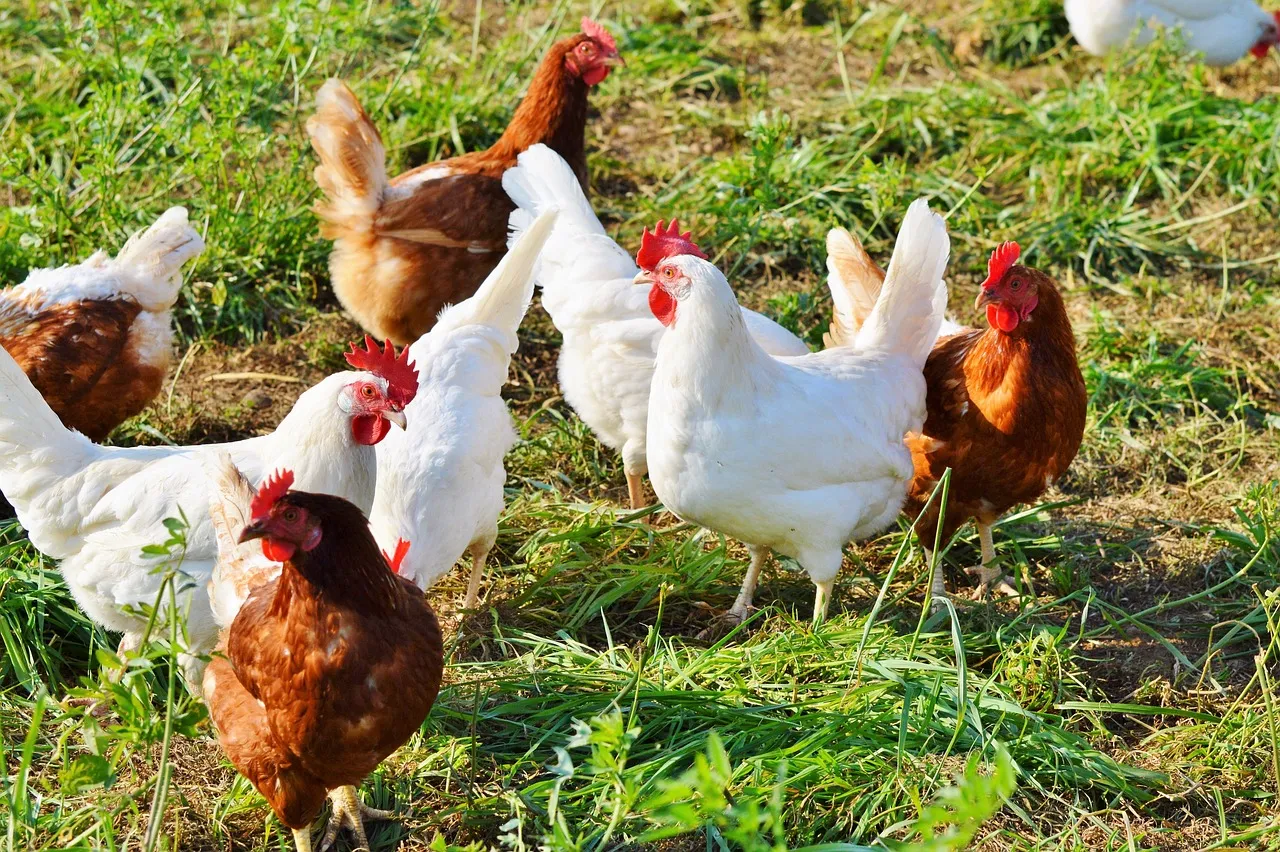
Image Journal articles Feeding by-products to livestock can increase food supply The global availability of food calories for people could increase by 13%, and protein supply could increase by 15%, if livestock were fed more by-products and residues in place of some feed that is edible to humans, specifically cereals, pulses, vegetable oils and whole fish. This study combines data from several sources to trace feed composition throughout the global food system. Read
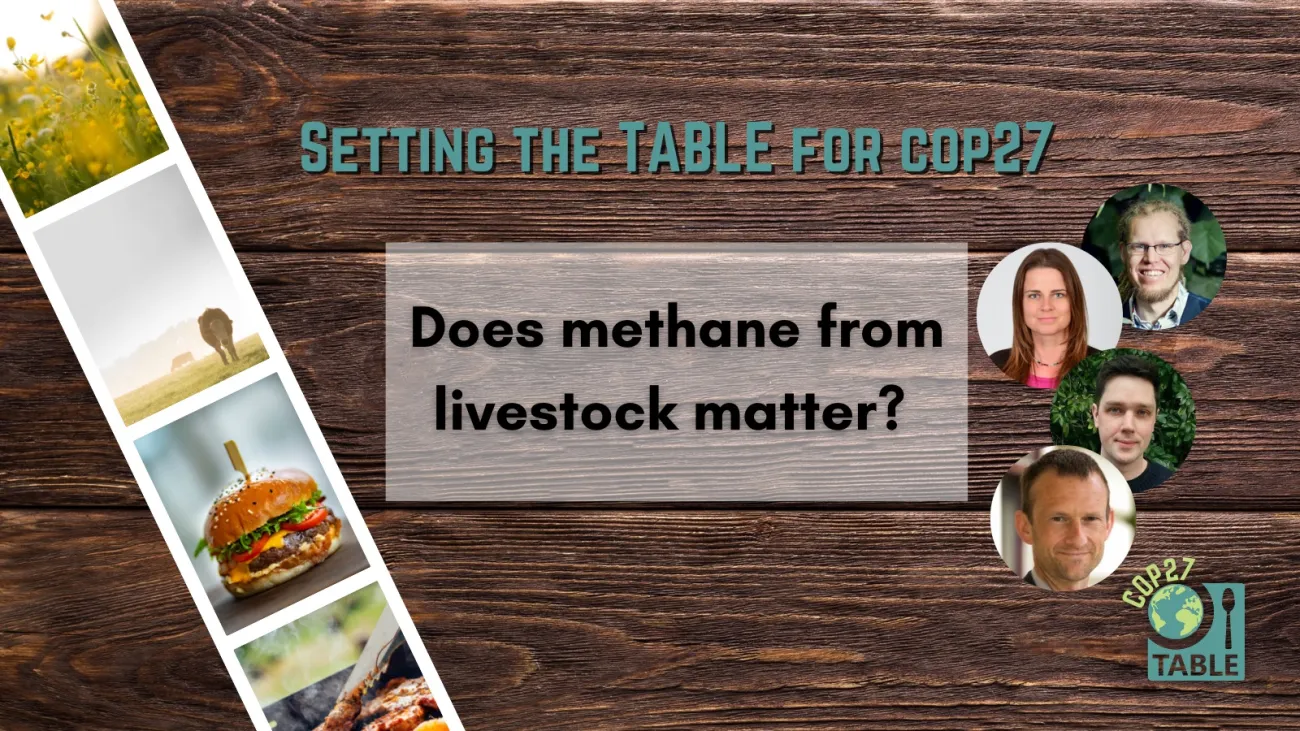
Image Event recording Event recording: Does methane from livestock matter? This event was hosted by TABLE on 28 September 2022 and took the format of a panel discussion with: Dr Tara Garnett (director of TABLE and fellow of the Oxford Martin School); Andy Reisinger (IPCC Working Group III (mitigation)/New Zealand Climate Change Commission) Claudia Arndt (The International Livestock Research Institute [ILRI]) John Lynch (University of Oxford) Martin Persson (Chalmers University of Technology) Read
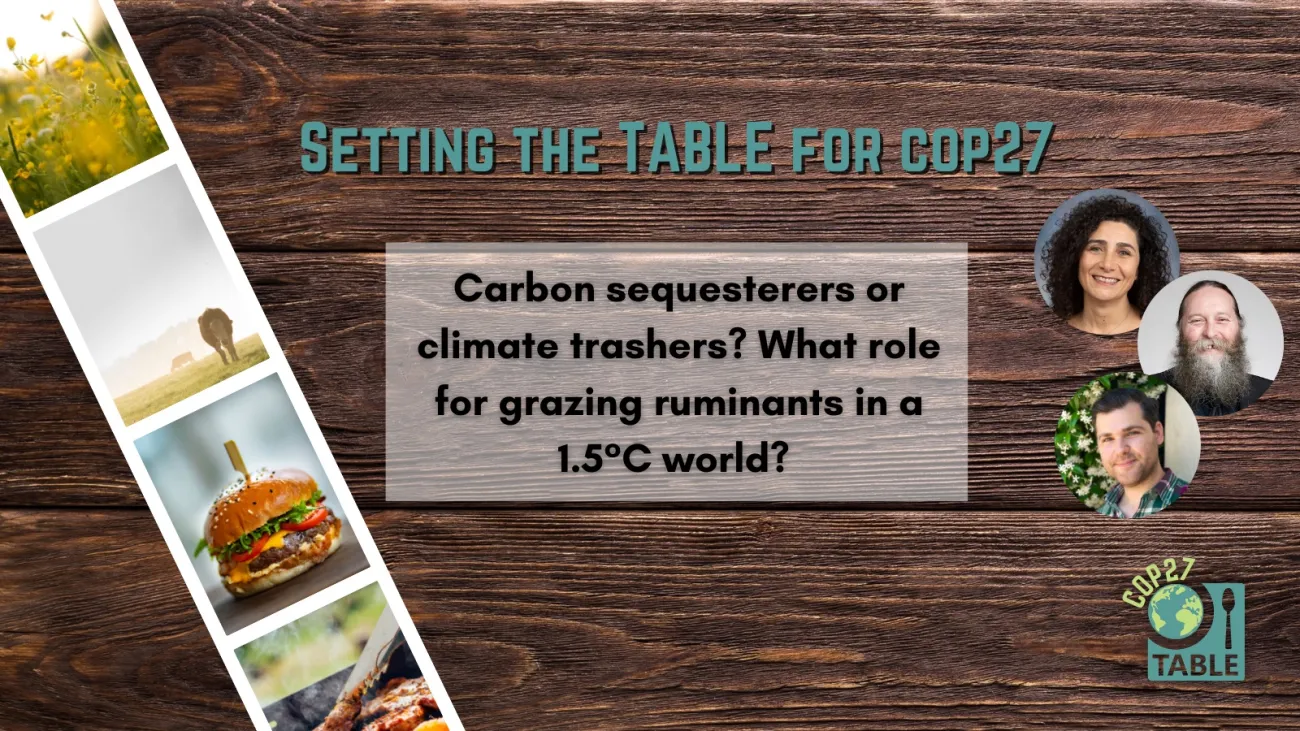
Image Event recording Event recording: Carbon sequesterers or climate trashers? What role for grazing ruminants in a 1.5°C world? This event was hosted by TABLE on 14 September 2022 and took the format of a panel discussion with: Dr Tara Garnett (director of TABLE and fellow of the Oxford Martin School); Professor Pete Smith (University of Aberdeen); Professor M. Francesca Cotrufo (Colorado State University); Assistant Professor Matthew Hayek (New York University). Read
Image News and resources Alternative protein literature library The Good Food Institute has launched a database of over 500 research papers, books, reports, patents and theses on plant-based meats and proteins. The database can be searched and filtered, for example by keyword. Read
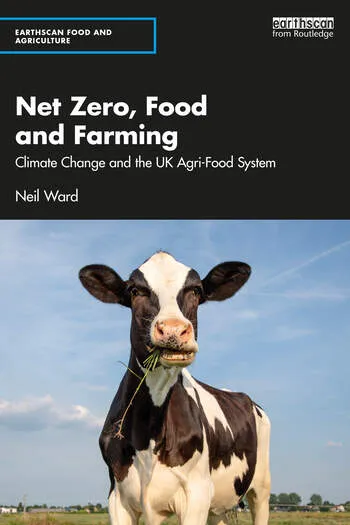
Image Books Net Zero, Food and Farming in the UK This book discusses how the net zero transition and associated changes in land use, farming and diets could affect the UK food system. Read
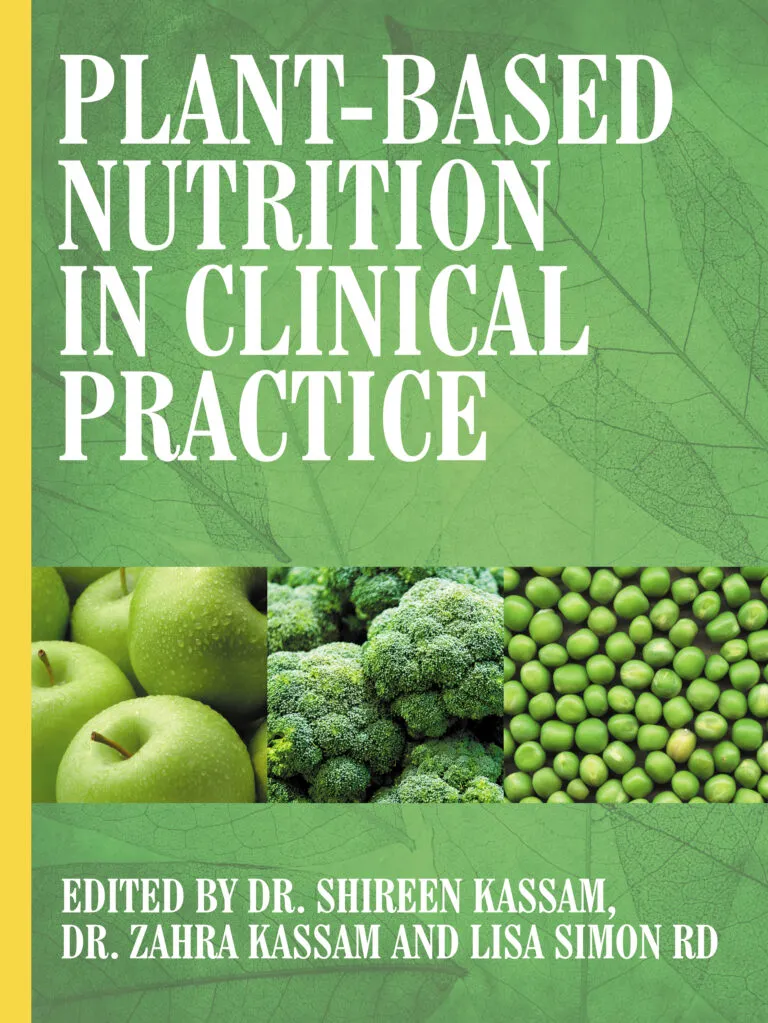
Image Books Plant-Based Nutrition in Clinical Practice This book gives an overview of the state of knowledge on health and sustainable diets, making the case for a diet based on whole, unprocessed plant foods. It is aimed at health professionals. Read