Image Resources Our extensive research library contains thousands of summaries of journal articles, reports and news stories that can be searched by keyword and category RESOURCES CATEGORY Books Briefing paper Event recording Featured articles Featured report Game Journal articles News and resources Reports Think piece Video Working paper Workshop summary Year 2026 2025 2024 2023 2022 2021 2020 2019 2018 2017 2016 2015 2014 2013 2012 2011 2010 2009 2008 2007 2002 2001 Image Books The Good It Promises, the Harm It Does This book is the first collection of essays that critically engage with the philosophy and politics of Effective Altruism. The volume brings together diverse responses from activists and scholars, inviting a nuanced set of perspectives on the Effective Altruism movement Read Image Books Kings of Their Own Ocean Investigative journalist Karen Pinchin uses the remarkable tale of an intrepid bluefin tuna as a lens to investigate the history of the industry, ocean science, conservation battles and environmental justice concerns. The book dwells on the battle between Al Anderson, an enigmatic conservationist, and the bluefin tuna industry as they face the threats of financial competition, climate change and overfishing. Read Image Reports Reaping the rewards: Cultivating a fair transition for farming This report from the Institute for Public Policy Research sets out nine key principles for the UK to address the climate crisis, improve food security and restore nature in a way that is just and fair to farmers, farm workers and communities. The researchers convened several community panels and grounded their report in the lived experience of farming communities. Read Image Reports Soy No More Rising global demands for soy as animal feed is contributing to deforestation in the Global South. Every year the UK imports around 3 million tonnes of soy, mostly for pig and poultry feed, requiring an area the size of Wales to produce. This report details the urgent need to transition away from this pig and poultry feed model and toward a more sustainable and localised mode of production. Read Image Journal articles Six recommendations for fostering a research project with a Supermarket Supermarkets provide the majority of food to consumers in the Western world and are therefore an excellent site for research into food environment interventions. However, such interventions can be hard to research and implement due to the misalignment of public health and commercial priorities, as well as difficulties with brokering relationships between supermarkets and researchers. This paper distils the experience of several studies to provide specific recommendations for conducting high quality research with commercial retail chains. Read Image Journal articles Consumer views on the healthiness of processed foods reflects the NOVA classification system This study looked at consumer perceptions surrounding the healthiness of processed foods and how this relates to food classification systems and nutrient profiling. It involved an online survey of 498 Swiss consumers. Participants were asked to describe their associations and feelings towards ‘food produced by the food industry’. Read Image Journal articles Rebound effects offset the environmental benefits of reducing food loss and waste Food loss and waste is thought to contribute to 24% of greenhouse gas emissions from the global food system, which amounts to 6% of total emissions. It is generally assumed that if food loss and waste were to decrease, less food would need to be produced, which would ultimately reduce associated environmental impacts. However, this study looks at an alternative scenario where reduced food loss and waste causes a ‘rebound effect’ in which the resultant price decreases cause an increase in consumption. Read Image Journal articles Diets high in animal products have increased negative environmental outcomes regardless of production, sourcing, calories or metrics This paper uses data on the real life (as opposed to modelled) dietary practices of vegans, vegetarians and meat eaters to compare environmental impacts across all major environmental measures. The paper links one of the largest datasets available on the true dietary practice of different self-identified dietary groups (vegan, vegetarian, meat eater etc.), with data on the environmental impact of 589 foods across ten environmental measures from 570 life-cycle assessments. Read Image News and resources Climate change and conflict are fuelling Nigeria’s food insecurity crisis The joint forces of climate change and violent conflict are pushing Nigeria’s food security to the brink. It is estimated that over 25 million Nigerians will be food insecure in the coming months, with the country dropping from 97 to 107 out of 133 in international food security rankings. With two thirds of the labour force working in agriculture, the increasing extreme weather patterns brought about by climate change are putting the country under severe threat. Simultaneously, Boko Harma extremist groups continue to occupy the North of the country, where the majority of agricultural production takes place. Read VIEW MORE
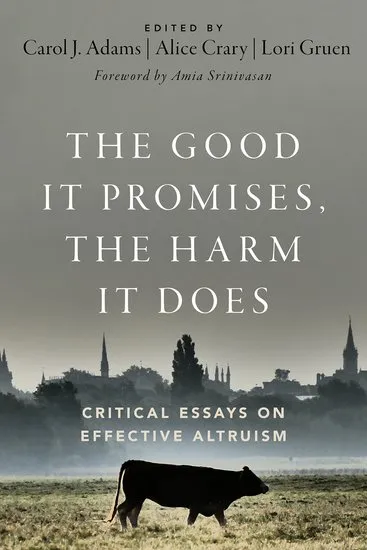
Image Books The Good It Promises, the Harm It Does This book is the first collection of essays that critically engage with the philosophy and politics of Effective Altruism. The volume brings together diverse responses from activists and scholars, inviting a nuanced set of perspectives on the Effective Altruism movement Read
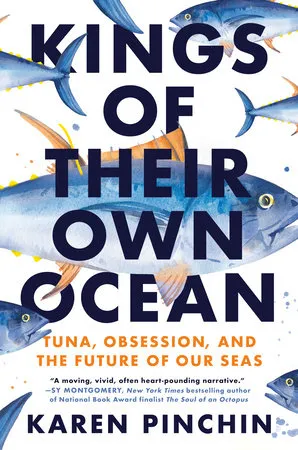
Image Books Kings of Their Own Ocean Investigative journalist Karen Pinchin uses the remarkable tale of an intrepid bluefin tuna as a lens to investigate the history of the industry, ocean science, conservation battles and environmental justice concerns. The book dwells on the battle between Al Anderson, an enigmatic conservationist, and the bluefin tuna industry as they face the threats of financial competition, climate change and overfishing. Read
Image Reports Reaping the rewards: Cultivating a fair transition for farming This report from the Institute for Public Policy Research sets out nine key principles for the UK to address the climate crisis, improve food security and restore nature in a way that is just and fair to farmers, farm workers and communities. The researchers convened several community panels and grounded their report in the lived experience of farming communities. Read
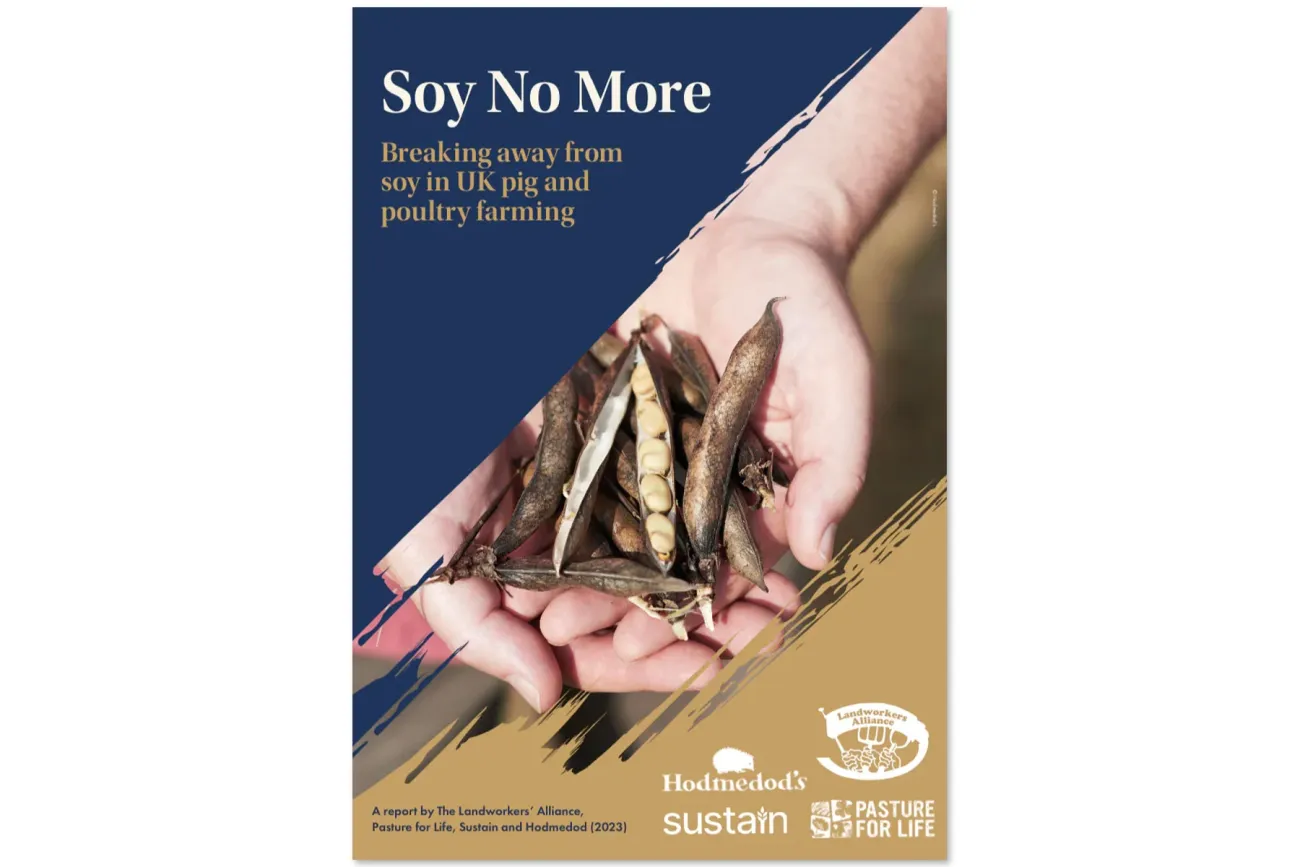
Image Reports Soy No More Rising global demands for soy as animal feed is contributing to deforestation in the Global South. Every year the UK imports around 3 million tonnes of soy, mostly for pig and poultry feed, requiring an area the size of Wales to produce. This report details the urgent need to transition away from this pig and poultry feed model and toward a more sustainable and localised mode of production. Read
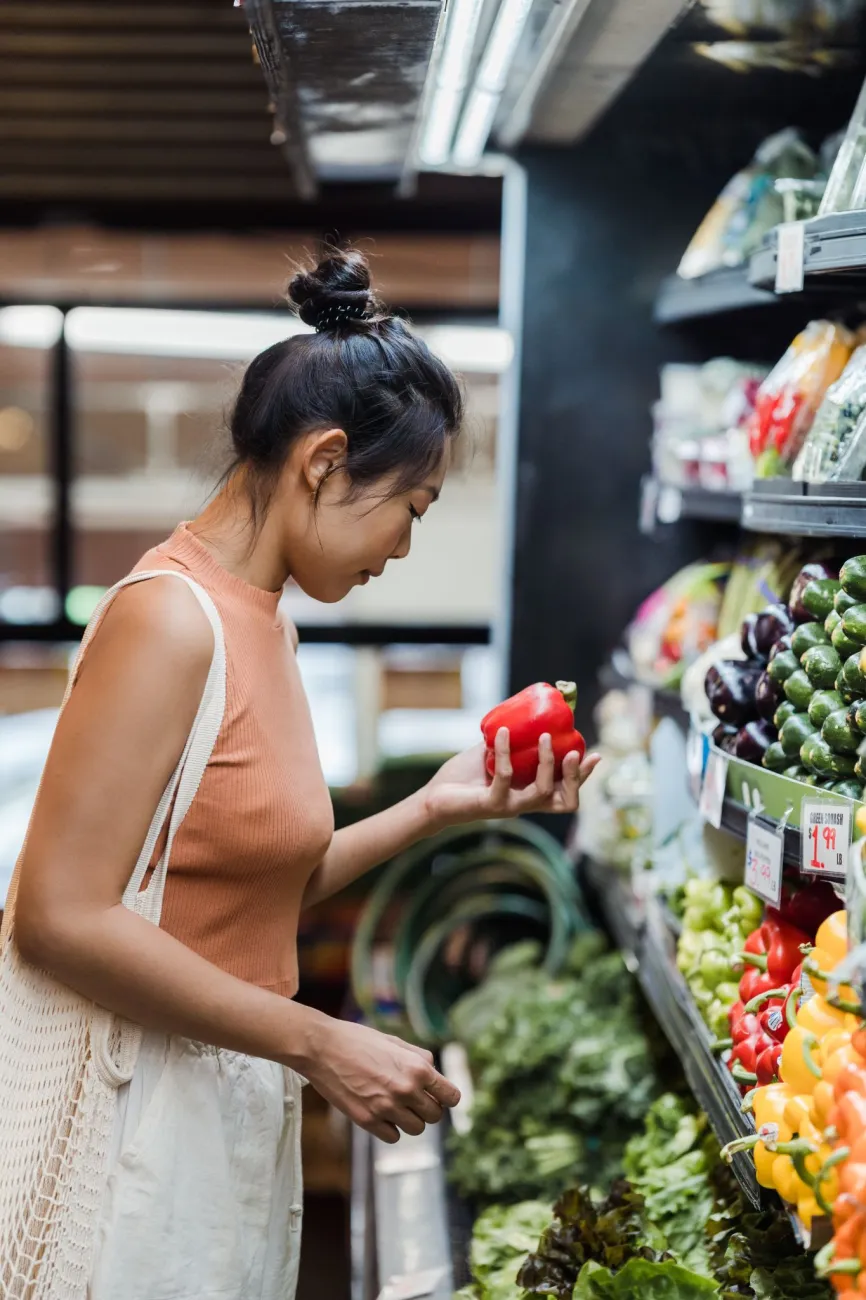
Image Journal articles Six recommendations for fostering a research project with a Supermarket Supermarkets provide the majority of food to consumers in the Western world and are therefore an excellent site for research into food environment interventions. However, such interventions can be hard to research and implement due to the misalignment of public health and commercial priorities, as well as difficulties with brokering relationships between supermarkets and researchers. This paper distils the experience of several studies to provide specific recommendations for conducting high quality research with commercial retail chains. Read
Image Journal articles Consumer views on the healthiness of processed foods reflects the NOVA classification system This study looked at consumer perceptions surrounding the healthiness of processed foods and how this relates to food classification systems and nutrient profiling. It involved an online survey of 498 Swiss consumers. Participants were asked to describe their associations and feelings towards ‘food produced by the food industry’. Read
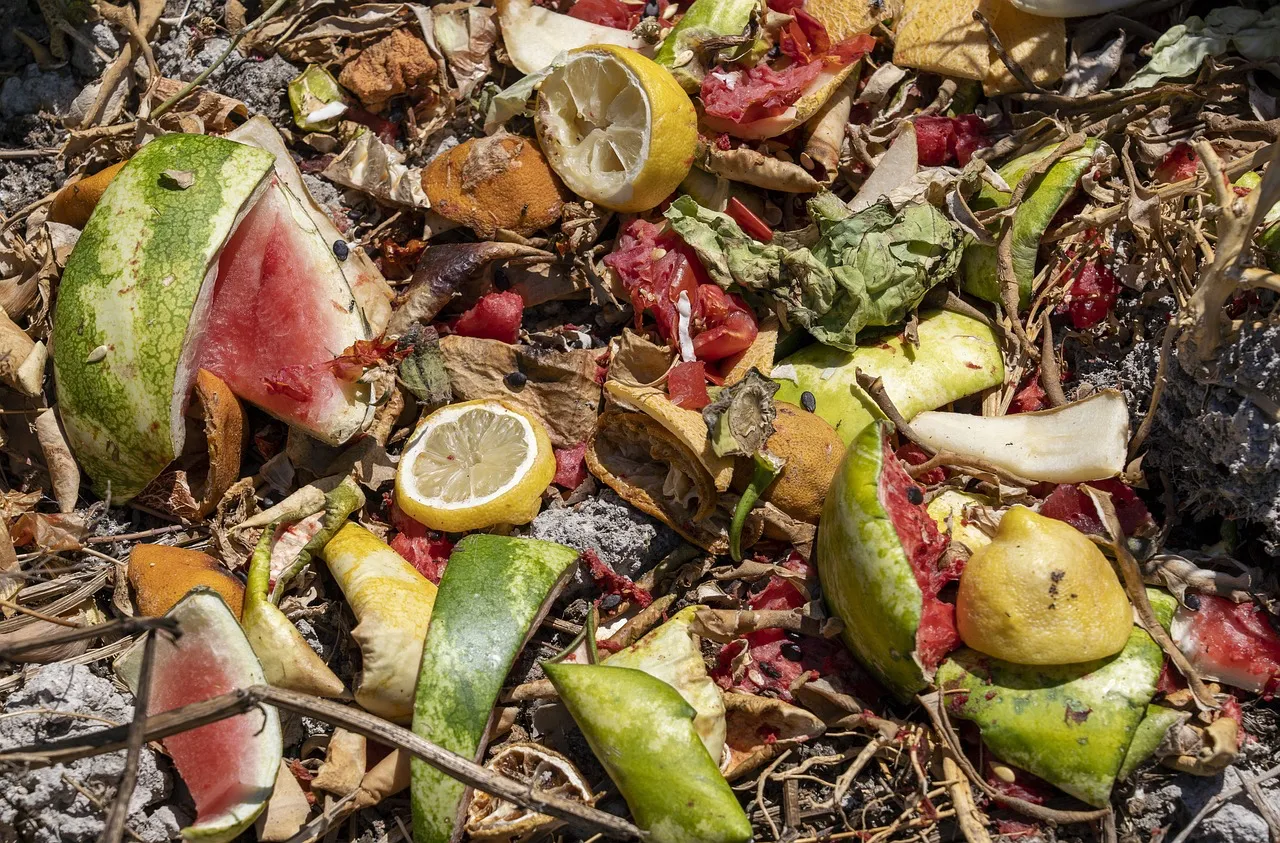
Image Journal articles Rebound effects offset the environmental benefits of reducing food loss and waste Food loss and waste is thought to contribute to 24% of greenhouse gas emissions from the global food system, which amounts to 6% of total emissions. It is generally assumed that if food loss and waste were to decrease, less food would need to be produced, which would ultimately reduce associated environmental impacts. However, this study looks at an alternative scenario where reduced food loss and waste causes a ‘rebound effect’ in which the resultant price decreases cause an increase in consumption. Read
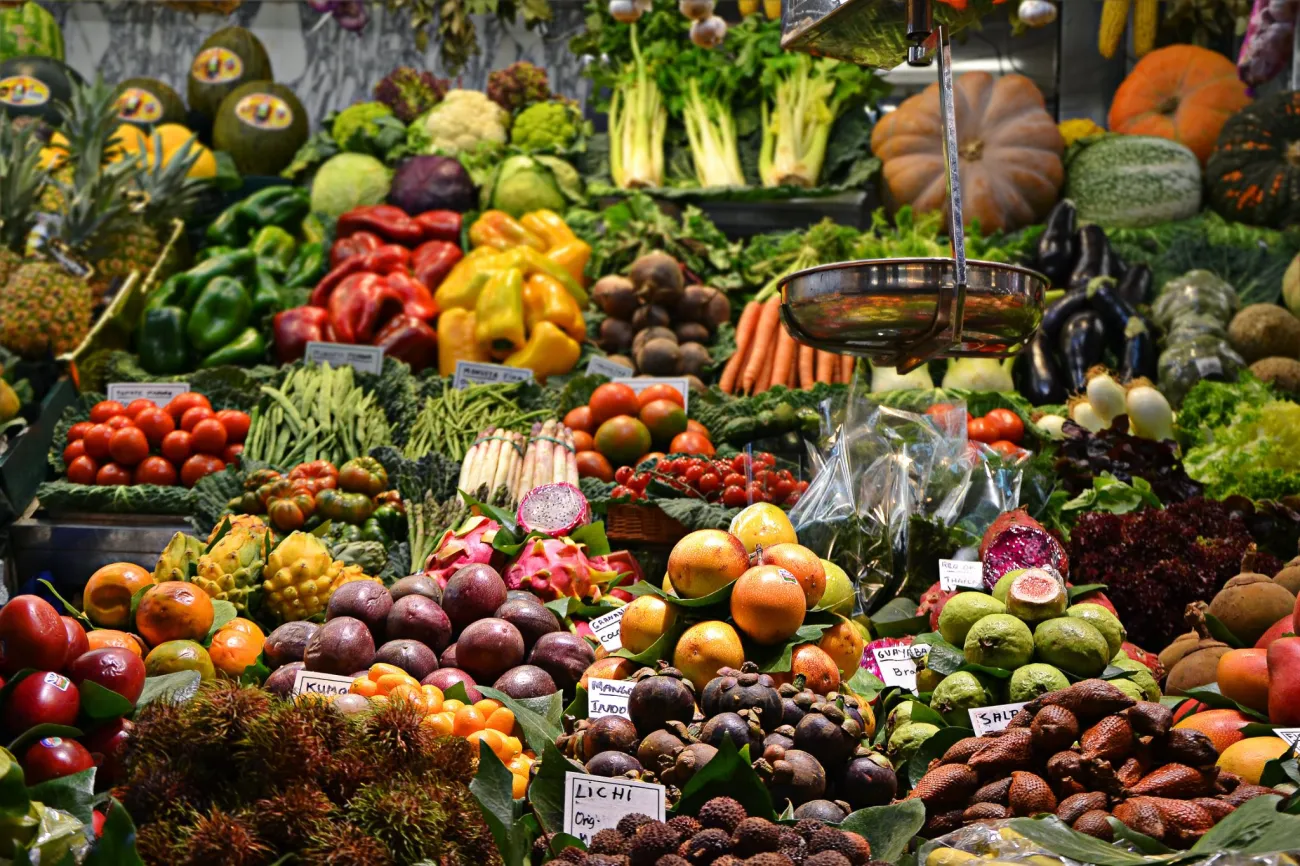
Image Journal articles Diets high in animal products have increased negative environmental outcomes regardless of production, sourcing, calories or metrics This paper uses data on the real life (as opposed to modelled) dietary practices of vegans, vegetarians and meat eaters to compare environmental impacts across all major environmental measures. The paper links one of the largest datasets available on the true dietary practice of different self-identified dietary groups (vegan, vegetarian, meat eater etc.), with data on the environmental impact of 589 foods across ten environmental measures from 570 life-cycle assessments. Read
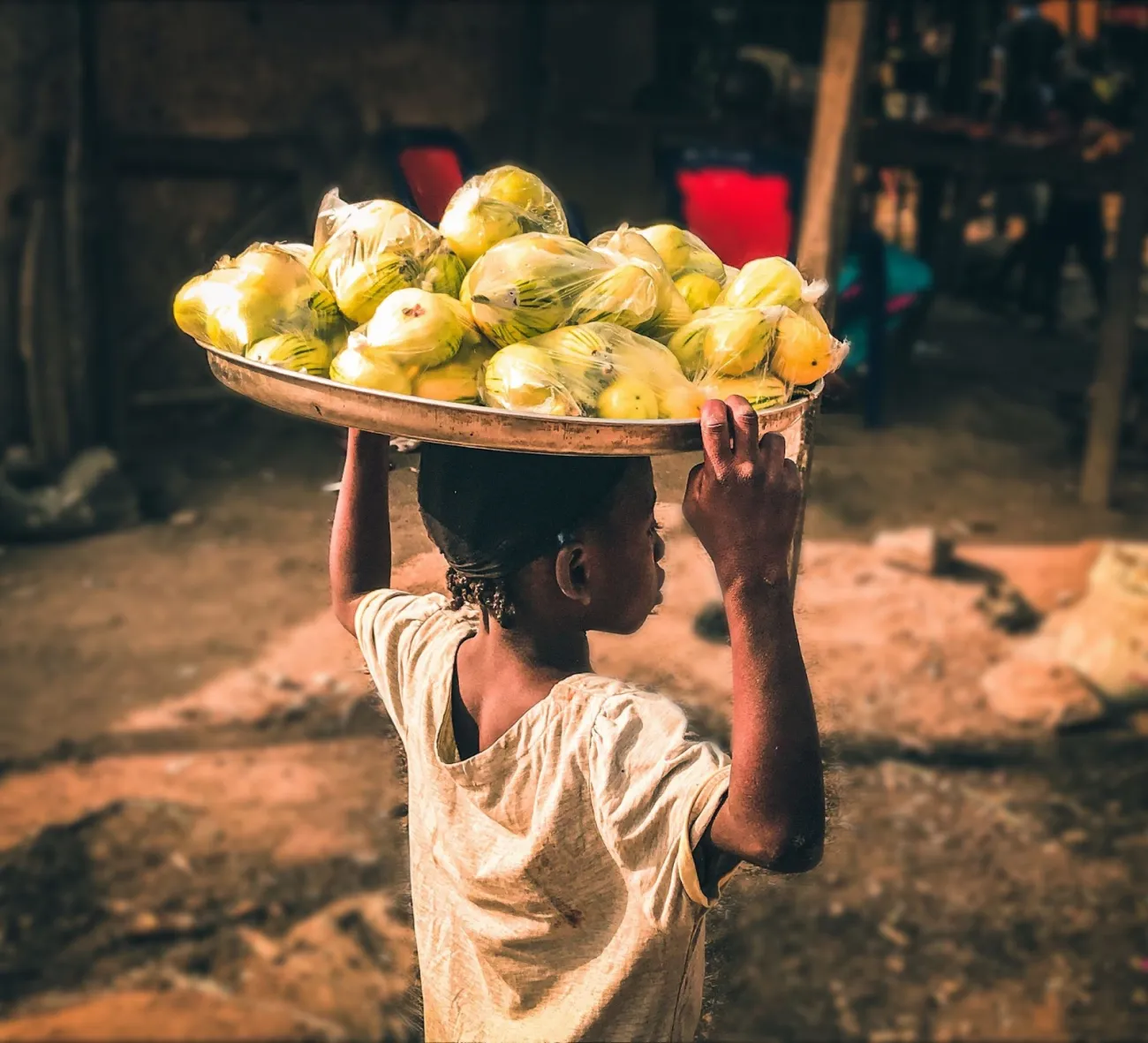
Image News and resources Climate change and conflict are fuelling Nigeria’s food insecurity crisis The joint forces of climate change and violent conflict are pushing Nigeria’s food security to the brink. It is estimated that over 25 million Nigerians will be food insecure in the coming months, with the country dropping from 97 to 107 out of 133 in international food security rankings. With two thirds of the labour force working in agriculture, the increasing extreme weather patterns brought about by climate change are putting the country under severe threat. Simultaneously, Boko Harma extremist groups continue to occupy the North of the country, where the majority of agricultural production takes place. Read