Image Resources Our extensive research library contains thousands of summaries of journal articles, reports and news stories that can be searched by keyword and category RESOURCES CATEGORYBooksBriefing paperEvent recordingFeatured articlesFeatured reportGameJournal articlesNews and resourcesReportsThink pieceVideoWorking paperWorkshop summary YEAR201220132014201520162017201820192020202120222023202420252026 Image News and resources Blog post: Working with nature through agricultural biodiversity In this blog post from Agroecology Now! Patrick Mulvany of the Centre for Agroecology, Water and Resilience (CAWR) at Coventry University argues that agricultural biodiversity needs go beyond just seed diversity. Rather, he argues, there should be intentional diversity in many dimensions of agroecology, such as management practices, livestock breeds, forest species, support species, agroecosystems, soil organisms, pollinators, and so on. Read Image News and resources UK supermarket chicken deforesting Brazil’s Cerrado According to a joint investigation by the Guardian, the Bureau of Investigative Journalism and ITV News, leading UK supermarkets and food outlets including Tesco, Asda, Lidl, Nando’s and McDonald’s are selling chicken that has been fed on soy produced in Brazil’s Cerrado savannah, which is threatened by deforestation. The chicken producer in question, Cargill, says that it has broken no rules and that it does not source from illegally deforested land. Read Image News and resources Deep listening: Can dairy adapt to climate change? In this BBC Future piece, Emily Kasriel uses a communication approach called “deep listening” to better understand how dairy farmers think about climate change. Kasriel describes deep listening: “I try to be completely present, using deep listening. I focus on their words, but also try to sense the meaning behind them to better understand their world view.” She talks to dairy farmers who hold varying views about the validity of climate science and the future of the sector. Read Image News and resources Cultured meat approved for sale for the first time Lab-grown chicken meat produced by the US company Eat Just has been approved for sale for the first time ever. The Singapore Food Agency approved a production line of Eat Just’s GOOD Meat brand. This production line uses animal-based growth media (containing foetal bovine serum) because a plant-based alternative was not available at the time that the regulatory approval process started. Read Image Books What is food? Researching a topic with many meanings This book takes a broad, interdisciplinary look at current research on the food system, covering topics such as eating in restaurants, food poverty, school meals, public perceptions of the food system, and community food initiatives. Read Image Reports A transformation pathway for Scottish farming This report has been produced by the Farming for 1.5°C independent enquiry on farming and climate change for Scotland. It sets out a pathway to net zero for Scottish farming, arguing that farmers and land managers will have to “revolutionise current practices” to reduce environmental harm and sequester carbon, and that multifunctional land use management (including agroecology, restored peatland, planted woodland and multispecies pastures) needs to become the norm. Read Image Reports State of knowledge of soil biodiversity This report from the Food and Agriculture Organisation of the United Nations reviews - with the contributions of over 300 scientists - the state of knowledge on soil biodiversity, factors threatening it, and how knowledge of soil biodiversity can be applied to fields such as agriculture, food processing, ecosystem restoration and the pharmaceutical industry. Read Image Journal articles Origins and deforestation risk of Brazil’s beef exports In this paper, Table member Erasmus Zu Ermgassen and co-authors use publicly available data to trace Brazil’s beef exports from 2800 municipalities to 152 countries, along with their deforestation links. The authors argue that, because of the high variation between the sources of beef for different trading companies, it is not advisable to rely on national level statistics when assessing environmental footprints. Read Image Journal articles Virtual water flows through interstate cereal trade in India This paper, co-authored by Table member Francesca Harris, calculates the ground and surface water use associated with cereal traded between states in India. It uses a new modelling method based on supply and demand data to quantify sub-national food flows in the absence of relevant food trade data. It reports that 154 km3 of water travels between Indian states through the trade of cereals each year. 41% of the cereals traded are produced in states with over exploited groundwater. Read VIEW MORE
Image News and resources Blog post: Working with nature through agricultural biodiversity In this blog post from Agroecology Now! Patrick Mulvany of the Centre for Agroecology, Water and Resilience (CAWR) at Coventry University argues that agricultural biodiversity needs go beyond just seed diversity. Rather, he argues, there should be intentional diversity in many dimensions of agroecology, such as management practices, livestock breeds, forest species, support species, agroecosystems, soil organisms, pollinators, and so on. Read
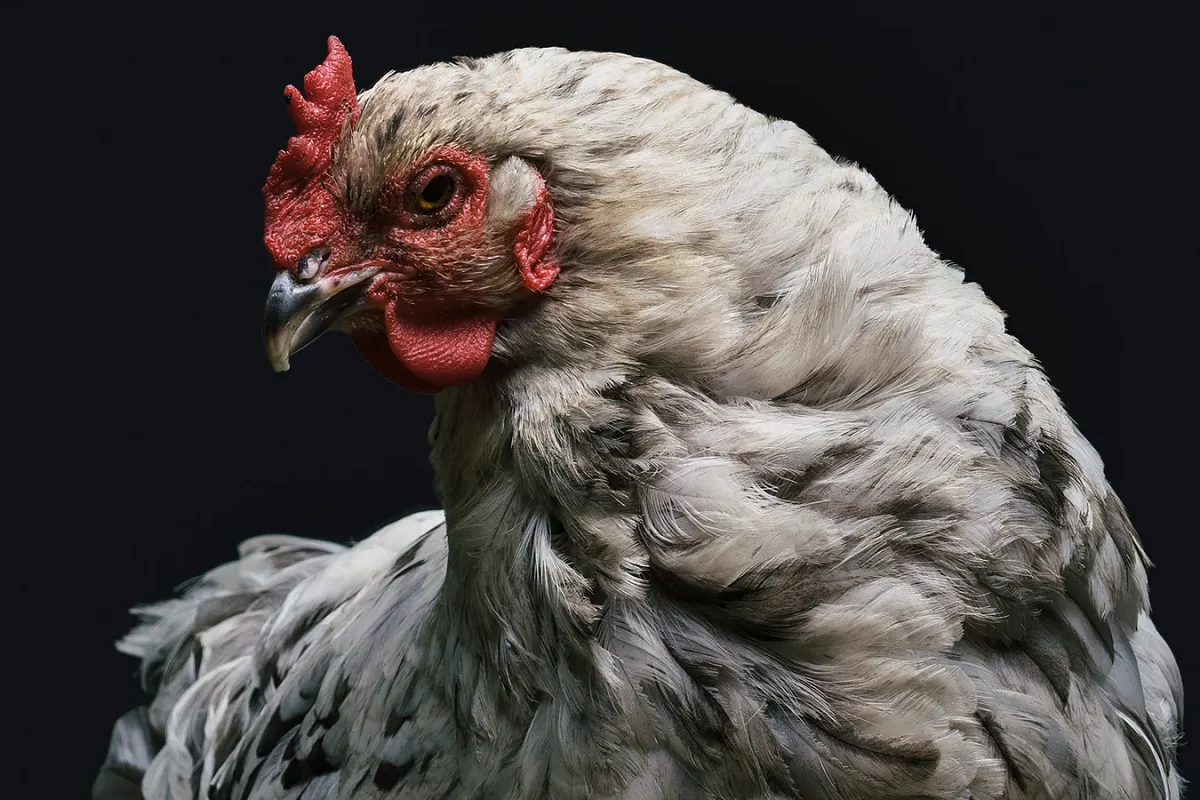
Image News and resources UK supermarket chicken deforesting Brazil’s Cerrado According to a joint investigation by the Guardian, the Bureau of Investigative Journalism and ITV News, leading UK supermarkets and food outlets including Tesco, Asda, Lidl, Nando’s and McDonald’s are selling chicken that has been fed on soy produced in Brazil’s Cerrado savannah, which is threatened by deforestation. The chicken producer in question, Cargill, says that it has broken no rules and that it does not source from illegally deforested land. Read
Image News and resources Deep listening: Can dairy adapt to climate change? In this BBC Future piece, Emily Kasriel uses a communication approach called “deep listening” to better understand how dairy farmers think about climate change. Kasriel describes deep listening: “I try to be completely present, using deep listening. I focus on their words, but also try to sense the meaning behind them to better understand their world view.” She talks to dairy farmers who hold varying views about the validity of climate science and the future of the sector. Read
Image News and resources Cultured meat approved for sale for the first time Lab-grown chicken meat produced by the US company Eat Just has been approved for sale for the first time ever. The Singapore Food Agency approved a production line of Eat Just’s GOOD Meat brand. This production line uses animal-based growth media (containing foetal bovine serum) because a plant-based alternative was not available at the time that the regulatory approval process started. Read
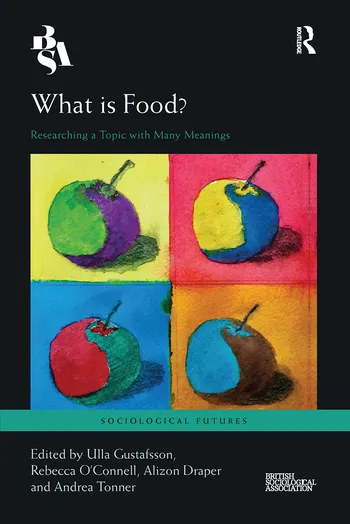
Image Books What is food? Researching a topic with many meanings This book takes a broad, interdisciplinary look at current research on the food system, covering topics such as eating in restaurants, food poverty, school meals, public perceptions of the food system, and community food initiatives. Read
Image Reports A transformation pathway for Scottish farming This report has been produced by the Farming for 1.5°C independent enquiry on farming and climate change for Scotland. It sets out a pathway to net zero for Scottish farming, arguing that farmers and land managers will have to “revolutionise current practices” to reduce environmental harm and sequester carbon, and that multifunctional land use management (including agroecology, restored peatland, planted woodland and multispecies pastures) needs to become the norm. Read
Image Reports State of knowledge of soil biodiversity This report from the Food and Agriculture Organisation of the United Nations reviews - with the contributions of over 300 scientists - the state of knowledge on soil biodiversity, factors threatening it, and how knowledge of soil biodiversity can be applied to fields such as agriculture, food processing, ecosystem restoration and the pharmaceutical industry. Read
Image Journal articles Origins and deforestation risk of Brazil’s beef exports In this paper, Table member Erasmus Zu Ermgassen and co-authors use publicly available data to trace Brazil’s beef exports from 2800 municipalities to 152 countries, along with their deforestation links. The authors argue that, because of the high variation between the sources of beef for different trading companies, it is not advisable to rely on national level statistics when assessing environmental footprints. Read
Image Journal articles Virtual water flows through interstate cereal trade in India This paper, co-authored by Table member Francesca Harris, calculates the ground and surface water use associated with cereal traded between states in India. It uses a new modelling method based on supply and demand data to quantify sub-national food flows in the absence of relevant food trade data. It reports that 154 km3 of water travels between Indian states through the trade of cereals each year. 41% of the cereals traded are produced in states with over exploited groundwater. Read