Image Resources Our extensive research library contains thousands of summaries of journal articles, reports and news stories that can be searched by keyword and category RESOURCES CATEGORYBooksBriefing paperEvent recordingFeatured articlesFeatured reportGameJournal articlesNews and resourcesReportsThink pieceVideoWorking paperWorkshop summary YEAR201220132014201520162017201820192020202120222023202420252026 Image News and resources Podcast: Is being vegan the only way to save the planet? TABLE’s Tara Garnett has been interviewed on an episode of the podcast Great Green Questions, tackling the question: "Is being vegan the only way to save the planet?" The podcast episode covers the impacts of the production and consumption of both livestock and vegan alternatives, the ‘’tyranny of choice” and the implications of click and collect culture, and whether it is possible to farm without animals. Read Image Books Growing Resilience: Feeding the city in challenging times This essay collection from Dutch food innovation centre Flevo Campus discusses how the food system can become more resilient, bearing in mind the important events of 2020, including Brexit, the Black Lives Matter movement, and the COVID-19 pandemic. Read Image Reports Inclusive investments in sustainable land management This report from IDH, the sustainable trade initiative sets out lessons learned from the work of the Land Degradation Neutrality Fund, a tool for market investment in sustainable land management such as sustainable forestry, climate mitigation projects and payments for ecosystems services. The report includes case studies on hazelnut production in Bhutan, cocoa and coffee agroforestry in Nicaragua, and sustainable forestry landscapes in Ghana and Sierra Leone. Read Image Reports A pathway to carbon neutral agriculture in Denmark This report from the World Resources Institute discusses how agriculture in Denmark can become carbon neutral, in line with the net zero commitments made by many Danish agricultural organisations. It stresses the need to continuously improve agricultural technologies by supporting cooperation between researchers, farmers and businesses. Read Image Reports Nature-based solutions for climate, people and biodiversity This briefing paper by the COP26 Universities Network explains what nature-based solutions (NbS) are and sets out policy recommendations for their implementation in the UK, spanning the UK’s chance to use the COP26 summit to promote the global adoption of good practice principles for NbS, strategic planning at the landscape scale, the economic incentives needed for NbS schemes to be effective, metrics and monitoring, and involving communities. Read Image Reports Benefits and costs of mitigating global methane emissions This report from the United Nations Environment Programme assesses the implications of cutting global methane emissions, including those from agriculture, fossil fuels and waste. It finds that reducing human-caused methane emissions by 45% this decade would avoid nearly 0.3°C of warming by the 2040s as well as have significant co-benefits in reducing premature deaths, asthma-related hospital visits and crop losses (related to ozone exposure, as methane promotes ground-level ozone formation) and work hours lost to extreme heat (related to climate change). Read Image Journal articles State of the art and future of grassland restoration This special issue of the journal Restoration Ecology examines trends, opportunities and research gaps in the restoration of grassland ecosystems. TABLE readers may be particularly interested in the special issue’s coverage of grazing and land-use legacies. Read Image Journal articles UNFSS: Resetting corporate control of food systems This paper argues that the 2021 United Nations Food Systems Summit (UNFSS) is being used by large corporations, philanthropic organisations and export-oriented countries to take control of the narrative around food systems transformation and undermine more democratic forms of food systems governance. It analyses how the Summit was organised and how stakeholders were selected to take part. Read Image Journal articles Circular economy principles for a resilient seafood sector The paper, co-authored by TABLE member Rebecca St. Clair, reviews the literature on business models in the seafood sector (covering both fisheries and aquaculture) and draws links between the principles of circular economy and resilience through a new Circular Economy Resilience Framework for Business Models (CERF-BM). It hypothesises that seafood businesses could increase their resilience (i.e. the ability to keep functioning despite external shocks and pressures) by using circular economy principles. Read VIEW MORE
Image News and resources Podcast: Is being vegan the only way to save the planet? TABLE’s Tara Garnett has been interviewed on an episode of the podcast Great Green Questions, tackling the question: "Is being vegan the only way to save the planet?" The podcast episode covers the impacts of the production and consumption of both livestock and vegan alternatives, the ‘’tyranny of choice” and the implications of click and collect culture, and whether it is possible to farm without animals. Read
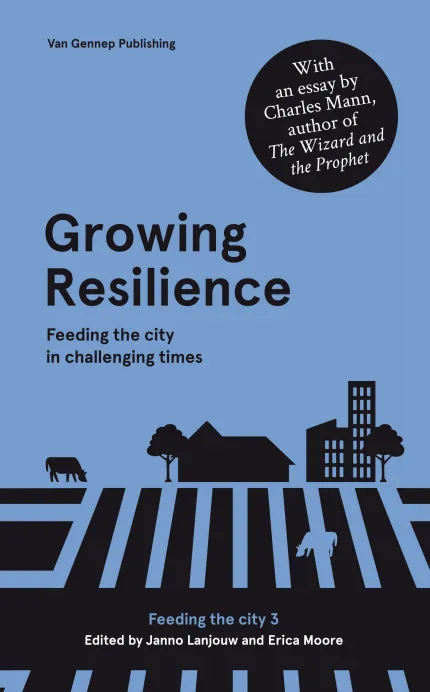
Image Books Growing Resilience: Feeding the city in challenging times This essay collection from Dutch food innovation centre Flevo Campus discusses how the food system can become more resilient, bearing in mind the important events of 2020, including Brexit, the Black Lives Matter movement, and the COVID-19 pandemic. Read
Image Reports Inclusive investments in sustainable land management This report from IDH, the sustainable trade initiative sets out lessons learned from the work of the Land Degradation Neutrality Fund, a tool for market investment in sustainable land management such as sustainable forestry, climate mitigation projects and payments for ecosystems services. The report includes case studies on hazelnut production in Bhutan, cocoa and coffee agroforestry in Nicaragua, and sustainable forestry landscapes in Ghana and Sierra Leone. Read
Image Reports A pathway to carbon neutral agriculture in Denmark This report from the World Resources Institute discusses how agriculture in Denmark can become carbon neutral, in line with the net zero commitments made by many Danish agricultural organisations. It stresses the need to continuously improve agricultural technologies by supporting cooperation between researchers, farmers and businesses. Read
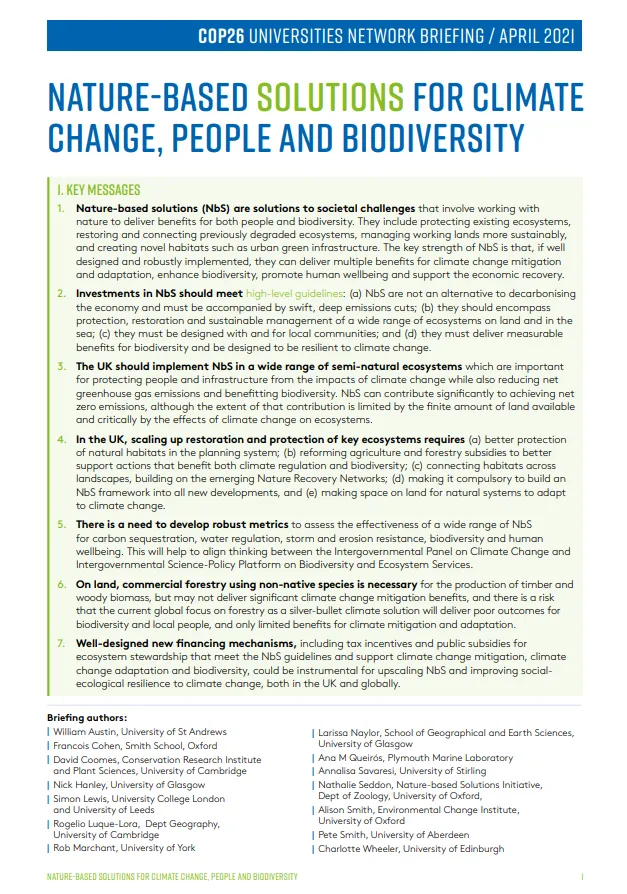
Image Reports Nature-based solutions for climate, people and biodiversity This briefing paper by the COP26 Universities Network explains what nature-based solutions (NbS) are and sets out policy recommendations for their implementation in the UK, spanning the UK’s chance to use the COP26 summit to promote the global adoption of good practice principles for NbS, strategic planning at the landscape scale, the economic incentives needed for NbS schemes to be effective, metrics and monitoring, and involving communities. Read
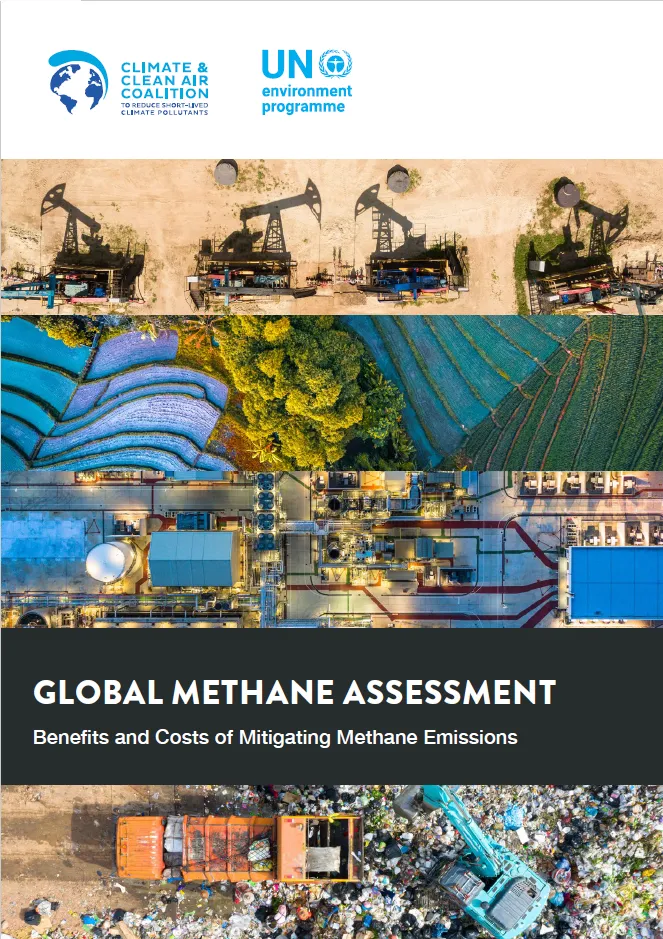
Image Reports Benefits and costs of mitigating global methane emissions This report from the United Nations Environment Programme assesses the implications of cutting global methane emissions, including those from agriculture, fossil fuels and waste. It finds that reducing human-caused methane emissions by 45% this decade would avoid nearly 0.3°C of warming by the 2040s as well as have significant co-benefits in reducing premature deaths, asthma-related hospital visits and crop losses (related to ozone exposure, as methane promotes ground-level ozone formation) and work hours lost to extreme heat (related to climate change). Read
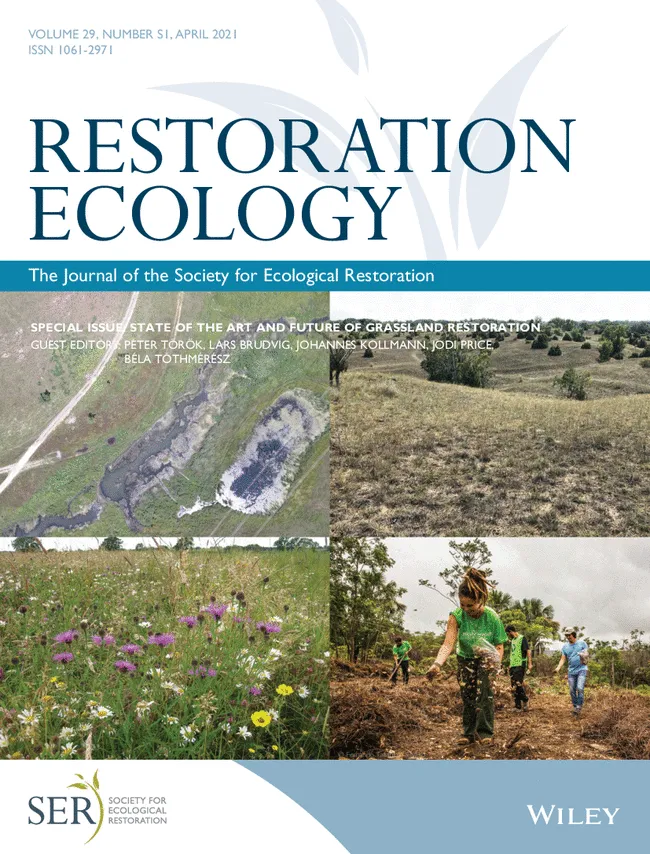
Image Journal articles State of the art and future of grassland restoration This special issue of the journal Restoration Ecology examines trends, opportunities and research gaps in the restoration of grassland ecosystems. TABLE readers may be particularly interested in the special issue’s coverage of grazing and land-use legacies. Read
Image Journal articles UNFSS: Resetting corporate control of food systems This paper argues that the 2021 United Nations Food Systems Summit (UNFSS) is being used by large corporations, philanthropic organisations and export-oriented countries to take control of the narrative around food systems transformation and undermine more democratic forms of food systems governance. It analyses how the Summit was organised and how stakeholders were selected to take part. Read
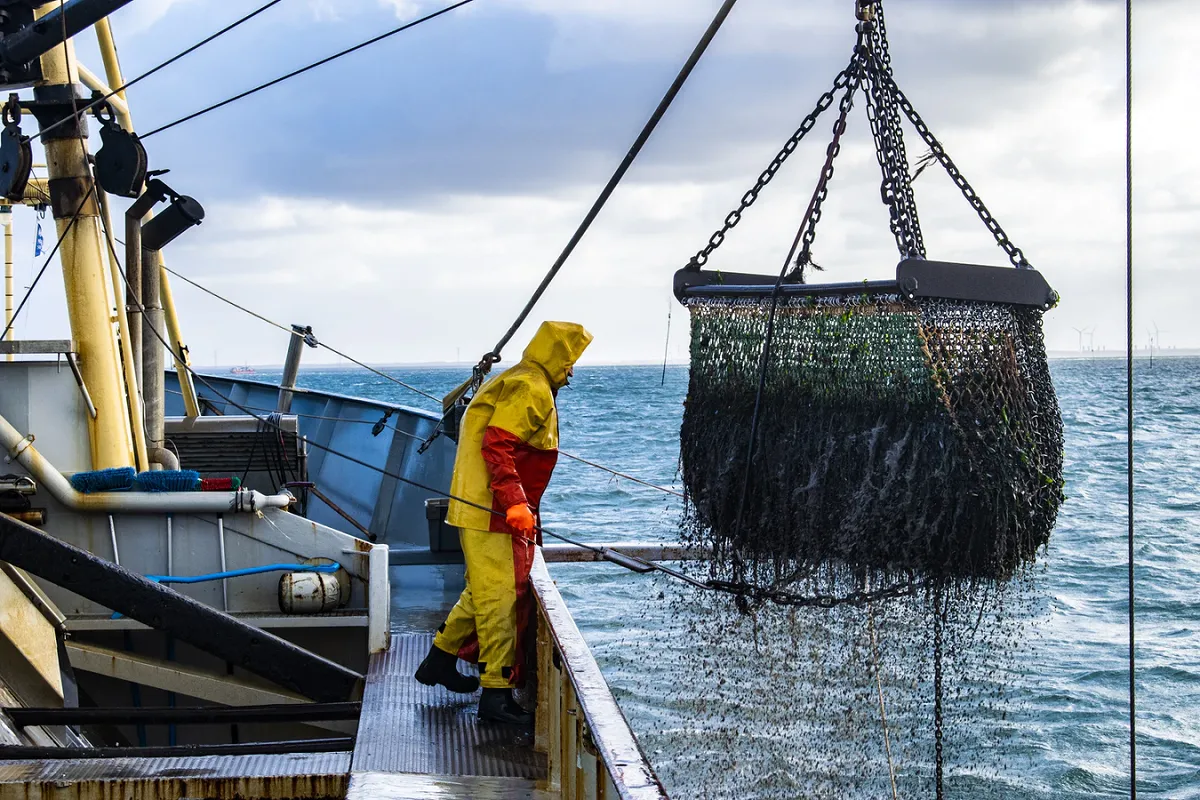
Image Journal articles Circular economy principles for a resilient seafood sector The paper, co-authored by TABLE member Rebecca St. Clair, reviews the literature on business models in the seafood sector (covering both fisheries and aquaculture) and draws links between the principles of circular economy and resilience through a new Circular Economy Resilience Framework for Business Models (CERF-BM). It hypothesises that seafood businesses could increase their resilience (i.e. the ability to keep functioning despite external shocks and pressures) by using circular economy principles. Read