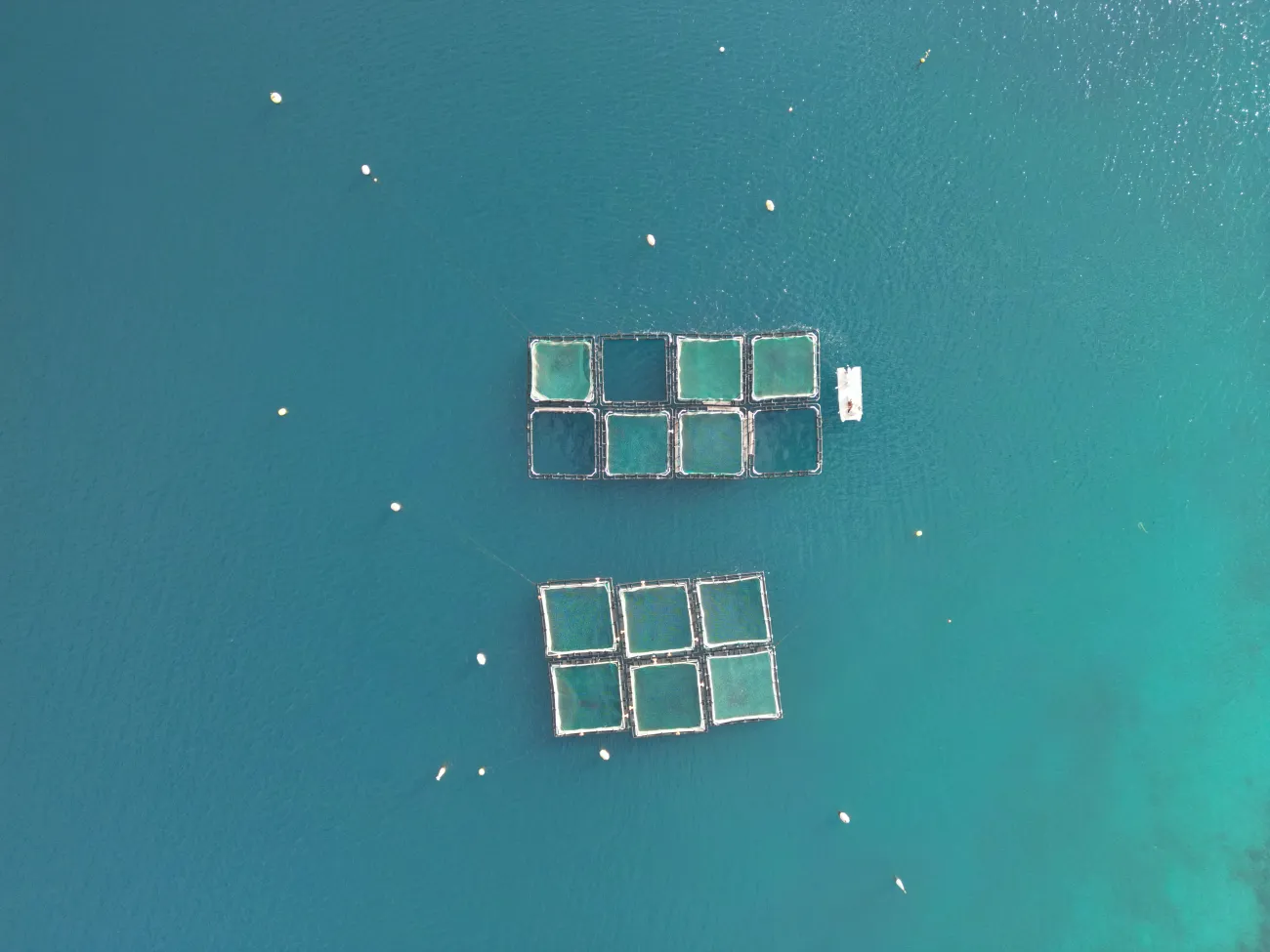
The concept of resilience, in the context of food system sustainability, refers to the ability of the food system to cope with and recover from socio-economic or environmental shocks and pressures. A resilient system has a certain degree of toughness and is able to bounce back against or adapt to disturbances. A resilient food system, for example, is able to keep providing food or other outputs such as livelihoods for farmers, drinking water, and biodiversity conservation under conditions of drought, a drop in food prices, war, climate change, the spread of virus in plants or animals, and so on. Resilience can be thought of at different scale levels. For example, what may be considered as resilient on a national level may not be understood to be resilient at a farm level. While some see resilience as synchronous with sustainability, others point out that a resilient system may also be one that resists needed transformation; an unsustainable status quo may in fact be resilient to change.
Image
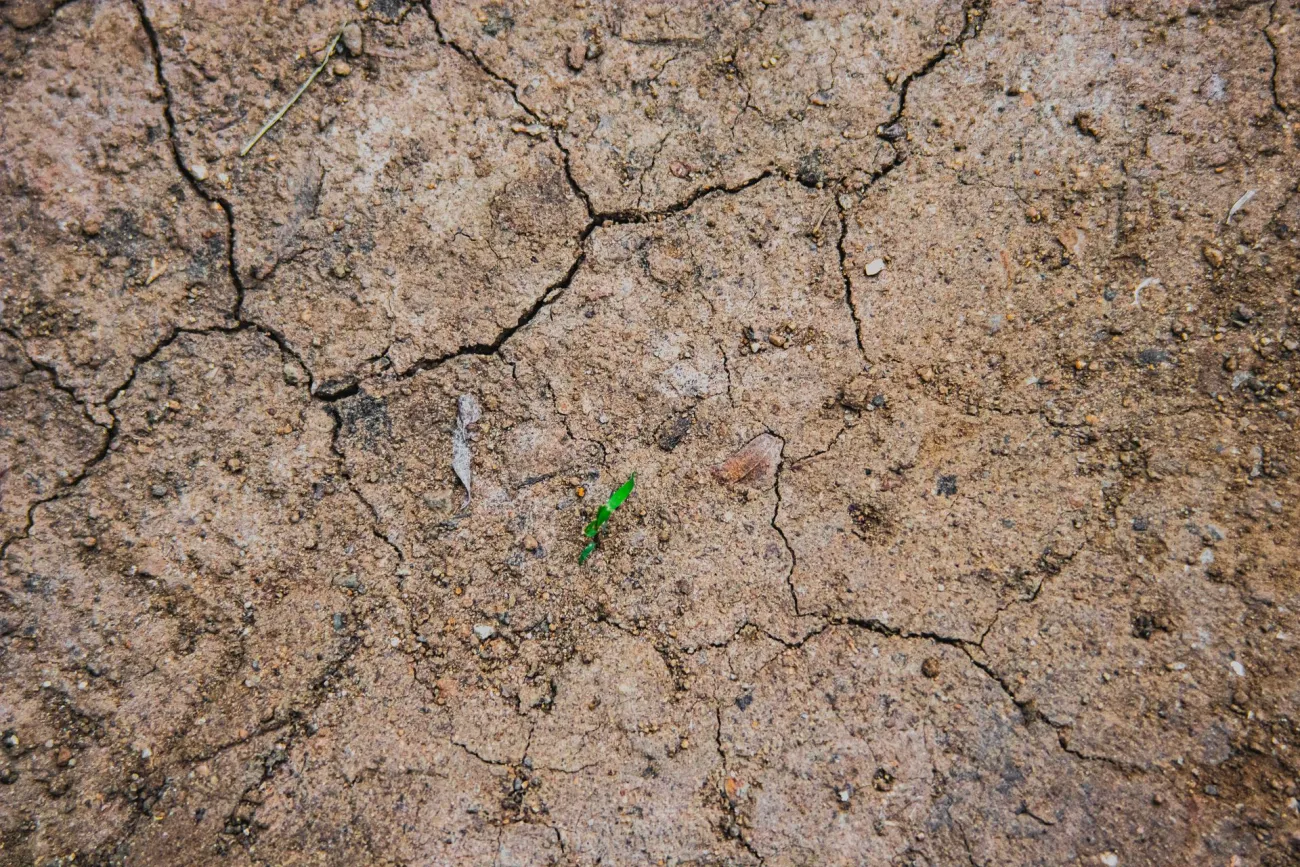
Cracked earth. Credit: Nothing Ahead via Pexels
Think piece
Resilience? For what? And for who?
Droughts in Europe have caused at least €14 billion in damage to agriculture this year. Wars in the Middle East and Black Sea have sent fertiliser, energy and grain prices surging. El Niño is looming, threatening to pummel agriculture further.No wonder resilience - the capacity and decision to bounce back, adapt or transform in response to a shock - is the term du jour in conversations around food. This week, the UK government has even issued warnings to stockpile tins of tuna and bottled water to be more ‘resilient’ to shocks. As we’ll explore in this edition of TABLE’s contested terms series, resilience is a semantic minefield. Depending on the framing, resilience can be used to justify all sorts of interventions in food systems, from actions to secure the status quo to radical systems change.  For some farmers, resilience is about being able to stay in business. For others, it’s about changing their model by reducing fertiliser and inputs. For supermarkets, resilience is keeping the shelves full and supply chains running. For some organisations promoting agroecology, building resilience is, variously, an opportunity for farmers to reduce reliance on farm inputs based on fossil fuels; fertiliser, diesel and pesticides, to shorten the distance between farm produce and the end consumer, and, more far reachingly, to change the incentives structures which determine what foods are produced, how they are transformed and consumed, and who benefits. In this latest in our series, we’re asking our experts, Monika Zurek, titular associate professor and leader of the Food Systems Transformation Group at the University of Oxford, Tim Lang, professor emeritus of Food Policy at City St George's, and Nick Hughes, editor of Footprint: Resilience according to whom? And to achieve what? Because when these crucial concept-defining questions are left unarticulated, people often end up talking at cross purposes simply because they mean very different things by the word they’re both using. And this gap in understanding means it’s possible to have conversations that mean one thing to someone, and something completely different to another – which makes for unproductive exchanges. Our guests will also explain how building resilience in one sector can often undermine it in others, impacting those more vulnerable. More positively, new terms – despite their bagginess – can catalyse fresh thinking and the possibility of change. What change that is, remains to be negotiated. Look out for TABLE’s explainer on Resilience in the new year, which will unpack these different perspectives in-depth.