Close
Login Register
Search
  • About
    • What We Do
    • Who We Are
    • FAQs
  • Our Writing
    • Explainers
    • Essays
    • Letterbox
    • Reports & More
  • Podcasts
  • Our Events
  • Projects
    • Power In The Food Systems
    • Local-Global Scale Project
    • MEAT: The Four Futures Podcast
    • Fuel To Fork
    • Nature
    • Reckoning with Regeneration
    • SHIFT
    • Games at TABLE
    • Rethinking the Global Soy Dilemma
  • Resources
  • Opportunities
    • Jobs
    • Funding
    • Courses
    • Collaborations
    • Events
  • Newsletter
  • TABLE (EN)
Search
Back

Meat

Image
Meat on a counter in processing plant. Credit: Mark Stebnicki via Pexels
Journal articles
Is Meat Industry Affiliation Associated With Study Conclusion in Nutrition Research?
This review found that in 500 studies, 78 (15.6%) reported industry involvement. Studies with industry ties were 16 times more likely to report favourable conclusions regarding meat consumption. 
Read
Image
Tunnel with lights. Credit: Joel Zar via Pexels
Journal articles
Carbon tunnel vision and sustainable meat production in the West: A disproportionate focus on dietary greenhouse gas emissions?
This article argues that scientist, policymakers and NGOs have a carbon tunnel vision on addressing meat - a disproportionate focus on reducing emissions. The authors claim this tends to oversimplify the meat issue, ignoring regional variations, mitigation potential, and ecological and nutritional contexts. It concludes that hyperbolic narratives, and misguided policies risk compromising the reform of existing meat industries. 
Read
Image
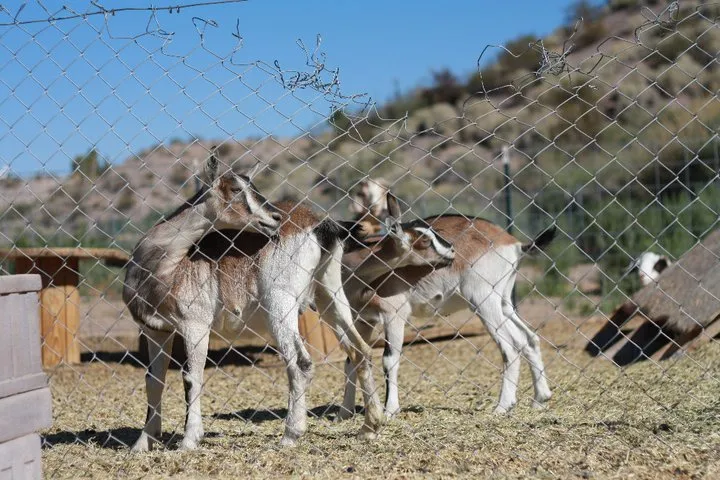
Goats on a farm in Nevada
Essay
What We Disagree About When We Disagree About Meat
This personal essay by Matthew Kessler was originally published in Tangle News, an independent, subscriber-supported media organization that covers the biggest politics stories in the U.S. by summarizing arguments from the right, left, and center (then "our take").  Matthew Kessler is the creator, host and producer of TABLE's food systems podcast, Feed, and has spent the past 15 years moving between farms, kitchens, universities, and recording studios. From 2022-2024, Matthew led a 2-year podcast project exploring four different futures for meat and livestock, adapted from Tara Garnett's Gut feelings essay. 
Read
Image
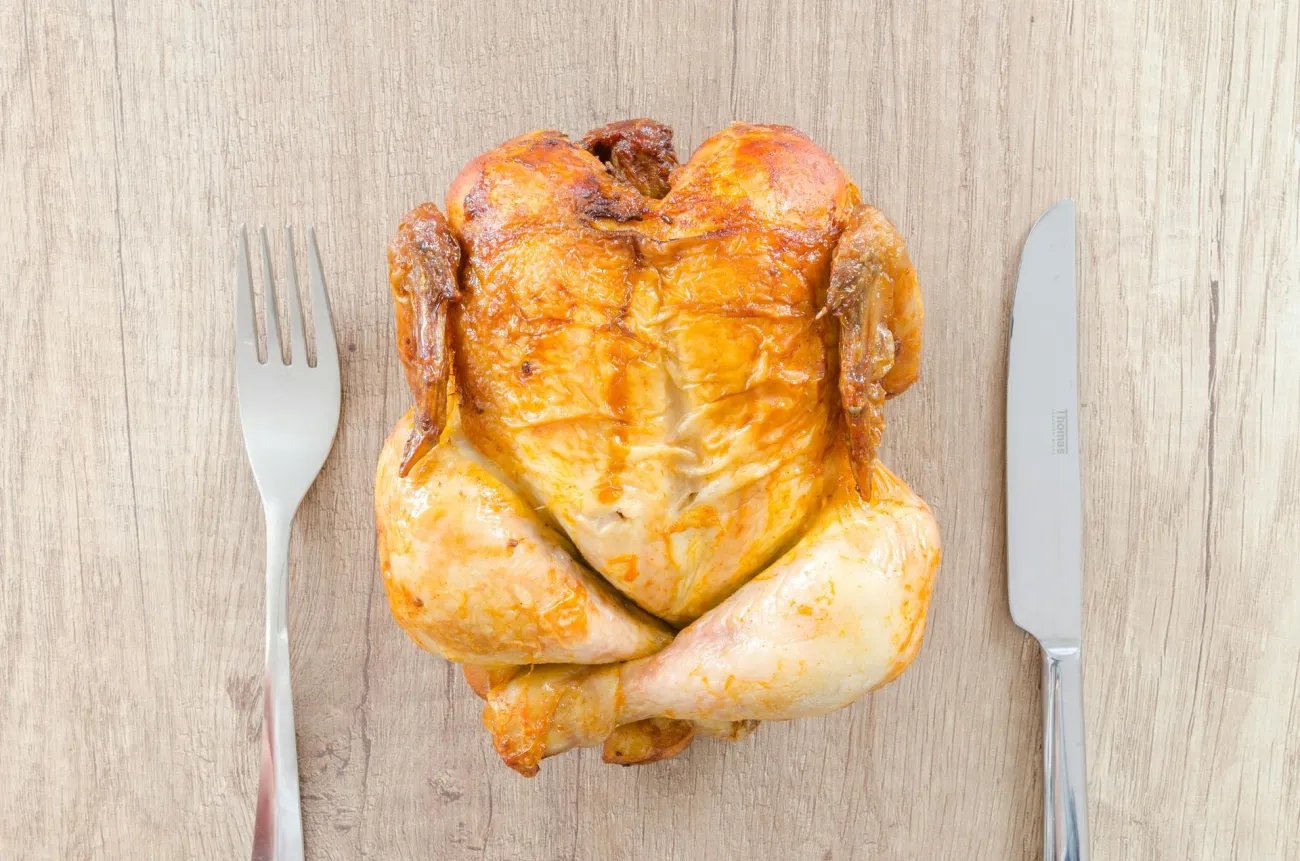
Whole Roast Chicken in between knife and fork. Credit: Lukas via Pexels
Reports
The meat agenda: Agricultural exceptionalism and greenwash in Brazil
In this report, NGO Changing Markets Foundation investigates the scale of corporate capture at COP30 by the meat industry, shines a spotlight on the agricultural methane blind spot and unpacks how key climate policies are being weakened. 
Read
Image
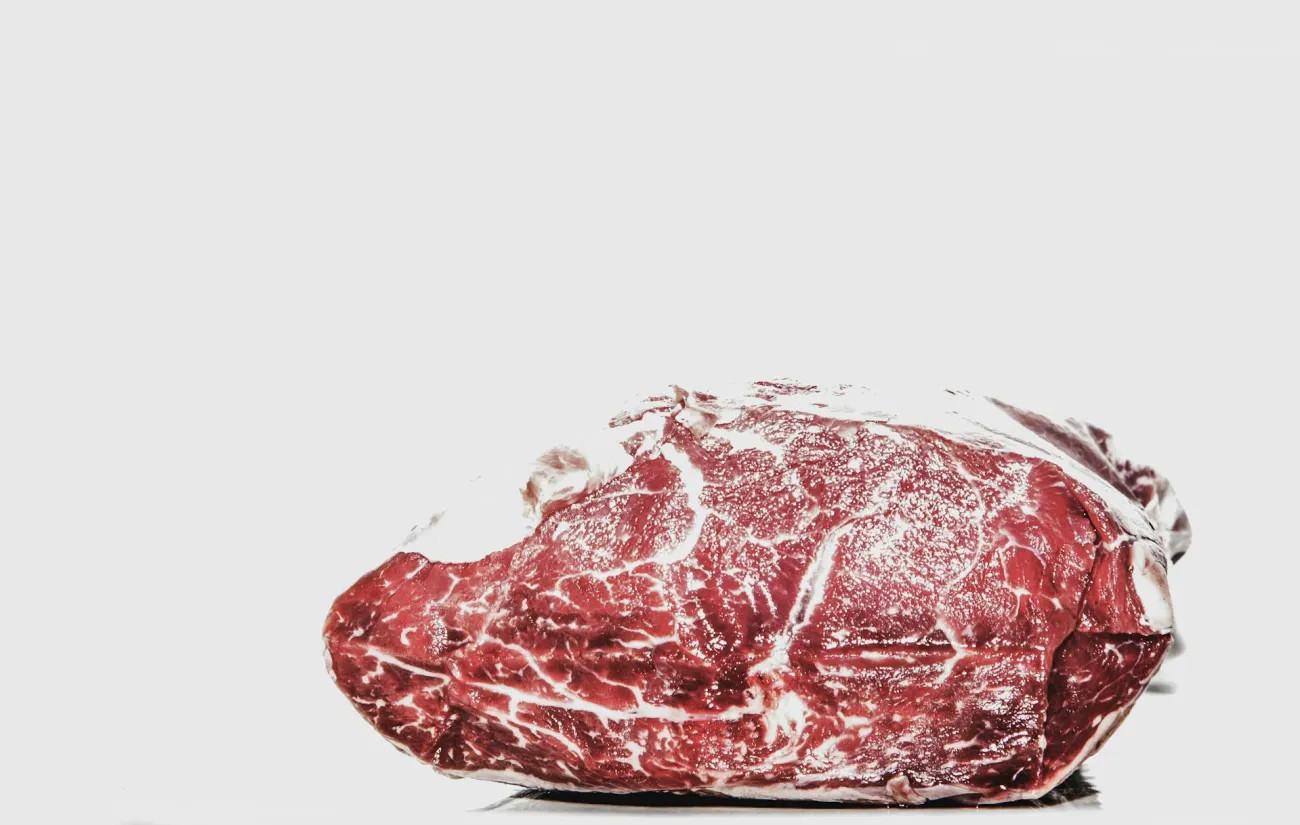
Slab of steak. Credit: Markus Spiske via Pexels
Reports
Meat Facts
This briefing by the Food Foundation aims to support food system stakeholders in how to map out and implement pathways to reduce meat consumption, in light of government and private sector inaction. 
Read
Image
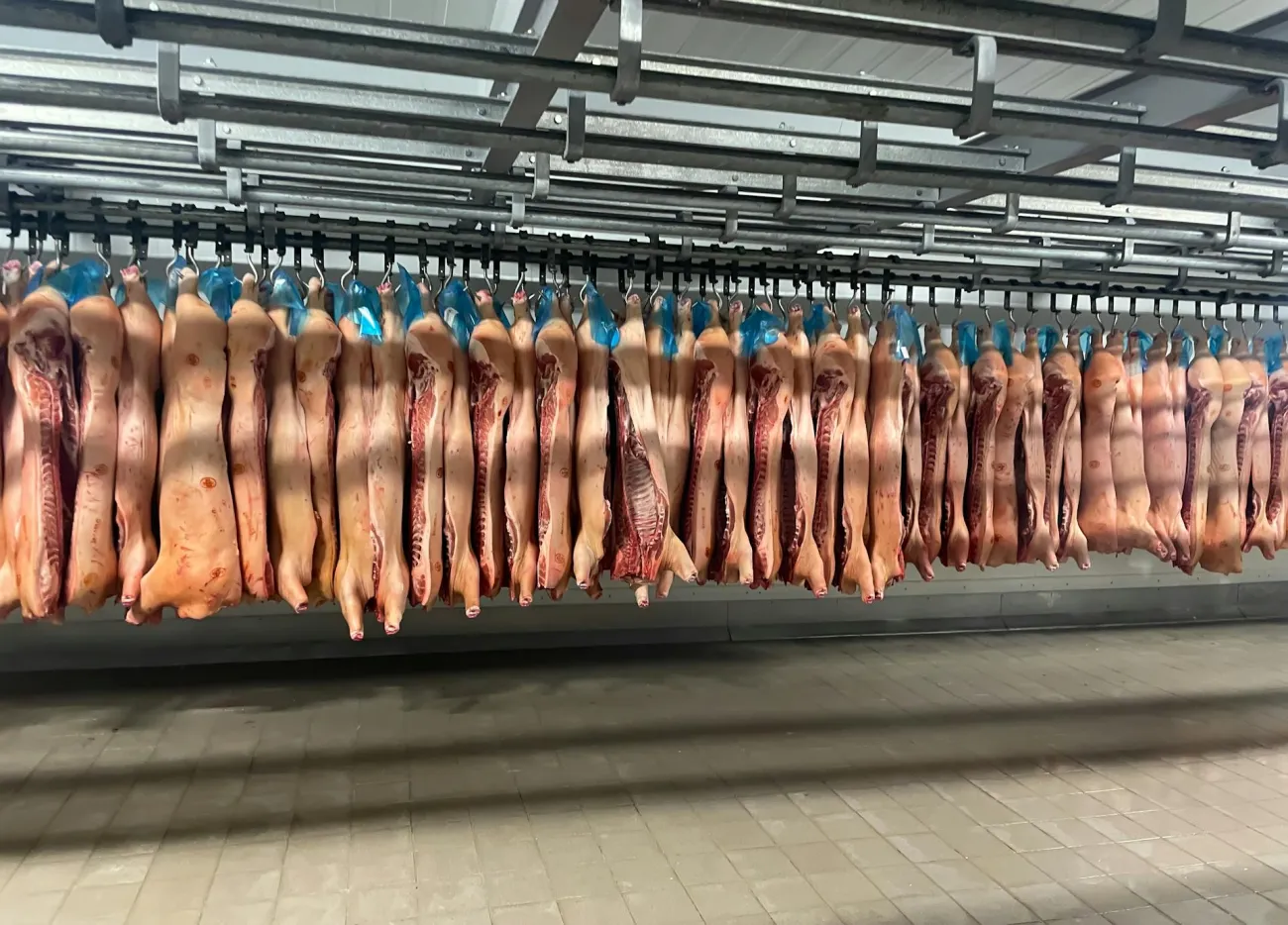
Pig carcasses in warehouse. Credit Aurelijus via Pexels
News and resources
How "national champion" firms are reshaping the global meat industry
This article argues that Brazil’s JBS and China’s WH Group grew into global meat giants through state support, accelerating consolidation and environmental harm. Despite national backing, they now primarily serve transnational capital. Scholars argue for a global competition treaty to curb unchecked corporate power.
Read
Image
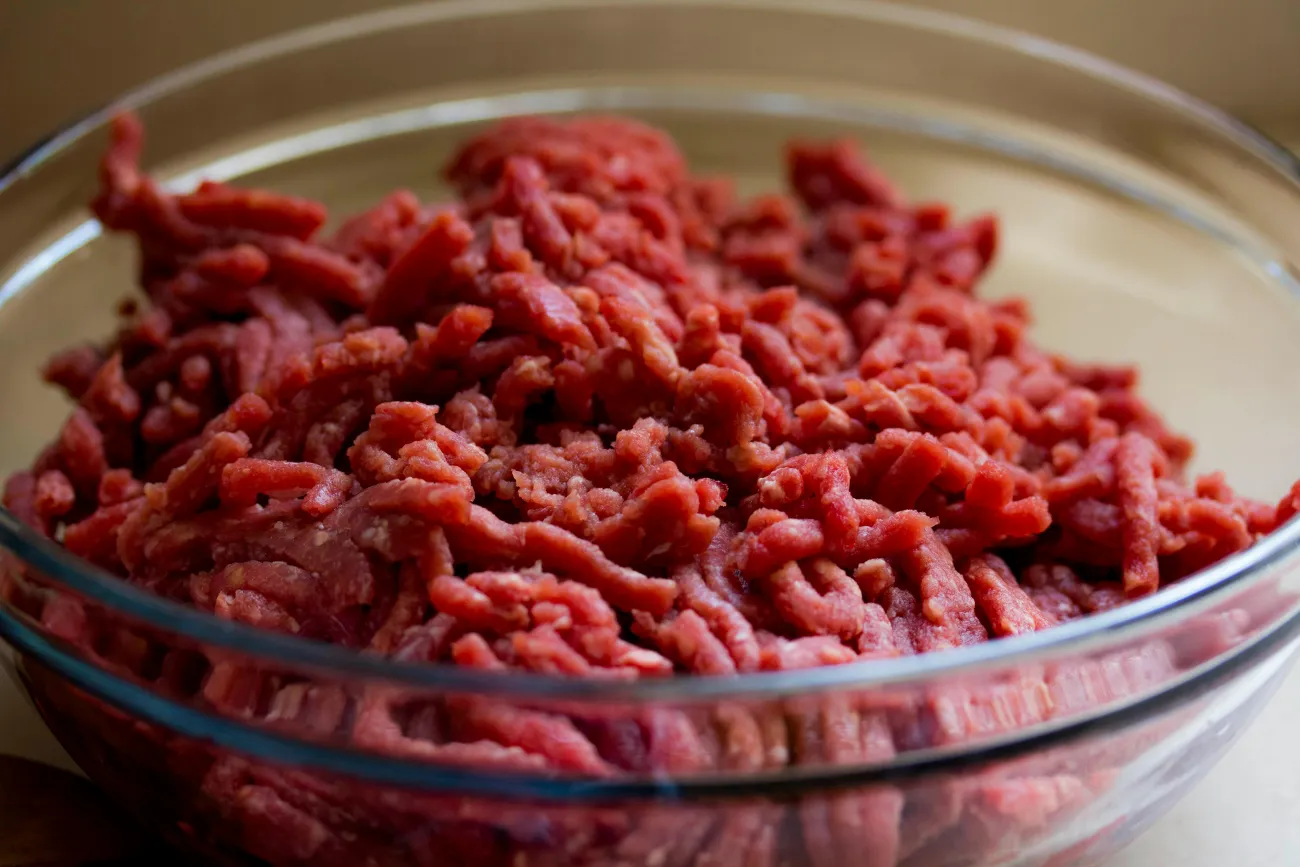
Photo of raw meat in a bowl. Credit: Angele J via Pexels
Books
Raw Deal
Financial journalist Chloe Sorvino investigates the industrial meat industry, laying bare corporate greed, fundamental weaknesses in the sector, the limitations of local movements challenging the status quo and the false promise of lab-grown meat. 
Read
Image
Plates of veggies. Credit: Catcoming via Pexels.
Journal articles
Recommendations to address the shortfalls of the EAT–Lancet planetary health diet
The EAT-Lancet’s planetary health diet, particularly its meat reduction approach, received criticism for the plant-forward diet recommendations and potential micronutrient shortfalls. This study responds to this debate and provides recommendations that address the shortfalls. 
Read
Image
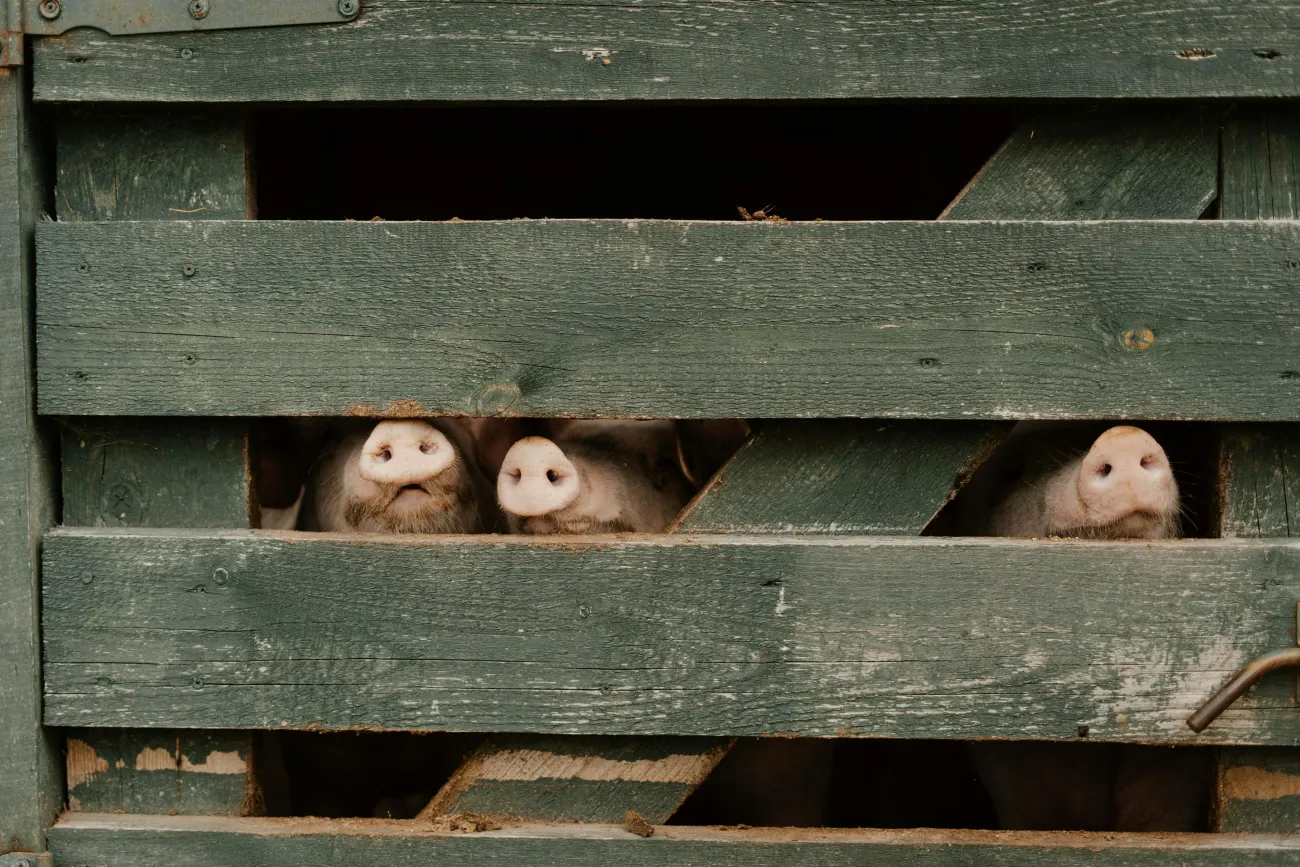
Pigs behind fence. Credit: Cotton Bro via Pexels.
Journal articles
Whole-chain intensification of pig and chicken farming could lower emissions with economic and food production benefits
This study used data from 166 countries to model the environmental, climate and economic impacts of pig and chicken whole-chain intensification – the process of enhancing productivity and efficiency across every stage of the production chain. It found this could reduce annual nitrogen and greenhouse gas emissions by 49% and 68%, respectively.
Read
  • VIEW MORE

Sign up for Fodder, our monthly newsletter unpacking the future of food.

Tick below to opt-in to email communications.

You can change your mind at any time by clicking the unsubscribe link in the footer of any email you receive from us, or by contacting us at info@tabledebates.org.

We use Mailchimp as our marketing platform. By clicking below to subscribe, you acknowledge that your information will be transferred to Mailchimp for processing. Learn more about Mailchimp's privacy practices.

  • Glossary
  • About
  • Our Writing
  • Podcasts
  • Resources

Social

YouTube Facebook Instagram

© Copyright 2025

A collaboration between: