Close
Login Register
Search
  • About
    • What We Do
    • Who We Are
    • FAQs
  • Our Writing
    • Explainers
    • Essays
    • Letterbox
    • Reports & More
  • Podcasts
  • Our Events
  • Projects
    • Power In The Food Systems
    • Local-Global Scale Project
    • MEAT: The Four Futures Podcast
    • Fuel To Fork
    • Nature
    • Reckoning with Regeneration
    • SHIFT
    • Games at TABLE
    • Rethinking the Global Soy Dilemma
  • Resources
  • Opportunities
    • Jobs
    • Funding
    • Courses
    • Collaborations
    • Events
  • Newsletter
  • TABLE (EN)
Search
Back

Livestock

Image
Resource
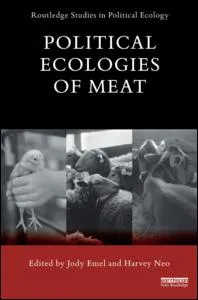
Political Ecologies of Meat
Abstract Livestock production worldwide is increasing rapidly, in part due to economic growth and demand for meat in industrializing countries. Yet there are many concerns about the sustainability of increased meat production and consumption, from perspectives including human health, animal welfare, climate change and environmental pollution.
Read
Image
Resource
The Next Pig Idea – interview with Tristram Stuart
In this interview in Policy Innovations, Tristram Stuart describes the rationale behind the organization he has founded called FeedBack, which tackles food waste across the supply chain, globally, "from plant to plate." In particular he discusses the campaign The Pig Idea and the idea of recycling food waste as feed for pigs.
Read
Image
Resource
Blog-post: How improving your diet is good for your health and can help tackle climate change
In this post on the Public Health England blog, Alison Tedstone discusses sustainable healthy diets and what such a diet can look like in the UK.  It particularly discusses the consumption and production of meat and dairy.
Read
Image
Resource
The Impacts of Climate Change Mitigation Strategies on Animal Welfare
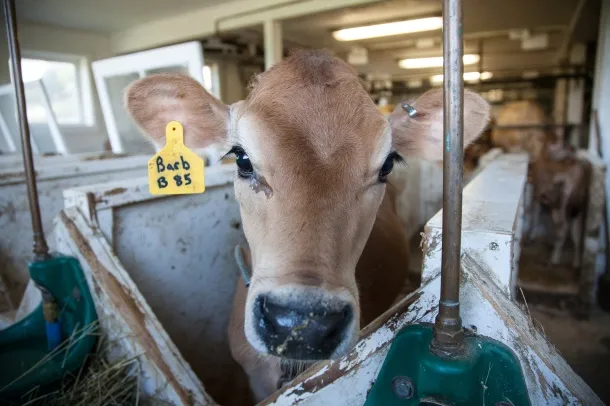
This paper provides a useful overview of the effects that measures to reduce GHGs from the livestock sector can have upon the welfare of farmed animals.  It argues that most approaches geared at seek to increasing the intensity of production via changes in breeding, feeding and housing may increase productivity per unit of GHG s emitted but they come at the expense of animal health and wellbeing.
Read
Image
Resource
Success of Zero-Deforestation Agreements in Brazil – Beef industry keen on reducing deforestation in the Brazilian Amazon
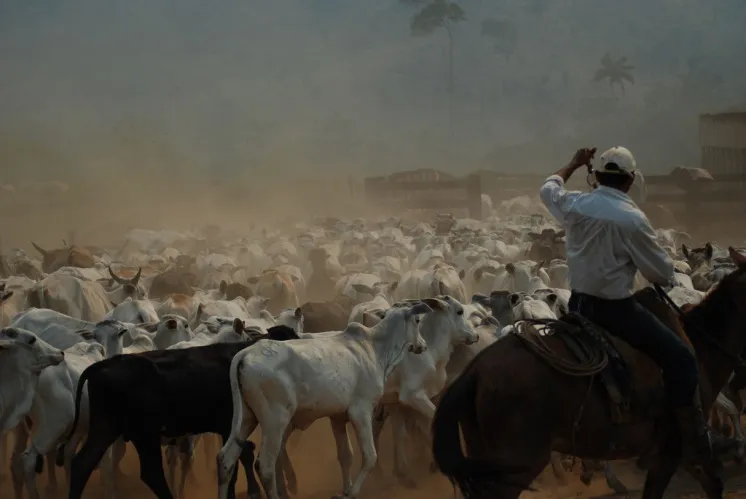
This paper finds that the introduction of legally binding agreements, signed by ranchers and slaughterhouses in Brazil, have been effective in halting deforestation.
Read
Image
Resource
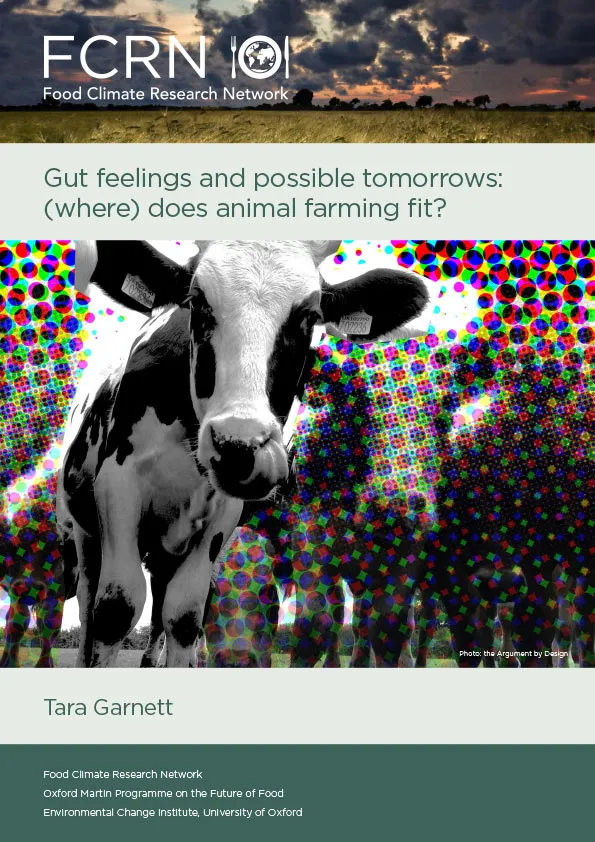
Gut feelings and possible tomorrows: (where) does animal farming fit?
This new FCRN think piece focuses on the future of livestock production - or rather on a range of different livestock futures.
Read
Image
gut
Publication
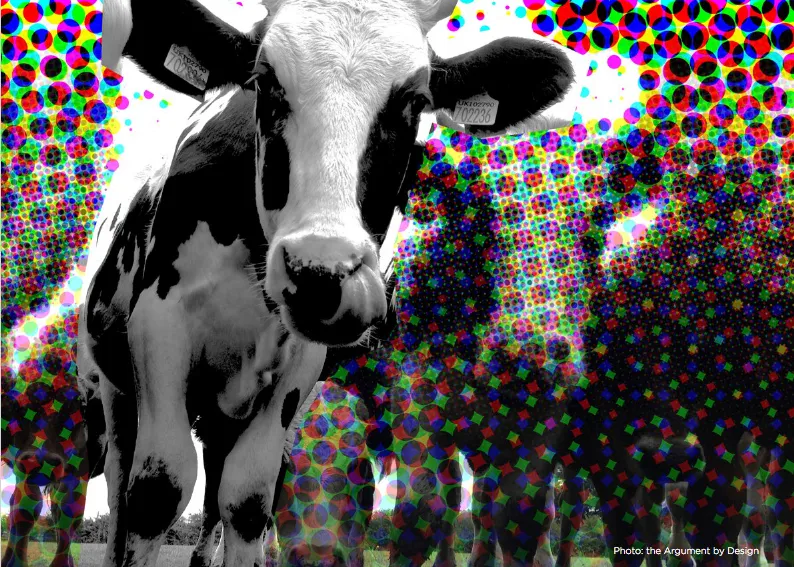
Gut feelings and possible tomorrows: (where) does animal farming fit?
This paper takes a closer look at who the stakeholders are in the debate around livestock, the different narratives that they construct about the livestock problem - and the solutions they propose.  It does this by constructing four scenarios, each of which imagines a different livestock ‘solution,’ and explores the values that underpin them. In 2023, this paper was adapted into a podcast series called "Meat: The Four Futures." Visit the podcast page to learn more.
Read
Resource
Waste not, want not: Reducing livestock's greenhouse gas emissions in the UK
Livestock, domestic animals raised for meat, dairy and eggs, is responsible for 14.5 percent of anthropogenic greenhouse gas (GHG) emissions.  Because of the scale of its contribution, mitigation of emissions from the livestock sector must be addressed in order to avoid an average global temperature rise of more than 2°C compared to pre-industrial times. 
Read
Image
Resource
FCRN China Briefing papers
In 2014, the FCRN released a major report entitled Appetite for change: social, economic and environmental transformations in China’s food system. This provided a detailed and integrative analysis of the dramatic changes in China’s food system over the last 35 years, explored emerging environmental, health, economic and cultural trends and challenges, and identified policy and research implications.  
Read
  • VIEW MORE

Sign up for Fodder, our newsletter covering sustainable food news.

Sign up
  • Glossary
  • About
  • Our Writing
  • Podcasts
  • Resources

Social

YouTube Facebook Instagram

© Copyright 2025

A collaboration between: