Close
Login Register
Search
  • About
    • What We Do
    • Who We Are
    • FAQs
  • Our Writing
    • Explainers
    • Essays
    • Letterbox
    • Reports & More
  • Podcasts
  • Our Events
  • Projects
    • Power In The Food Systems
    • Local-Global Scale Project
    • MEAT: The Four Futures Podcast
    • Fuel To Fork
    • Nature
    • Reckoning with Regeneration
    • SHIFT
    • Games at TABLE
    • Rethinking the Global Soy Dilemma
  • Resources
  • Opportunities
    • Jobs
    • Funding
    • Courses
    • Collaborations
    • Events
  • Newsletter
  • TABLE (EN)
Search
Back

Insecticides/pesticides

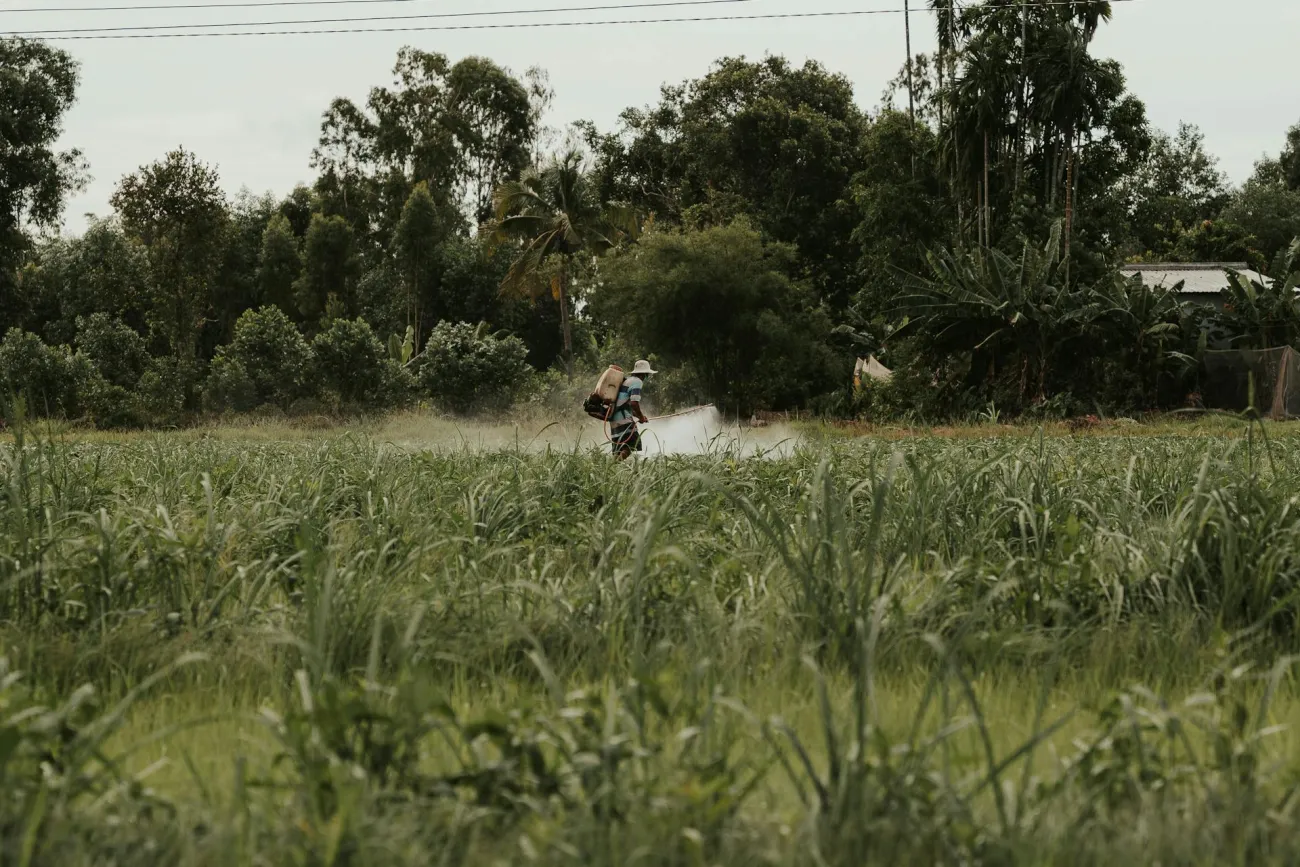
Image
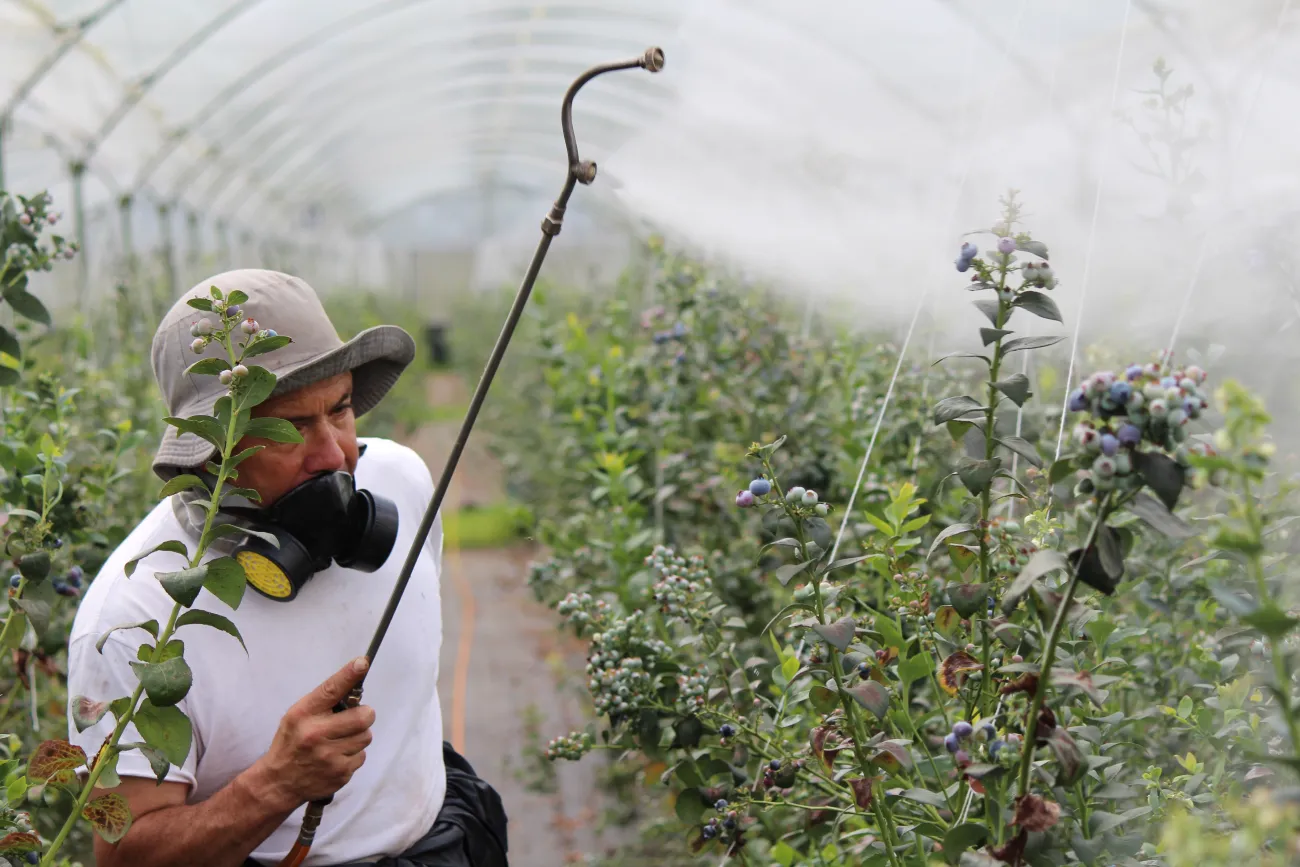
Woman spraying pesticides. Credit: Long Bà Mùi via Pexels
Journal articles
Pesticide-free agriculture: Is a third way possible besides organic and conventional agriculture?
This study claims that in pesticide-free systems, it is possible to achieve yields comparable to conventional and higher than organic systems and, in some cases, generate higher net farm income. Pest and pathogen crop damage did not significantly increase over time, although weed management remained a key challenge. 
Read
Image
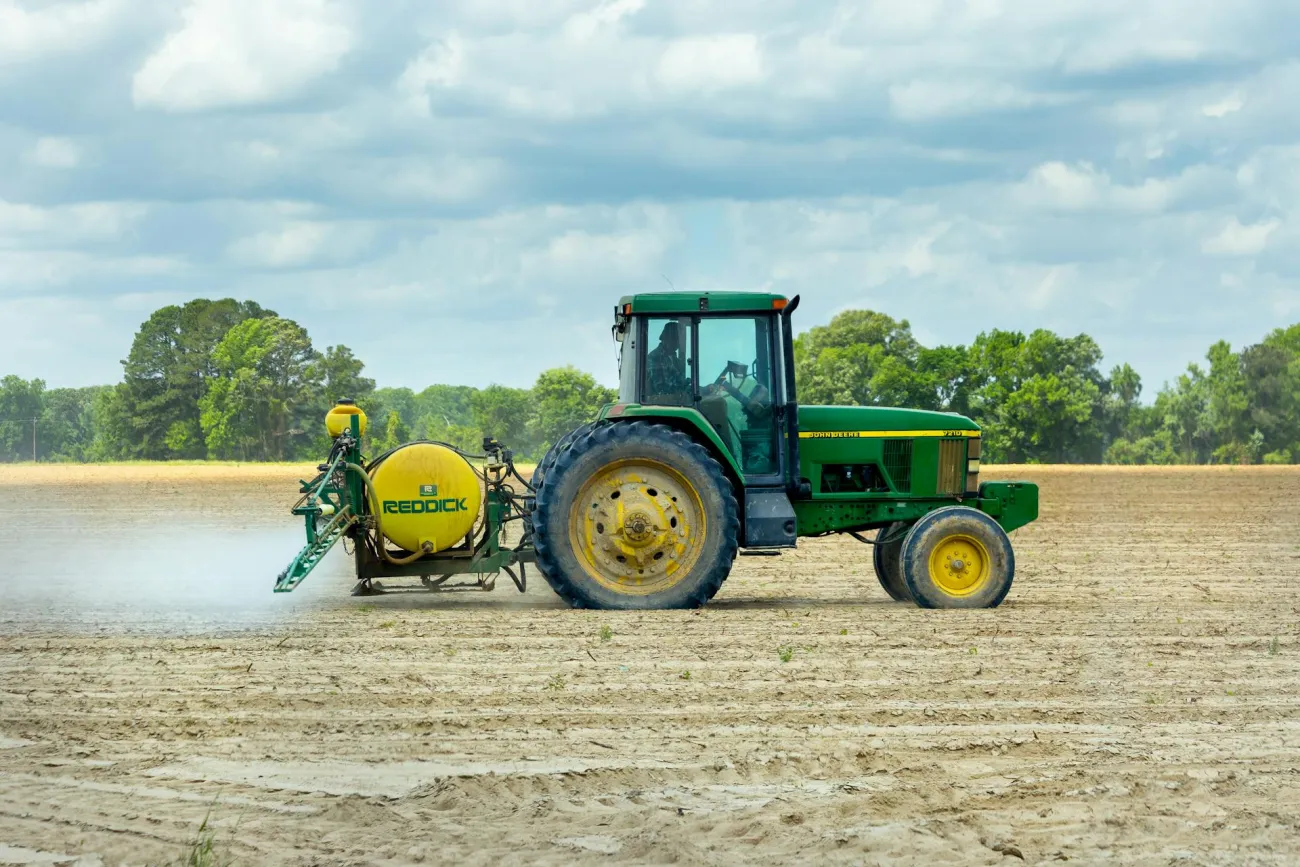
tractor spraying chemicals. Credit  Mark Stebnicki via Pexels
Journal articles
Increased pesticide use and ecotoxicity impacts associated with plant-based dietary shifts
This study estimates the pesticide usage and freshwater ecotoxicity impacts of the current national diet and advocated EAT-Lancet diet, Mediterranean diet, and vegetarian diet. It finds that shifting toward these recommended diets, except for the EAT-Lanet diet, would lead to increased pesticide usage and associated ecotoxicity impacts.
Read
Image
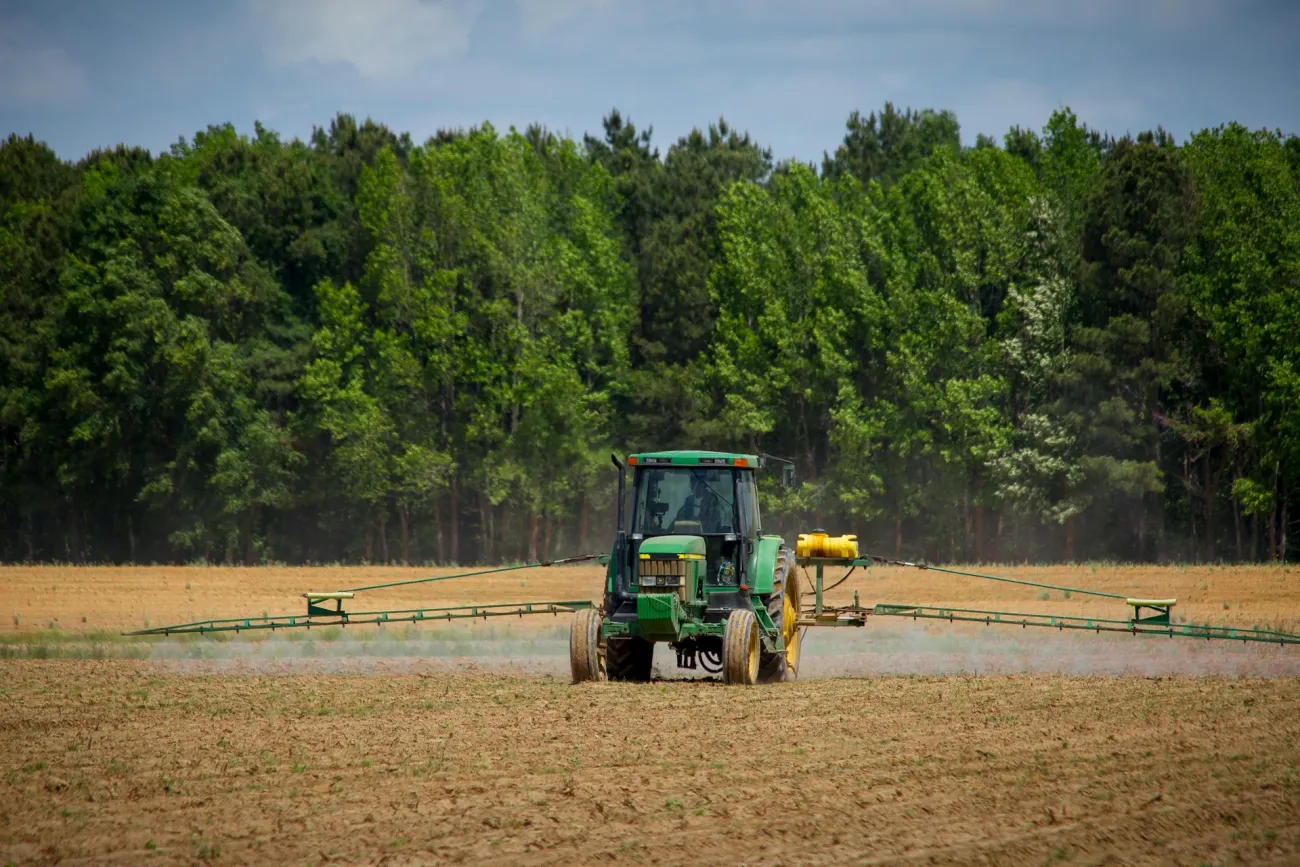
Tractor spraying pesticides. Credit: Mark Farm Bureau via Pexels
Reports
Rethinking No-Till: The Toxic Impact of Conventional No-Till Agriculture on Soil, Biodiversity, and Human Health
This report by Friends of the Earth finds that most no-till systems — a farming practice that reduces tillage and ploughing —  are responsible for one-third of total annual pesticide use in the U.S. can be attributed to no-till corn and soy production alone. The report argues that this practice is being promoted as a climate solution but says there is no clear link between no-till and carbon sequestration. 
Read
Image
A farmer spraying herbicides on plants. Photo via Laura Arias
News and resources
Research revealing links between weed killer and Parkinsons deliberately suppressed and manipulated by Syngenta
Leaked internal documents from Syngenta reveal how the company has repeatedly buried evidence that links its best selling herbicide Paraquat with Parkinson’s disease. The documents reveal a history of tactics to confound scientific research including; funding scientists and researchers to publish papers on Paraquat without disclosing conflicts of interest, enlisting lawyers to push scientists away from using “problematic language” and preventing a prominent scientist studying Parkinson’s from sitting on the US Environmental Protection Agency advisory panel, which regulates US pesticide usage.
Read
Image
Toxic Trade
Reports
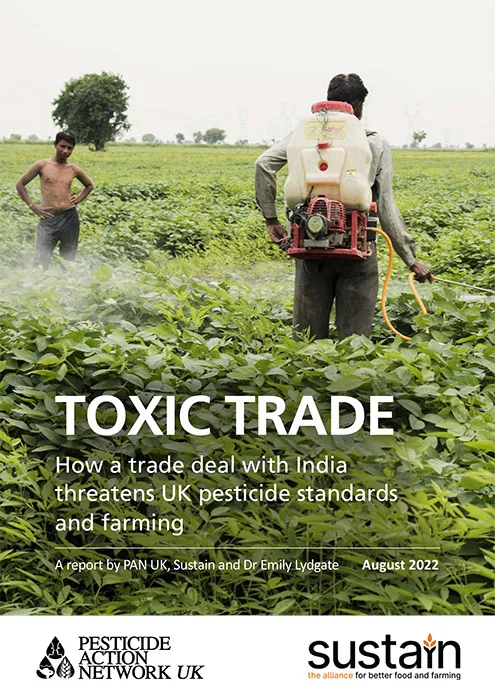
India-UK trade deal threatens pesticide standards and farming
A free trade agreement currently being negotiated between the UK and India could weaken pesticide standards in the UK and could also place UK farmers under pressure from cheaper imports, according to this report from Pesticide Action Network UK, Sustain Alliance and trade expert Dr Emily Lydgate.
Read
Image
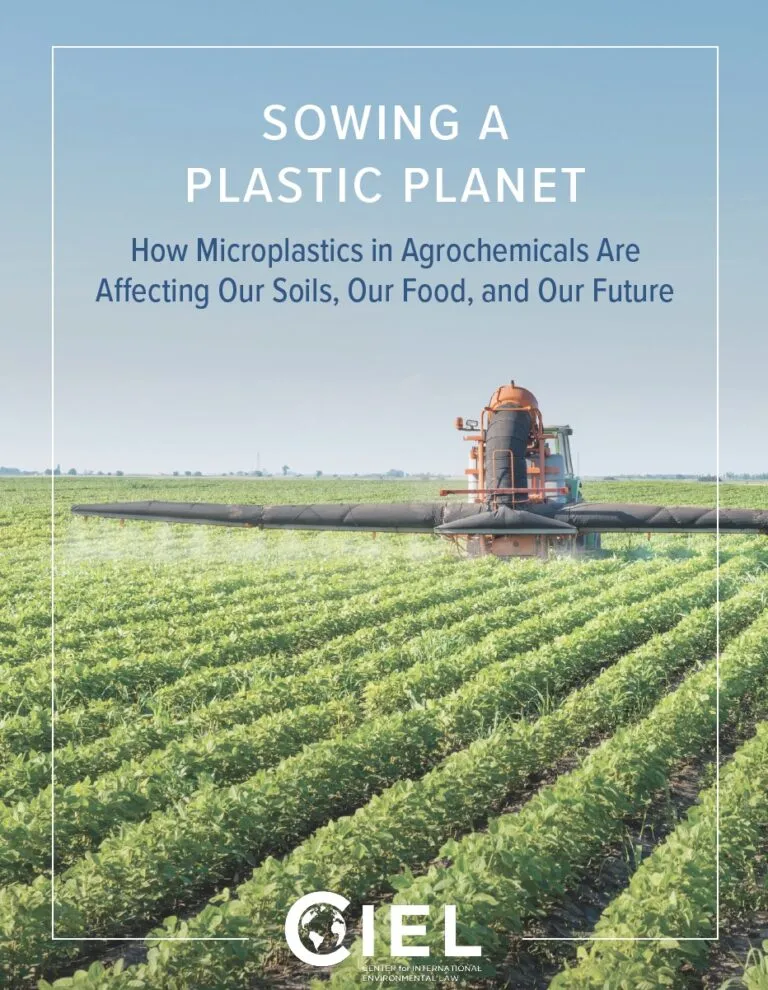
Sowing a Plastic Planet: How Microplastics in Agrochemicals Are Affecting Our Soils, Our Food, and Our Future
Reports
Microplastics are being deliberately added to farm soils
This report by the Center for International Environmental Law explores a little-known source of plastic pollution: the deliberate addition to soils of pesticides and fertilisers encapsulated in microplastics. This form of agrochemical is often marketed as “controlled release”, with producers arguing that they support sustainable agriculture. The report argues that the intentional use of microplastics in agriculture should be banned on account of the potential for plastics - and the agrochemicals they carry - to accumulate in ecosystems and food supply chains.
Read
Image
Sustainable Food Trust
News and resources
Podcast: Dr Michael Antoniou on regulating gene editing
In this podcast by the Sustainable Food Trust, molecular geneticist Dr Michael Antoniou explains how regulation of gene editing is changing in the UK, as well as the potential health risks of gene editing.
Read
Image
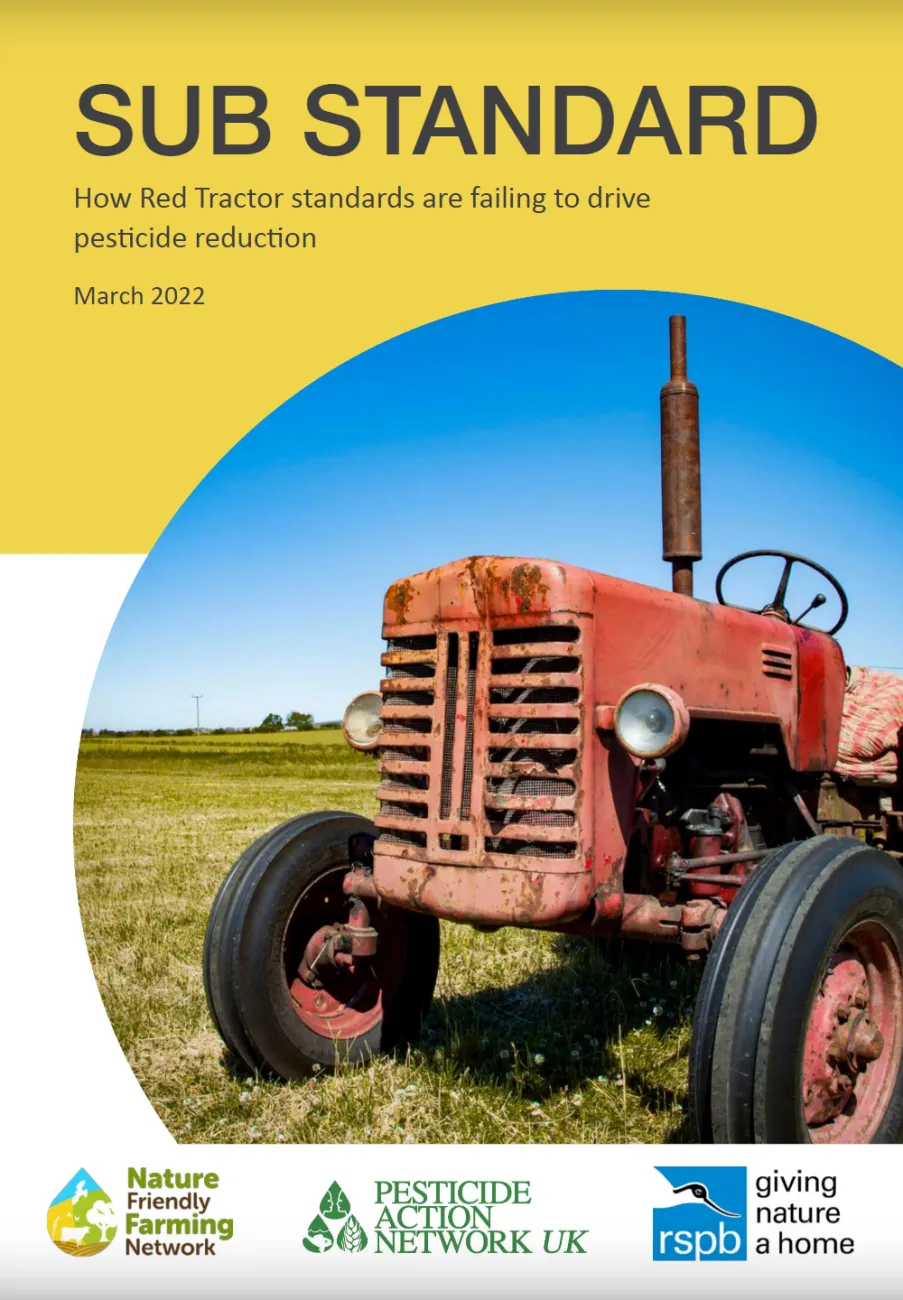
Sub Standard
Reports
Red Tractor standards are failing to drive pesticide reduction
This report by the Nature Friendly Farming Network, Pesticide Action Network UK and RSPB finds that the UK’s “Red Tractor” food standards label fails to support farmers in reducing pesticide use. It also reports a gap in perceptions of the Red Tractor label between retailers and consumers: retailers see the label as only a guarantee that farmers adhere to national pesticide regulations, while consumers are under the impression that the label indicates more sustainable production practices. The report includes excerpts of a response from Red Tractor.
Read
Image
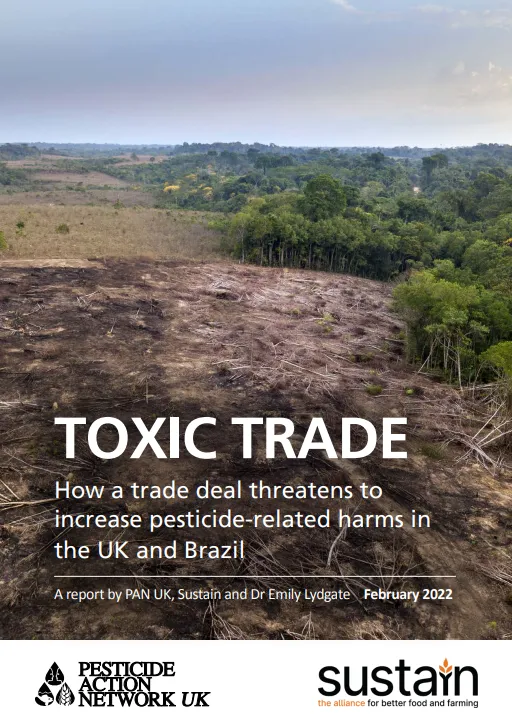
Toxic Trade report cover
Reports
UK-Brazil trade deal threatens pesticide-related harms
This report from UK NGO Sustain examines how a proposed trade deal between the UK and Brazil - on which discussions are still only in the early stages - might increase harm caused by pesticides. Pesticide regulations have weakened since Bolsonaro took power in 2019, with harm to environmental or human health no longer informing whether a pesticide should be approved for use.
Read
  • VIEW MORE

Sign up for Fodder, our newsletter covering sustainable food news.

Tick below to opt-in to email communications.

You can change your mind at any time by clicking the unsubscribe link in the footer of any email you receive from us, or by contacting us at info@tabledebates.org.

We use Mailchimp as our marketing platform. By clicking below to subscribe, you acknowledge that your information will be transferred to Mailchimp for processing. Learn more about Mailchimp's privacy practices.
  • Glossary
  • About
  • Our Writing
  • Podcasts
  • Resources

Social

YouTube Facebook Instagram

© Copyright 2025

A collaboration between: