Close
Login Register
Search
  • About
    • What We Do
    • Who We Are
    • FAQs
  • Our Writing
    • Explainers
    • Essays
    • Letterbox
    • Reports & More
  • Podcasts
  • Our Events
  • Projects
    • Power In The Food Systems
    • Local-Global Scale Project
    • MEAT: The Four Futures Podcast
    • Fuel To Fork
    • Nature
    • Reckoning with Regeneration
    • SHIFT
    • Rethinking the Global Soy Dilemma
  • Resources
  • Opportunities
    • Jobs
    • Funding
    • Courses
    • Collaborations
    • Events
  • Newsletter
  • TABLE (EN)
Search
Back

Food and agriculture policy

Image
Reports
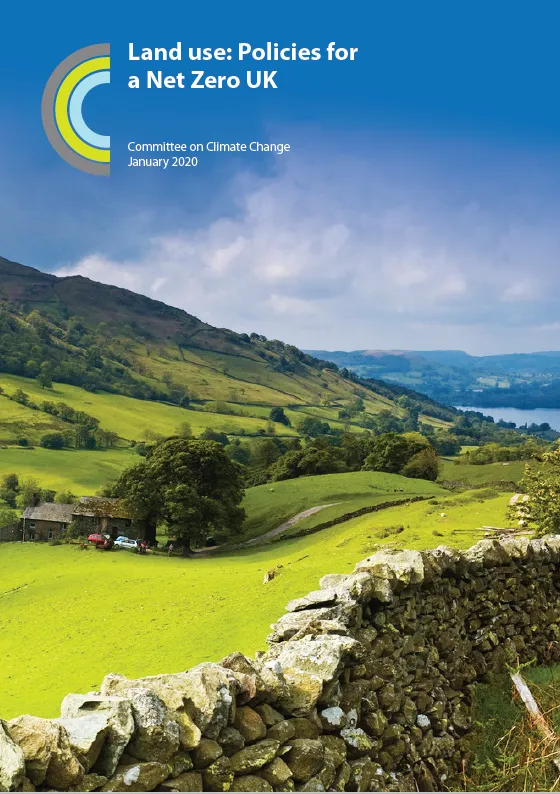
Land Use: Policies for a Net Zero UK
The UK’s Committee on Climate Change (CCC) has set out its policy recommendations on agriculture and land use, aiming to reduce the UK’s land-based emissions by 64% by 2050. The CCC estimates that its recommendations could produce £4 billion worth of benefits each year, including reduction of greenhouse gas emissions, recreational value of new woodland, better air quality and flood alleviation.
Read
Image
Image: grassrootsgroundswell, Russet apples, Wikimedia Commons, Creative Commons Attribution 2.0 Generic
News and resources
Post-Brexit agriculture policy focuses on soil, food security
A new agriculture bill has been brought to the UK parliament, setting out food and farming policies for after the UK leaves the European Union’s Common Agricultural Policy. It includes support to help farmers preserve soil, a plan to regularly review food security in the UK, and paying farmers for purposes such as flood protection, climate mitigation or public access to the countryside.
Read
Image
Reports
Agriculture critical to achieving a Net Zero Scotland
This progress report to the Scottish Parliament from the UK’s Committee on Climate Change shows that, while Scotland’s overall greenhouse gas emissions fell by 3% in 2017, the Scottish Parliament's 2030 target to reduce emissions by 75% will be extremely challenging to meet. 
Read
Image
Reports
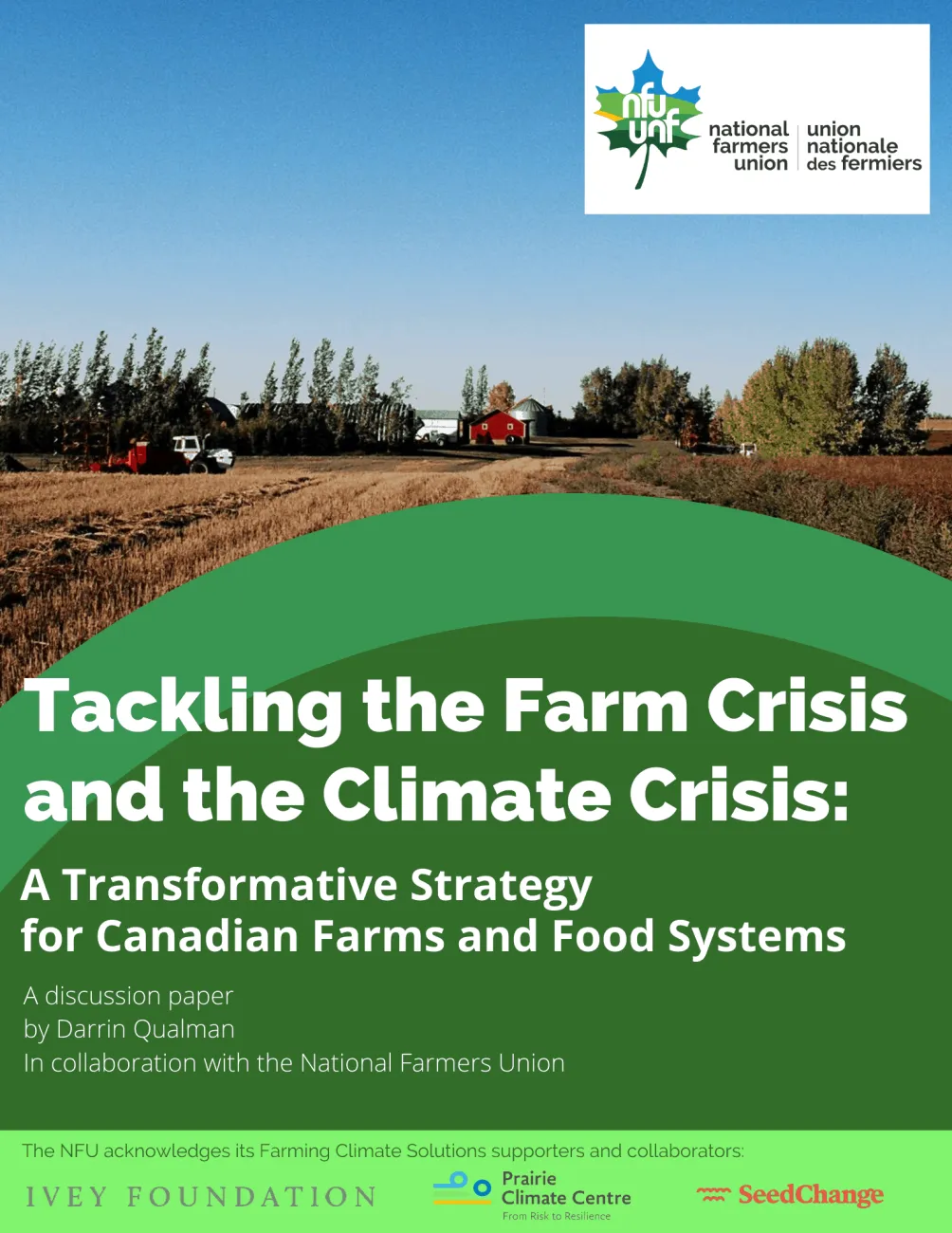
Tackling the farm crisis and the climate crisis in Canada
This report from Canada’s National Farmers Union examines how climate change is likely to affect agriculture in Canada, and sets out a strategy for the food system to contribute to mitigating the climate crisis. It argues that low-input, low-emission styles of agriculture should be incentivised.
Read
Image
Reports
Good Food Retail: Six London boroughs taking action
In this report, the UK’s Sustain alliance describes progress made by six London boroughs in developing Good Food Retail projects (supported by Sustain). Projects included helping convenience stores to offer a greater range of healthy foods, and improving public awareness of and uptake of Healthy Start vouchers.
Read
Image
Image: Pierre-Selim Huard, Brandenburg gate in Berlin, Wikimedia Commons, Creative Commons Attribution 4.0 International
News and resources
Farmers protest against environmental measures
Over 10,000 farmers blocked roads in Berlin on 26 November 2019 with a convoy of tractors in protest at regulations that will limit the use of fertiliser (to reduce groundwater pollution) and the weedkiller glyphosate (to protect insect populations). Farmers say that the measures will threaten their livelihoods and are also protesting against the perception that farmers are to blame for the climate crisis.
Read
Image
Books
Global food security: what matters?
This book examines the socio-economic dimensions of food security, including drivers of food demand, determinants of food supply, coordinating supply and demand, and case studies of countries with both high and low food security.
Read
Image
Books
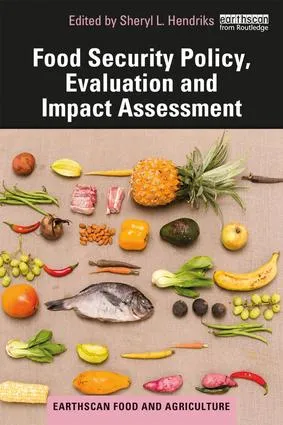
Food security policy, evaluation and impact assessment
This book sets out the importance of assessing food security policies, such as to address failures of past food policies, and gives practical guidance on how to use evidence to analyse policies.
Read
Image
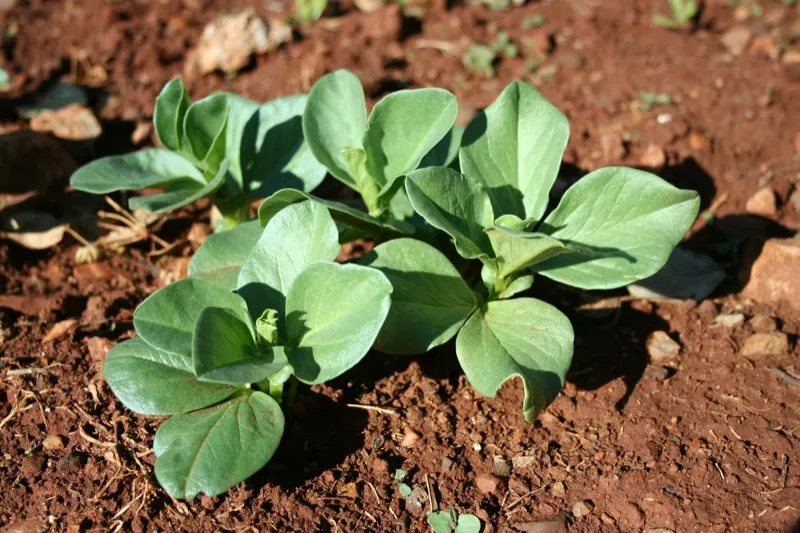
Image: Rebecca Kahn, Broad Bean Seedlings, Flickr, Creative Commons Attribution-ShareAlike 2.0 Generic
Journal articles
Comment: Soil carbon science for policy and practice
This commentary argues that there is scientific consensus on the need to build soil organic carbon because of benefits such as resistance to soil erosion, higher fertility and resilience to drought. The authors note that these benefits of building soil carbon are being obscured by high-profile disagreements on the separate question of whether or not building soil carbon may help to mitigate climate change.
Read
  • VIEW MORE

Sign up for Fodder, our newsletter covering sustainable food news.

Sign up
  • Glossary
  • About
  • Our Writing
  • Podcasts
  • Resources

Social

YouTube Facebook Instagram

© Copyright 2025

A collaboration between: