Close
Login Register
Search
  • About
    • What We Do
    • Who We Are
    • FAQs
  • Our Writing
    • Explainers
    • Essays
    • Letterbox
    • Reports & More
  • Podcasts
  • Our Events
  • Projects
    • Power In The Food Systems
    • Local-Global Scale Project
    • MEAT: The Four Futures Podcast
    • Fuel To Fork
    • Nature
    • Reckoning with Regeneration
    • SHIFT
    • Games at TABLE
    • Rethinking the Global Soy Dilemma
  • Resources
  • Opportunities
    • Jobs
    • Funding
    • Courses
    • Collaborations
    • Events
  • Newsletter
  • TABLE (EN)
Search
Back

Arable crops and arable land

Arable crops are those such as wheat and barley, which require good soil quality and a favourable climate to grow, and land amenable to the use of ploughing and harvesting machinery. Arable land is by definition land used to grow arable crops, in contrast to land used for fruit and vegetable crops and for pasture used to feed grazing animals.
Image
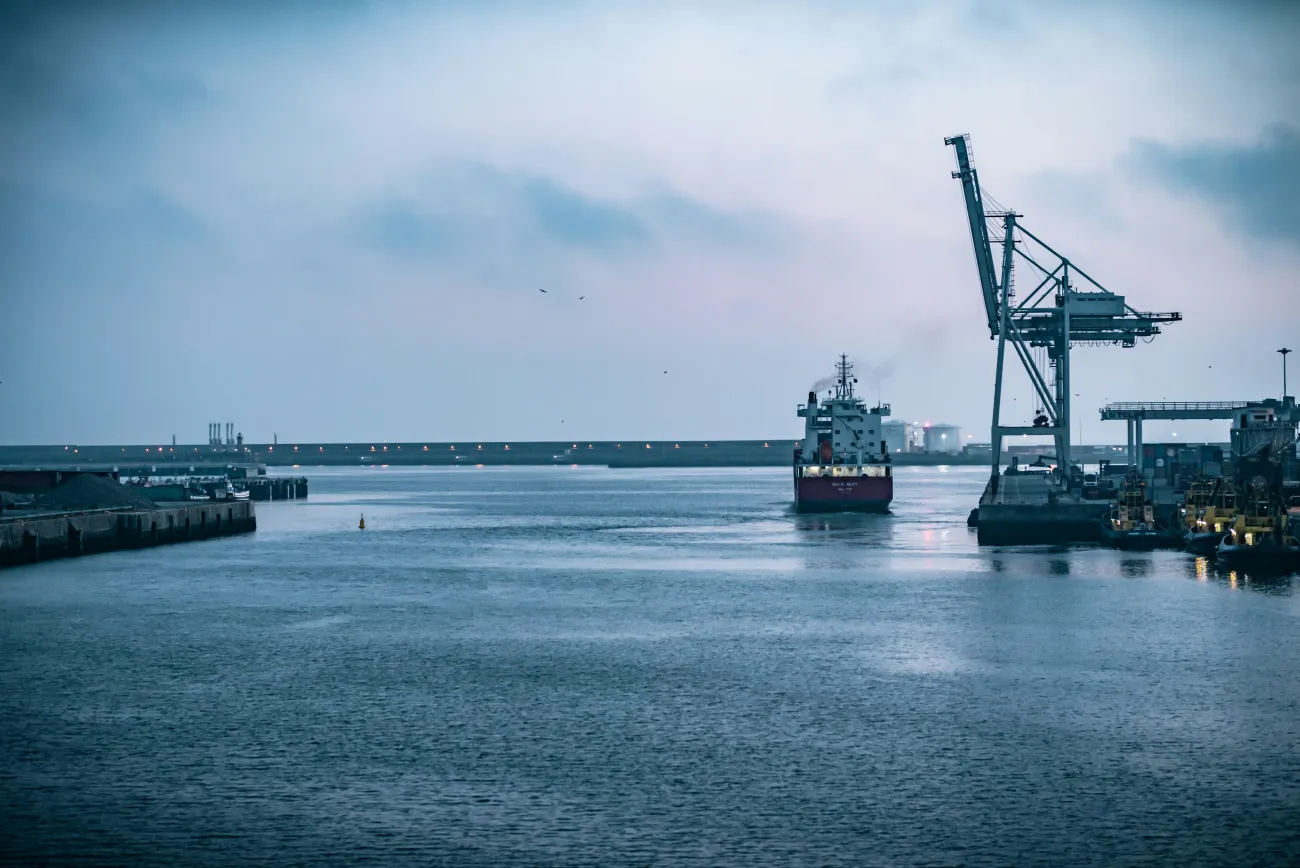
A cargo ship arriving into a port. Photo by Maksym Kaharlytskyi via Unsplash.
Essay
The UK is increasingly “outsourcing” the environmental impact of its food supply
This piece discusses the findings of a recent paper by de Ruiter and colleagues, Global cropland and greenhouse gas impacts of UK food supply are increasingly located overseas.  The full abstract and citation are provided below. This post is written by FCRN member Henri de Ruiter. Henri is a PhD Student at the University of Aberdeen and the James Hutton Institute. Henri graduated with a Master’s degree in Environmental Sciences from the University of Groningen, The Netherlands. He also holds a Bachelor’s degree in Behavioural and Neurosciences from the University of Groningen. His current PhD project considers the implications of meeting a healthy and environmentally sustainable diet for future land use.Henri would welcome your thoughts on the paper. Add a comment in the field below this blog-post, but note that you need to be signed in as a member to write a comment.
Read

Sign up for Fodder, our newsletter covering sustainable food news.

Sign up
  • Glossary
  • About
  • Our Writing
  • Podcasts
  • Resources

Social

YouTube Facebook Instagram

© Copyright 2025

A collaboration between: