Close
Login Register
Search
  • About
    • What We Do
    • Who We Are
    • FAQs
  • Our Writing
    • Explainers
    • Essays
    • Letterbox
    • Reports & More
  • Podcasts
  • Our Events
  • Projects
    • Power In The Food Systems
    • Local-Global Scale Project
    • MEAT: The Four Futures Podcast
    • Fuel To Fork
    • Nature
    • Reckoning with Regeneration
    • SHIFT
    • Rethinking the Global Soy Dilemma
  • Resources
  • Opportunities
    • Jobs
    • Funding
    • Courses
    • Collaborations
    • Events
  • Newsletter
  • TABLE (EN)
Search
Back

Agricultural innovation

Image
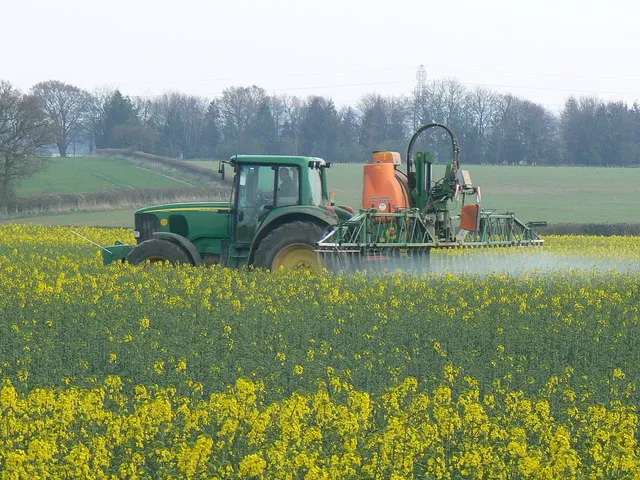
Image: Max Pixel, Harvest farm, CC0 Public Domain
Journal articles
Social-ecological outcomes of agricultural intensification
A new paper reviews evidence on agricultural intensification in low- and middle-income countries and concludes that intensification rarely leads to both environmental and social benefits. Only 17% of the case studies were found to have win-win outcomes. The paper finds that the two outcome categories most frequently reported in the literature are food production and income, and that these outcomes are the most likely to be positive (at 52% and 68%, respectively). Other outcomes, such as for various ecosystems service indicators, are less frequently reported and are less likely to have positive outcomes.
Read
Image
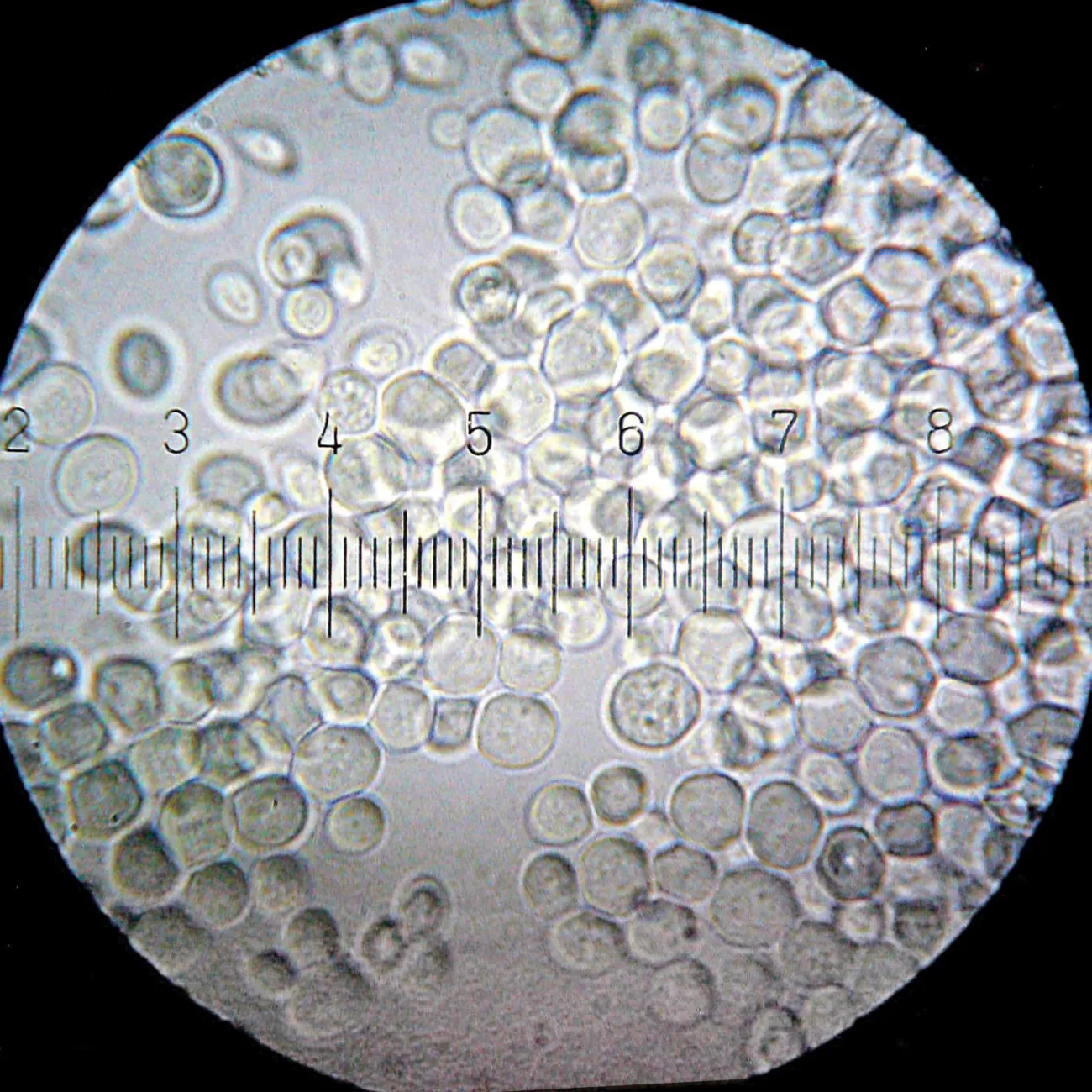
Image: Bob Blaylock, Saccharomyces cerevisiae — baker's yeast, Wikimedia Commons, Creative Commons Attribution-Share Alike 3.0 Unported
Journal articles
Livestock could eat protein-rich microbes
A new paper has estimated the economic and environmental potential of feeding livestock with industrially-fermented microbes such as bacteria, yeast, fungi and algae instead of crop-based feed. The study finds that microbial protein could replace 10-19% of crop-based animal feed protein, with decreases in land use, climate impact and nitrogen pollution.
Read
Image
Image: iUNU, Luna Rail Network, Luna Press Kit
News and resources
Podcast: Luna, the robotic greenhouse monitor
The Spoon interviewed the founder of iUNU, a company that makes a robotic system to monitor and manage commercial greenhouses. The system, known as Luna, uses cameras that are mounted on rails to observe the plants, and uses machine learning to interpret what it sees and help growers manage yields.
Read
Image
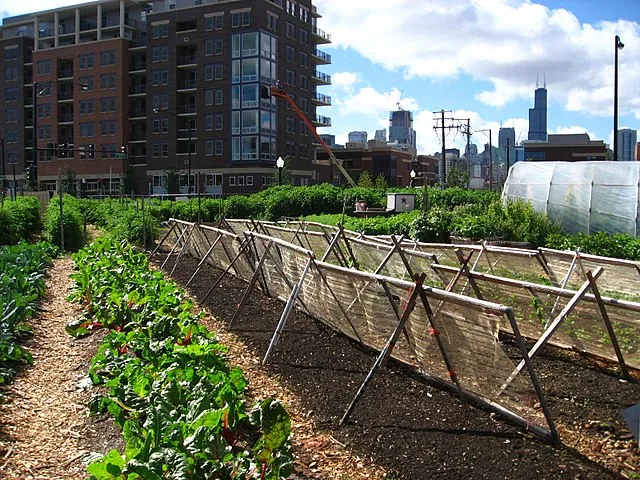
Image: Linda, New crops - Chicago urban farm, Wikimedia Commons, Creative Commons Attribution 2.0 Generic
News and resources
Developers and urban farmers grapple over vacant land
US media organisation NPR discusses the tensions between housing developers and people who use vacant city plots for food production. Around 15% of land in US cities is classed as “vacant”. Urban farms on vacant land can be an important source of fresh food in some low-income neighbourhoods, but this can clash with the need for more housing. New York City council has passed an urban agriculture bill in an attempt to give urban farmers some control over how land is used.
Read
Image
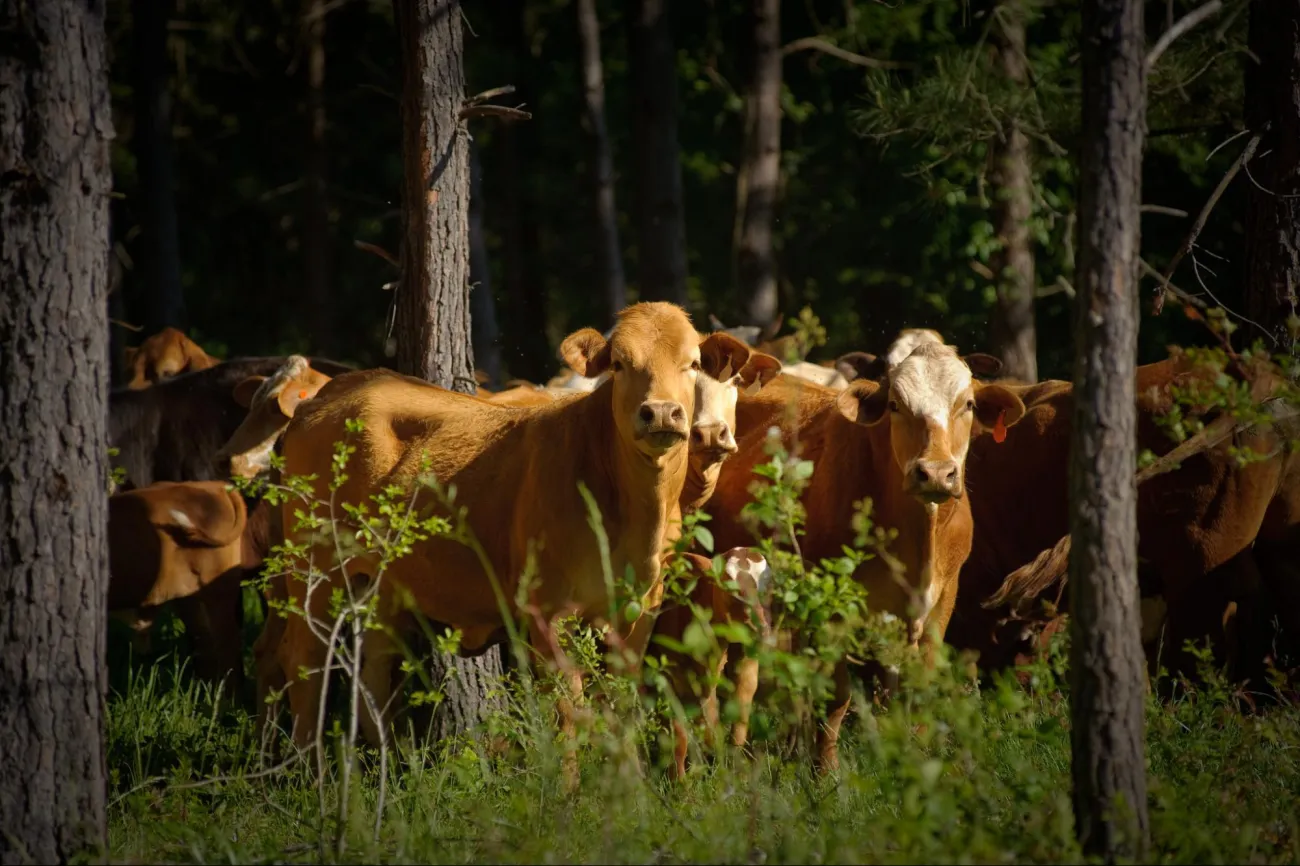
Image: USDA NRCS Texas, Cows grazing in a silvopasture, Flickr, Creative Commons Attribution 2.0 Generic
News and resources
Op-Ed: Trees in pastures can draw down carbon
FCRN member Eric Toensmeier, of Yale University, has written an op-ed for the Washington Post in which he discusses the potential of silvopasture - including trees on grazing land - to reduce agricultural emissions. Trees increase production by providing shade to livestock, according to the op-ed.
Read
Image
Image: Sumita Roy Dutta, Ice stupas near Phyang monastery, Wikimedia Commons, Creative Commons Attribution-Share Alike 4.0 International
News and resources
Video and images: Artificial glaciers for irrigation
A project in Ladakh, India, creates “ice stupas”, a form of artificial glacier, to complement intermittent water flow from retreating natural glaciers. Water from streams is sprayed from vertical pipes during the winter, freezing into pointed mounds, which melt slowly throughout the year, irrigating crops in the summer.
Read
Image
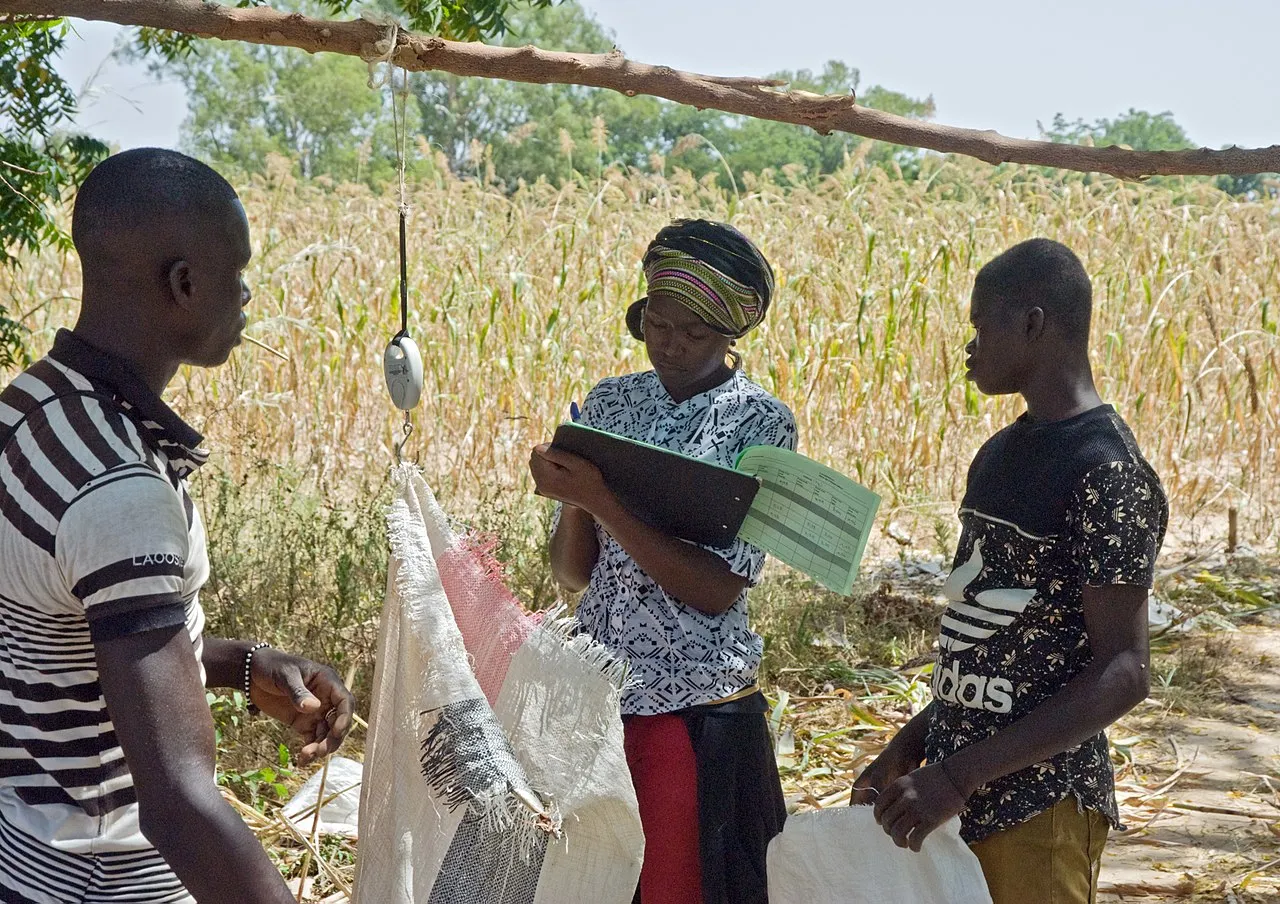
Image: Rik Schuiling, Agricultural scientist taking notes at research station in Saria (Burkina Faso), Wikimedia Commons, Creative Commons Attribution-Share Alike 4.0 International
Journal articles
Research transforms food systems in developing regions
This paper examines the role that agricultural research and innovation has in changing the food systems of developing regions, including urbanisation, decline in the importance of cereals in the diet, rise in processed foods, and shift in types of grains produced. Ways in which research affects the food system include: new breeds and varieties that are suited to small farms and/or ease of processing; cheaper inputs such as irrigation, fertilisers, herbicides and tractors; and introduction of motorised transport and temperature controlled storage. The authors call for more investment in the post-farm stages of the food system, such as processing, logistics, and wholesale, because these stages add significant value to food products.
Read
Image
Books
Edible insects in sustainable food systems
FCRN member Afton Halloran has edited this book, which outlines the role of edible insects in food systems around the world. Topics include nutrition, consumer acceptance, environmental impacts, using insects as animal feed and legal regulation.
Read
Image
Image: Francish7, Tasty seasonal African Plums - known locally as Safu - in Basankusu, Wikimedia Commons, Creative Commons Attribution 3.0 Unported
Journal articles
Trees and indigenous crops for food security in Africa
A recent paper by FCRN member Roger Leakey of the International Tree Foundation explores the possibility of smallholder farms in Africa using trees and indigenous crops to provide many environmental, social and economic benefits.
Read
  • VIEW MORE

Sign up for Fodder, our newsletter covering sustainable food news.

Sign up
  • Glossary
  • About
  • Our Writing
  • Podcasts
  • Resources

Social

YouTube Facebook Instagram

© Copyright 2025

A collaboration between: