Close
Login Register
Search
  • About
    • What We Do
    • Who We Are
    • FAQs
  • Our Writing
    • Explainers
    • Essays
    • Letterbox
    • Reports & More
  • Podcasts
  • Our Events
  • Projects
    • Power In The Food Systems
    • Local-Global Scale Project
    • MEAT: The Four Futures Podcast
    • Fuel To Fork
    • Nature
    • Reckoning with Regeneration
    • SHIFT
    • Games at TABLE
    • Rethinking the Global Soy Dilemma
  • Resources
  • Opportunities
    • Jobs
    • Funding
    • Courses
    • Collaborations
    • Events
  • Newsletter
  • TABLE (EN)
Search
Back

Tim Benton

Image
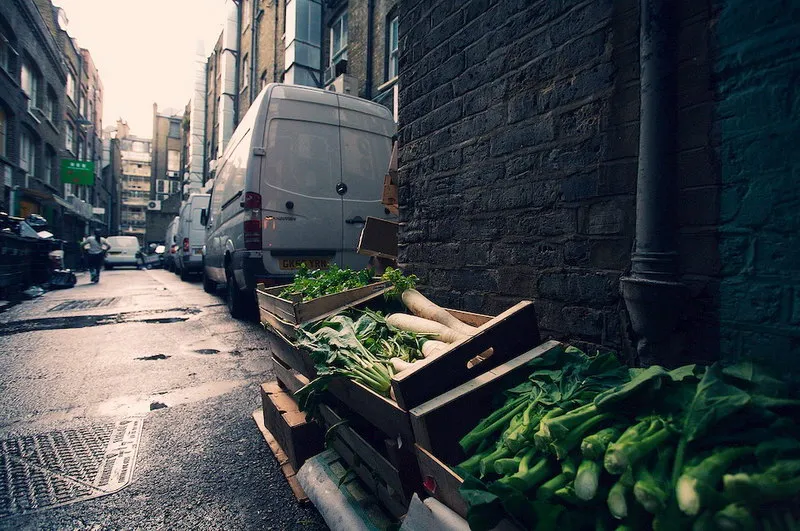
A large white van is parked in an alleyway next to boxes of vegetables
Explainer
Food systems and contributions to other environmental problems
Food systems interact with, and affect, the environment in a great many ways beyond their greenhouse gas emissions.  In order to feed humans, the global food system occupies over a third of the earth’s land surface; extracts large amounts of fish and animals from natural habitats; makes huge claims on natural resources; and dispurses various pollutants into the environment. An appreciation of this wide range of environmental impacts is needed to understand why food systems are central to solving many of our biggest environmental problems, and ultimately to maintaining human well-being. Also useful, is to understand that the causes and solutions to these problems are often interconnected through food systems, resulting in trade-off situations where a course of action can at the same time, make one issue better and another worse.
Read
Image
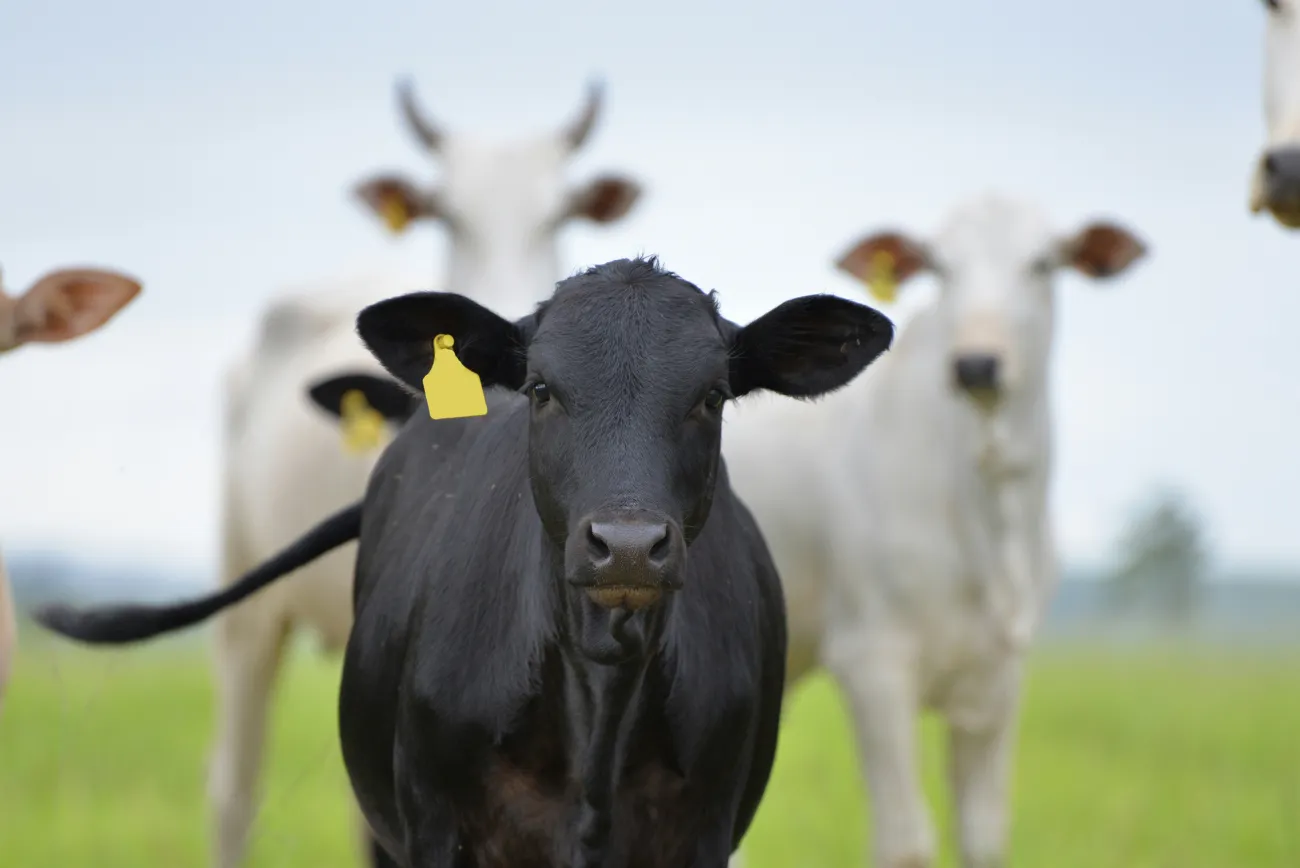
Beef cattle in a field. Photo by Mario Garcia via Unsplash.
Essay
Expert commentary by Prof Tim Benton
In this piece, Dr. Tim Benton reflects on the latest report by the FCRN: Grazed and confused?Tim Benton is a Professor of Population Ecology and dean of strategic research initiatives at the University of Leeds. From 2011-16, he was the 'champion' of the UK’s Global Food Security programme, a multi-agency partnership of the UK’s public bodies with interest in the challenges around food. He is currently a Visiting Fellow at Chatham House.
Read
Image
Foodsource
Explainer
An overview of food system challenges
How food gets to our plates and what happens afterwards, connects many issues of concern, including health, biodiversity, climate change, livelihoods, and more. This chapter, and associated resources, provides an entry point into ‘food systems’ thinking and the multifaceted set of issues that are connected through food. It provides a foundation for the wider set of ideas and complexities that are explored in the other chapters of Foodsource.
Read
Image
Foodsource
Explainer
Impacts of climatic and environmental change on food systems
Food systems are central to human well-being. We rely on them for nourishment, employment, livelihoods, culture and more. Reliable access to sufficient food is a foundation of human health, and of social and political stability. While the impacts of food systems on the environment are great, changes to the climate and the wider environment — to which food systems contribute — also have major implications for the functioning of food systems and all that they support. Understanding this matters, because sustainable food systems in the future must not only maintain human well-being with fewer environmental impacts, but must also be able to cope to different environmental conditions to those experienced today.
Read

Sign up for Fodder, our monthly newsletter unpacking the future of food.

Tick below to opt-in to email communications.

You can change your mind at any time by clicking the unsubscribe link in the footer of any email you receive from us, or by contacting us at info@tabledebates.org.

We use Mailchimp as our marketing platform. By clicking below to subscribe, you acknowledge that your information will be transferred to Mailchimp for processing. Learn more about Mailchimp's privacy practices.
  • Glossary
  • About
  • Our Writing
  • Podcasts
  • Resources

Social

YouTube Facebook Instagram

© Copyright 2025

A collaboration between: