Close
Login Register
Search
  • About
    • What We Do
    • Who We Are
    • FAQs
  • Our Writing
    • Explainers
    • Essays
    • Letterbox
    • Reports & More
  • Podcasts
  • Our Events
  • Projects
    • Power In The Food Systems
    • Local-Global Scale Project
    • MEAT: The Four Futures Podcast
    • Fuel To Fork
    • Nature
    • Reckoning with Regeneration
    • SHIFT
    • Games at TABLE
    • Rethinking the Global Soy Dilemma
  • Resources
  • Opportunities
    • Jobs
    • Funding
    • Courses
    • Collaborations
    • Events
  • Newsletter
  • TABLE (EN)
Search
Back

TABLE

Image
Books
Biodiversity, food and nutrition
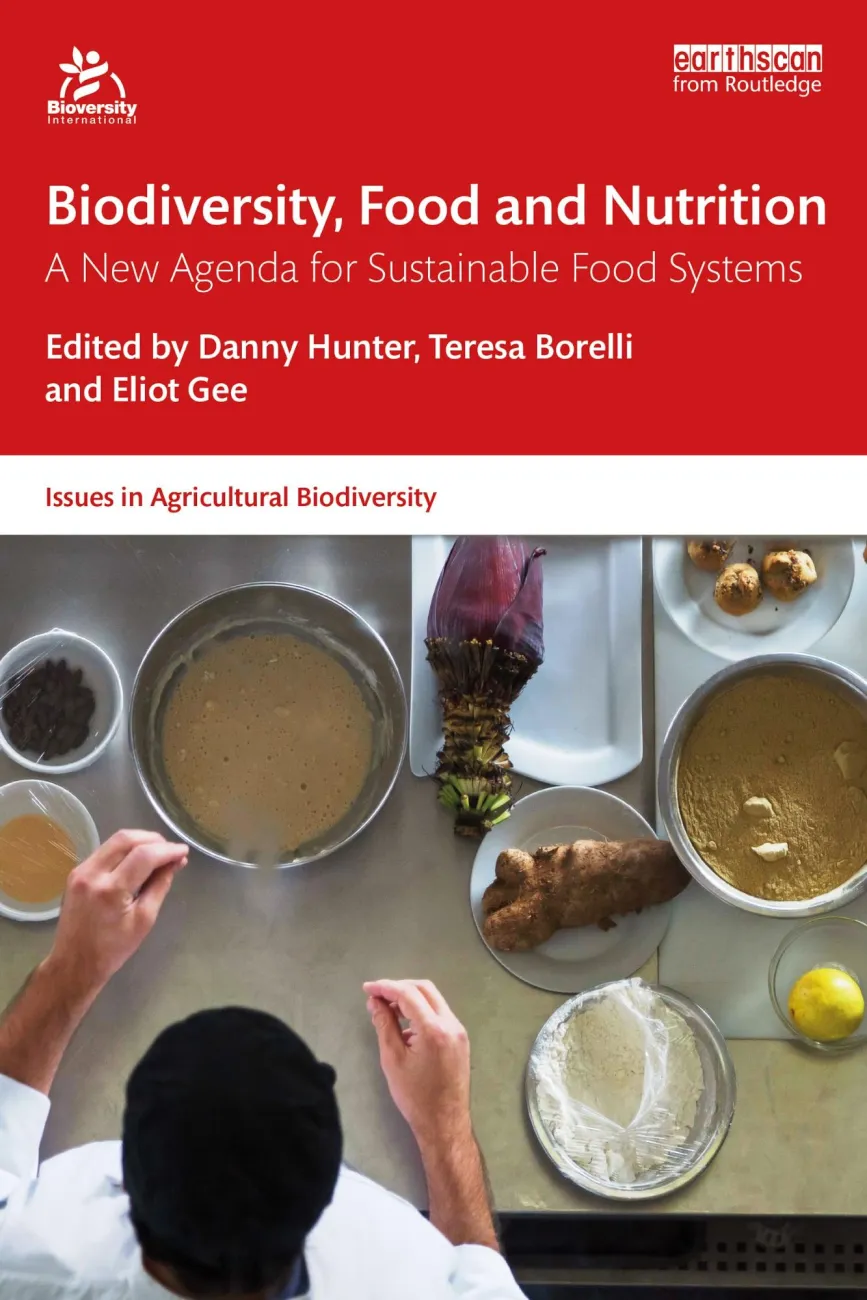
This book looks at how local food biodiversity can help to improve nutrition. Chapters cover the impacts of poor diets, evidence for the role of biodiversity in supporting healthy diets, agroecology, public food procurement, youth-led innovations and reframing food systems narratives.
Read
Image
Reports
“Cattle laundering” in the Brazilian Amazon
NGO Greenpeace Brazil reports that some meat companies that have exported beef from Brazil to the UK, among other countries, have received cattle that have, for part of their life, been grazed on illegally deforested areas within the protected Ricardo Franco State Park. Greenpeace describes the process as “cattle laundering” because the cattle are sent to other farms (not linked to illegal deforestation) later in their life, to hide the links to deforestation.
Read
Image
Reports
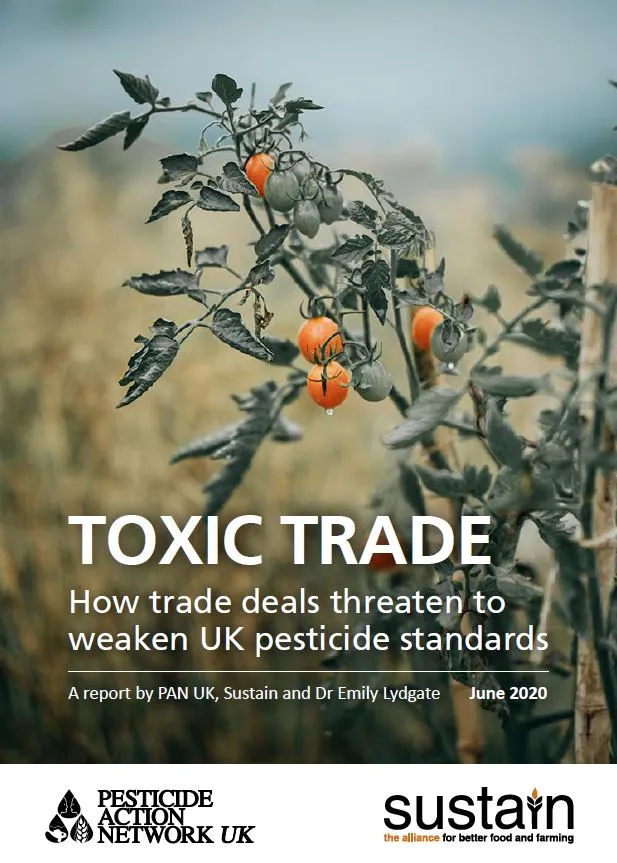
Post-Brexit trade deals could weaken UK pesticide standards
This report from charity Pesticide Action Network UK compares current UK pesticide regulations with those of the US and Australia - both countries are a priority for post-Brexit trade deals - as well as with those of India. It finds that food sold in the UK could soon be allowed to contain significantly higher levels of hazardous pesticides, if the UK agrees to weaken its pesticide standards during trade negotiations.
Read
Image
Reports
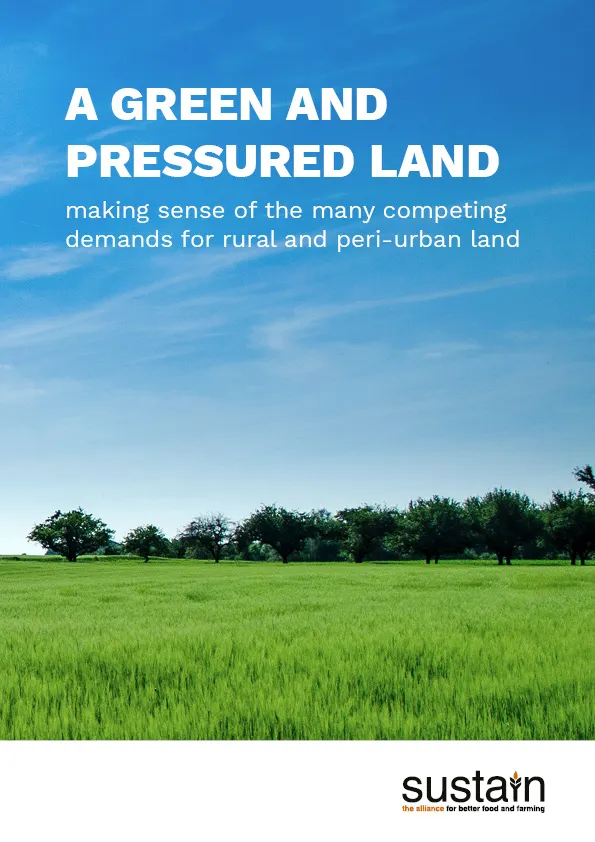
A green and pressured land - competing land use demands
This briefing from UK NGO Sustain examines pressures on land in the UK and overseas, including the impacts of agriculture and the foods we choose to eat. It considers competing land uses such as biodiversity, hedgerows, food production, supporting new entrants into farming, climate mitigation, bioenergy production and land for leisure.
Read
Image
Reports
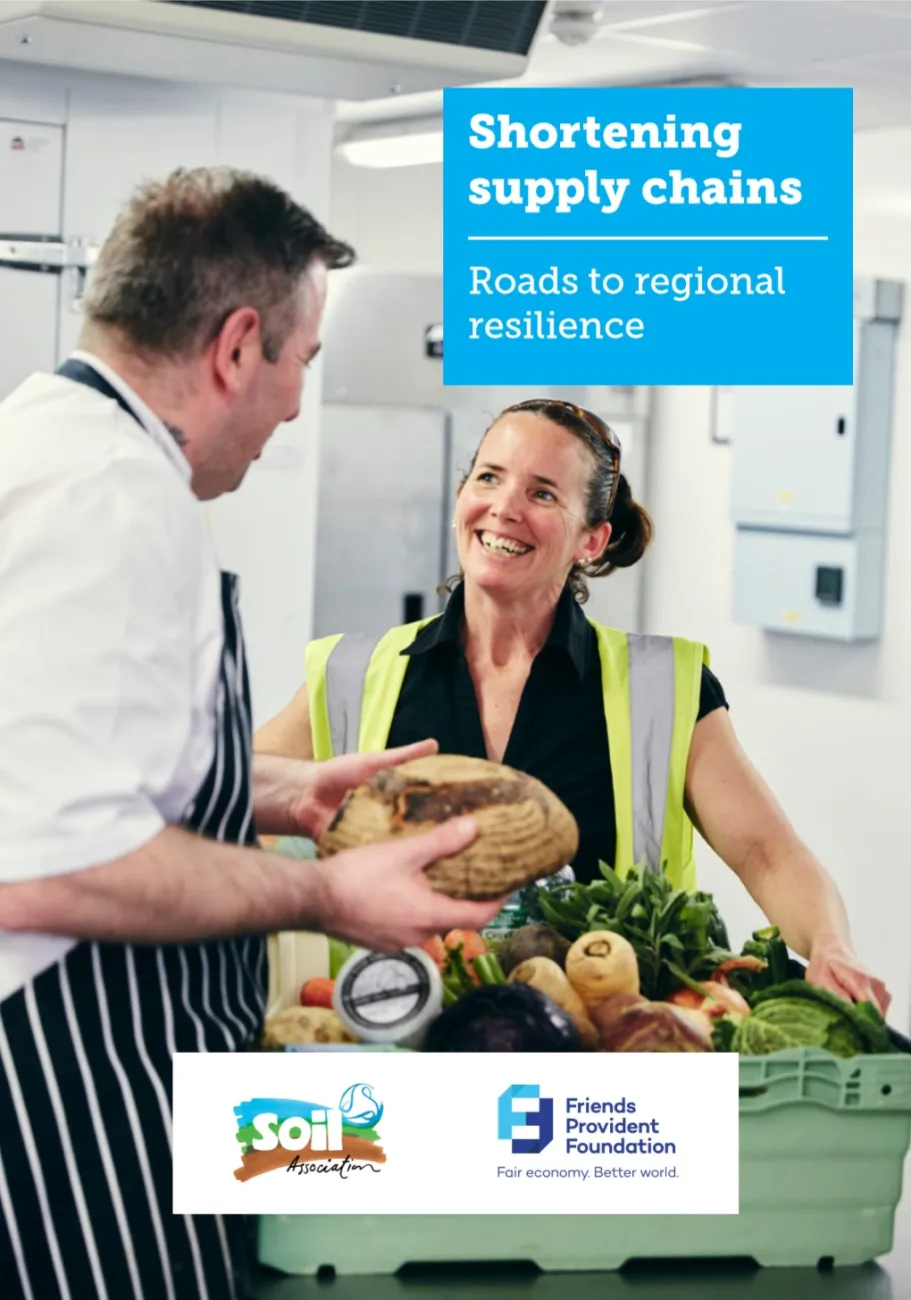
Shortening supply chains for regional resilience
This report by UK charity the Soil Association argues that COVID-19 has highlighted the fragility of long supply chains, and that supporting shorter supply chains will make the food system more resilient and sustainable. It also gives examples of localised food supply initiatives in the UK.
Read
Image
Reports
COVID-19 could cause global food crisis, says UN
The COVID-19 pandemic, mitigation measures and the emerging global recession could cause food disruption on a scale not seen for more than half a century, according to this policy brief from the United Nations. The UN calls for large-scale coordinated action to protect health and nutrition.
Read
Image
Shutterbug75, Hamburger Burger Barbeque, Pixabay, Pixabay Licence
Journal articles
Providing information increases acceptance of cultured meat
According to this paper, participants in a survey of 193 Dutch citizens were more likely to view cultured meat favourably after they were given information about its purported benefits, compared to before they were given information. Most participants were willing to pay a premium of 37%, on average, for cultured meat over conventional meat.
Read
Image
Image: fda54, Goat Herd Mountain, Pixabay, Pixabay Licence
Journal articles
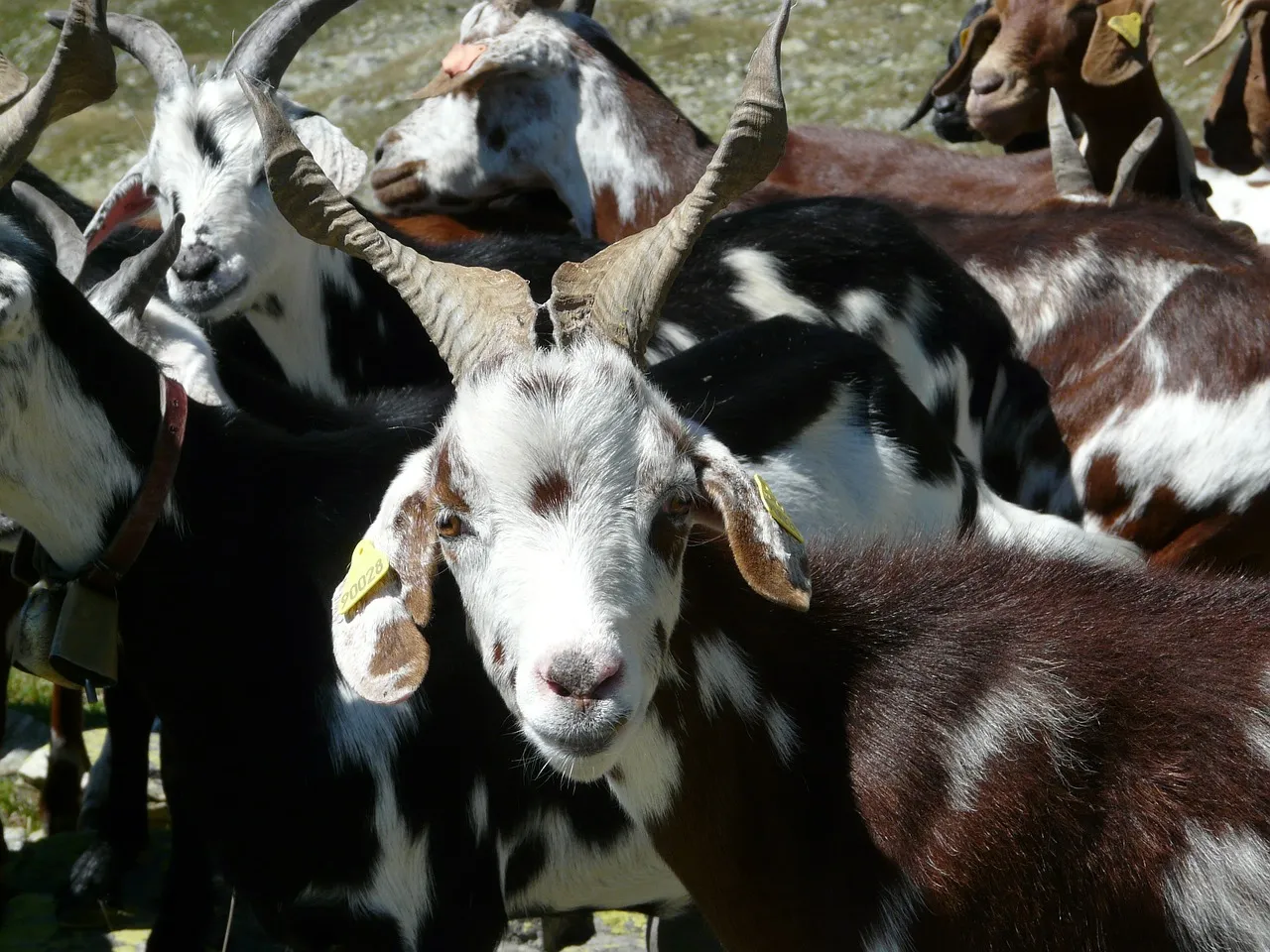
Land use change and emerging zoonotic diseases
This systematic review examines the effects of anthropogenic land use change (such as deforestation, urbanisation and agricultural intensification) on the transmission of zoonotic diseases from mammals to humans. 
Read
Image
Image: adege, Corn Corn on the Cob, Pixabay, Pixabay Licence
Featured articles
Integrating crop production into land restoration
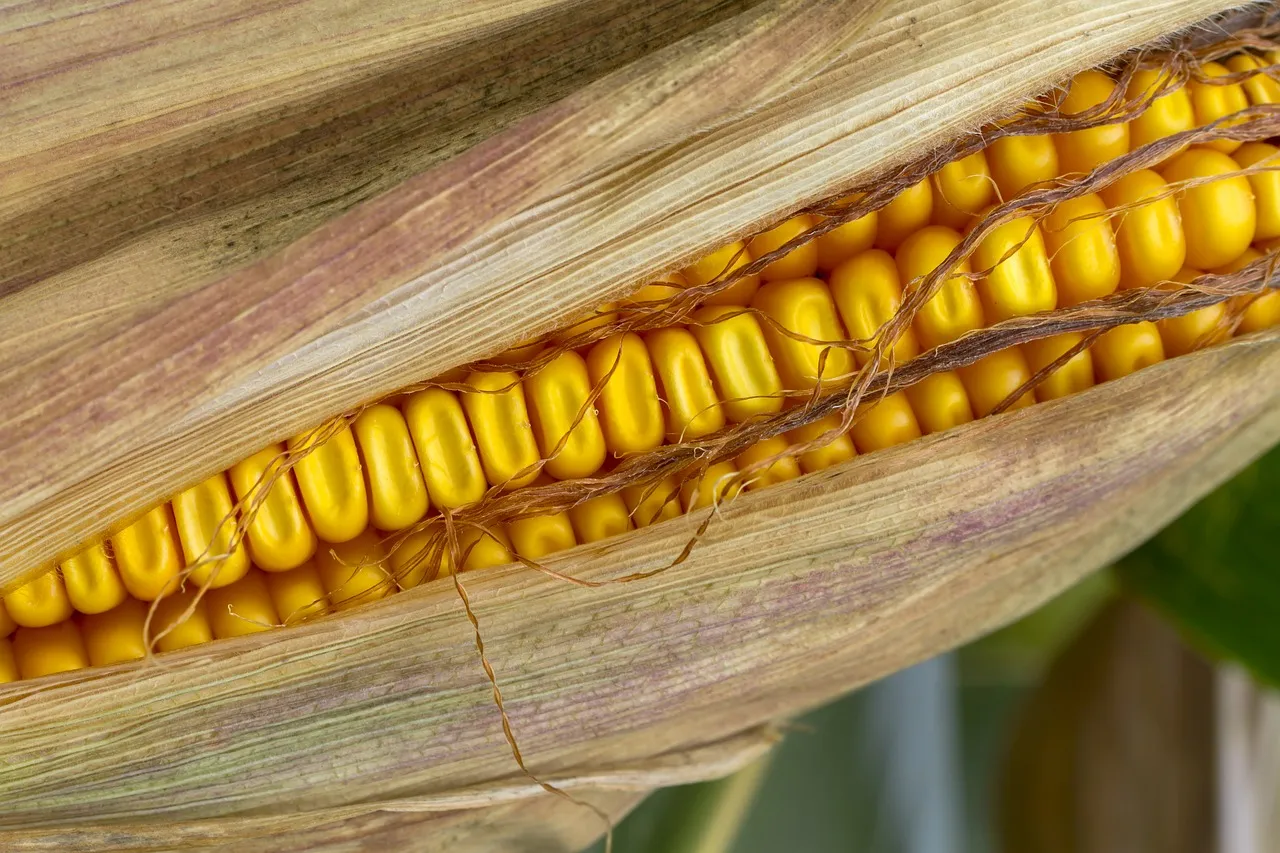
This paper models how integrating crop production - specifically maize, wheat and rice - into global land restoration efforts could impact food security, carbon sequestration and greenhouse gas emissions. The paper’s scenarios look at how to achieve the Bonn Challenge, which is a global agreement to restore 350 million hectares of deforested or degraded land by 2030. 
Read
  • VIEW MORE

Sign up for Fodder, our monthly newsletter unpacking the future of food.

Tick below to opt-in to email communications.

You can change your mind at any time by clicking the unsubscribe link in the footer of any email you receive from us, or by contacting us at info@tabledebates.org.

We use Mailchimp as our marketing platform. By clicking below to subscribe, you acknowledge that your information will be transferred to Mailchimp for processing. Learn more about Mailchimp's privacy practices.
  • Glossary
  • About
  • Our Writing
  • Podcasts
  • Resources

Social

YouTube Facebook Instagram

© Copyright 2025

A collaboration between: