Close
Login Register
Search
  • About
    • What We Do
    • Who We Are
    • FAQs
  • Our Writing
    • Explainers
    • Essays
    • Letterbox
    • Reports & More
  • Podcasts
  • Our Events
  • Projects
    • Power In The Food Systems
    • Local-Global Scale Project
    • MEAT: The Four Futures Podcast
    • Fuel To Fork
    • Nature
    • Reckoning with Regeneration
    • SHIFT
    • Games at TABLE
    • Rethinking the Global Soy Dilemma
  • Resources
  • Opportunities
    • Jobs
    • Funding
    • Courses
    • Collaborations
    • Events
  • Newsletter
  • TABLE (EN)
Search
Back

TABLE

Image
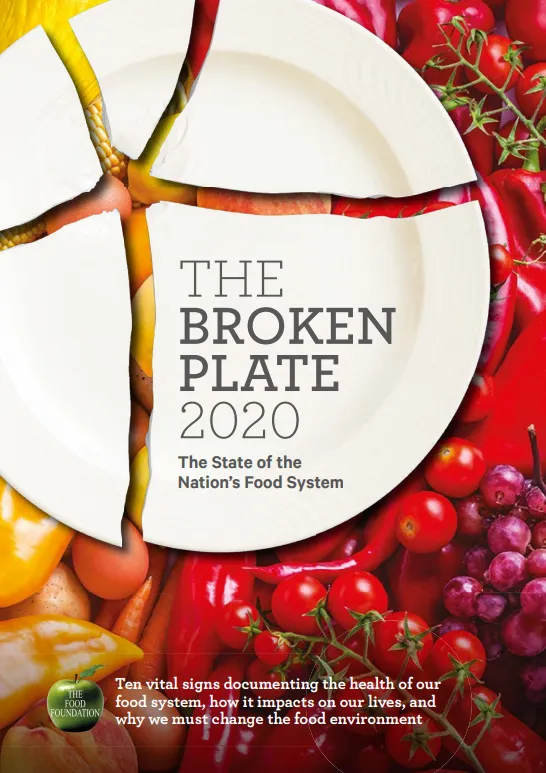
The Broken Plate 2020
Reports
The Broken Plate 2020
This report from the UK charity the Food Foundation sets out ten metrics which could be used to gauge the health of the UK’s food system. Compared to 2019, the report finds improvement in the following metrics: wages in the food industry, products with too much sugar, and products with not enough vegetables. Deterioration has been seen in food prices (note that figures are only available until the first quarter of 2020 and thus do not capture the full impacts of COVID-19) and in places to buy healthy food.
Read
Image
Image: Romnshka, Food sandwich sardine, Pixabay,Pixabay Licence
Journal articles
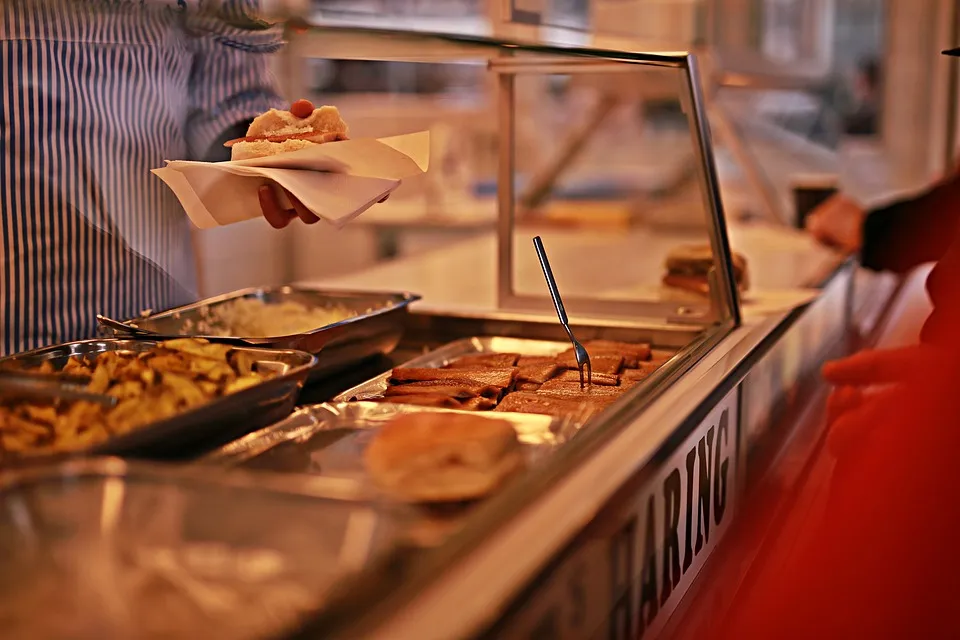
Order of meals affects student cafeteria vegetarian sales
This paper co-authored by FCRN member Emma Garnett finds that placing vegetarian options first on the counter of student cafeterias increases their sales by 5-6% when the different options are widely spaced (>1.5m), but not when the options are close together (<1.0m).
Read
Image
Image: Tyler Lastovich, Herd of Cattle on Brown Grass Mountain Under White Sky, Pexels, Pexels Licence
Journal articles
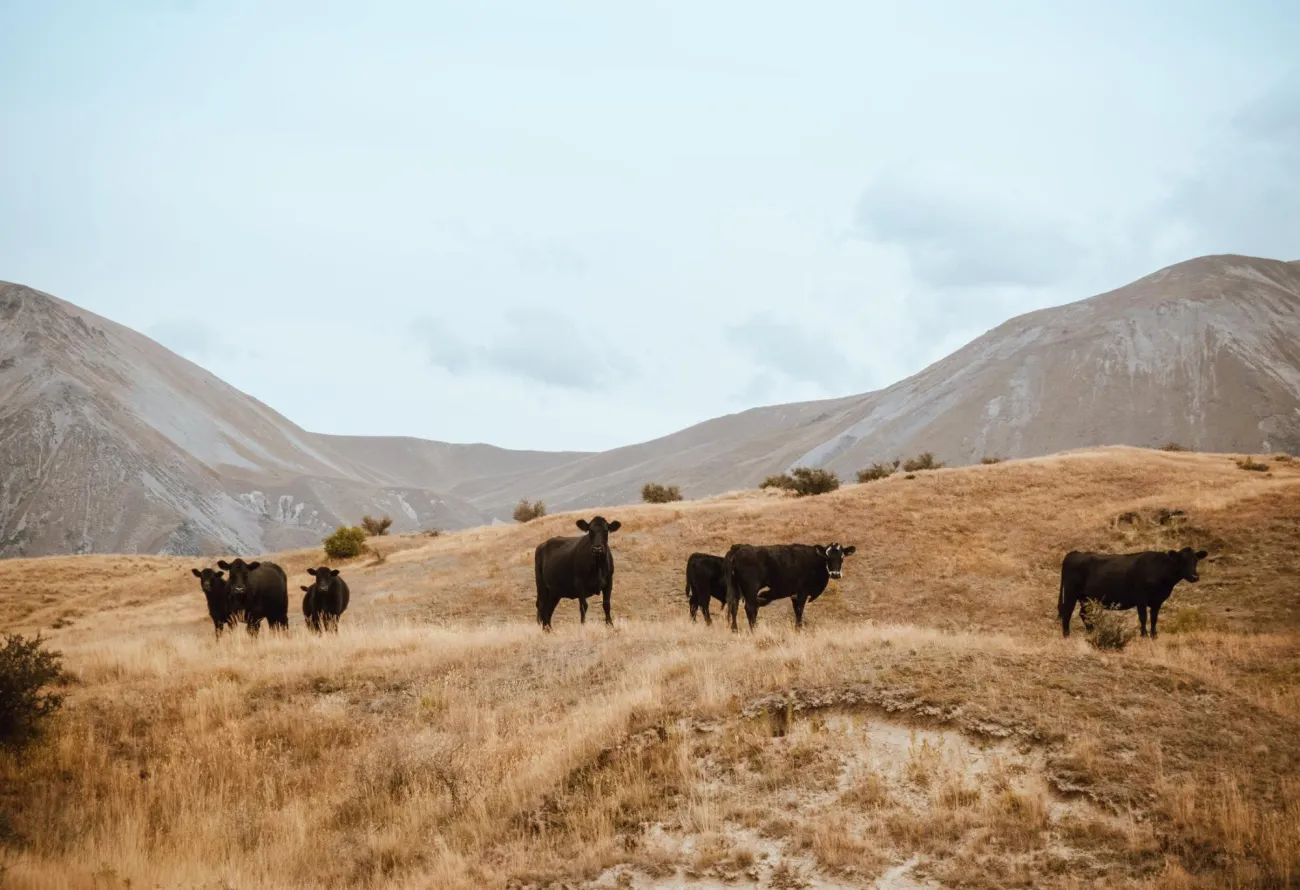
Lower-meat diets allow greater US food system localisation
This paper examines how localised the US food system could become by calculating theoretical minimum foodshed sizes (i.e. average distance travelled by food) for 378 urban areas under seven different dietary scenarios. It finds that (on average) foodsheds can be smaller for the low-meat diets compared to high-meat diets.
Read
Image
Image: Capri23auto, Hahn Gockel Chicken, Pixabay, Pixabay Licence
Journal articles
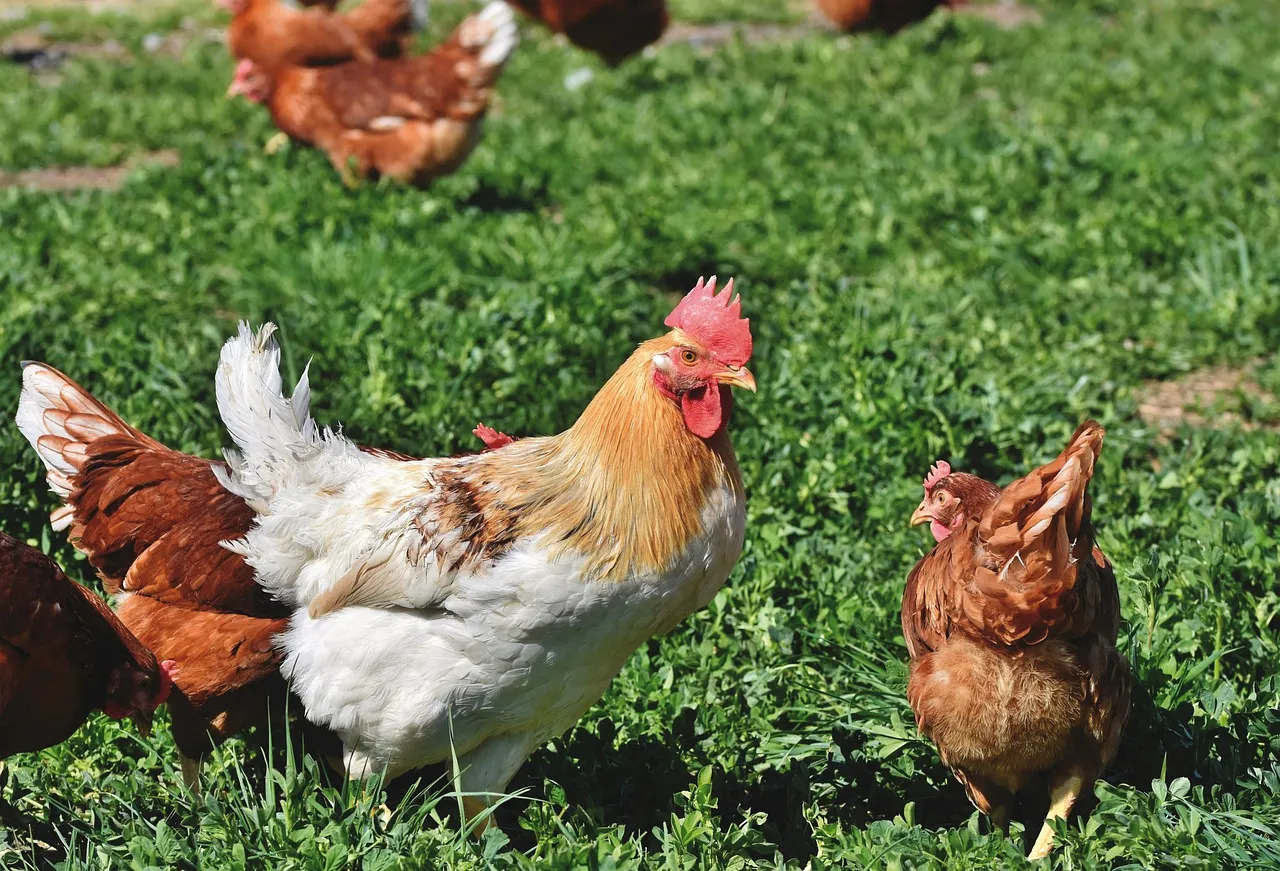
‘Less but better’ meat: a message in need of clarity
This commentary piece, co-authored by FCRN member Elin Röös, argues that the message ‘less but better meat’ needs to be defined more clearly, since there is a risk that the message could actually push livestock production towards more harmful practices.
Read
Image
News and resources
Recording of launch event of UK National Food Strategy
An recording of the launch event for the UK’s National Food Strategy, held on 29 July 2020, is now available online. The National Food Strategy is a year-long review of the UK’s food system. Read more about the review here and read the FCRN’s summary of Part One of the review here.
Read
Image
News and resources
Webinar: Do we need to stop eating meat and dairy?
The FCRN’s Tara Garnett took part in a webinar titled “Do we need to stop eating meat and dairy to tackle climate change?” organised by Carbon Brief. The panel also included Prof Pete Smith of the University of Aberdeen, Dr Helen Harwatt of Chatham House and Dr Modi Mwatsama of the Wellcome Trust. The webinar covered the climate impacts of different food types, carbon sequestration through restoration of native vegetation, health impacts of animal products and the cultural and economic factors influencing dietary patterns. 
Read
Image
News and resources
Walmart intends to become a “regenerative company”
US retailer Walmart, the world’s largest company by revenue, has announced a goal to become a “regenerative company”. Specific targets include protecting, managing or restoring at least 50 million acres of land (which is equivalent to around 2% of the United States’ land area) and one million square miles of ocean (<1% of the global ocean area) by 2030, and achieving net zero emissions by 2040. The net zero target appears to cover only Walmart’s direct emissions, not food and product supply chain emissions.
Read
Image
Books
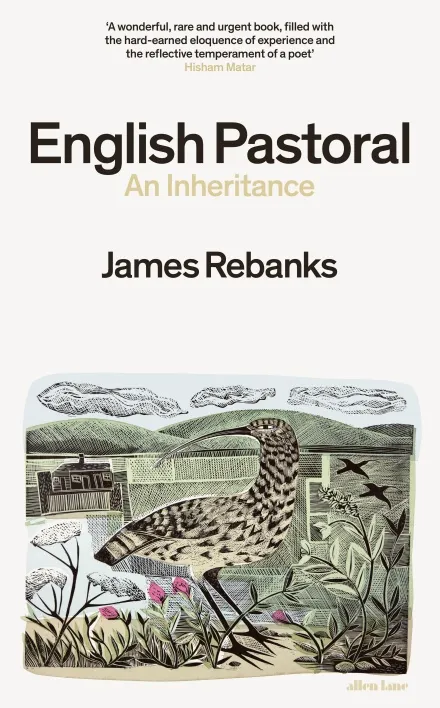
English pastoral: An inheritance
In this book, farmer and writer James Rebanks describes how the landscape and community that his family farm is part of has changed over the past few decades as farming methods have become more intensive.
Read
Image
Books
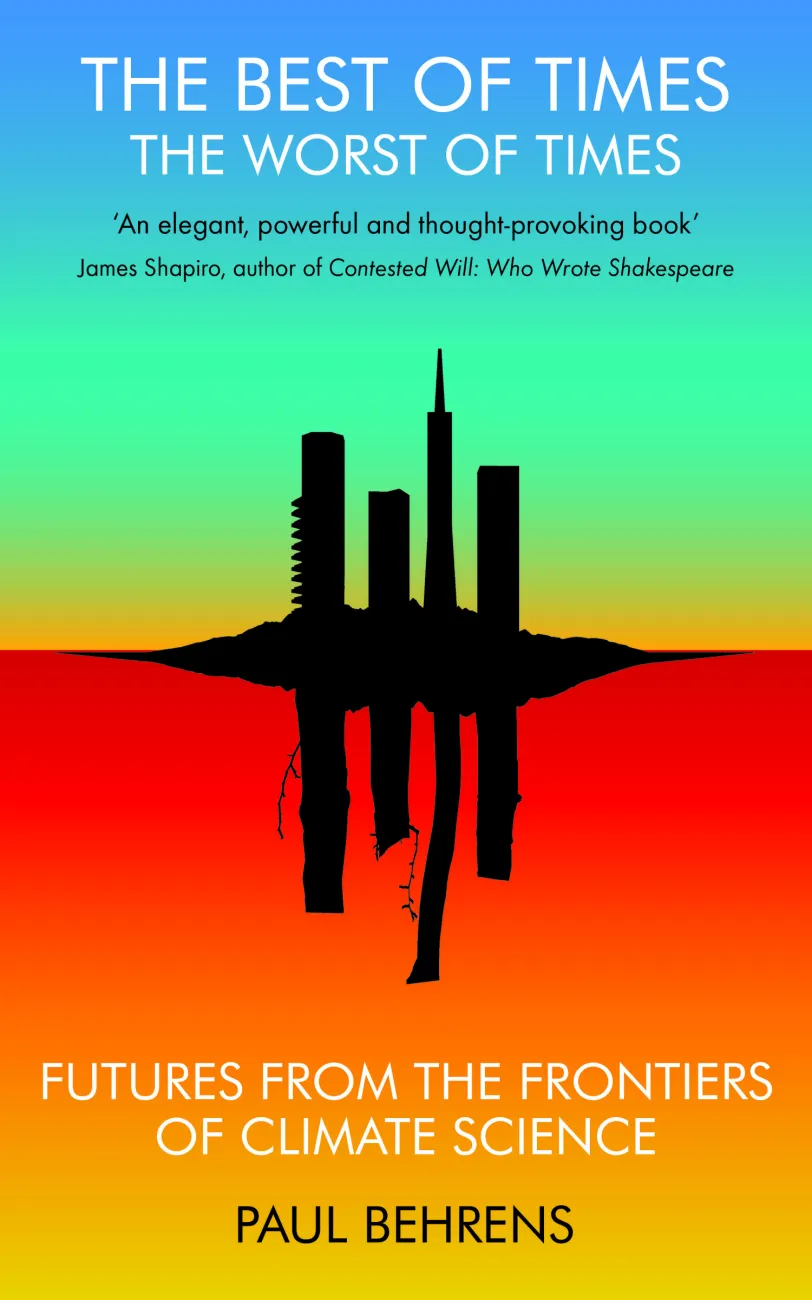
The best of times, the worst of times
This book by FCRN member Paul Behrens uses paired chapters of pessimism and hope to show how much needs to be done to achieve a hopeful future, but how this would involve actively building a healthier and more fulfilling world. The book covers subjects including food, energy, climate and economics.
Read
  • VIEW MORE

Sign up for Fodder, our monthly newsletter unpacking the future of food.

Tick below to opt-in to email communications.

You can change your mind at any time by clicking the unsubscribe link in the footer of any email you receive from us, or by contacting us at info@tabledebates.org.

We use Mailchimp as our marketing platform. By clicking below to subscribe, you acknowledge that your information will be transferred to Mailchimp for processing. Learn more about Mailchimp's privacy practices.
  • Glossary
  • About
  • Our Writing
  • Podcasts
  • Resources

Social

YouTube Facebook Instagram

© Copyright 2025

A collaboration between: