Close
Login Register
Search
  • About
    • What We Do
    • Who We Are
    • FAQs
  • Our Writing
    • Explainers
    • Essays
    • Letterbox
    • Reports & More
  • Podcasts
  • Our Events
  • Projects
    • Power In The Food Systems
    • Local-Global Scale Project
    • MEAT: The Four Futures Podcast
    • Fuel To Fork
    • Nature
    • Reckoning with Regeneration
    • SHIFT
    • Games at TABLE
    • Rethinking the Global Soy Dilemma
  • Resources
  • Opportunities
    • Jobs
    • Funding
    • Courses
    • Collaborations
    • Events
  • Newsletter
  • TABLE (EN)
Search
Back

TABLE

Image
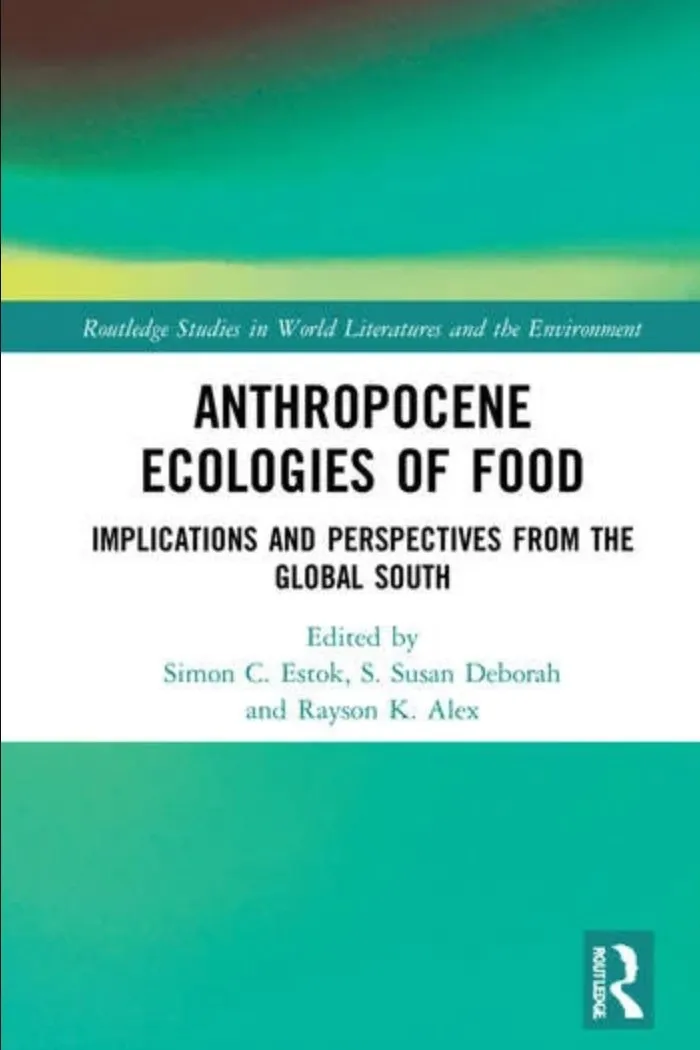
Image: Front cover of book titled Anthropocene ecologies of food: notes from the Global South
Books
Anthropocene ecologies of food: notes from the Global South
This book explores food production and culinary practice along with their ecological underpinnings. It focuses on the cultural context of India whilst investigating humans within the process of food production throughout the global food system. Readers will find discussions of the representations of food across media sources such as film, literature, and digital media and critiques of agricultural and food practices. It contributes to the conversation around the Anthropocene and food systems.
Read
Image
Image: A glass filled with silver coins and a plant on top. Image by Towfiqu bharbuiya via unsplash
Reports
Investing in Regenerative Agriculture
This report by the company SLM, which is focused on natural assets such as soil, water, air and all living organisms on the planet explores regenerative agriculture as an investment opportunity. The document provides an updated case for investing in regenerative agriculture. SLM broadly defines regenerative agriculture as a method of producing nutritious food and other products in a manner that improves soil health, climate stability, and ecosystem functionality, while also being economically sustainable for farmers. The report illustrates how investors can support the transition to regenerative agriculture by investing into farmland as part of a real asset strategy involving investment in physical assets such as natural resources whose value is based on physical properties and uses.
Read
Image
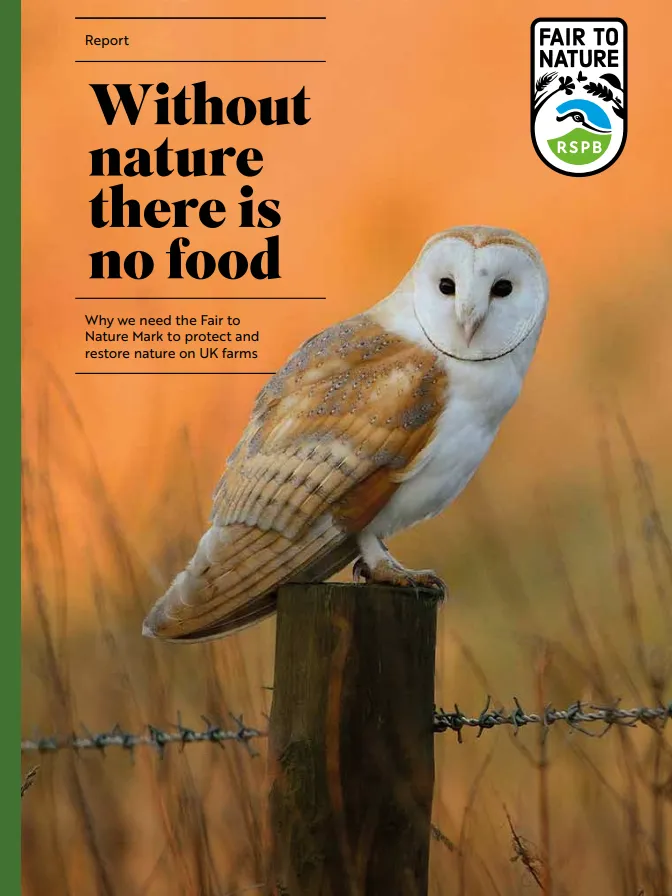
Image: front cover of Fair to Nature report titled “without nature there is no food”
Reports
Without nature there is no food
A new report from the UK’s biodiversity certification scheme Fair to Nature explores the topic of nature-friendly and wildlife-friendly farming. The report cites previous consumer research conducted by Fair to Nature which has demonstrated that a majority of consumers in the UK feel more positively about brands that have a certification label related to wildlife and biodiversity protection in the UK. 
Read
Image
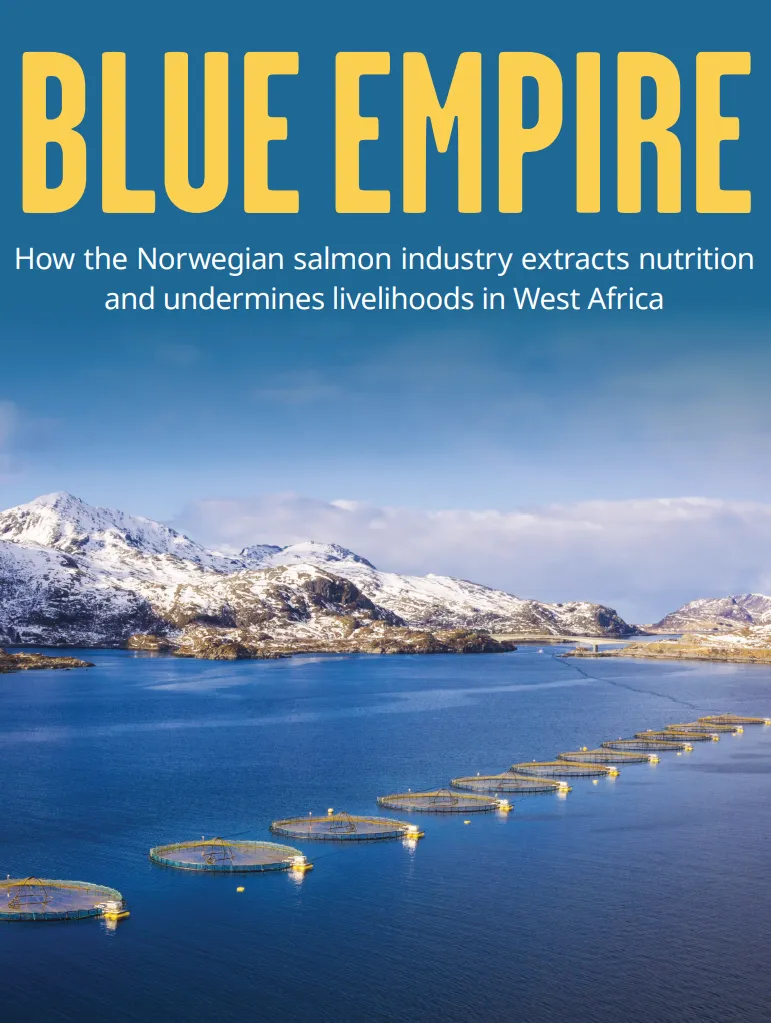
Image: Front cover of Feedback’s report titled “Blue Empire” showing aquaculture farms in a mountainous lake
Reports
Blue empire: Norwegian salmon industry impacts in West Africa
Feedback, a UK and Netherlands based organisation campaigning for sustainable and ethical food, has published a report linking the Norwegian salmon farming industry to poor nutrition and livelihood outcomes in West Africa. Norway has become the world’s largest salmon farming country with a handful of companies dominating the market, including MOWI which had nearly €5 billion in turnover in 2022. 
Read
Image
Image: image of a plant-based burger in front of a dark background. Photo by Deryn Macey via Unsplash
Journal articles
Funding, metrics, geographies and gaps of animal-based beef
This article investigates the current state of nutrition and sustainability of plant-based and animal-sourced products, mainly beef. It reflects upon the different metrics used in research and how they impact research results, narratives and policies. From the literature they reviewed, the authors found there to be a consensus that plant-based beef generates fewer greenhouse gas emissions than conventionally reared beef. They found it is more difficult to make nutritional comparisons due to the variability in plant-based beef products. Comparisons mainly focus on nutritional content, water use, land use and greenhouse gas emissions, but exclude social and economic sustainability. The authors highlight the impact of funding sources on the type of metrics chosen and call for more independent analysis focusing on a wider range of metrics.
Read
Image
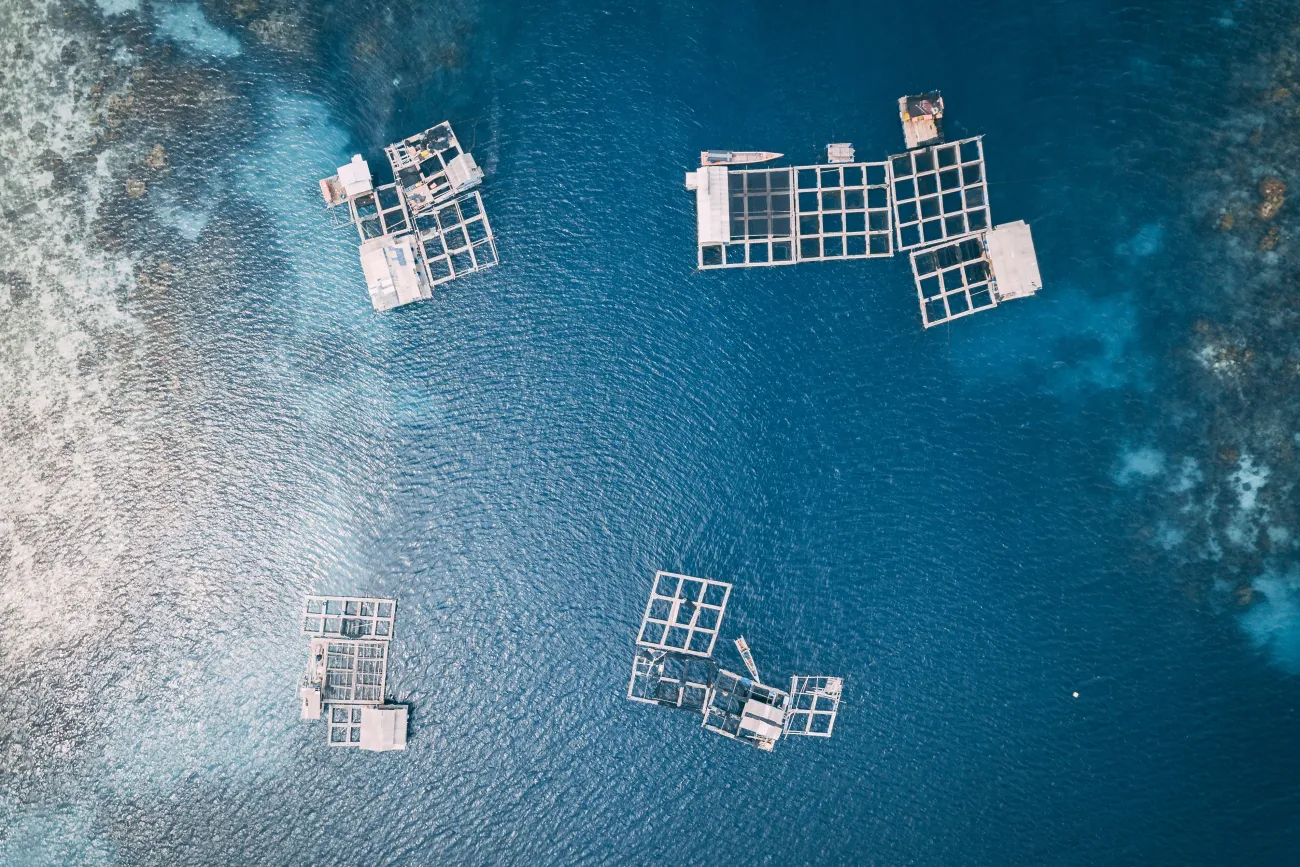
Image: aerial image of aquatic farming in a body of water. Photo by Hanson Lu via Unsplash
Journal articles
Effect of trade on global aquatic food consumption patterns
This article explores the role of trade as a potential driver of inequitable aquatic food distribution through its analysis of global aquatic food consumption patterns, trade characteristics, and impacts from 1976 to 2019. The authors find an increase in per capita consumption of aquatic foods over this time period at the global scale, a reduction in the average consumption rate of foods higher in the aquatic food chain, and improved distribution of high value aquatic foods through structural trade patterns. The authors hope to contribute to future research on the globalisation of aquatic food systems, aquaculture and the impacts of trade on food security.
Read
Image
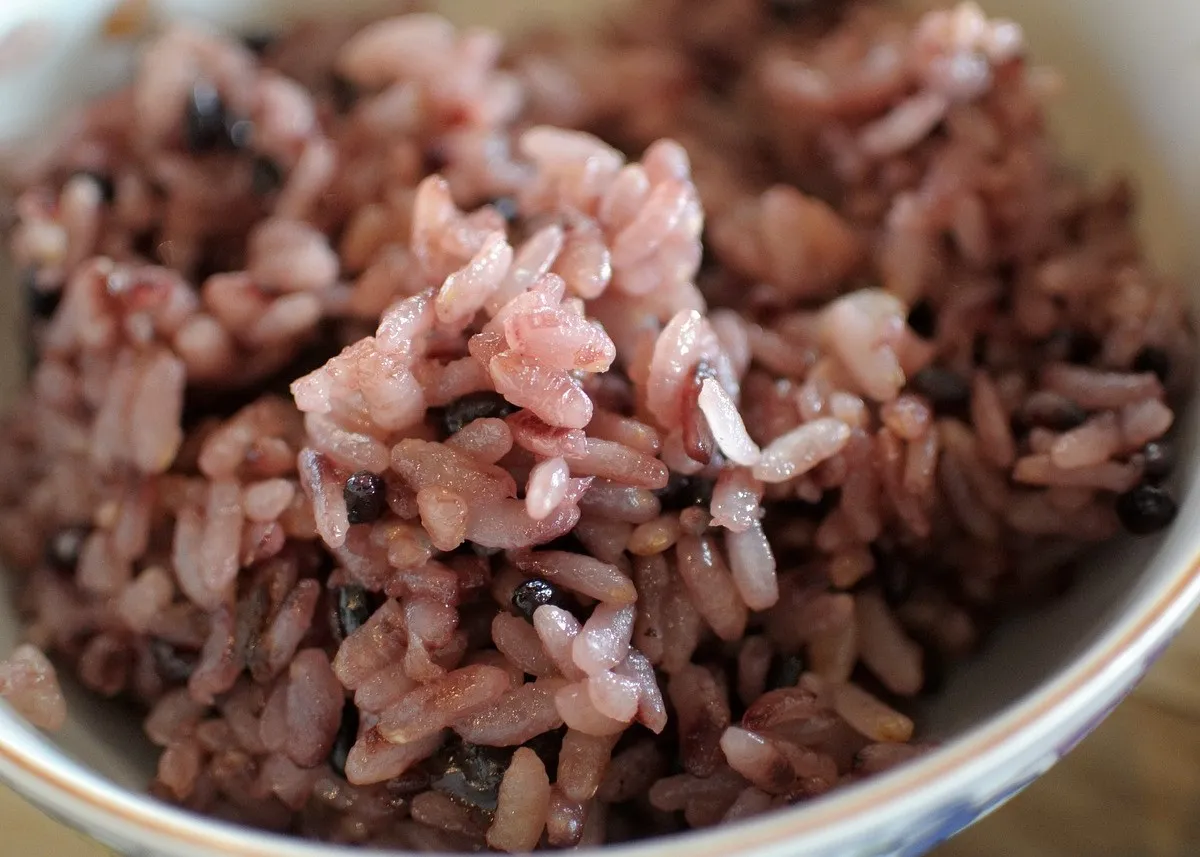
Image: bowl of cooked red rice. Photo by jirreaux via Pixabay
Journal articles
Rice grains integrated with animal cells
A new study has combined rice grains and animal nutrients using cow cells to produce a hybrid food or “rice-based meat”. The authors contribute to a growing area of future food research exploring scaffolding technology for cell-cultured meat products and suggest rice as an alternative scaffold to more common soy or nut-based scaffolds. 
Read
Image
A long table full of colorful empty plates and cups on a colorful tablecloth flanked by white folding chairs. Photo by Mario Caruso via Unsplash.
Essay
More People at the TABLE: Encouraging Even Wider Global Dialogues
In keeping with our goal of sharing diverse perspectives on food systems worldwide, TABLE is delighted to announce that it is expanding the collaboration. We are very pleased to welcome two new partner organizations to the TABLE family: Universidad de los Andes (Uniandes), Universidad Nacional Autónoma de México (UNAM).
Read
Image
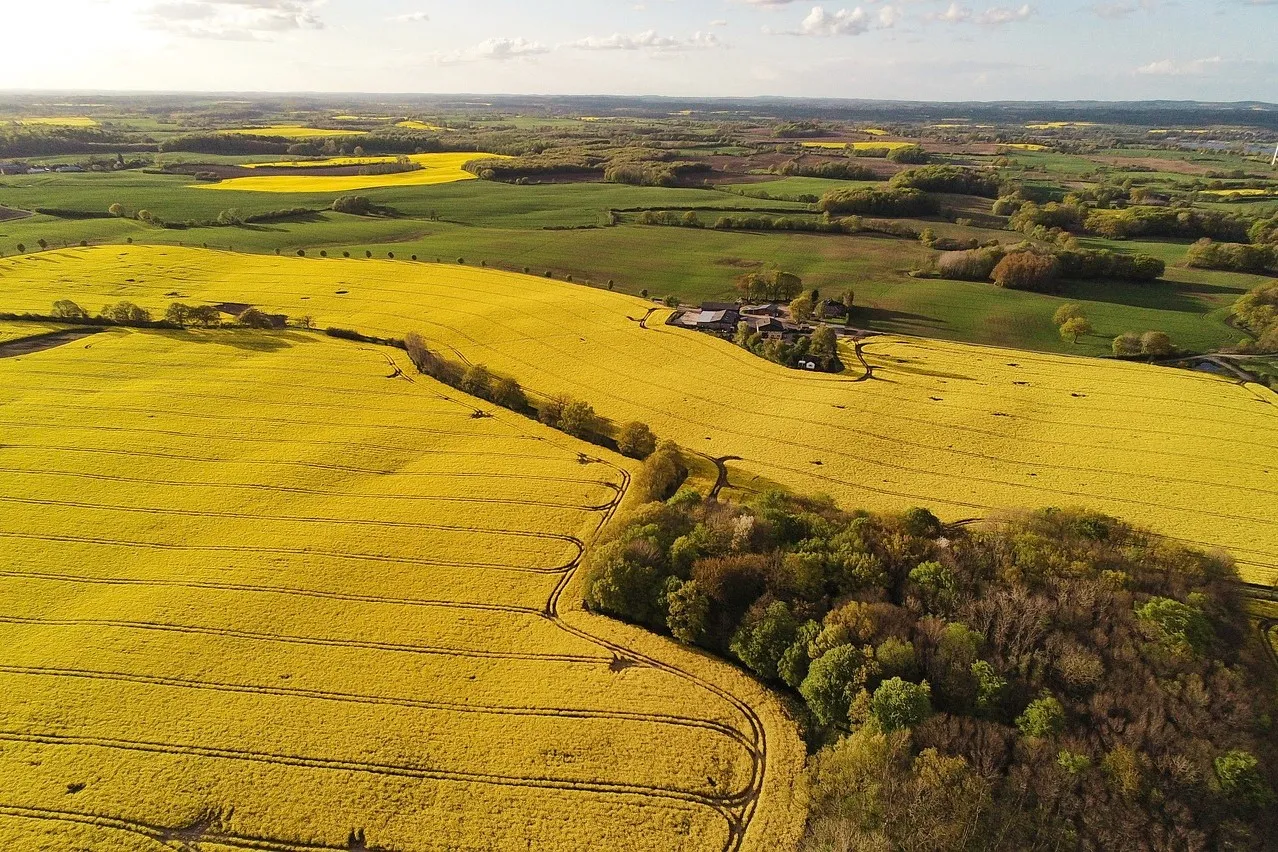
An aerial view of an agricultural landscape with pastures, fields of oil rape seed and forests. Photo by rainerh11 via pixabay
Journal articles
Potential unintended consequences of agricultural land use change driven by dietary transitions
This review article focuses on the practical implications for livestock farmers and their pastures of a shift towards a plant-based diet in the UK. The authors argue that the majority of pastures are unsuitable for conversion to arable land because of their soil type, making them unreliable sites for plant-based protein production.
Read
  • VIEW MORE

Sign up for Fodder, our monthly newsletter unpacking the future of food.

Tick below to opt-in to email communications.

You can change your mind at any time by clicking the unsubscribe link in the footer of any email you receive from us, or by contacting us at info@tabledebates.org.

We use Mailchimp as our marketing platform. By clicking below to subscribe, you acknowledge that your information will be transferred to Mailchimp for processing. Learn more about Mailchimp's privacy practices.
  • Glossary
  • About
  • Our Writing
  • Podcasts
  • Resources

Social

YouTube Facebook Instagram

© Copyright 2025

A collaboration between: