Close
Login Register
Search
  • About
    • What We Do
    • Who We Are
    • FAQs
  • Our Writing
    • Explainers
    • Essays
    • Letterbox
    • Reports & More
  • Podcasts
  • Our Events
  • Projects
    • Power In The Food Systems
    • Local-Global Scale Project
    • MEAT: The Four Futures Podcast
    • Fuel To Fork
    • Nature
    • Reckoning with Regeneration
    • SHIFT
    • Games at TABLE
    • Rethinking the Global Soy Dilemma
  • Resources
  • Opportunities
    • Jobs
    • Funding
    • Courses
    • Collaborations
    • Events
  • Newsletter
  • TABLE (EN)
Search
Back

TABLE

Image
Image: jggrz, Tree moss seedling, Pixabay, Pixabay Licence
Journal articles
Rich-world dietary shift has double climate benefits
This paper looks at the climate impacts of dietary shift towards plant-based foods in high-income nations. It finds that adoption of the EAT-Lancet diet in 54 countries could both reduce annual agricultural production emissions from those countries by 61%, and spare land that could sequester carbon equivalent to 14 years of current global agricultural emissions, through restoration to the natural vegetation associated with today’s climate in each location.
Read
Image
Image: Goumbik, Equipment outdoors dirt, Pixabay, Pixabay Licence
Journal articles
Transformative potential of major food report recommendations
This paper assesses the extent to which the recommendations of 41 food reports could transform the food system. It argues that few reports are targeting “leverage points” that could result in the most change, and that reports often neglect the implications of power differences between actors.
Read
Image
The Breakthrough Institute
News and resources
What do falling plant-based meat prices mean for beef?
This blog post by Saloni Shah and Dan Blaustein-Rejto of US-based think-tank The Breakthrough Institute argues that decreases in the price of plant-based meat alternatives by 10% will likely only have a small impact on cattle production (a 0.15% decrease in the US) and emissions from global cattle production (equivalent to a decrease of 1.4% in US beef production). They conclude that while continuing to improve plant-based meat alternatives is important in order for them to gain a larger market share, it is also important to work on methods and technologies to reduce the environmental impacts of livestock production.
Read
Image
Our World in Data
News and resources
Global Food Explorer by Our World in Data
Our World in Data, part of the Oxford Martin School, has launched a new data visualisation on the topic of food. The interactive graphic presents data from FAOSTAT in the form of charts, tables and maps showing changes over time for many different metrics (including production, yield, land use, trade patterns, and use of crops for food and for feed), individual food types, and countries.
Read
Image
Sustainable Food Production: A primer
Books
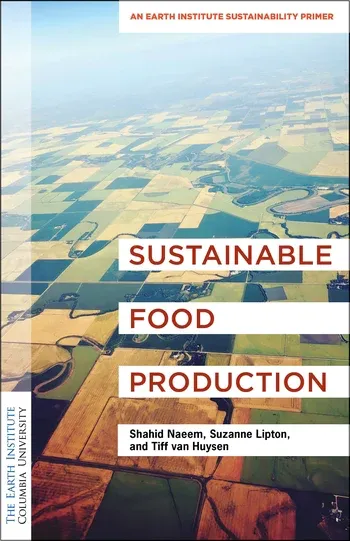
Sustainable Food Production: A primer
This book explains the ecological and environmental impacts of today’s agricultural systems as well as their contribution to social inequality. It looks at how agrifood systems can use the principles of environmental sustainability.
Read
Image
The secrets of supermarketing
Reports
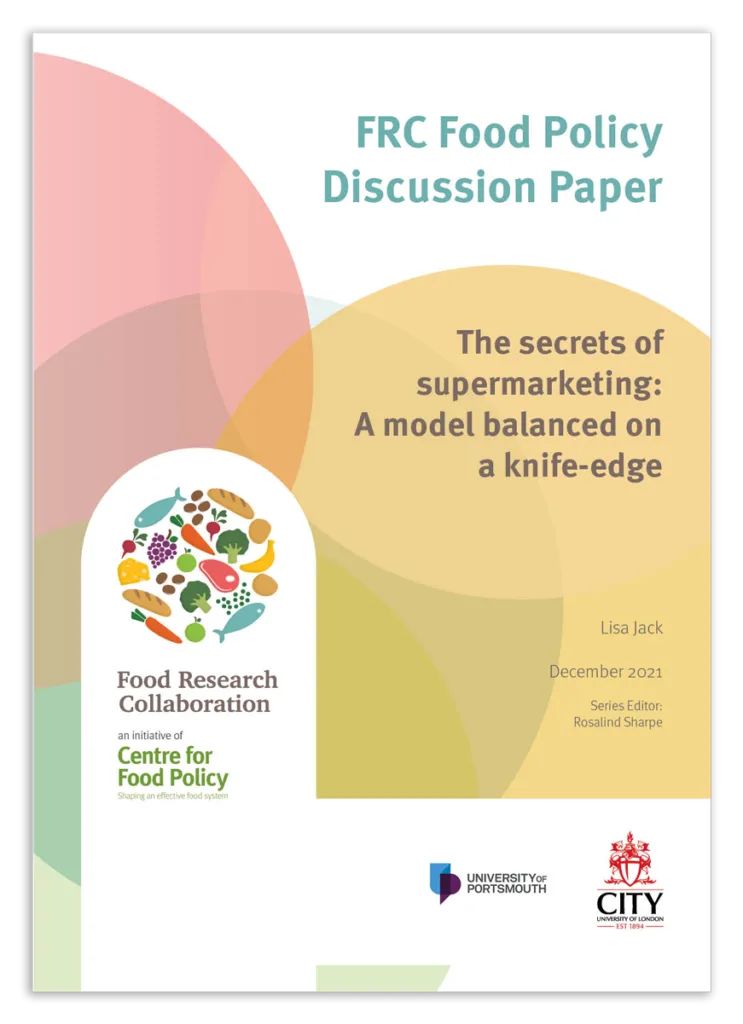
The secrets of supermarketing
This discussion paper from the UK-based Food Research Collaboration presents an alternative interpretation of supermarkets’ business models. Instead of offering low prices purely through economies of scale, the report suggests, supermarkets are running a finely balanced model with very low profit margins and large sale volumes. To keep prices low, supermarkets both persuade customers to buy additional items (which may ultimately go to waste) and charge fees to suppliers in return for marketing and selling their products. Without these supplier fees, supermarkets in the UK would be running at or near a loss.
Read
Image
Land, soil and water for food: Systems at breaking point
Reports
Land, soil and water for food: Systems at breaking point
This synthesis report from the United Nations Food and Agricultural Organization looks at the land, soil and water resources used by the world’s food systems. It uses the “driver–pressure–state–impact–response” framework to analyse the links between agricultural production, society and the environment.
Read
Image
Coller FAIRR Protein Producer Index
Reports
Coller FAIRR Protein Producer Index 2021
The fourth edition of the Coller FAIRR Protein Producer Index assesses 60 of the world’s largest protein producers, covering beef, pork, poultry and eggs, dairy and aquaculture, against several environmental, social and governance factors, including climate, biodiversity, water use, antibiotics, working conditions and alternatives to animal protein.
Read
Image
How Europe’s big meat and dairy are heating up the planet
Reports
How Europe’s big meat and dairy are heating up the planet
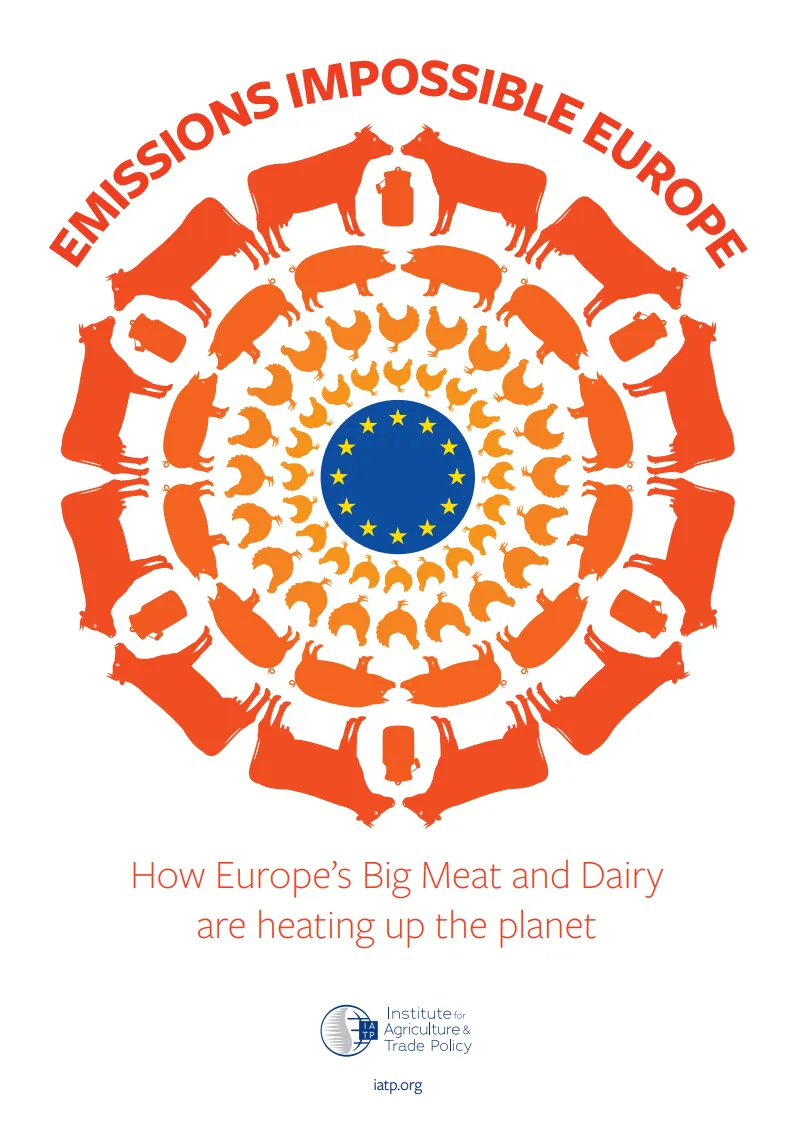
This report from the Institute for Agriculture & Trade Policy looks at the emissions of the 20 largest meat and dairy companies based in Europe. These 20 companies combined are responsible for emissions equivalent to 131% of total emissions produced by the Netherlands, according to the report’s estimates. Only four of the companies report their total supply chain emissions, and only three plan to reduce their total supply chain emissions, although 10 have announced climate targets. 
Read
  • VIEW MORE

Sign up for Fodder, our monthly newsletter unpacking the future of food.

Tick below to opt-in to email communications.

You can change your mind at any time by clicking the unsubscribe link in the footer of any email you receive from us, or by contacting us at info@tabledebates.org.

We use Mailchimp as our marketing platform. By clicking below to subscribe, you acknowledge that your information will be transferred to Mailchimp for processing. Learn more about Mailchimp's privacy practices.

  • Glossary
  • About
  • Our Writing
  • Podcasts
  • Resources

Social

YouTube Facebook Instagram

© Copyright 2025

A collaboration between: