Close
Login Register
Search
  • About
    • What We Do
    • Who We Are
    • FAQs
  • Our Writing
    • Explainers
    • Essays
    • Letterbox
    • Reports & More
  • Podcasts
  • Our Events
  • Projects
    • MEAT: The Four Futures Podcast
    • Fuel To Fork
    • Reckoning with Regeneration
    • SHIFT
    • Games at TABLE
    • Rethinking the Global Soy Dilemma
    • Mosaic
    • More projects
  • Resources
  • Opportunities
    • Jobs
    • Funding
    • Courses
    • Collaborations
    • Events
  • Newsletter
  • TABLE (EN)
Search
Back

TABLE

Resource
Can crops be climate-proofed?
Read
Resource
Cool Farming: Climate impacts of agriculture and mitigation potential
This report, published by Greenpeace International was written by researchers from the University of Aberdeen. It puts agriculture's global contribution to GHG emissions at 17 and 32% of all human-induced GHG emissions, including land use changes. However, it also says that agriculture has a significant climate change mitigation potential, which could change the position of agriculture from the second largest emitter to a much smaller emitter or even a net sink. Mitigation options fall into the following categories: Cropland management Grazing management
Read
Image
Resource
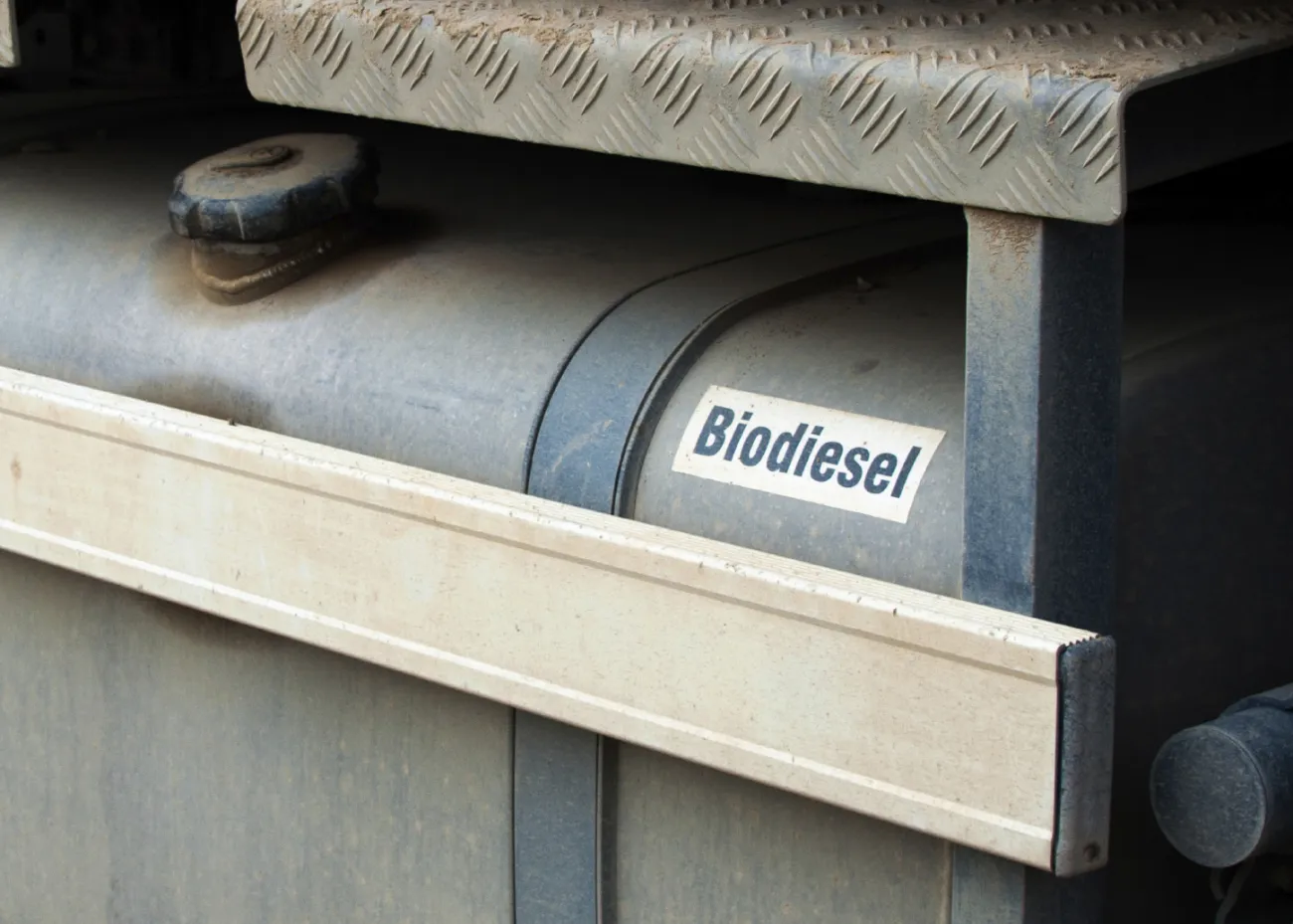
A European drive to run vehicles on biofuels to be reviewed
A European drive to run vehicles on biofuels instead of petrol and diesel to reduce greenhouse gas emissions is to be reviewed after concerns about its environmental impact.
Read
Resource
Cool Farming: Climate impacts of agriculture and mitigation potential
This report, published by Greenpeace International was written by researchers from the University of Aberdeen. It puts agriculture’s global contribution to GHG emissions at 17 and 32% of all human-induced GHG emissions, including land use changes. However, it also says that agriculture has a significant climate change mitigation potential, which could change the position of agriculture from the second largest emitter to a much smaller emitter or even a net sink. Mitigation options fall into the following categories: Cropland management Grazing management
Read
Resource
$100 a Barrel of Oil: Impacts on the sustainability of food supply in the UK
Published by the Sustainable Development Commission, a new study undertaken by ADAS, starting with the premise that oil prices reach $100/barrel of oil, explores: The direct impact of increased energy prices upon UK farm businesses, with consideration to the potential for a change in farm practice. The wider impact of increased energy prices on the UK food supply chain, and hence the competitiveness of the UK agricultural industry. This report makes the following key findings:
Read
Resource
Can Britain Feed Itself?
Written by Simon Fairlie (editor of The Land magazine, and head of Chapter 7, an organization providing lobbying and planning advice for smallholders, caravan and shack dwellers and similar low income rural people) and taking as its starting point a short book written by the Scottish ecologist Kenneth Mellanby in 1975 called Can Britain Feed Itself? (Mellanby’s answer was yes, if we eat less meat.) this article points out the way Mellanby worked it out ‘was simple, almost a back of the envelope job, but it provides a useful template for making similar calculati
Read
Resource
Swiss retailer goes for carbon labelling
Read
Resource
The environmental, social and economic impacts associated with liquid milk consumption in the UK and its production
Read
Resource
UK GHG emissions exported to other countries
The UK has only managed to cut its GHG emissions by exporting them to other countries, according to research by Dieter Helm, a government advisor and professor at Oxford University. Including emissions from imported goods and international transport, its emissions have risen by a fifth since 1990.
Read
  • VIEW MORE

Sign up for Fodder, our monthly newsletter unpacking the future of food.

Tick below to opt-in to email communications.

You can change your mind at any time by clicking the unsubscribe link in the footer of any email you receive from us, or by contacting us at info@tabledebates.org.

We use Mailchimp as our marketing platform. By clicking below to subscribe, you acknowledge that your information will be transferred to Mailchimp for processing. Learn more about Mailchimp's privacy practices.
  • Glossary
  • About
  • Our Writing
  • Podcasts
  • Resources

Social

YouTube Facebook Instagram

© Copyright 2025

A collaboration between: