Close
Login Register
Search
  • About
    • What We Do
    • Who We Are
    • FAQs
  • Our Writing
    • Explainers
    • Essays
    • Letterbox
    • Reports & More
  • Podcasts
  • Our Events
  • Projects
    • Power In The Food Systems
    • Local-Global Scale Project
    • MEAT: The Four Futures Podcast
    • Fuel To Fork
    • Nature
    • Reckoning with Regeneration
    • SHIFT
    • Games at TABLE
    • Rethinking the Global Soy Dilemma
  • Resources
  • Opportunities
    • Jobs
    • Funding
    • Courses
    • Collaborations
    • Events
  • Newsletter
  • TABLE (EN)
Search
Back

TABLE

Image
Resource
UN FAO - Food wastage footprint & Climate Change
This FAO brief on food waste discusses the carbon footprint of global food waste and so called embedded emissions in avoidable food waste. In order to measure the avoidable emissions it is necessary to know how much of what kind of food is wasted and where.
Read
Image
Resource
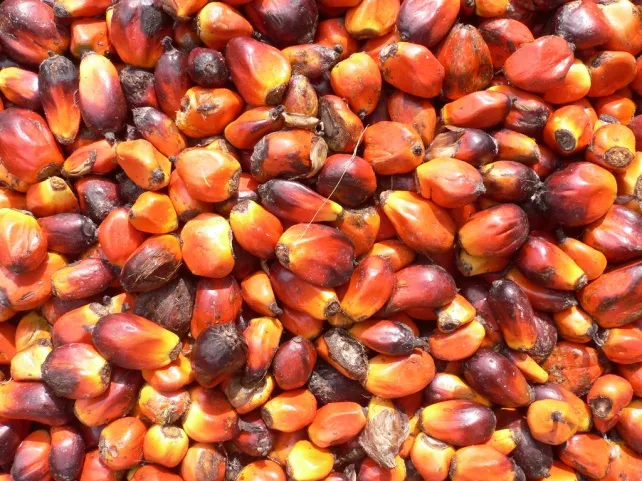
State of play in UK sustainable palm oil strides
This report from the UK’s Department for Environment, Food and Rural Affairs (Defra), reports that there has been 'steady' progress on certified sustainable palm oil use ­ with palm oil imports 72% sustainable in 2014 - up from 55% in 2013.
Read
Image
Resource
In the UK tax on sugary drinks is backed by MPs
A new report by the Commons’ Health Committee discusses the potential of implementing a sugary drink tax as a way of combating child obesity. Sugary drinks are the largest sources of sugar for 11 to 18 year-olds and there is increasing concern over the effects of sugar on people’s health, particularly the health of children and teenagers.
Read
Image
Resource
Alternatives to Nitrite in Processed Meat
Nitrite is used by the food industry as a preservation agent for meat products. Nitrite has multiple functions, it prevents lipid oxidation, maintains microbial quality and preserves flavour and colour. One of the main concerns of consumers is the possible carcinogenic effect nitrite could have in some meat products after the curing process (as reported by the WHO recently: see FCRN coverage here).
Read
Image
Resource
Thesis: Sustainability assessment of urban rooftop farming using an interdisciplinary approach
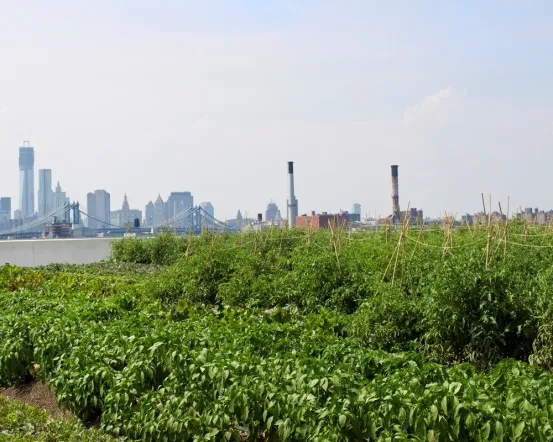
This thesis by PhD student Esther Sanyé-Mengual (Autonomous University of Barcelona) discusses urban rooftop farming, its potential and its associated environmental impacts and economic costs.
Read
Image
Resource
Study argues that scarcity, not abundance, enhances consumer creativity
This paper entitled Creating When You Have Less: The Impact of Resource Scarcity on Product Use Creativity, argues that resource scarcity actually translates into enhanced consumer product-use creativity.
Read
Image
Resource
The role of Supplier Relationship Management in reducing Greenhouse Gas emissions from food supply chains: Supplier engagement in the UK supermarket sector
This paper looks at how supplier relationship management impacts emission levels from food supply chains. It investigates the influence of corporate Supplier Engagement Programmes (SEP) and the limitations of SEP-led improvements. Supplier Engagement Programmes are programmes set up to allow supermarkets to, for example, review carbon reduction measures and request GHG emissions and other data from their suppliers.
Read
Image
Resource
Reducing the land use of EU pork production: where there's swill, there's a way
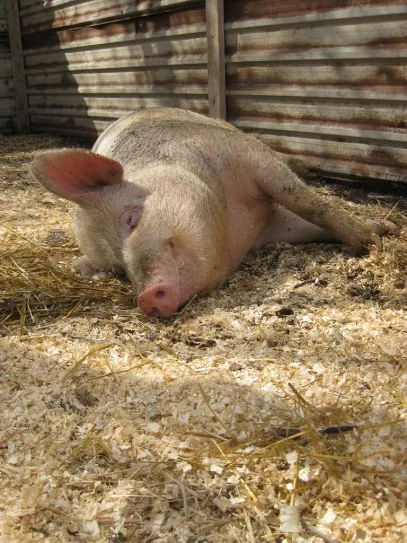
This paper discusses the use of food waste as a feed source for pigs reared for pork in the EU, the current policy landscape and implications for agricultural land use, profits and pork production of using waste as feed.  The authors find that re-legalising the use of food waste as pig feed in the EU could spare 1.8 million hectares of global agricultural land, improve profitability for many farmers, and produce pork of high quality.
Read
Image
Resource
Effects of an environmental tax on meat and dairy consumption in Sweden
Meat and dairy consumption have increased globally over the past fifty years. As livestock account for 80% of agriculture’s total greenhouse gas (GHG) emissions, this article argues that to achieve climate targets, humans need to change their dietary habits.
Read
  • VIEW MORE

Sign up for Fodder, our monthly newsletter unpacking the future of food.

Tick below to opt-in to email communications.

You can change your mind at any time by clicking the unsubscribe link in the footer of any email you receive from us, or by contacting us at info@tabledebates.org.

We use Mailchimp as our marketing platform. By clicking below to subscribe, you acknowledge that your information will be transferred to Mailchimp for processing. Learn more about Mailchimp's privacy practices.
  • Glossary
  • About
  • Our Writing
  • Podcasts
  • Resources

Social

YouTube Facebook Instagram

© Copyright 2025

A collaboration between: