Close
Login Register
Search
  • About
    • What We Do
    • Who We Are
    • FAQs
  • Our Writing
    • Explainers
    • Essays
    • Letterbox
    • Reports & More
  • Podcasts
  • Our Events
  • Projects
    • Power In The Food Systems
    • Local-Global Scale Project
    • MEAT: The Four Futures Podcast
    • Fuel To Fork
    • Nature
    • Reckoning with Regeneration
    • SHIFT
    • Games at TABLE
    • Rethinking the Global Soy Dilemma
  • Resources
  • Opportunities
    • Jobs
    • Funding
    • Courses
    • Collaborations
    • Events
  • Newsletter
  • TABLE (EN)
Search
Back

TABLE

Image
Reports
Guide to pesticides in fruit and vegetables
This report by the US non-profit Environmental Working Group analyses pesticide residue data from the US Department of Agriculture. It concludes that around 70% of produce in the US is sold with pesticide residues, with particularly high levels in strawberries, spinach and kale and relatively low levels in avocados, sweetcorn and pineapples.
Read
Image
Reports
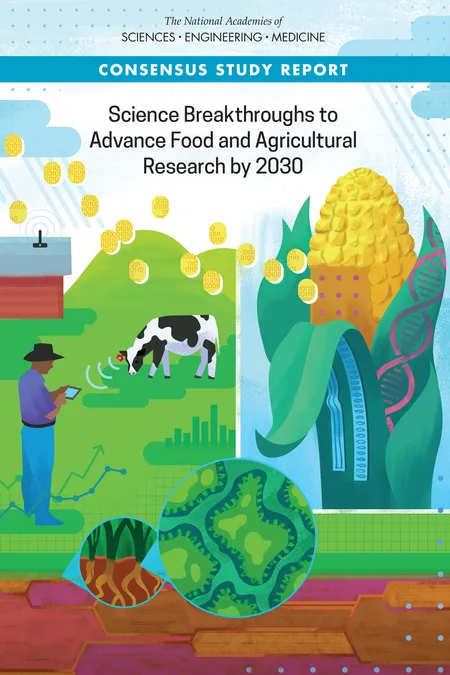
Science breakthroughs for food and agricultural research
This report from the US National Academies of Sciences, Engineering, and Medicine identifies emerging scientific advances that could help to make the US food system more resilient to rapid changes and extreme conditions, as well as making agriculture more efficient and sustainable.
Read
Image
Reports
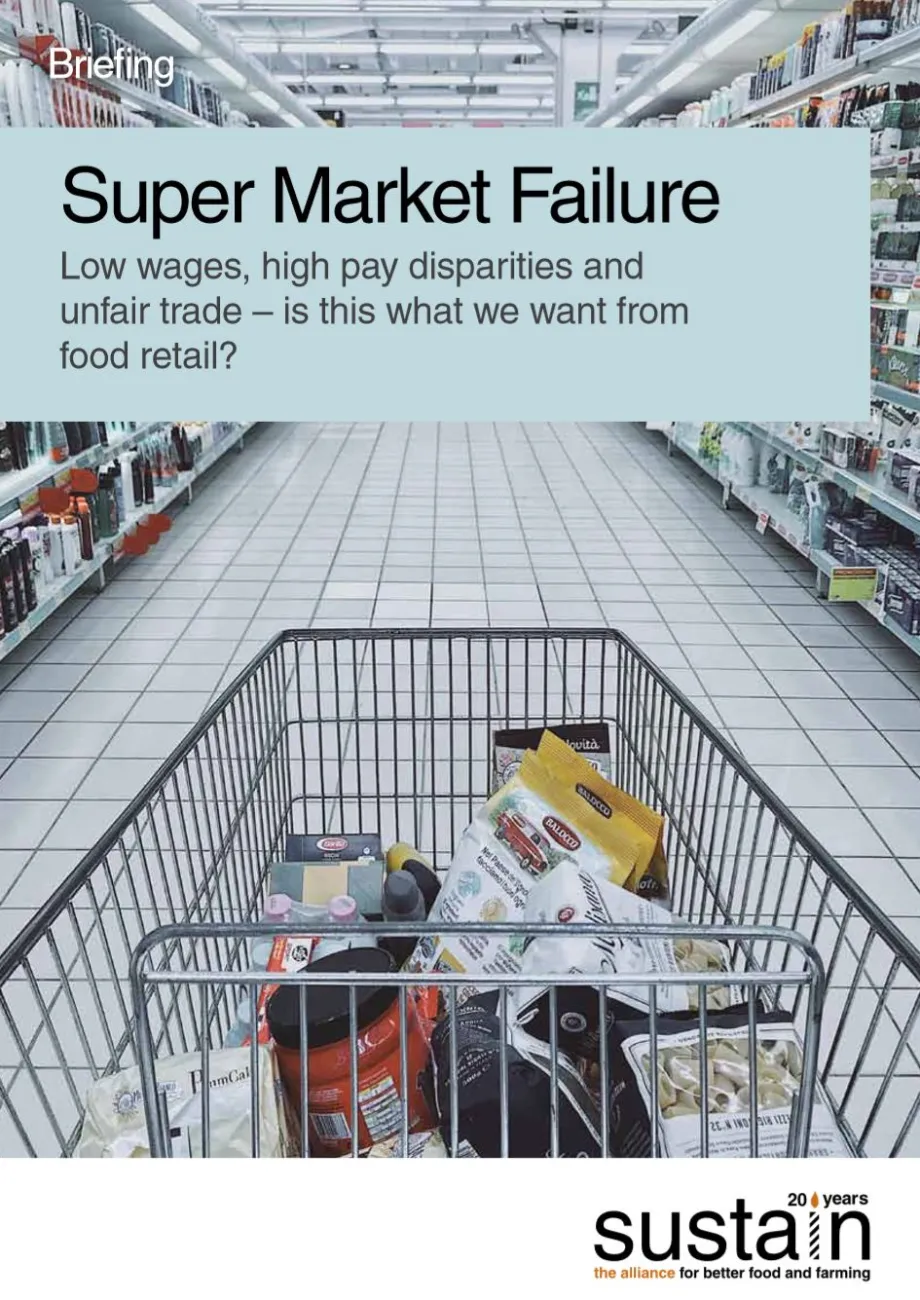
Research briefing: Super market failure
This research briefing from UK charity Sustain assesses which of the UK’s 13 largest supermarket chains pays employees a Living Wage, the ratio between the salaries of their lowest and highest paid workers, as well as their approach to grocery market regulation.
Read
Image
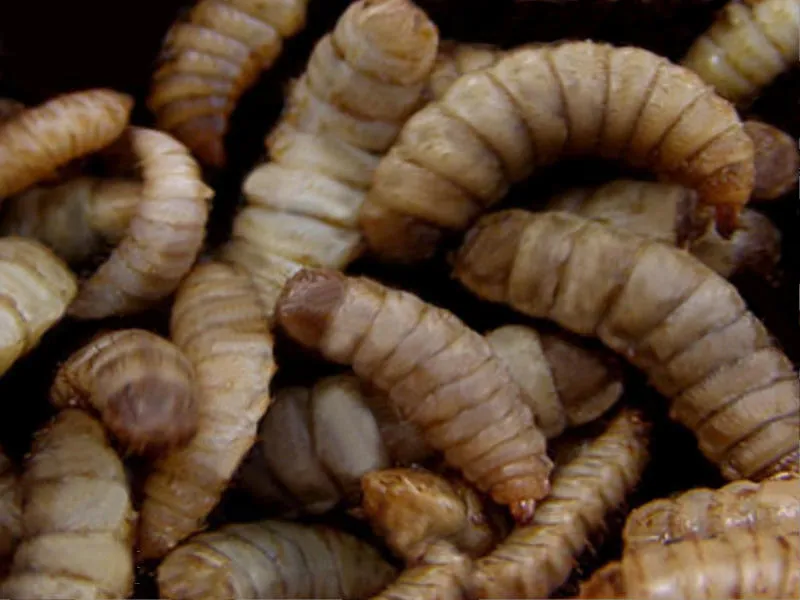
Image: MD-Terraristik, larvae of the black soldier fly, Wikimedia Commons, Public domain
Journal articles
Black soldier fly for feed and food: a life cycle assessment
This paper provides an assessment of the environmental impacts of converting waste streams from the food industry into products such as fertiliser, pet food, livestock feed or feed additives using the larvae of Hermetia illucens, the black soldier fly.
Read
Image
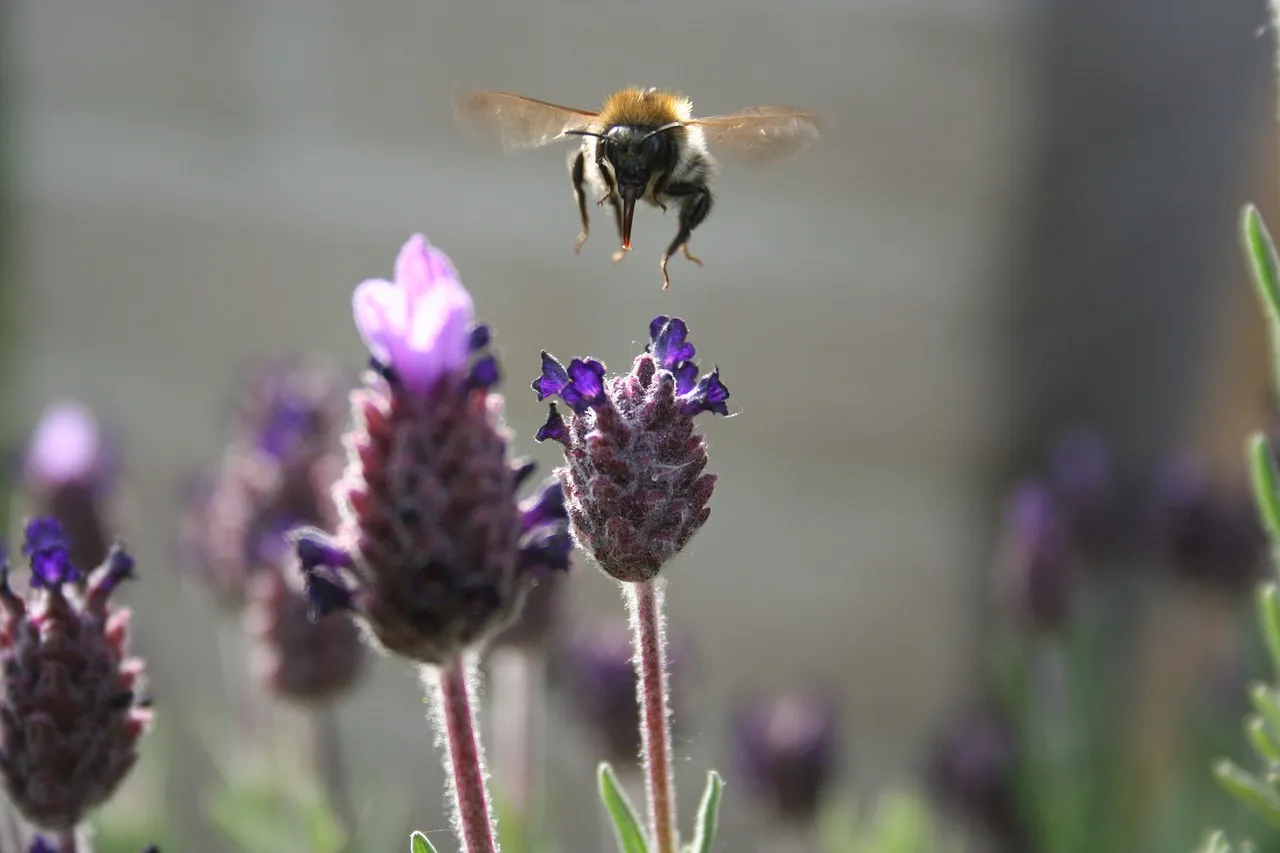
Image: MichelAelbrecht, Bee nature lavender, Pixabay, Pixabay licence
Journal articles
Agriculturally dominated landscapes reduce pollination services
This paper shows that pollinator services in agricultural landscapes that have been highly altered from their natural state are lower than would be predicted from a simple count of pollinator species. The paper bases its estimates on a study of the evolutionary relationships between pollinators and extensive surveys of pollinators.
Read
Image
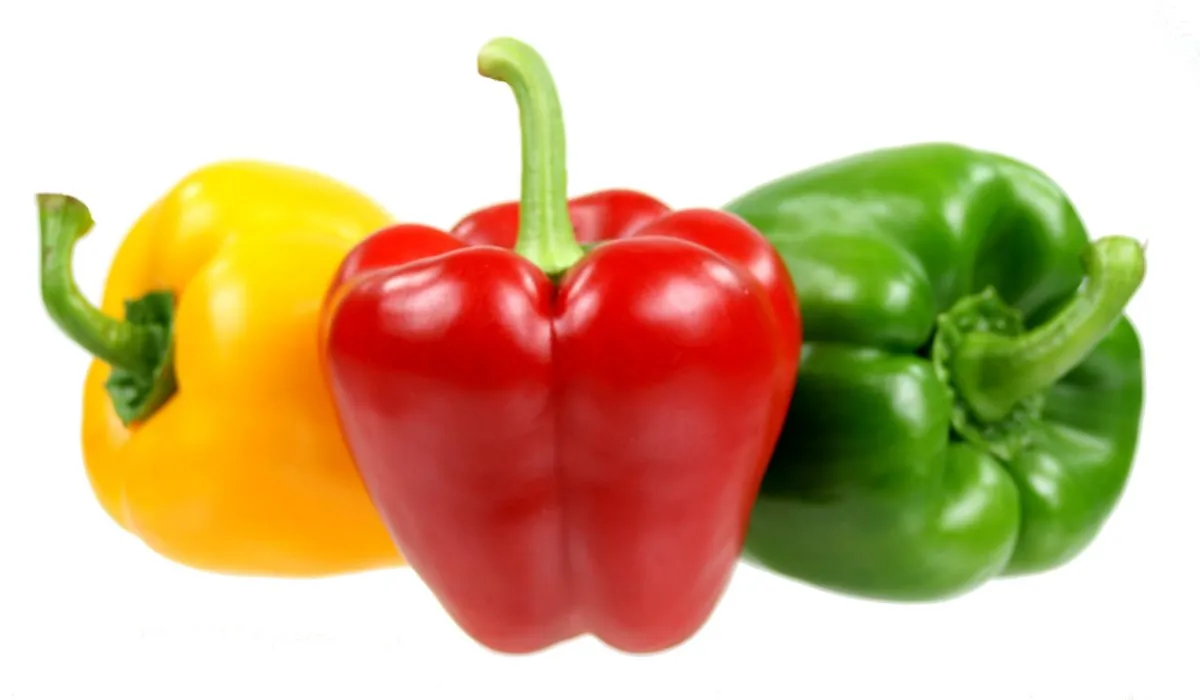
Image: Nick Youngson, Bell peppers, Picserver, Creative Commons Attribution-ShareAlike 3.0 Unported
Featured articles
Traffic light labelling of meals for health and sustainability
In two experiments where participants were asked to choose between hypothetical canteen meals, “traffic light labelling” (red, amber or green labels) of different meal options was found to shift meal choices towards those lower in carbon emissions and calorie content.
Read
Image
News and resources
Blog post: Diluting food safety by stealth - UK food after Brexit
In this blog post for the UK Food Research Collaboration, researchers Tony Lewis and Erik Millstone note that the UK’s draft replacement regulations for governing food after the UK leaves the European Union (EU) allow the government to relax requirements on food traceability. The authors argue that the government may be preparing to accept lower food standards to minimise supply disruptions in the event of leaving the EU without a withdrawal agreement.
Read
Image
News and resources
Online tool: Antimicrobial resistance in Europe
This interactive tool from the European Food Safety Authority presents data on resistance to several types of antimicrobials among humans, pigs and cattle.
Read
Image
Books
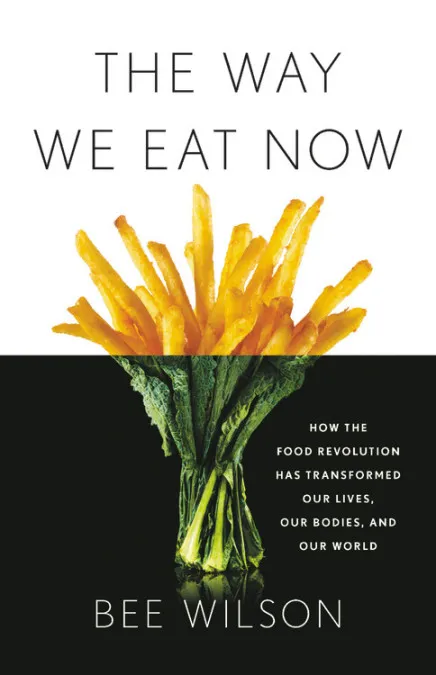
The way we eat now
This book by Bee Wilson explores how changing diets affect health, social interactions and the wider world.
Read
  • VIEW MORE

Sign up for Fodder, our monthly newsletter unpacking the future of food.

Tick below to opt-in to email communications.

You can change your mind at any time by clicking the unsubscribe link in the footer of any email you receive from us, or by contacting us at info@tabledebates.org.

We use Mailchimp as our marketing platform. By clicking below to subscribe, you acknowledge that your information will be transferred to Mailchimp for processing. Learn more about Mailchimp's privacy practices.

  • Glossary
  • About
  • Our Writing
  • Podcasts
  • Resources

Social

YouTube Facebook Instagram

© Copyright 2025

A collaboration between: