Close
Login Register
Search
  • About
    • What We Do
    • Who We Are
    • FAQs
  • Our Writing
    • Explainers
    • Essays
    • Letterbox
    • Reports & More
  • Podcasts
  • Our Events
  • Projects
    • Power In The Food Systems
    • Local-Global Scale Project
    • MEAT: The Four Futures Podcast
    • Fuel To Fork
    • Nature
    • Reckoning with Regeneration
    • SHIFT
    • Games at TABLE
    • Rethinking the Global Soy Dilemma
  • Resources
  • Opportunities
    • Jobs
    • Funding
    • Courses
    • Collaborations
    • Events
  • Newsletter
  • TABLE (EN)
Search
Back

TABLE

Image
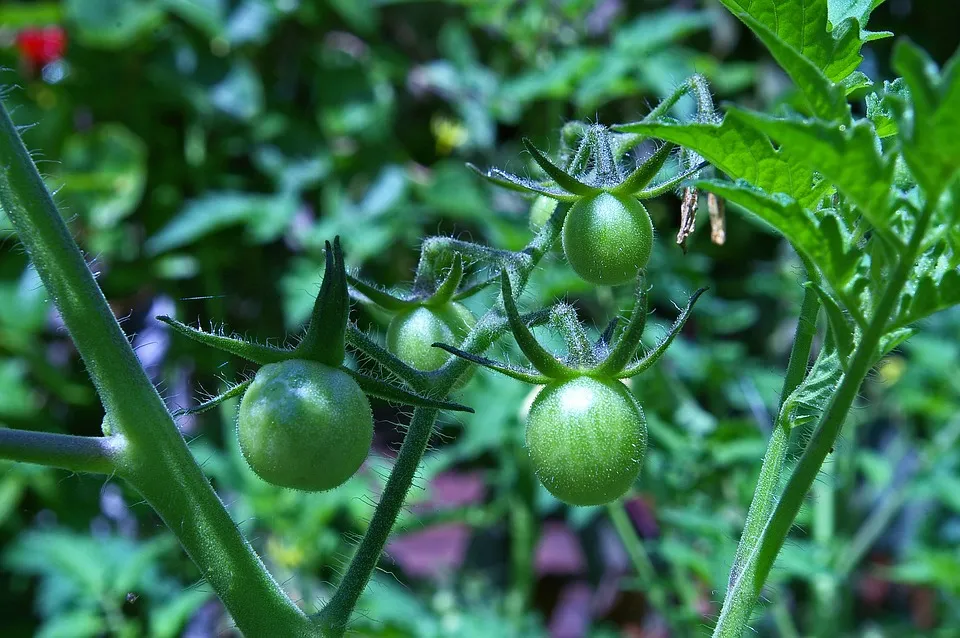
Image: KRiemer, Tomatoes Fried Green, Pixabay, Pixabay Licence
Journal articles
The hidden potential of urban horticulture
This paper uses a case study of Sheffield, UK, to explore the area of land potentially available to grow fruit and vegetables within urban areas, including both soil-based horticulture as well as soil-free controlled-environment horticulture on flat roofs. 
Read
Image
Image: USDA NRCS Montana, Soil Survey, Flickr, Public domain
Featured articles
The role of soil carbon in natural climate solutions
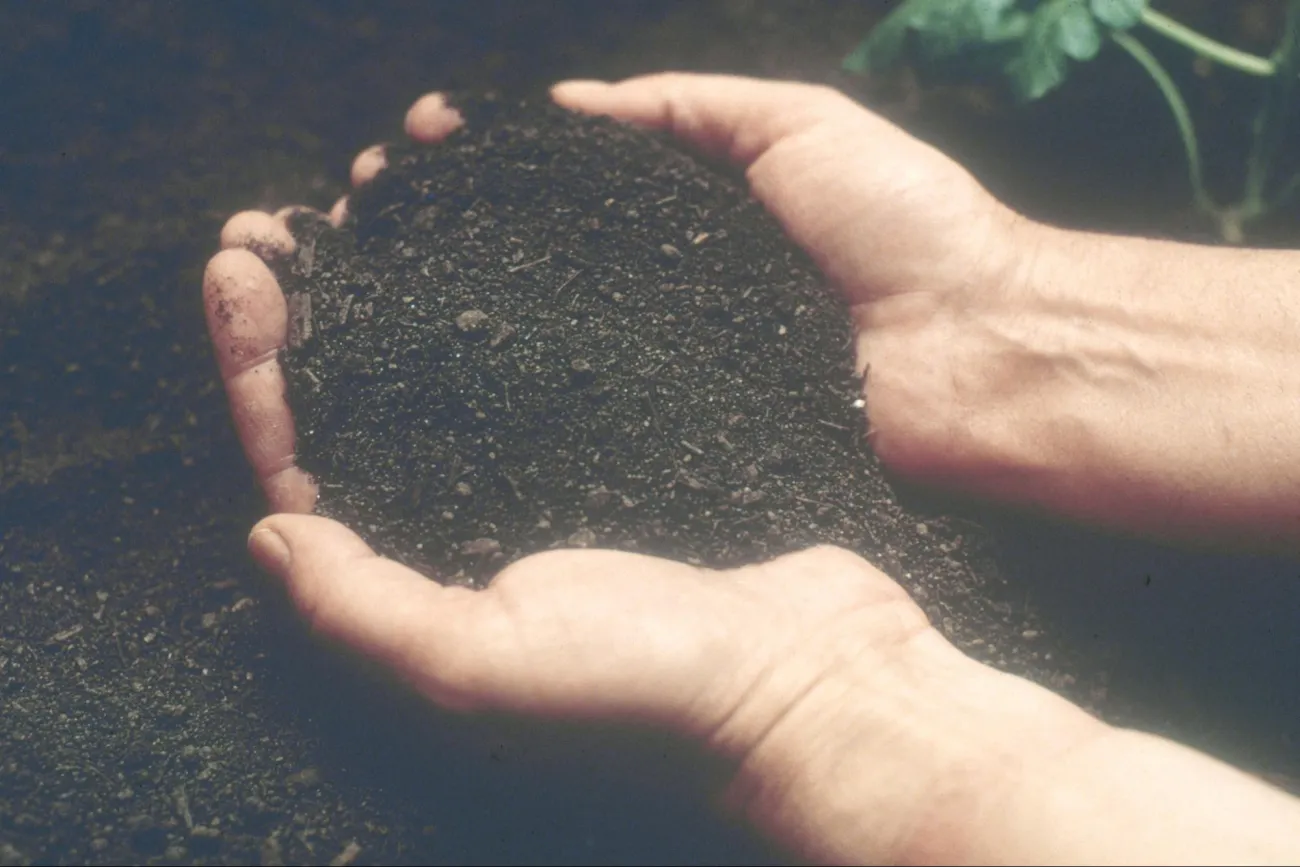
This paper reviews the evidence base around using soil organic carbon as a climate change mitigation measure. It notes that such climate solutions encompass both increasing soil carbon in soils that have not reached their maximum possible carbon content, and conserving carbon in soils that already have a high carbon content (thus avoiding losses that might otherwise have taken place).
Read
Image
News and resources
Five tough questions about net zero climate targets
This piece in the UK’s Independent newspaper, by several researchers from the University of Oxford, sets out five questions that (they argue) should be considered by any policymaker or business setting a “net zero” greenhouse gas emissions target.
Read
Image
News and resources
Podcast: Food and heritage
This podcast by the research programme Praxis: Arts and Humanities for Global Challenges discusses interdisciplinary research, balancing priorities of preserving local food varieties with feeding the population and the future food research agenda.
Read
Image
News and resources
Coronavirus and food: a reading list
UK food waste NGO Feedback has curated a list of recommended reading on how the coronavirus (COVID-19) crisis is linked to food systems, including the origins of the pandemic and the effects it is having on food supply chains. 
Read
Image
News and resources
Coronavirus: Tim Lang calls for food rationing
In this piece in The Conversation, Tim Lang (Professor of Food Policy at City, University of London) argues that the coronavirus (COVID-19) crisis exposes the fragility of the UK’s food supply chain, with limited storage, a just-in-time supply model, and nearly half of the UK’s food being imported. Lang calls for a food rationing system to be introduced to ensure everyone has access to food (read Lang’s letter to the UK Prime Minister here).
Read
Image
Books
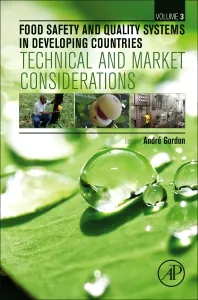
Food safety & quality systems in developing countries
This book provides technical information on food safety and quality in developing countries, using case studies of various types of food including spices, cassava, fruits and vegetables and beverages.
Read
Image
Reports
Food among top perceived global systemic risks
This report from global network Future Earth identifies the risks perceived by scientists to be most likely to lead to a global systemic crisis. Most of the scientists interviewed mentioned at least four of the five following risks: food, climate change, extreme weather, biodiversity loss and water. 
Read
Image
Reports
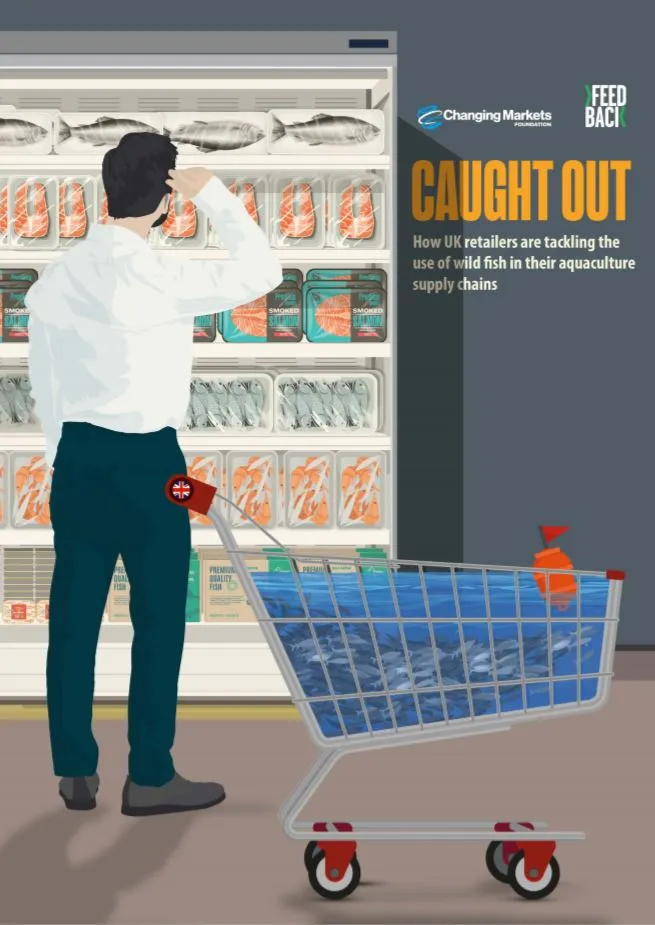
The aquaculture sustainability of UK supermarkets
This report from UK food waste NGO Feedback and the Changing Markets Foundation assesses ten UK supermarkets on their aquaculture supply chain policies and practices, particularly regarding the use of wild fish as feed for farmed fish. Seven out of ten supermarkets scored less than 30%, with ALDI performing worst at 12% and Tesco performing best at 60%. The report finds that aquaculture operations for UK supermarkets consumed 2.5 times as much wild fish as the amount of farmed fish produced.
Read
  • VIEW MORE

Sign up for Fodder, our monthly newsletter unpacking the future of food.

Tick below to opt-in to email communications.

You can change your mind at any time by clicking the unsubscribe link in the footer of any email you receive from us, or by contacting us at info@tabledebates.org.

We use Mailchimp as our marketing platform. By clicking below to subscribe, you acknowledge that your information will be transferred to Mailchimp for processing. Learn more about Mailchimp's privacy practices.
  • Glossary
  • About
  • Our Writing
  • Podcasts
  • Resources

Social

YouTube Facebook Instagram

© Copyright 2025

A collaboration between: