Close
Login Register
Search
  • About
    • What We Do
    • Who We Are
    • FAQs
  • Our Writing
    • Explainers
    • Essays
    • Letterbox
    • Reports & More
  • Podcasts
  • Our Events
  • Projects
    • Power In The Food Systems
    • Local-Global Scale Project
    • MEAT: The Four Futures Podcast
    • Fuel To Fork
    • Nature
    • Reckoning with Regeneration
    • SHIFT
    • Games at TABLE
    • Rethinking the Global Soy Dilemma
  • Resources
  • Opportunities
    • Jobs
    • Funding
    • Courses
    • Collaborations
    • Events
  • Newsletter
  • TABLE (EN)
Search
Back

Samuel Lee-Gammage

Image
Foodsource
Explainer
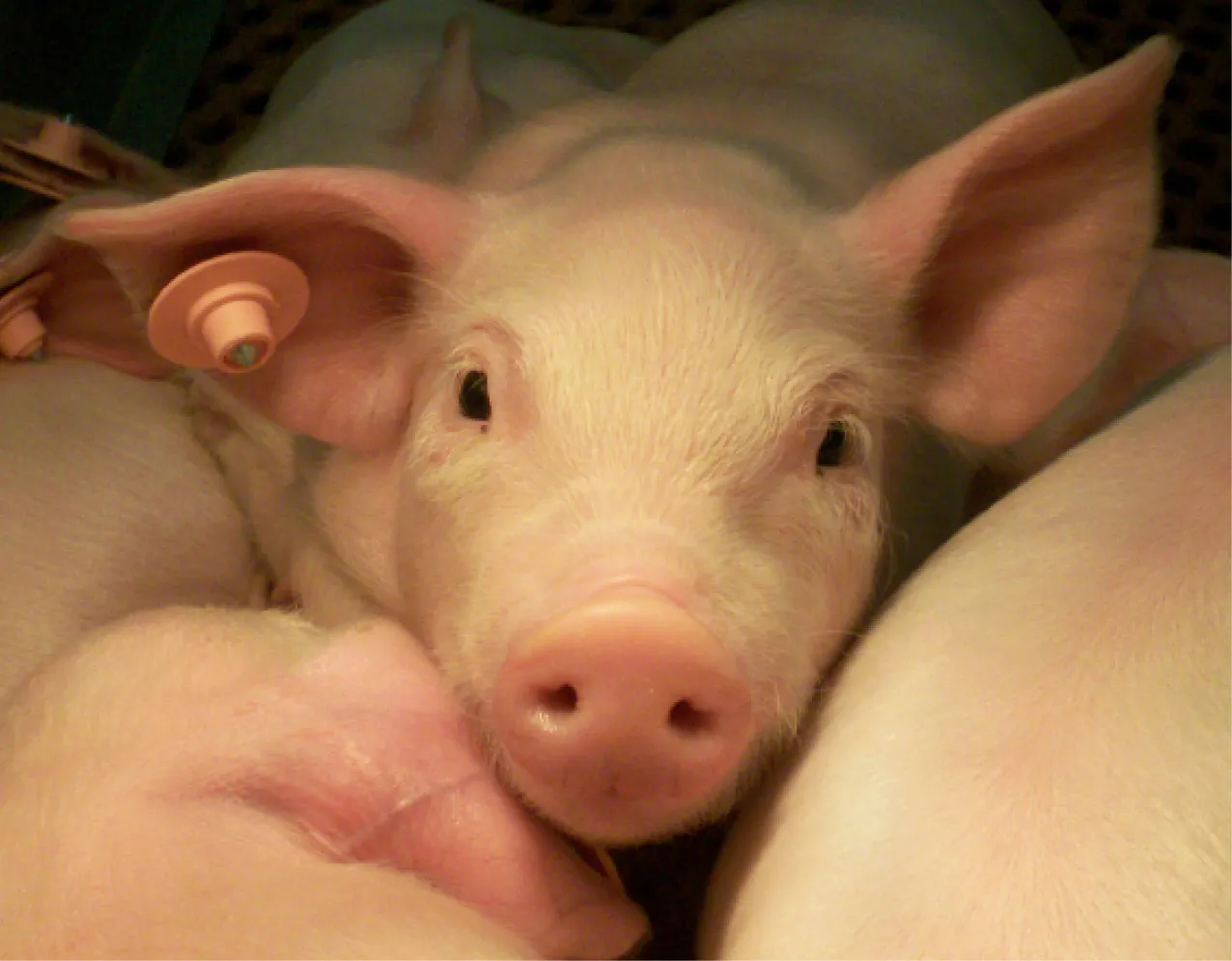
What is the connection between infectious diseases in humans and livestock?
Diseases that pass between animals and humans are responsible for many of the diseases affecting people worldwide, especially in developing countries. Animals (wild and domestic) also play an important role in the emergence and spread of entirely novel human diseases, with the potential for large impacts on human health, such as bird flu. Another aspect of this to which livestock contribute, is the rise and spread of resistance to antibiotic drugs. One outcome of sustainable food systems is that they should be health promoting. It is, therefore, useful to understand the interconnection between infectious diseases in human and animals, and how these risks may be amplified or reduced by changes in farming systems.
Read
Image
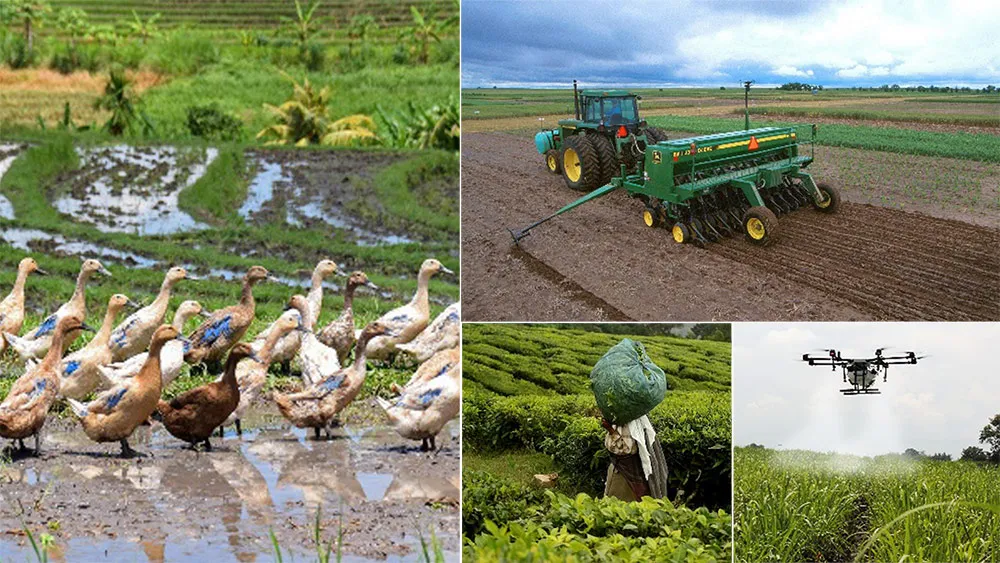
Photo credits: https://commons.wikimedia.org/wiki/File:Tea_workers_carrying_tea_sacks_JEG9535.jpg https://pxhere.com/en/photo/1169385 https://pixabay.com/nl/tractor-voertuigen-boerderij-387275/ https://pixabay.com/nl/het-spuiten-van-suikerriet-suikerriet-2746350/
Explainer
What is sustainable intensification?
New approaches to agriculture are required if we are to reduce the environmental impacts of farming while also feeding more people with a sufficient quantity and diversity of nutritious and safe foods. This building block explains the concept of sustainable intensification. Last update: 18 June, 2018 https://www.doi.org/10.56661/075f639f
Read
Image
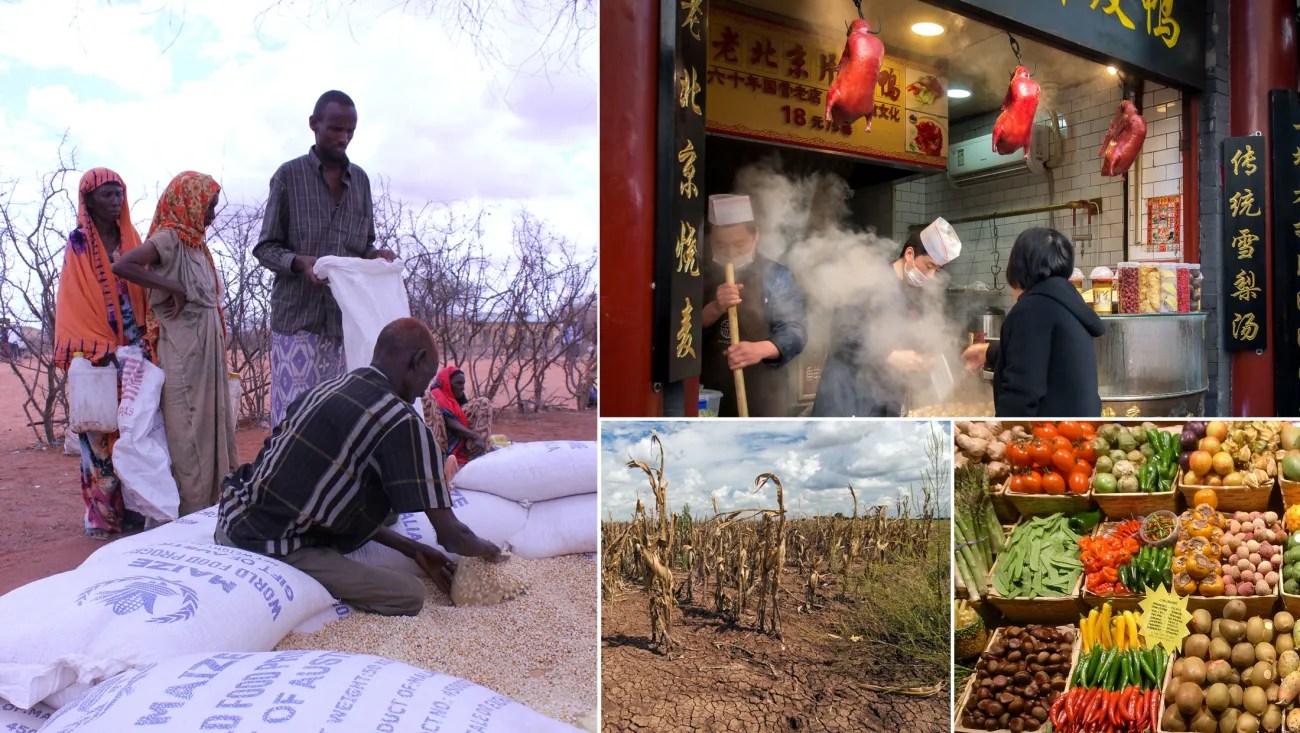
Image montage (clockwise from left): DFAT, A_Peach, Jon Aslund and USDA via Flickr
Explainer
What is food security?
Being able to reliably obtain, consume and metabolise sufficient quantities of safe and nutritious and foods, is essential to human well-being. This building block explains the meaning of the food security concept.    Last update: 12 March, 2018 https://www.doi.org/10.56661/e49a6c96
Read
Image
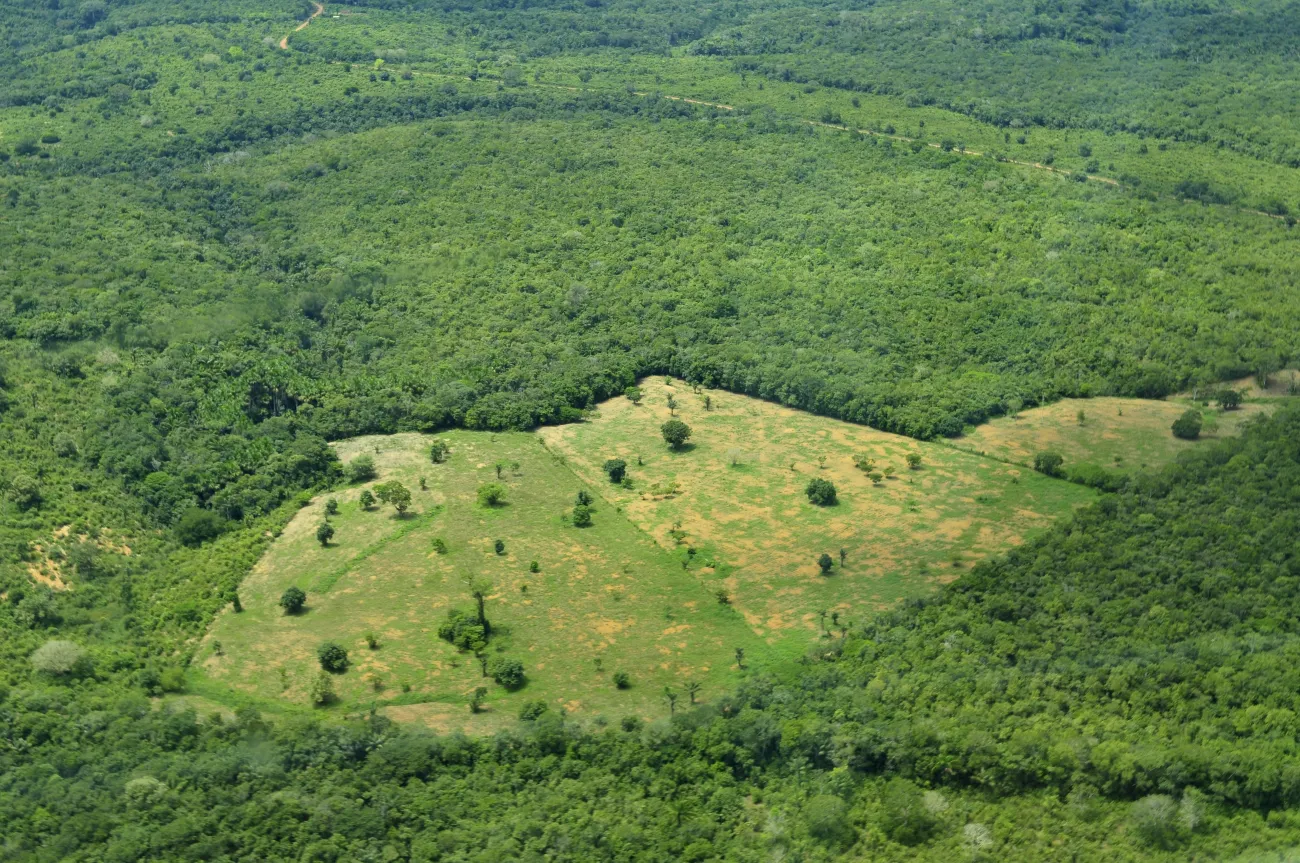
Amazon land use by CIAT via Flickr
Explainer
What is land use and land use change?
Human use and alteration of land has profound effects on the environment, both locally where it takes place, and at the planetary scale via climate change and other mechanisms.  This building block explains what is meant by land use and land use change, both direct and indirect. Last update: 06 February, 2018 https://www.doi.org/10.56661/4af265b4
Read
Image
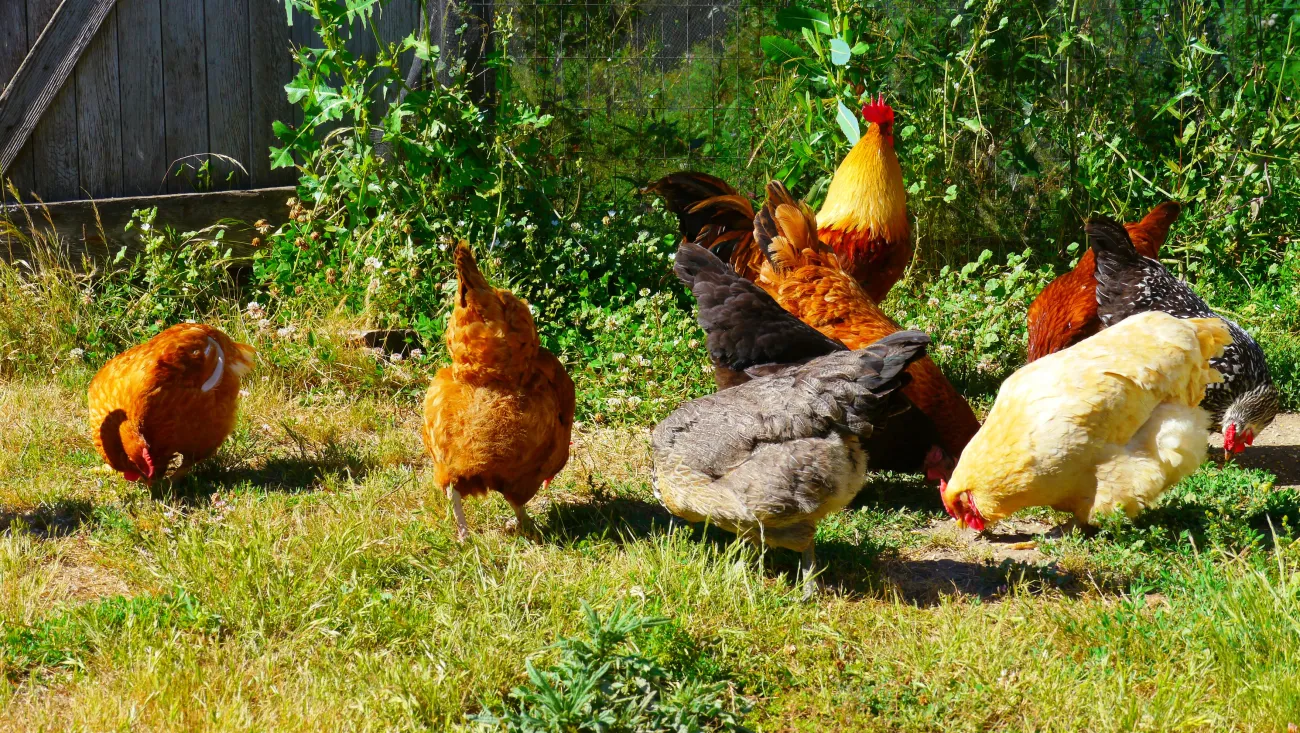
Chickens at Johnson Farms by Rick Obst via Flickr
Explainer
What is animal welfare?
The role of animals in food systems, and the degree to which their needs should be accounted for as compared to humans, are ethical issues about which there is both concern and disagreement.  This building block explains what is meant by the concept of animal welfare. Last update: 15 Dec, 2017 https://www.doi.org/10.56661/ad46e825
Read
Image
Explainer
What are food systems?
Many social, economic, moral, and environmental concerns are interconnected and interact with each other through food, and do so in complex ways. In order to understand this, we need to apply a 'systems thinking' approach to food. This building block explains what is meant by the term 'food system' and provides a brief introduction to the food systems approach.  Last update: 15 Dec, 2017 https://www.doi.org/10.56661/be6ff2e7
Read
Image
A woman shuffles through documents. Photo by Anastassia Anufrieva via Unsplash.
Essay
Who will win in the battle over sustainability in the Dietary Guidelines for Americans, science or special interests?
In this piece, Samual Lee-Gammage offers his personal take on the debate around the US Dietary guidelines, and the recommendation of the guidelines committee that sustainability dimensions be incorporated into the forthcoming version.  He also offers information about what researchers can do to support the scientific recommendations of the committee.Samuel is the Research Director for the Food Choice Taskforce (FCT), where he is responsible for knowledge management and resource development to communicate the potential of dietary shifts for public and environmental health. Samuel holds an MSc in Environmental Change and Management from the University of Oxford and also holds a BSc in Environmental Geosciences, from the University of Bristol.
Read

Sign up for Fodder, our monthly newsletter unpacking the future of food.

Tick below to opt-in to email communications.

You can change your mind at any time by clicking the unsubscribe link in the footer of any email you receive from us, or by contacting us at info@tabledebates.org.

We use Mailchimp as our marketing platform. By clicking below to subscribe, you acknowledge that your information will be transferred to Mailchimp for processing. Learn more about Mailchimp's privacy practices.
  • Glossary
  • About
  • Our Writing
  • Podcasts
  • Resources

Social

YouTube Facebook Instagram

© Copyright 2025

A collaboration between: