Close
Login Register
Search
  • About
    • What We Do
    • Who We Are
    • FAQs
  • Our Writing
    • Explainers
    • Essays
    • Letterbox
    • Reports & More
  • Podcasts
  • Our Events
  • Projects
    • Power In The Food Systems
    • Local-Global Scale Project
    • MEAT: The Four Futures Podcast
    • Fuel To Fork
    • Nature
    • Reckoning with Regeneration
    • SHIFT
    • Games at TABLE
    • Rethinking the Global Soy Dilemma
  • Resources
  • Opportunities
    • Jobs
    • Funding
    • Courses
    • Collaborations
    • Events
  • Newsletter
  • TABLE (EN)
Search
Back

Mike Hamm

Image
Jars of dry goods in a pantry. Photo by Luisa Brimble via Unsplash.
Essay
New commentary on Tom et al paper: Energy use, GHG and blue water impacts of scenarios where US diet aligns with new USDA dietary recommendations
In this piece, FCRN member Professor Michael W. Hamm provides a short commentary on a paper featured and discussed previously by the FCRN. Full citation for the paper is as follows: (Tom, M, Fischbeck, P.S., and Hendrickson, C.T. (2015) “Energy use, blue water footprint, and greenhouse gas emissions for current food consumption patterns and dietary recommendations in the US” Environ Syst Decis, DOI 10.1007/s10669-015-9577-y).Mike is a Senior Fellow at the Center for Regional Food Systems at Michigan State University.For other blogs Mike has written for the FCRN, see: Feeding cities - with indoor vertical farms?, the 3 part blog-series on City region food systems and lastly, his post about the inclusion of sustainability considerations in the US dietary guidelines report.
Read
Image
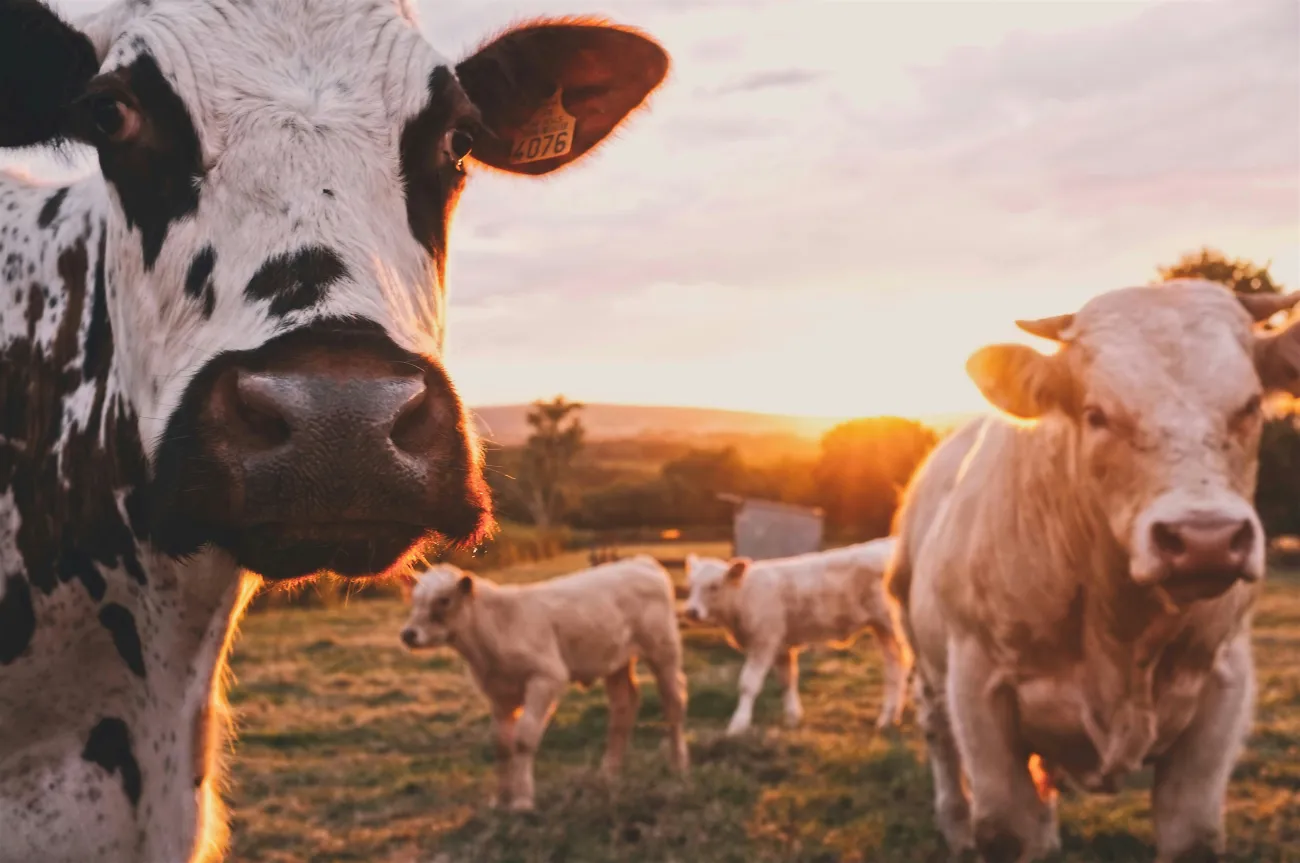
Beef cows in a pasture at sunset. Photo by Stijn te Strake via Unsplash.
Essay
City Region Food Systems - Part IIIB - Scale and Production Strategy
This piece is the third and last blog-post in Mike Hamm's series discussing city region food systems. The series has been exploring the value of city-region food systems, obstacles to their development, and possible ways forward.  Part I conceptualised the issues, and Part II discussed who the farmer of the future will be and how the United States might be fed in 2050. This last, Part III on scale and production strategy has been split into two so make sure you have read Part IIIA to get the full picture.This is the second of a two-part blog looking at scale and production strategy.  In the first, Mike Hamm critiqued the notion that large-scale, conventional agriculture produced largely in concentrated areas is the only way to feed the U.S. and the world.  In this piece, he critiques the notion that smaller-scale and alternative production strategies can feed the U.S. population and also considers a middle path of scale and production diversity. He invites your comments, suggestions, and criticisms.This post is written by FCRN member professor Michael W. Hamm, C.S. Mott Professor of Sustainable Agriculture at Michigan State University and Director of the MSU Center for Regional Food Systems. Mike is also a Visiting Fellow of Mansfield College and the Environmental Change Institute, University of Oxford. 
Read
Image
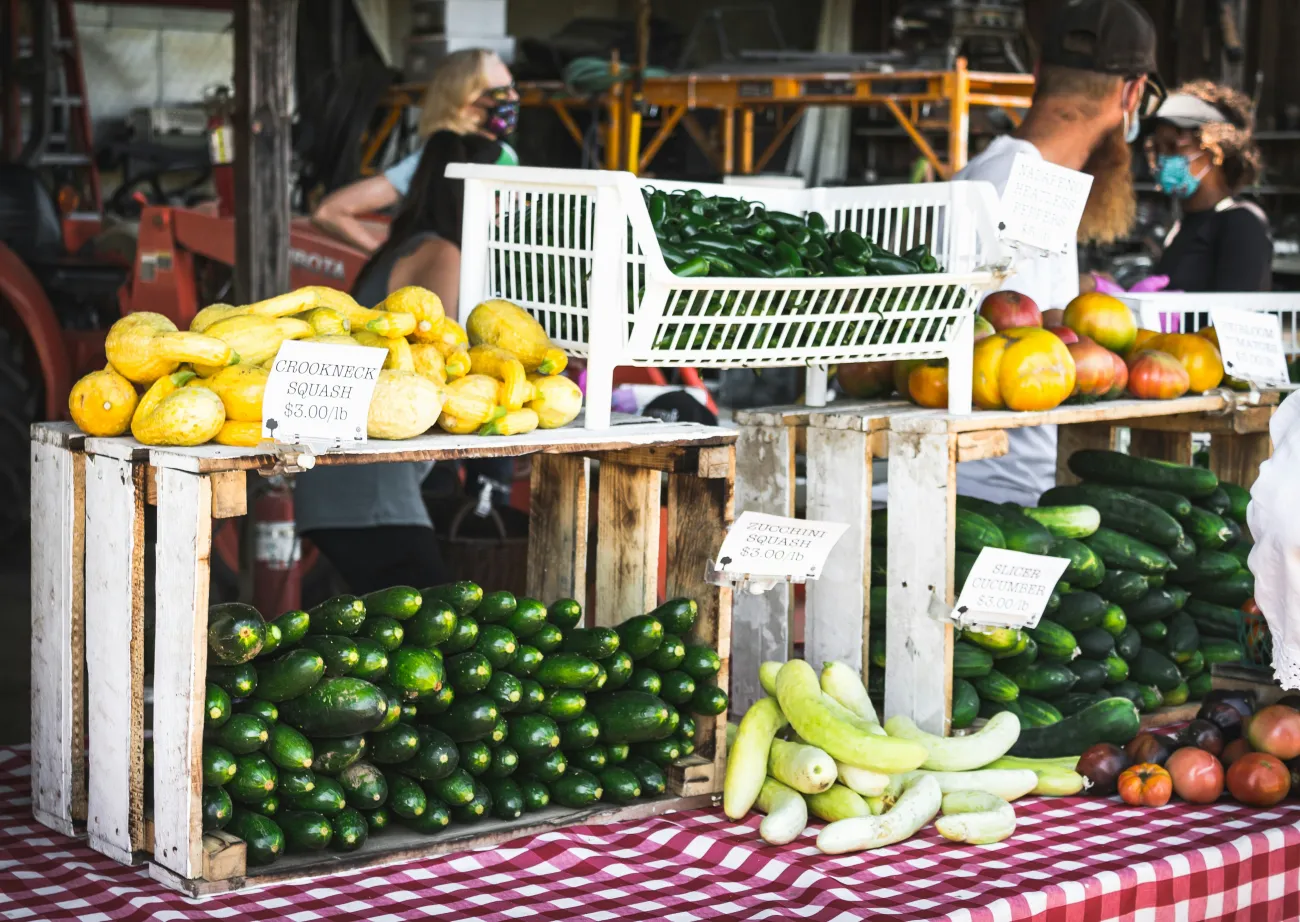
Vegetables arranged in wooden crates on a checkered table cloth. Photo by Quin Engle via Unsplash.
Essay
City Region Food Systems - Part IIIA – Scale and Production Strategy
This piece is the first of a two-part blog looking at scale and production strategy.  In this essay, Mike Hamm analyzes critiques of smaller-scale and alternative production strategies from several angles.  In the second, he will discuss problems inherent in the argument that small scale can feed the U.S. population and consider a middle path of scale and production diversity. As in the previous posts (Part I, Part II) – he invites your comments, suggestions, and criticisms.This is the third blog-post in his series discussing city region food systems. The series explores the value of city-region food systems, obstacles to their development, and possible ways forward; see Part I for a post which conceptualises the issues and Part II discusses who the farmer of the future will be and how the United States might be fed in 2050.This post is written by FCRN member professor Michael W. Hamm, C.S. Mott Professor of Sustainable Agriculture at Michigan State University and Director of the MSU Center for Regional Food Systems. Mike is also a Visiting Fellow of Mansfield College and the Environmental Change Institute, University of Oxford.
Read
Image
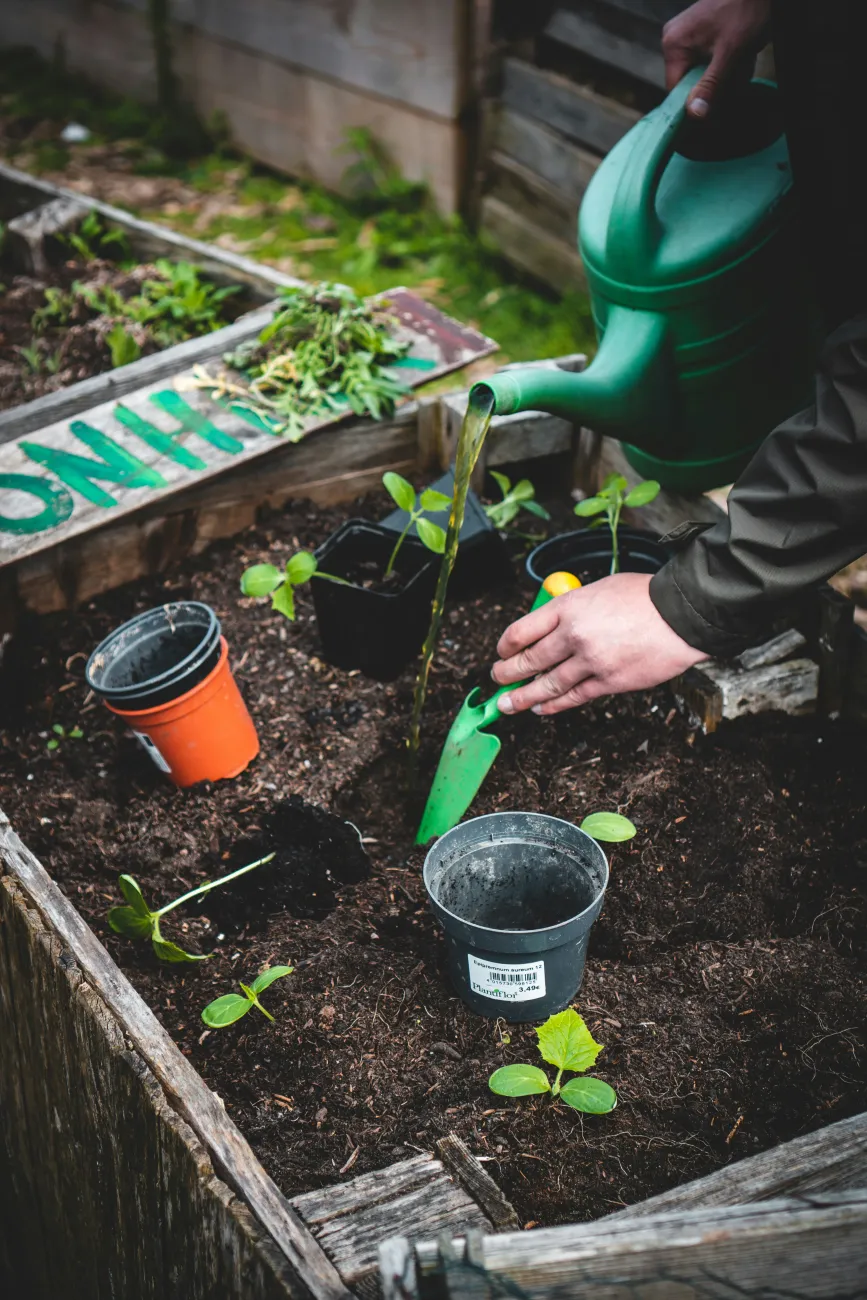
Water seedlings in a raised garden bed. Photo by Jonathan Kemper via Unsplash.
Essay
City Region Food Systems – Part II – Who Will Farm?
In this piece, Mike Hamm continues his thread on urban food systems, expanding into the nuances of production.This post is written by Michael W. Hamm, C.S. Mott Professor of Sustainable Agriculture at Michigan State University and Director of the MSU Center for Regional Food Systems. Mike is also a Visiting Fellow of Mansfield College and the Environmental Change Institute, University of Oxford, and an FCRN network member.
Read
Image
Highways crossing over an urban park. Photo by Denys Nevozhai via Unsplash.
Essay
City Region Food Systems – Part I – Conceptualization.
In this piece, FCRN-member Professor Michael Hamm discusses a number of contested issues linked to the challenges posed by growing urbanisation. This is the first in a short series of postings by Mike in which he explores the value of city-region food systems, obstacles to their development, and possible ways forward. Read the following parts in the blog-series by following these links:  Part II – Who Will Farm?, Part IIIA – Scale and Production Strategy and finally Part IIIB - Scale and Production Strategy.This post is written by Michael W. Hamm, C.S. Mott Professor of Sustainable Agriculture at Michigan State University and Director of the MSU Center for Regional Food Systems. Mike is also a Visiting Fellow of Mansfield College and the Environmental Change Institute, University of Oxford, and an FCRN network member.
Read
Image
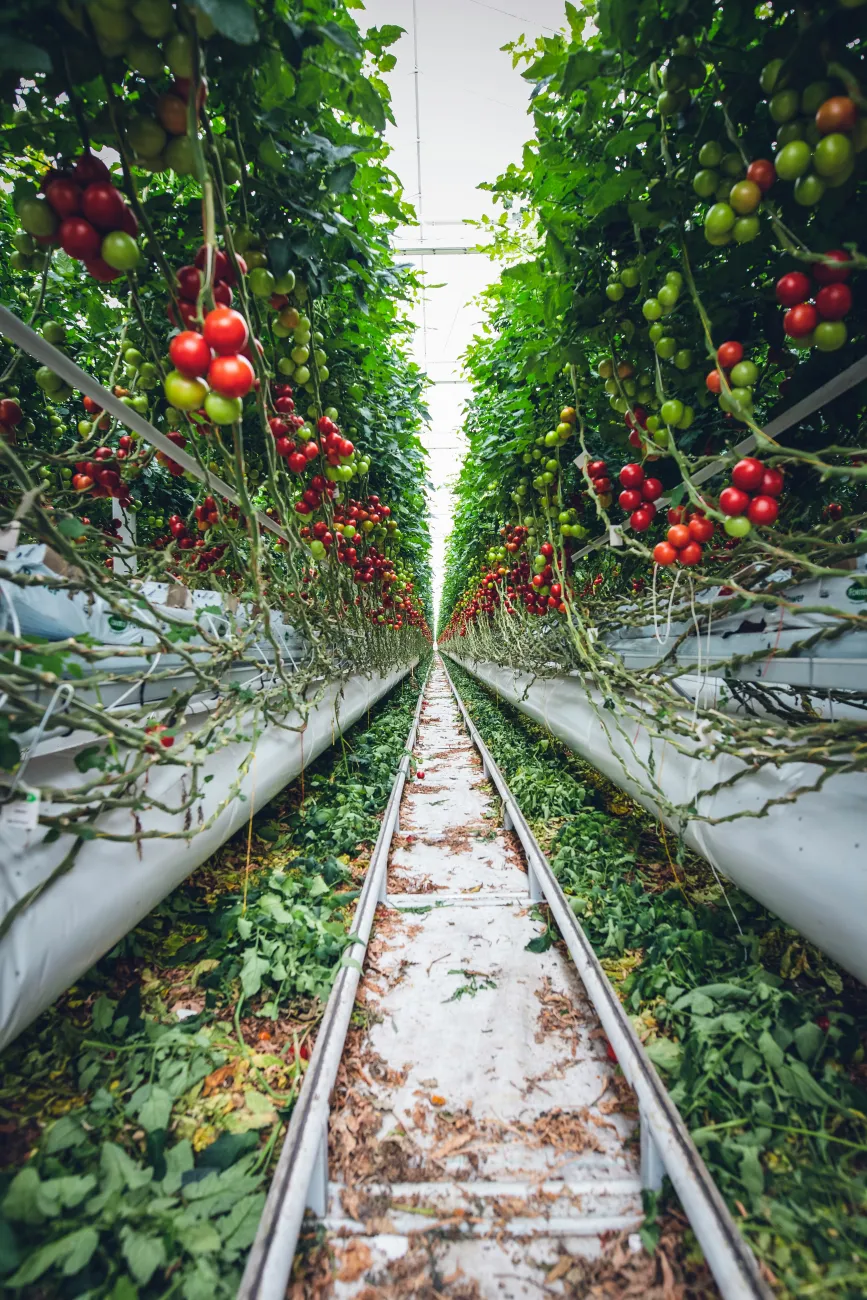
Aisle of vertical tomato farm. Photo by Markus Spiske via Unsplash.
Essay
Feeding Cities - with Indoor Vertical Farms?
In this piece, FCRN member Mike Hamm critically considers the environmental sustainability of vertical- and indoor farming. In particular, he explores and challenges claims that fully indoor production systems can provide a significant source of food for urban areas at low carbon cost.  Ultimately, he argues that there are a number of other urban and peri-urban food growing options that offer greater potential, and deserve more policy attention and support.Michael W. Hamm is a C.S. Mott Professor of Sustainable Agriculture at Michigan State University and Director of the MSU Center for Regional Food Systems. Mike is also a Visiting Fellow of Mansfield College and the Environmental Change Institute, University of Oxford, and an FCRN network member.
Read
Image
A blue plate with salad and other vegetables. Photo by Brooke Lark via Unsplash.
Essay
U.S. Dietary Guidelines Report – What's the Fuss Over Sustainability?
In this piece, Mike Hamm reviews the U.S. Dietary Guidelines Report, focusing on nuances in sustainability.You can contact Mike using FCRN member messaging (just click Send this user a message on his profile) or email him directly at mhamm@msu.edu. You can also comment on this blog, provided you are an FCRN member and logged in. If you have forgotten your log in details, get in touch and we will assist you.
Read

Sign up for Fodder, our monthly newsletter unpacking the future of food.

Tick below to opt-in to email communications.

You can change your mind at any time by clicking the unsubscribe link in the footer of any email you receive from us, or by contacting us at info@tabledebates.org.

We use Mailchimp as our marketing platform. By clicking below to subscribe, you acknowledge that your information will be transferred to Mailchimp for processing. Learn more about Mailchimp's privacy practices.
  • Glossary
  • About
  • Our Writing
  • Podcasts
  • Resources

Social

YouTube Facebook Instagram

© Copyright 2025

A collaboration between: